It is important to stay warm when camping, but choosing the right heater can prove difficult. A diesel heater for camping is a good option for campers who need reliable warmth in cold conditions. Propane heaters make a great choice if you are on a tight budget or will be camping in milder weather. Before choosing the right heater, consider your camping style, your safety needs, and your personal preferences.
Quick Comparison
Here is the quick comparison that will help you choose the right heater for you
Main Differences
What makes propane and diesel heaters different? This quick table will help you see the main differences in a flash:
| Feature | Diesel Heater | Propane Heater |
| Heat Output (BTU/gal) | 140,000 | 91,600 |
| Condensation | Dry heat, less moisture | Adds moisture, more condensation |
| Fuel Cost | Usually higher | Usually lower |
| Noise Level | Fan noise, steady hum | Often quieter |
| Cold Weather Use | Reliable in extreme cold | Can struggle in freezing temps |
| Setup | Needs installation, power | Plug-and-play, portable |
| Fuel Availability | Easy at gas stations | Easy at outdoor stores |
Tip: Diesel heaters give you dry, consistent heat. Propane heaters are best for quick and simple installations.
You need the right heater to suit your camping style. Here’s a guide to help you choose:
- Choose a Diesel Heater if:
- Camp in places that are cold or wet.
- Dry heat is preferred with less condensation.
- You are not bothered by a little setup, and you have 12V power available.
- You are planning to camp in your RV or tent for a few days.
- You should choose a propane heater if you:
- Camping in mild weather is possible.
- Budget-friendly is what you are looking for.
- It’s important to choose a heater that is easy to set up and move.
- Camping is only for occasional trips or short-term camping.
Note: Consider your camping habits. If you love winter trips, diesel might be your best friend. Propane could be the best option for quick weekend getaways.
Diesel Heater for Camping: Pros & Cons
These are the pros and cons of a diesel heater that will help you choose the right heater for camping.
How Diesel Heaters Work
You may wonder how a camping diesel heater keeps you warm or how to install a diesel heater for camping setups like tents or RVs. Diesel heaters can be powered by fuel from your car or from a separate tank. The heater uses diesel to push warm air into tents, RVs, and campers. The majority of models require a 12V source so you can connect them to your batteries. Even when it’s cold outside, you get constant heat.
Advantages
We’ll talk about the reasons you may love a diesel camp heater. First, you get impressive heat output. Diesel heaters deliver about 140,000 BTU per gallon. This means that you can stay warm in even the coldest conditions. You don’t need to worry about condensation in your tent or camper because these heaters provide dry heat. This ensures that your sleeping bag and other gear stay dry.
Diesel heaters are a good option for cold weather. When propane heaters begin to fail, they are a good alternative. You’ll definitely notice the difference if you are camping in a snowy area or during winter. You can find diesel fuel at most gas stations.
Tip: Diesel heaters can be used for camping or long-distance trips. You will get more consistent heat and less moisture.
Drawbacks
Of course, a diesel heater for camping isn’t perfect. Most diesel heaters require installation, which is time-consuming and difficult. You can’t use these heaters everywhere because they need power. Diesel fuel is usually more expensive than propane, so you may have to spend extra on long trips.
Some campers have noticed a constant hum coming from the fan. This could be a problem if you prefer total silence in the night. Diesel heaters tend to be heavier and less mobile than propane models. If you move campsites frequently, they may be difficult to move.
| Pros | Cons |
| High BTU output | Higher fuel cost |
| Dry heat, less moisture | Needs installation |
| Reliable in cold weather | Requires a power source |
| Easy fuel access | Heavier, less portable |
Diesel heaters for camping are a good choice if you need dry heat that is reliable and do not mind some setup.
Propane Heaters: Pros & Cons
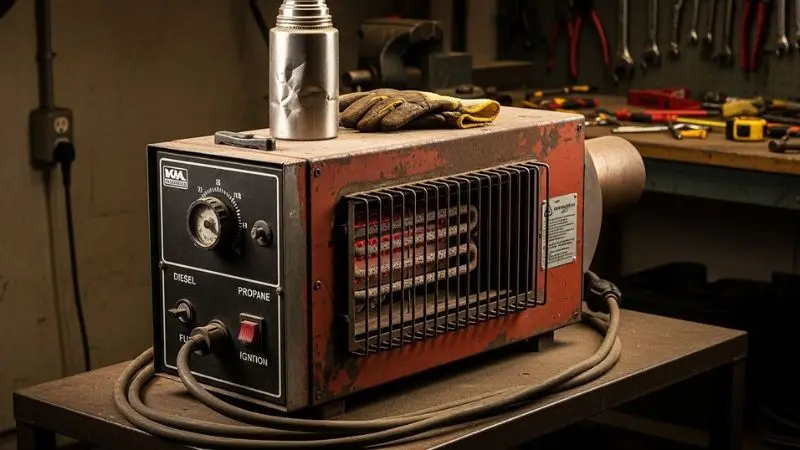
These are the advantages and disadvantages of a propane heater that will explain how it works.
How Propane Heaters Work
You will see propane heating units on campsites. You can purchase small propane tanks at outdoor stores. The tank is connected to the heater, and you turn it on. Warm air will fill your tent. The heat is usually controlled by a knob on most models. They don’t require electricity, so they can be used anywhere. The heat output of 91,600 BTUs per gallon is sufficient for mild nights and quick warming-ups.
Advantages
Propane heaters are a great option for campers. It’s a portable and lightweight heater. It takes only a few moments to set up. No special tools are required, nor is a power supply. Fuel is available in most stores and is inexpensive. Propane heaters are ideal for camping in the spring and fall. These heaters are cheaper than Diesel Heaters.
Here are the main benefits:
| Advantage | Why It Matters |
| Budget-friendly | Saves you money |
| Portable | Easy to move and pack |
| Simple setup | No tools or wiring needed |
| Good for mild climates | Keeps you warm on cool nights |
Tip: Camping is easier with propane heaters if you are looking for a heater to use on short trips or in milder weather.
Drawbacks
Before you buy propane heaters, it is important to be aware of some downsides. These heaters can cause condensation in your tent because they add moisture to the atmosphere. You may feel your sleeping bag dampening in the morning. You need to be careful with some models that have open flames. Propane heaters might not work as well in freezing temperatures. Heat output decreases when temperatures are very low. Some heaters may make a clicking noise when they first start, but the majority run quietly.
Here is a list of the main drawbacks.
- Adds moisture that can cause condensation
- Not reliable in extreme cold
- Be careful with open flames
- Fuel tanks can run out quickly
Note: Please follow all safety instructions when using your heater and make sure it is kept away from flammable substances.
Diesel Heater vs Propane Heater: Side-by-Side Comparison
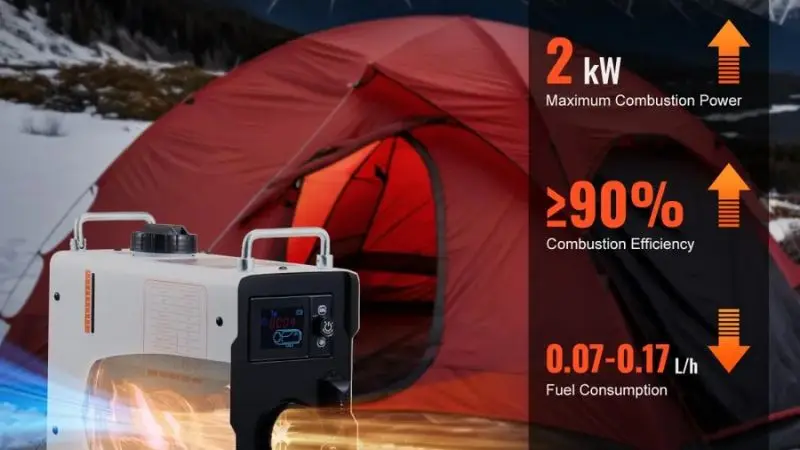
Comparing a diesel heater vs a propane heater for camping helps you understand which option suits your environment, budget, and setup needs in terms of efficiency, cost, and heating performance. Choose the right heater based on how and where you plan to use it.
Safety
When you sleep in a tent or RV, you want to be safe, and many campers ask is a diesel heater safe for tents. The flame is sealed within the heater, so there’s no need to worry about an open flame. The exhaust is vented outside on most models, which prevents carbon monoxide from building up. Check for any leaks, and ensure the exhaust pipe is pointing away from your sleeping space.
Open flames are often used in propane heaters. Keep flammable objects away and watch the heaters closely. You should not leave propane heaters running overnight, even if they have safety shutoff features. Use a carbon-monoxide detector when using either heater.
Tip: Test your heater prior to your trip. Be sure to know how to operate all safety features.
Efficiency & Performance
Your heater should be able to heat up the space quickly and maintain a comfortable temperature. Diesel heaters have a high heat output and a higher fuel efficiency. The BTU output is approximately 140,000 per gallon. This means that you can heat large areas with less fuel. Diesel heaters produce dry heat, so you won’t have to wake up with wet clothes.
Propane heaters provide 91,600 BTUs per gallon. These heaters are ideal for tents with small spaces and mild temperatures. It is possible that condensation will form inside your tent due to the moisture added by propane heaters. Diesel heaters work better in cold and damp places. Diesel heaters are the best option if you want a heater to work in cold temperatures.
| Feature | Diesel Heater | Propane Heater |
| BTU Output (per gallon) | 140,000 | 91,600 |
| Dry Heat | Yes | No |
| Condensation | Low | High |
| Fuel Efficiency | High | Moderate |
Cost
Camping gear is expensive. Propane heaters cost less up front. You can purchase a small heater that comes with a fuel container for a low price. Diesel heaters cost more because you must first buy the unit, then install it. Diesel fuel costs more than propane.
Diesel heaters are a great way to save money, especially if you camp often or for an extended period of time. Diesel heaters are more efficient for the same space. Propane heaters should only be used on short trips or for occasional use.
- Diesel heaters: more expensive initially and in terms of fuel, but ideal for campers who are frequent travellers.
- Propane heaters cost less to purchase and use less fuel. These heaters are perfect for occasional campers.
Fuel Availability
Fuel should always be readily available. Diesel fuel can be found in most gas stations. Fill up your tank before you depart. Outdoor stores, supermarkets, and some gas stations sell propane. Small propane canisters are easy to carry.
Diesel is available in more remote areas. Propane works well for short trips.
Installation & Use
Diesel heaters require installation. Install the exhaust pipe and connect the heater to an electrical source. You may need a few tools and some time to prepare. Once the heaters are installed, they will run automatically and keep you warm.
There are plug-and-play heaters for propane. Connect the fuel canister to the heater and turn the knob. These are lightweight and easy to store. Propane works best if you want a simple setup.
Note: Diesel heaters are best for RVs and camping vehicles. Propane heaters work well for tents or quick setups.
Reliability in Cold Weather
You want your heaters to always work when it’s cold. Diesel heaters work reliably. Diesel heaters continue to function even when temperatures drop below zero. Fuel will not freeze or lose its heat output.
Propane heaters can struggle in very cold temperatures. Fuel can not vaporize correctly, resulting in a drop in heat output. If you camp in winter or snowy places, diesel heaters give you better reliability.
Environmental Impact
You might be worried about the impact of your heater on the environment. Diesel heaters are eco-friendly because they use fuel efficiently and exhaust outside. It keeps your gear dry. Propane heaters burn cleaner than diesel, but add moisture to the air, which can cause condensation.
They use fossil fuels. To minimize your impact, use your heater only when necessary and ensure that your home is well insulated.
Summary:
Diesel heaters are more reliable and efficient if you want to camp in a cold, wet place or dry heat. They keep your gear, and you stay dry in the coldest conditions. Propane heaters can be easily set up and used if you are camping in milder weather conditions or want to save money. Choose the right heater for your camping style.
Choosing the Right Heater
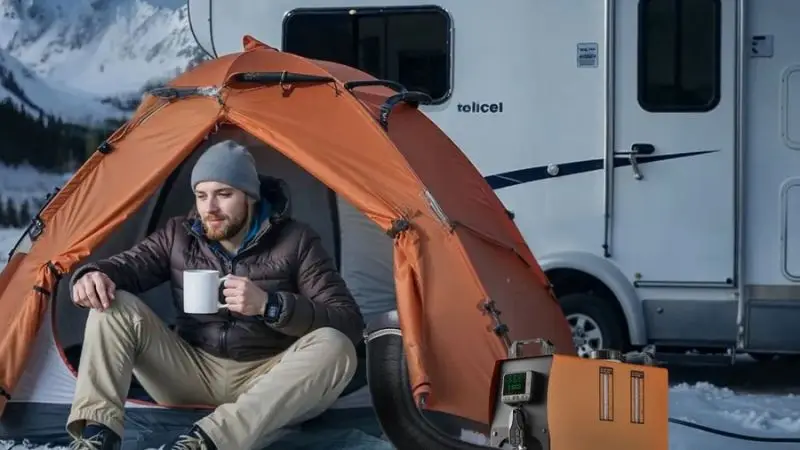
Selecting the right heater starts with understanding your heating needs. Discover the key factors that help you choose wisely.
For Car & RV Camping
Traveling in an RV or car requires a heater that is both comfortable and suitable for the space. Diesel heaters work well in this situation. Diesel heaters will keep you warm all night. No need to carry extra fuel as the heaters are directly connected to your vehicle’s fuel tank. Dry heat can also be used to keep bedding, equipment, and other items fresh.
These can be installed in cars and RVs. They are easy to move and set up. If you only camp occasionally, a propane heater might be enough. Be sure to adhere to safety rules and ensure that you have adequate ventilation. Some propane heaters come with automatic shut-off features to help you sleep.
Tip: A diesel heater will be a good choice if you are camping in your RV over the winter. Propane heaters work well for short trips and mild weather.
For Tent & Backpacking
Portable heaters that are lightweight and portable are essential for tent camping or backpacking. Propane heaters work well for tent camping and backpacking. You can pack a small burner and a fuel canister in your backpack. Setup takes just a few moments. These heaters work best on short trips or during cool nights.
Diesel heaters are heavier because they require electricity. Some diesel heaters are too heavy to carry on a backpack. If you’re camping in a large tent or camp, a diesel heater is a good option. You will have to think about the power and installation.
Here is a table that will help you decide:
| Camping Style | Best Heater Type | Why It Works |
| Backpacking | Propane | Lightweight, portable |
| Large Tent/Basecamp | Diesel | Powerful, dry heat |
Note: Check the ventilation of your tent before using any heater. Safety is paramount.
For Cold Weather
Camping in the cold presents some unique challenges. You need a heater when the temperature drops. Diesel heaters make the best choices. They continue to operate even in extreme temperatures. Dry air will keep your sleeping bag warm and dry. Diesel heaters are more efficient for large areas.
It is possible that propane heaters struggle in very cold temperatures. Fuel may not vaporize well, and you might notice less heat. Diesel heaters can be a great source of heat when you are camping in the cold or snow.
- Diesel heaters work best in extreme cold or for winter camping.
- Propane heaters can be used for cool nights, but they are not suitable for deep winter.
Tip: Choose a heater for your winter adventure that will meet your heating requirements. Diesel heaters can withstand harsh conditions.
For Occasional Use
You may want to choose a more affordable option if you camp only a few days a year. Propane heaters are perfect for this. A small heater with a fuel canister can be purchased for a very low price. It’s easy to set up and doesn’t require any power or tools. Propane heaters are great for mild weather and weekend trips.
Diesel heaters are more expensive and require installation. The investment is worthwhile if you camp frequently. Propane heaters are a great investment for occasional campers.
- Propane heaters are best for casual campers or short trips.
- Diesel heaters are worth it if your family camps every season.
Note: Consider how often you go camping. Propane heaters can be a good choice if you’re looking to keep it simple and save money.
Conclusion
Now you know the differences between propane and diesel heaters, including how a diesel heater for camping compares. Diesel heaters provide a powerful, dry heat for cold weather. Propane heaters are a simple, budget-friendly option for milder weather. Consider how you camp, and what is most important to you. Diesel is the best choice for winter trips or long distances. Propane is a great option for quick and easy installation. Need more help choosing the right diesel heater for camping? Ask for product reviews or to speak with experienced campers.
FAQ
Can I use a diesel heater inside a tent?
If you install it safely, you can use a Diesel heater inside a tent. Keep the exhaust out of your tent. Your tent should have good ventilation. Do not sleep with the heater on unless all safety instructions are followed.
Do propane heaters cause condensation?
Yes, propane heaters add moisture to the air. You might notice damp gear or wet tent walls in the morning. To reduce condensation, open a vent or window a little while using your heater.
Which heater is safer for overnight use?
Diesel heaters are usually safer for overnight use. They have sealed combustion and vent the exhaust outside. Propane heaters have open flames. Never leave a propane heater running while you sleep.
How long does a gallon of fuel last?
Diesel fuel is highly efficient, with one gallon lasting around 8–10 hours depending on the heater size, while propane typically lasts 6–8 hours on medium settings. As a tip, always bring extra fuel with you for longer trips to avoid running out of fuel.