Fixing a winch may seem complicated at first sight, but if you learn how to attach the winch to the trailer the right way, it will be safe and simple. This guide will take you through this process step-by-step, from choosing a proper place to prep the surface, drilling correctly, securing the winch, supplying power, and testing it out. With the right planning and some patience, you can build a tough installation that can take a lot of weight. Take your time with each step, prioritise safety, and check your work to ensure that your winch works smoothly every time—especially when paired with an electric rope hoist.
Tools and Materials for Winch Installation
It can be helpful to prepare everything you need before you start your setup. All the right tools and hardware make the step-by-step guide to attaching a winch to a trailer much easier, safer and more accurate.
Essential Tools for Trailer Winch Installation
You don’t need complicated tools to be successful, but the right basic ones help. These tools are used to drill, tighten, measure, and protect yourself while installing.
- Socket set and wrenches.
- Power drill with various drill bits.
- Measuring tape.
- Marker or pencil.
- Screwdrivers.
- Safety gloves and goggles.
- Wire cutters and strippers (for electric winches).
- Level.
These tools will help you align the winch properly, scribe clean mounting holes, and lock everything in place. If you have a partner to help, positioning the winch is easier, especially in a creative winch mounting on a utility trailer project where precise placement is critical.
Required Mounting Hardware for a Secure Winch
It is important to select good-quality hardware that is properly rated. These components keep your winch secure, whether you are learning how to tie down a winch to a boat trailer or setting up a run-of-the-mill utility trailer. Common hardware includes.
- Mounting plate.
- Bolts and nuts.
- Lock washers.
- U-bolts (optional).
- Roller fairlead.
- Electrical cables (for electric winches)
- Electric rope hoist.
The various components assist the winch in taking the weight of the cable as it rotates. When installing a winch on a DIY trailer, it’s important to level-match hardware to winch capacity and trailer frame strength to deliver a stable, dependable set-up.
Step-by-Step Guide on How to Attach a Winch to a Trailer
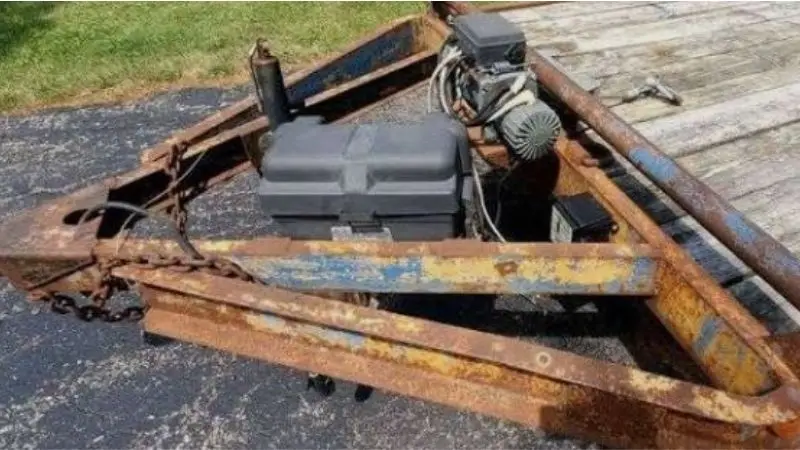
When you know how each part of a trailer winch works, you can install one easily. This section takes you through a complete process showing a step-by-step guide to attaching a winch to a trailer in a clear and beginner-friendly way. If you slowly adjust them and keep them aligned, then you can set up a secure winch that works well for utility trailers, boat trailers, and more.
Step 1 – Choose the Right Mounting Location
The first step in a successful installation is the correct mounting location. Most users install the winch at the front of their trailer at floor level because this position ensures a straight pull and minimum strain on the winch. Before you commit, walk to the front of the frame and check for blockages that could affect things such as wires, brackets, or high/low spots. A clean, straight path makes it easier to load a cable and prevents unnecessary wear and tear on the cable itself. This positioning also aids in mounting a winch on a utility trailer, a great position for balanced pull and ensuring longevity.
Step 2 – Install the Mounting Plate
The mounting plate is the winch anchor, so ensure this part of the installation is done correctly. First, place the plate in the location you marked before and check that it’s level across the trailer. When you’re happy with the alignment, gently press it into place and check the angles for centring. Now, carefully start drilling the desired holes; it is quite important that you keep the drill steady to keep the holes straight. When the plate fits just right, screw it tight until it doesn’t move. If you have installed a plate properly, then the rest of the DIY trailer winch installation tips will be easy and safe.
Step 3 – Attach the Winch to the Mounting Plate
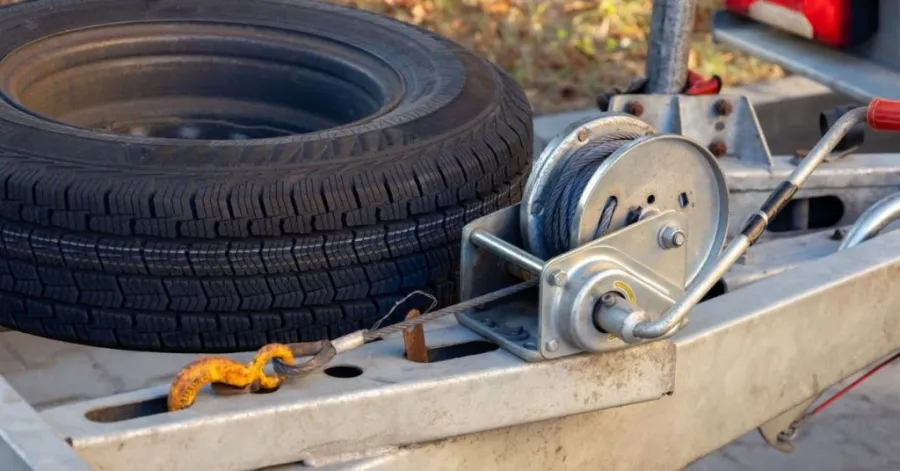
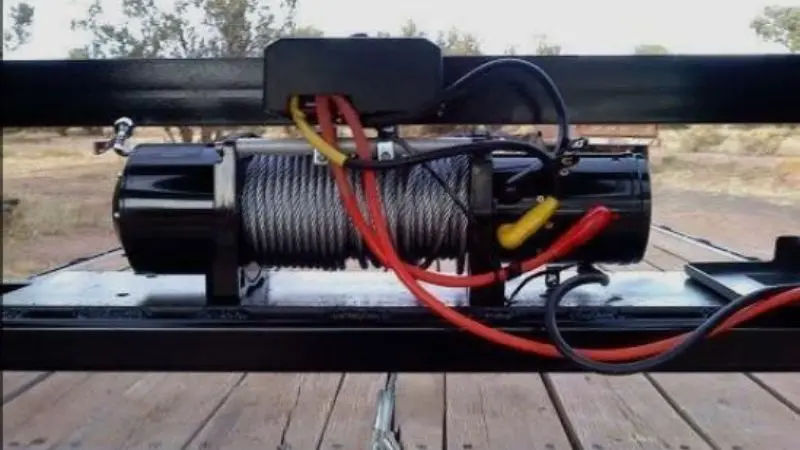
When attaching the winch, follow the instructions shown in the image to avoid shifting while using it. Doing it the right way brings everything together. Carefully place the winch on the mounting plate while ensuring the winch base holes align with the drilled holes. Do not rush your adjustment. Just take your time to line it up. When everything is properly positioned, start to hand-tighten the fasteners slowly. This will allow the winch to settle in place without twisting. Keep checking the alignment as you tighten to maintain uniformity. A properly secured winch is not only easier to operate but also a much safer way of pulling. A well-installed winch—even when used with an electric rope hoist—is therefore a much more reliable and effective piece of equipment.
Step 4 – Connect the Winch Cable
It is essential to connect the winch cable because it affects the working of your winch quite a lot. To start with, attach the cable securely to the winch drum and check that it wraps the correct way. Ensure the cable moves through the roller fairlead straight without rubbing the edges. To prepare the wiring of an electric winch properly, ensure that every connection is clean and tight. When the cable is aligned properly, there is less wear on the cable, the pulling is more efficient, and it makes the later task of how to secure a winch to a boat trailer easier, as the cable will be very predictable under load.
Step 5 – Test the Winch
By testing the winch, you can check that everything works properly before you start real use. Perform a trial run using the winch, taking care to monitor the speed at which the cable is being drawn. Listen for sound glitches or breaks when the speaker is talking, which are the first hints that the speaker is not aligned. After pulling on a short length of cable, allow the cable to wind back in under light tension. Continue to observe how the cable moves. If you take a few minutes to test everything, you can spot small mistakes that will create a safer and more reliable winching experience, once the trailer is fully loaded.
Common Mistakes to Avoid When Installing a Winch
Even with a good plan ahead of time, or even a step-by-step guide on attaching a winch to a trailer, it’s easy to overlook the little things. When you know these mistakes before you begin, this will help you install your winch correctly, safely, and with fewer adjustments. Let’s look at the mistakes people make so you can avoid them with confidence.
Safety Mistakes That Can Affect Your Installation
When people want to finish using their winch as quickly as possible, safety is often the first thing that gets forgotten. When things don’t go right, you cannot rush your figures. Otherwise, you will skip checks and measurements while your fingers will remain exposed to heavy parts. Wearing the right gloves and eye protection protects you from sharp metal edges, flying debris, and unexpected shifts in weight. If you take the time to evaluate every movement, you will remain safe and injury-free. Protect yourself and ensure an installation that is smoother, more accurate and will last further into the future.
Frequent Installation Problems and How to Fix Them
Issues with mounting are a common complaint. The winch or mounting plate is not aligned correctly. This causes reduced pulling strength and affects long-term stability. If gaps form between the bolts and the thin metal, the support provided by the bolt will be minimised. No matter whether you are learning how to mount a winch on a utility trailer or needing to figure out how to secure a winch to a boat trailer, alignment is even more critical. If cables are not aligned properly or tests are not run, then some wear will happen, and performance will become unpredictable. By concentrating on these problem areas—and ensuring compatibility with an electric rope hoist—you will create a safe, effective, and reliable installation.
Maintenance Tips for Your Winch and Trailer
After installing the winch, long-term care is crucial for keeping it stable and reliable. Keeping your setup well-maintained helps you avoid damage and ensures good performance. It also helps your setup stay aligned, especially after travelling long distances or heavy hauling. Here’s how regular inspection and cleaning help protect your winch for many years.
Regular Inspection to Keep Your Winch Reliable
When you check your winch frequently, you can spot minor problems before they become expensive fixes. Check the mounting plate, bolts, and cable tension before and after your trip. You must take proper installation steps, whether you used DIY trailer winch installation tips or had a pro mount the winch. Loose hardware shifts the winch, while worn or frayed cables impact the equipment’s performance. As the cable is slowly pulled out or retracted, any stiffness or unusual sounds will be revealed. Regular checking keeps your winch reliable and operational under load.
Lubrication and Cleaning for Long-Term Durability
Staying on top of cleaning your winch will assist in removing dirt and moisture that can cause rust, stiffness, and damage to the cable over time. After use, wipe the drum, frame, and cable to remove buildup that can obstruct proper function. After cleaning, lightly lubricating the winch’s gears and moving parts reduces friction for better performance under strain. If your trailer is subjected to mud, rain, or saltwater, that type of care can be worthwhile.
Make sure that nothing has shifted since installation by checking the trailer frame and mounting points. Whenever you need dependable pulling power, clean and well-maintained equipment lasts longer and works better.
Wrap Up
If installed properly, a winch will turn your trailer into one of the most reliable loading and hauling devices around. You will learn the safe and proper setup of a telescope and avoid the common mistakes that people make. Having a step-by-step guide on how to attach a winch to a trailer, looking for the best way to mount a winch on a utility trailer, or trying to learn how to secure a winch to a boat trailer all make a difference if you do it the right way. Constant upkeep and clever action will keep your winch and trailer up to speed on any job.
FAQ
How do you know if your winch is strong enough for your trailer?
You should check the winch’s weight rating. Choose one that can pull at the very least one and half times your trailer’s loaded weight.
Can you install a winch by yourself?
You can, but having a friend helps. Lifting and lining up the winch is easier with two people. Safety comes first!
What should you do if the winch cable gets stuck?
Try pulling the cable out slowly. If it still sticks, stop and check for tangles or damage. Never force the cable.