Imagine waking up on your boat and feeling the cold air. You want warmth and comfort, right? A diesel boat heater gives you steady and reliable heat. It burns diesel fuel to keep your cabin warm and cozy. This system is fuel-efficient, so you get more heat while using less fuel. It’s built to last and keeps working even in freezing weather. With a diesel boat heater, you can enjoy boating longer and stay comfortable all season. It’s a safe, simple, and effective way to stay warm on the water—no matter how cold it gets outside.
What Is a Diesel Boat Heater?
A diesel boat heater is a small but powerful system that keeps your cabin warm and comfortable during cold days at sea. It uses diesel fuel from your boat’s tank to create steady, reliable heat. This makes it an essential addition for anyone who enjoys boating through the colder months or plans extended trips away from shore.
How Diesel Boat Heater Works
It is better to know how the installation of the diesel boat heater works in order to get to know how it can be installed. These heaters use diesel fuel that is burnt in a small vessel to make heat. An inbuilt fan will then force the hot air via pipes or vents that uniformly disperse it throughout your cabin.
It is easy to regulate the temperature when using a simple dial or switch, and certain ones are even provided with timers in order to be even more convenient. The system operates quietly, hence you are able to relax or sleep without having to be disturbed by noise.
Boat diesel heaters are of two types:
- Air heaters: Warm up the air and move it by means of vents.
- Water heaters: These are used to warm your room with warm water running in pipes or radiators.
Both perform equally well to heat up the boat efficiently; it is up to you on the design of your boat and how comfortable you are.
Key Benefits of Diesel Boat Heaters
When you know the fundamentals of these heaters, you will find out why it is popular among boaters. A high-quality winter heater not only gives warmth to your winter cruising and adventure, but safety and dependability as well.
Here are the main advantages:
- Consistency in use: The diesel heaters will withstand the harsh conditions on the sea and will operate even in extreme cold.
- Fuel efficiency: They use less fuel than their competitors, and they save money by keeping your cabin warm.
- Comfort: Thinks over you on cool mornings and late-night sails.
- Extended boating season: Boating can also be done during the low temperatures.
- Small and uncomplicated installations: A majority of the units are small in size and can be installed easily in small areas.
In case you are questioning whether a diesel heater on a boat could be safe, it could, although under certain conditions and only if it is properly installed and maintained. It is one of the safest and most efficient heating systems available on a boat. They are so stable, use little fuel, and provide constant heat output in many cases that many boaters choose them over a diesel heater vs a propane heater in boats.
Types of Diesel Boat Heaters: Which One to Choose
Choosing the right heating system for your boat can feel confusing at first. There are several types, and each offers its own advantages depending on your space, comfort needs, and cruising style. Let’s look at the main types of diesel boat heaters to help you find the perfect match for your setup.
Air Diesel Heaters vs. Water Diesel Heaters
It is useful to learn the distinction between air and water systems before determining the method to install a diesel boat heater. They are both very reliable in the warming process, although they work a bit differently.
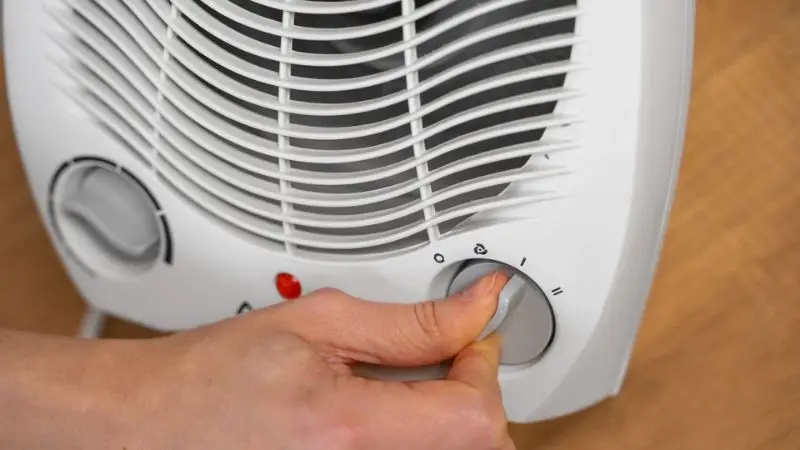
Sometimes known as forced-air heaters, air diesel heaters force hot air into the cabin. They heat within a short period, and this is why they are mostly preferred in smaller or mid-sized boats in which speedy heating and easy controls matter.
Instead, water diesel heaters are used to heat some water circulated in pipes or radiators. This gives soothing and thorough heating in numerous cabins and can help to provide hot water to showers or sinks too. They are mostly applied to larger vessels or on long-distance cruising, where a more comfortable ride is needed.
Both systems will perform excellently at any type of winter sailing or an overnight stay; however, air heaters offer expediency and ease, whereas the water heaters are more lavish and uniform in their warmth. That balance enables most of the boaters to select the perfect diesel boat heater to use during winter cruising, depending on their requirements.
Portable vs. Built-In Diesel Heaters
After choosing a type of heating, you must choose either portable or built-in. The frequency of your boat usage and the amount of storage you have on board will determine this choice.
- Portable diesel heaters are lightweight, flexible, and easy to move. You can use them on multiple boats or put them away when you don’t need them. Smaller boats and occasional travel can greatly benefit from them.
- A built-in diesel heater is a fixture that’s built into your boat. These give off stronger, more consistent heat to heat a big cabin or for long journeys.
Portable systems are more convenient but built-in systems have better performance and efficiency.
Boats rely on their engines every day. Many boaters prefer diesel boat heaters for their reliability and fuel savings. When comparing diesel heater vs propane heater for boats, diesel setups are also more stable and safer to use onboard.
How to Choose the Right Heater for Your Boat Size
There are a variety of heaters that do not fit all boats. The choice of size is very important in terms of safety, comfort, and the use of energy. A heater that is too small will fail to warm up the cabin efficiently, and a heater that is too big wastes fuel.
Smaller boats (as small as about 25 feet) tend to require a smaller output of power-saving heaters. The medium capacity models work well with mid-sized boats at the expense of large vessels, and where large boats need high-BTU systems to ensure consistent performance. The leading marine heaters, such as Webasto and Espar, make heaters that can fit into all these categories and are trusted brands with experienced boaters.
You need to size and install a diesel heater correctly when you are trying to determine whether it is safe on a boat. Under the right model and a proper design, these heaters are clean, safe, and efficient, and this keeps your space warm regardless of the weather conditions.
Installation Guide for Diesel Boat Heaters
Once you’ve chosen the best diesel boat heater for winter cruising, the next step is installing it properly. Setting up your system the right way ensures safe operation, better performance, and longer life. Whether you’re upgrading an older unit or adding one for the first time, this guide walks you through everything you need to know.
Tools and Materials You’ll Need
Make sure that you have the right equipment before you learn how to install a diesel boat heater. With everything ready, time saving and no mistakes will happen in the installation.
The following will be what you usually require.
- Screw wrenches (flat and Phillips).
- Drill with assorted bits.
- Wrenches and hose clamps.
- Fuel line and correct fittings.
- Electrical cables and interconnections.
- Coming to grips with or set-ups.
- Sealant on water in the marine environment.
- Safety gloves and goggles.
Use materials that are moisture, vibration, and salt resistant. These are designed to be more durable and keep your heating system safe from all weather.
Step-by-Step Installation Process
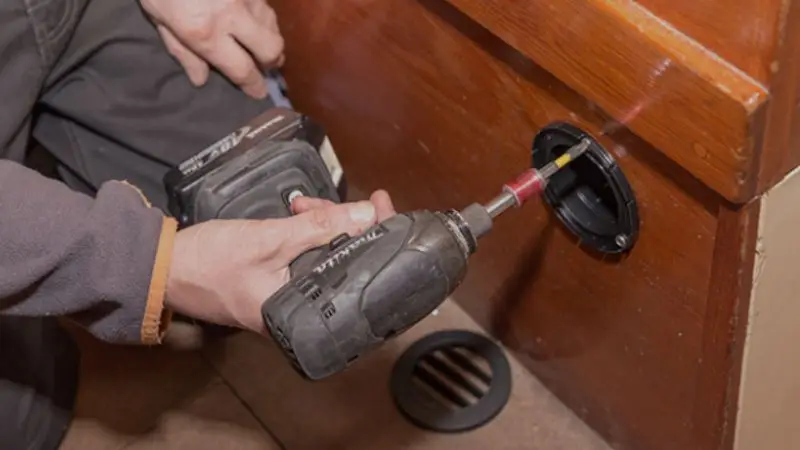
You are ready now to have your tools in place, so you can get your heater installed. Effective installation increases performance and makes your diesel heater safe on a boat to be used in the long run.
To achieve an effective, clean installation, follow the following steps:
- Select the correct site– Select a place with proper ventilation and easy serviceability. Do not install the heater in the presence of flammable material
- Install the unit stationary– Install the brackets which are provided, and lay a flat and firm surface.
- Connect the fuel line– Use the fuel line to your diesel tank and ensure all the fittings are tight to stop leakages.
- Fit the exhaust outlet – Exit safely through the outside of the cabin and ensure that all joints are sealed against fume penetration.
- Wire the controls– Assemble the electrical system as instructed in the manual. Check every connection thoroughly.
- Install the air ducts -Ensure that the air circulates freely in the cabin or compartments.
- Check the system -With all the connections completed, turn on the heater. Hear unusual noises, look at leaks.
It is always advisable to seek the advice of an experienced marine technician in case anything seems questionable. Professional installation guarantees effectiveness as well as safety: in particular, when it comes to fuel systems.
Common Mistakes to Avoid
Though you may do your best to avoid making mistakes, small issues can create big problems. Knowing this will help you avoid installing things that will make your installation easier and safer.
The following are some of the pitfalls to be avoided.
- Installing the heater too near combustible products.
- Marine components can rust or fail to work.
- Forgiving to close exhaust joints.
- Omission of leak checks on fuel lines.
- Leaving out the testing of the system before going out.
If your diesel boat heater is able to work its hardest all season, you can avoid these problems. Once installed, you get quality, quiet warmth and a sense of security, essential for any boater spending any time during the colder seasons.
Diesel Boat Heater Maintenance Guide
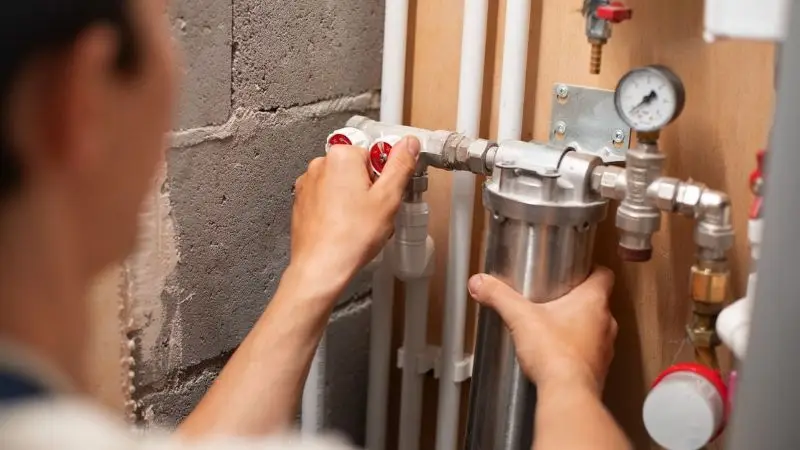
Keeping your diesel boat heater in good shape ensures reliable warmth every time you’re out on the water. With a little care and regular checks, your heating system will stay safe, efficient, and ready for every cold-weather trip.
How to Clean and Inspect Your Diesel Boat Heater
You should check and clean your heater regularly to ensure that your system continues to run well and protect your home. If you want to take a long trip in winter with the heater on, the main thing is consistency.
Start by checking the air intake, exhaust, and blockages. Use a wet cloth (preferably soft) in order to get rid of salt and dirt. You should properly check the red hose lines for fuel cracks and fuel leaks; change any that are broken immediately. Connection can be an issue, so make sure all wires are tight and secure.
Lastly, wash the air filters after a few weeks. When the filter gets clogged, the airflow slows down and your heater works overtime. Cleaning your system on a regular basis will ensure the efficiency of your system and the safety of your diesel heater in a boat, all season long.
Troubleshooting Diesel Boat Heater Problems
Despite frequent maintenance, you may experience minor problems like the inefficiency of heating or slow starts. The majority of these issues are easy to troubleshoot, and they do not involve specialized equipment.
In case your heater fails to start, it might be that the power supply is low, which is caused by a low battery. Ensure that the fuel tank is full of diesel and the line is not clogged. In case you smell of fuel, check where there are small leakages and screw up fittings.
In the event of the heater bringing in cold air or failing to heat correctly, the air filter can be cleaned and checked on the exit exhaust. Unusual sounds are normally signs that something is not in its place, and looseness of bolts, as well as removing debris, would usually fix the problem.
Troubleshooting on a regular basis will ensure that your system can be relied on and that you are able to notice minor issues before they escalate to costly repairs.
When to Call a Professional for Diesel Heater Service
Anyone can perform simple cleaning and check-ups. However, in certain cases, it becomes compulsory to acquire professional aid or assistance from experts. If your heater emits strong fuel fumes and smoke or stops working without warning, do not hesitate to call a marine service.
Immediately before long journeys, the heater must receive professional servicing so as to ensure it is safe and efficient. Getting your heater checked annually will increase its life and prevent it from failing during winter.
Attacking early not only protects your system, it also protects you and your crew. If you wish to continue using your existing system or install a new one, diesel is a great choice for boat heater installations. Regular service will keep your diesel operating at peak efficiency to ensure your safety and comfort on board.
Diesel Boat Heater Safety Tips
Keeping warm on your boat is important, but safety should always come first. Proper precautions prevent accidents, protect your crew, and ensure your diesel heater is safe on a boat.
Ventilation and Carbon Monoxide Safety
Diesel heaters produce carbon monoxide (CO), which can be dangerous if it builds up inside your cabin. Always run your heater with a vent or window open to allow fresh air circulation. This keeps CO levels low and your indoor environment safe.
Install a carbon monoxide detector near sleeping areas and test it before every trip. If the alarm sounds, turn off the heater immediately and move outside for fresh air.
Additional safety practices include:
- Ensure your exhaust pipe vents outside and is free from blockages
- Never block air vents, even if it feels chilly
- Replace CO detector batteries each season
- Educate everyone on board about CO risks and safety procedures
Pay attention to symptoms like dizziness or headaches — these are warning signs of CO exposure. Acting quickly can prevent serious health risks.
Fire Prevention and Safe Heater Use
Fire prevention is equally as important as the warm. When diesel heaters are operating, they get hot; hence, always ensure that flammable materials such as blankets, towels, and cleaning materials are not near the diesel heaters.
Before starting your heater, check wire, fuel line, and crack or leaks for cleaning up. Repair of any damage must be done prior to operation. Carry fire extinguishers on board the aircraft. Everyone must know where it is located and how to operate it for an emergency.
Other significant fire safety practices are.
- Switch heating off prior to refueling.
- Make sure to turn off the heater when no one is there.
- Carry out frequent checks to avoid sparks or leakages.
Review your safety plan with your crew before every outing. A bit of preparation makes for much safer boating and for worry-free winter cruising.
Wrap Up
Diesel boat heaters are a reliable and efficient way to stay warm during winter cruising. They provide steady heat, use fuel efficiently, and can extend your boating season. Choosing the right type — air or water, portable or built-in — ensures comfort for your cabin size and needs. Proper installation, regular maintenance, and safety precautions like ventilation, CO detectors, and fire awareness keep your heater running smoothly and safely. Whether you’re comparing a diesel heater vs a propane heater for boats or learning how to install a diesel boat heater, following these guidelines guarantees cozy, worry-free adventures on the water.
FAQ
What is the average life of a diesel boat heater?
If properly maintained, a diesel boat heater will last 5-10 years. Wash it frequently and look at damaged components. Maintaining the heater in the right manner makes the best out of it.
Is it possible to use a diesel boat heater when sleeping?
Yes, it is acceptable, you may use your heater overnight. You should have the window open at all times. Check your carbon monoxide detector and go to sleep. Safety is the first thing to think about, especially when liveaboards use heaters.
What is a marine-specific diesel heater one?
The bumpy water conditions of the sea make the diesel heater marine-specific and resistant to corrosion. It applies exclusive materials and designs to boats. It is safer and it lasts longer than conventional heaters.
Are heaters for diesel boats smell-free and noisy?
The new variety of diesel heaters is rather noiseless and gives off little smell. Unusual or uncomfortable smells that are very strong or sounds that are high-pitched should be checked to see whether they are leaking or blocked. Routine cleaning will have your heater in fine shape.
Is it possible to install my own diesel boat heater?
You can set up a heater by following the guidelines and using the tools. In case of doubt, seek the services of a marine technician. Qualified installation keeps you welcoming and warm..