Want to lift your car by yourself? Here are the top 10 tools for safely lifting a car: hydraulic jack, scissor jack, bottle jack, jack stands, wheel chocks, car ramps, lift pads, electric car jack, creeper, and car lifts. Always choose the safest method for your car, as safety matters most. The most commonly used and trending methods for lifting a car are electric jacks and mobile car lifts. First, consider your vehicle type and lifting needs, then compare the different types of jacks available.
Best Tools to Lift a Car
You need the appropriate car tools when you want to lift your vehicle. Let’s go over the best car-lifting equipment for 2025. You’ll understand the importance of each tool and how it helps complete the task.
Hydraulic Jack
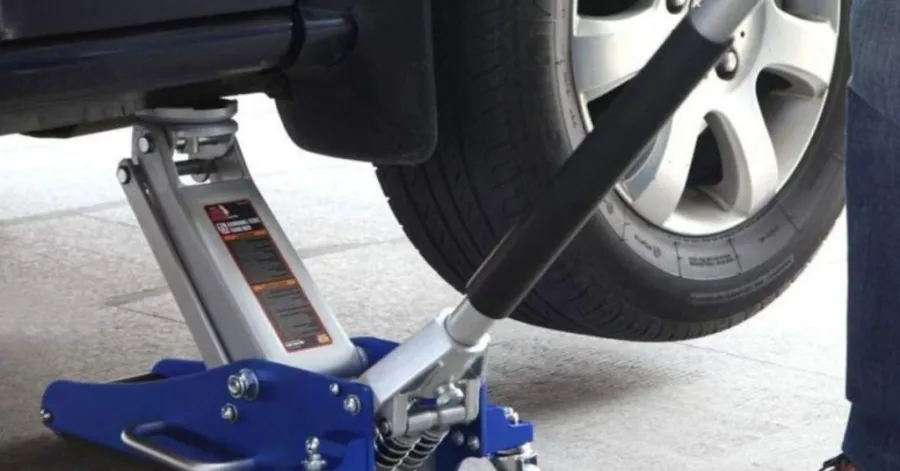
Most garages most likely have a hydraulic jack. This device easily raises your car using fluid pressure. The jack effortlessly raises your car when you simply pump the handle. Because of their high lifting capacity, hydraulic jacks are popular. They apply to trucks, sedans, and SUVs. Look for models such as the Blackhawk B6530 Fast Lift if you want dependability. For fast brake or tire changes, hydraulic jacks are ideal. Always check the jack’s capacity before beginning any lifting.
Scissor Jack
A scissor jack is compact and easy to store. Most car trunks have one. This device uses a simple screw mechanism to raise your vehicle. Turning the handle opens the jack like scissors. Scissor jacks are great for last-minute roadside repairs. They are adequate for smaller vehicles, even though they don’t have the most remarkable lifting capacity. If you drive a sedan or hatchback, you must have a scissor jack. Always set it down on solid ground before lifting.
Bottle Jack
Bottle jacks resemble tiny cylinders. You lift heavy objects with them. These jacks have a large lifting capacity and a robust hydraulic system. Bottle jacks are standard among off-road enthusiasts and in truck shops. Vehicles with greater ground clearance can fit beneath them. A bottle jack is a smart option if you need to raise a heavy SUV or pickup. Verify the jack’s capacity and make sure it matches the weight of your car.
Jack Stands
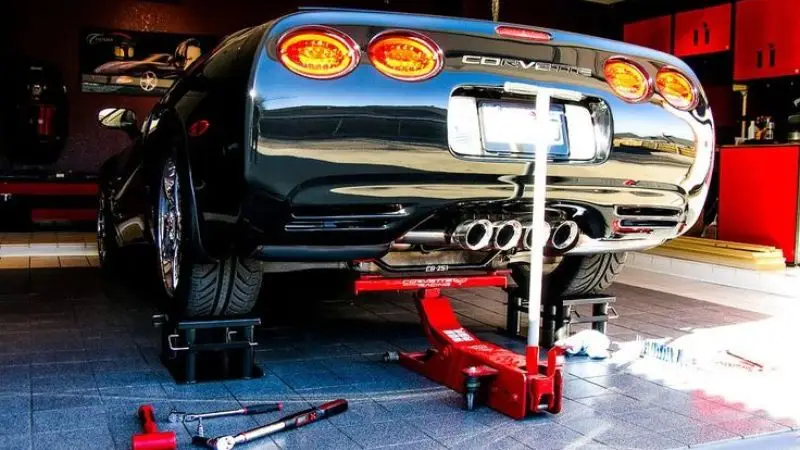
Never depend on a jack by itself. While working underneath, jack stands keep your car raised and steady. After lifting the car, you place the jack stands underneath it. Their sizes and capacities vary. Use jack stands that have the appropriate lifting capacity for your car at all times. Choose models with locking pins for added security. Jack stands are necessary for suspension work, oil changes, and brake repairs.
Wheel Chocks
When you lift your car, wheel chocks prevent it from rolling. They are positioned behind the ground-staying wheels. These are easy to use yet efficient car lifting tools. Wheel chocks are compatible with all kinds of vehicles. Every time you raise your car, especially on sloping terrain, you should use them. They hold your car in place and provide an additional degree of security. It is the most secure way to lift a car for repairs.
Car Ramps
Car ramps allow you to raise your car without a jack. The wheels of your vehicle rest on the ramps when you drive it onto them. Ramps are useful for inspections and oil changes. They have a good lifting capacity and a stable platform. Ramps are an excellent option if you want a fast way to get underneath your vehicle. Verify that the ramps are rated for the weight and tire size of your car.
Lift Pads & Adapters
When using a jack or car lift, lift pads and adapters shield your vehicle’s frame. They are positioned between your car and the lifting tool. By distributing the weight, these pads help prevent damage. Lift pads are a smart purchase if you use hydraulic jacks or car lifts. They help you avoid expensive repairs and are compatible with all kinds of vehicles.
Electric Car Jack
In 2025, electric car jacks are popular. At the touch of a button, they raise your car after you plug them into the power outlet. These jacks save time and effort. Many electric jacks are suitable for sedans, SUVs, and crossovers and have a good lifting capacity. Consider using an electric car jack for convenience. Before using the jack, always make sure it has enough capacity.
Creeper
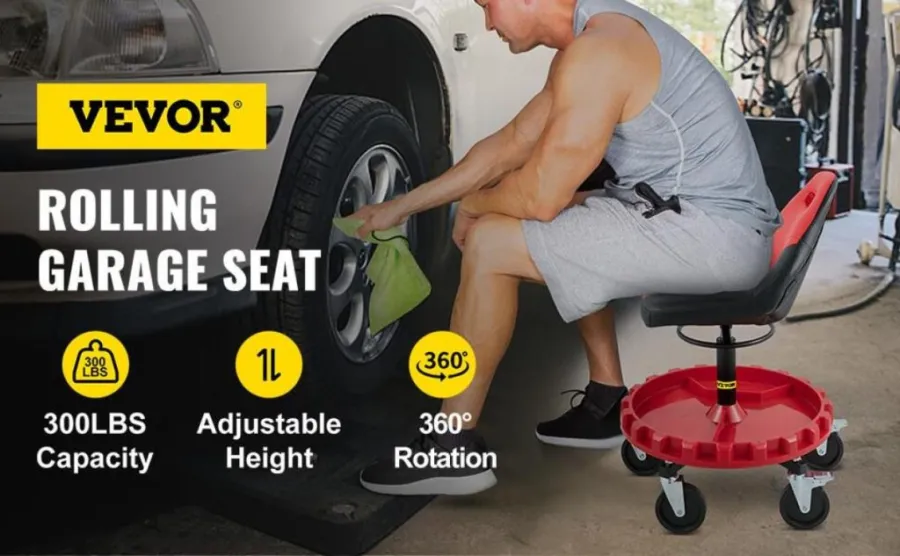
Although a creeper isn’t a lifting device, it makes working beneath your car safer. You roll beneath your car while lying on the creeper. Moving around and getting to confined spaces is made simple by creepers. A creeper is a helpful addition to your garage if you perform routine maintenance.
Car Lifts
What tools are used to lift a car? Car lifts are best for serious work. You’ll see them in professional shops and home garages. Car lifts raise your vehicle high off the ground, giving you full access underneath. There are two-post lifts and four-post lifts. Two-post lifts hold the car by its frame, while four-post lifts support the wheels. If you want to work on your car’s suspension or exhaust, car lifts make the job easy.
Always check the lifting capacity and make sure the lift matches your vehicle’s size. Mobile car lifts are popular in 2025, offering flexibility for home mechanics. Vehicle lifts come in many styles, so pick the one that fits your needs.
Essential Car Lifting Accessories for Added Safety
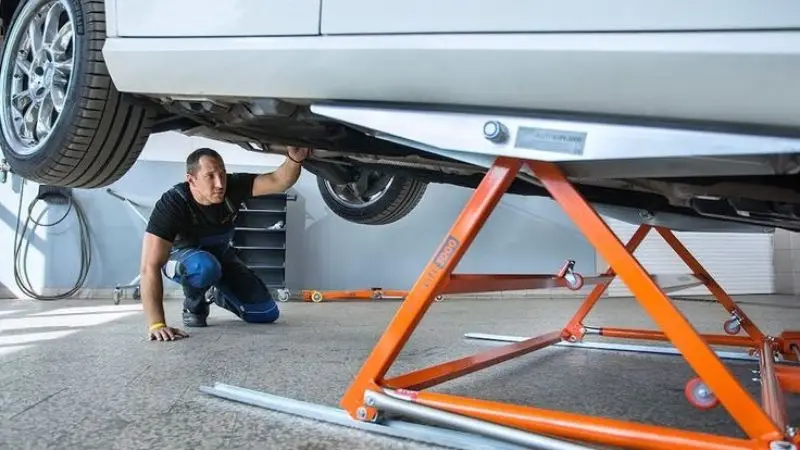
Wheel Chocks
You want your car to stay put when you lift it. You need the best car lifting tools for a home garage. Wheel chocks help you do that. These small blocks go behind your tires. They stop your car from rolling. You can use them on any surface. If you park on a slope, wheel chocks become even more important. You should always use them before you lift your car. This simple step boosts safety every time you work on your vehicle.
Wheel chocks come in different shapes and sizes. Some are made of rubber. Others use hard plastic. Pick the ones that fit your tires best. You can keep a set in your trunk. That way, you always have them ready.
Jack Pads & Rubber Blocks
Jack pads and rubber blocks protect your car’s frame. When you use a jack, you want to avoid damage. These accessories sit between the jack and your car. They spread out the weight. You get better support and more safety. Jack pads work with most jacks and lifts.
You can find jack pads in many styles. Some are thick and soft. Others are firm and sturdy. Rubber blocks also help if you need extra height. You should check your car’s manual to see where to place them. Using jack pads and rubber blocks makes every lift safer and easier.
How to Choose the Right Car Lifting Tool for Your Vehicle
Safety Factors
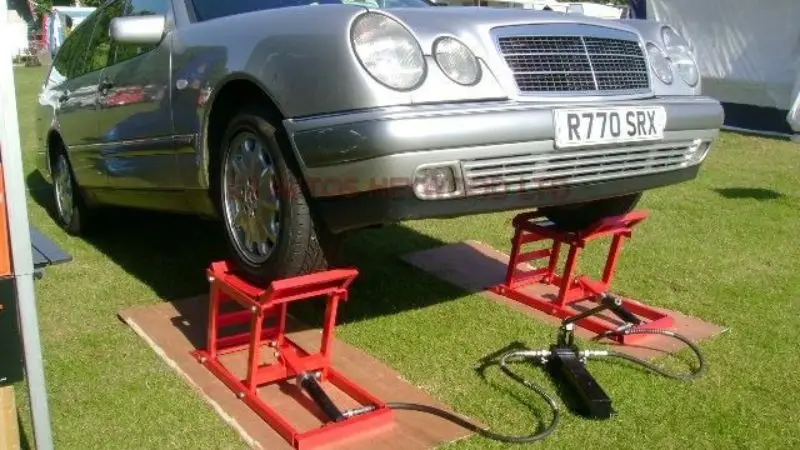
You want to keep safety at the top of your list when you pick a lift for your vehicle. Always check the lifting capacity before you buy a jack or car lifts. Look for sturdy designs and strong materials. You should never use a jack without jack stands. If you plan to work under your vehicle, use extra supports. Many people trust models like the Blackhawk B6530 because they offer reliable lift and solid safety features. You can also look for car lifts with safety locks and wide bases.
Vehicle Compatibility
Not every lift fits every vehicle. You need to match the jack and car lifts to your vehicle’s weight and size. Check your owner’s manual for the right lifting points. If you drive a truck or SUV, you may need a bottle jack with a higher lifting capacity. Sedans often work well with scissor jacks. For home garages, two-post and four-post car lifts give you options. Two-post lifts hold your vehicle by the frame. Four-post lifts support the wheels and offer more lifting capacity. Always pick a lift that matches your vehicle’s needs.
| Vehicle Type | Recommended Lift | Lifting Capacity |
| Sedan | Scissor jack, two-post | Medium |
| SUV/Truck | Bottle jack, four-post | High |
| Sports Car | Hydraulic jack, two-post | Medium-High |
Maintenance Tips
You want your lift and jack to last. Clean your tools to lift a car after each use. Check for rust or cracks. Test the lifting capacity regularly. Lubricate moving parts on your jack and car lifts. Store your jack stands and lift pads in a dry place. If you see any damage, replace the tool right away. Reliable tools keep your vehicle safe and make every lift easier.
Final Safety Checklist Before Working Under Your Car
Confirm Car Stability
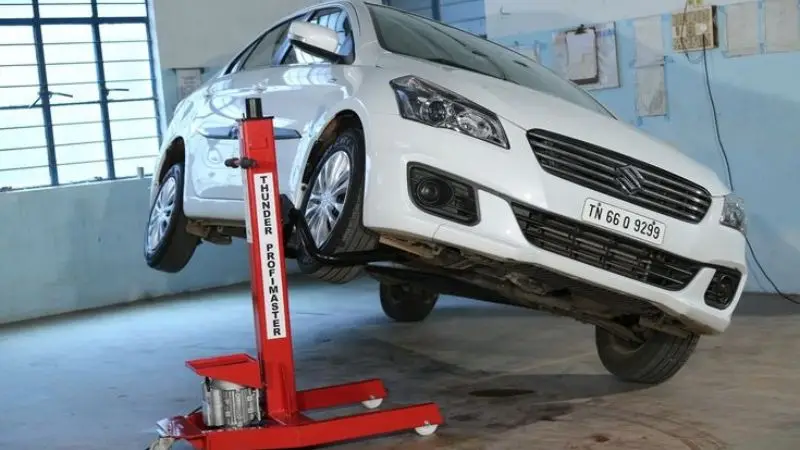
Before you crawl underneath, you want your car to remain stable. Make sure your lift is secure at all times. Set your jack down on a level surface. Verify that your car lifts are securely locked. Make sure the vehicle is supported equally by each arm or post if you use a two-post or four-post lift. Rock your car gently to check the stability. Adjust your jack stands or lift if it moves. Don’t hurry this step. A stable vehicle is the first step toward safety.
Inspect Tools for Wear and Tear
Before you begin, inspect your car lifts, lift pads, and jack. Look for bent, rusted, or cracked parts. Verify that your jack stands are in good condition. Check each tool’s ability to lift an automobile. Replace the tool immediately if you notice any issues. After every use, clean your jack and lift. Having trustworthy tools makes every lift easier and keeps your car safe.
Make Use of Backup Safety Supports
Never rely on a single lift or jack. Always use jack stands with your jack. Add additional supports underneath the car if you plan to use car lifts. Two-post and four-post lifts provide strong lifting capacity, but extra safety is always beneficial. Put pads or blocks underneath the frame. Verify each support’s lifting capacity twice. If one tool fails, you are protected by redundant safety supports.
Conclusion
You want your auto lifting tasks to be safe and straightforward. Select the appropriate tool to raise your vehicle. Regularly inspect your equipment. Anything that appears worn out should be replaced. Keep in mind that safety comes first. You can confidently handle repairs if you have the right equipment and wise habits.
- Choose tools that are appropriate for your vehicle.
- Examine the equipment before each use.
- Put safety first.
FAQ
Which method of lifting my car at home is the safest?
A jack and jack stand should always be used together. Wheel chocks should be positioned behind the tires. Before you get in your car, check the stability.
Can my SUV be parked in any jack?
No, you need a jack with sufficient lifting capacity. Consult your owner’s manual. Seek out hydraulic jacks or bottle jacks designed for larger cars.
How frequently should my lifting equipment be inspected?
Before each use, you should inspect your tools. Check for worn parts, rust, or cracks. Anything that appears damaged should be replaced.