Believing that all water is… water? Not quite, think again! All types of water are not all alike. They are different in taste, different in minerals, and some are filtered or processed, and what is in your glass is not what it is. An example is a water distiller that can remove chemicals from your water.
Here in this blog, we are discussing the key types of water, what makes each of them special, and how to choose the right one to drink, cook, or simply to keep oneself hydrated. No boggling science; a plain, easy-going guide to water.
Common types of drinking water
As far as drinking water is concerned, there are several types that you are likely to know, yet each one of them has its peculiarities. Knowing the differences will enable you to choose the best depending on your taste, health, and lifestyle.
Let us consider the most popular ones:
Tap water
It is the water that flows out of your kitchen tap. It is treated to the safety standards and normally has fluoride to assist your teeth.
Tap water is convenient and inexpensive, but it may taste noticeable in certain areas, and some individuals may want to have an additional filtration to be sure.
Pros:
- Extremely convenient and cheap
- Meets safety regulations in most areas
- Always available at home
Filtered water
Filtered water is tap water that has been filtered through a filtration system, such as a pitcher filter, an under-sink system, or a counter-top unit.
Chlorine, sediments, and even some heavy metals can be filtered out. What comes out is cleaner, smoother water, usually devoid of minerals that occur in natural sources.
Pros:
- Cleaner taste than tap water
- Removes some contaminants
- Affordable with reusable filters
Purified and distilled water
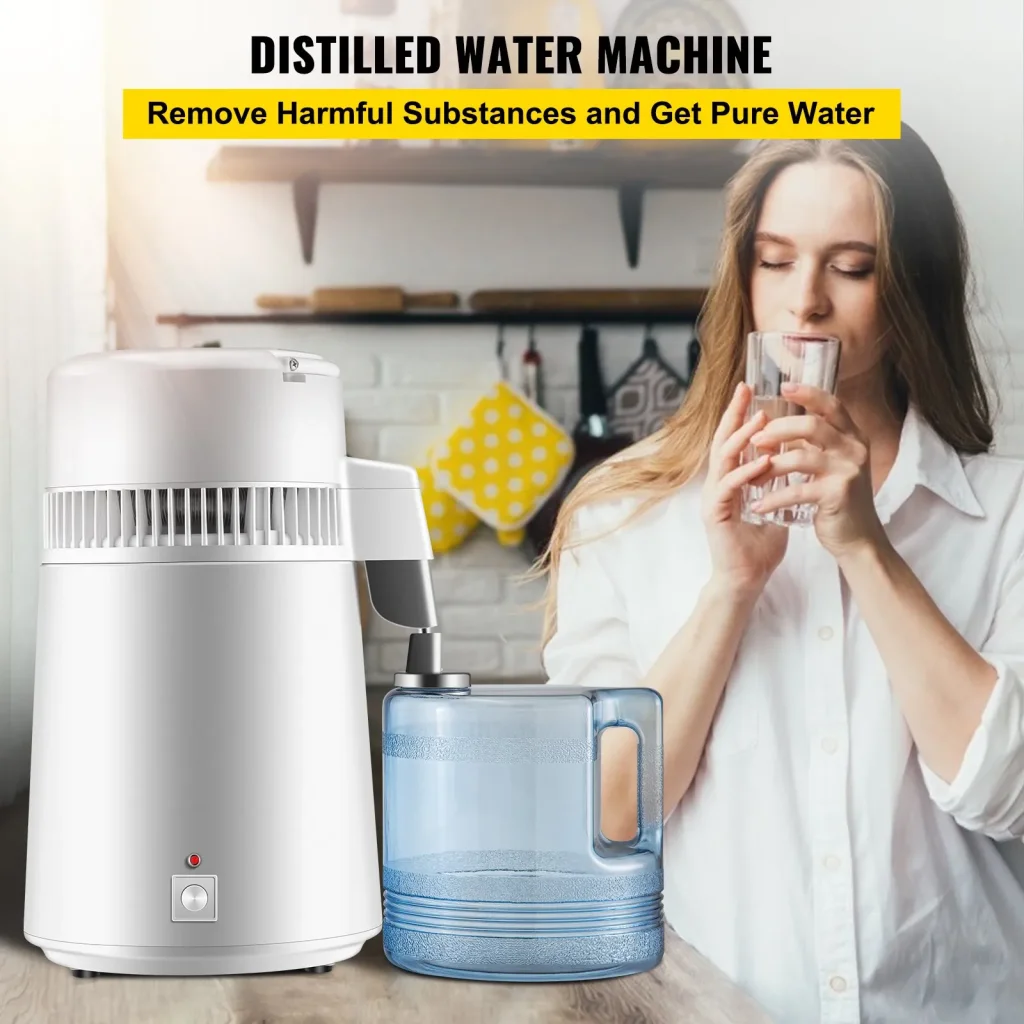
Purified water goes through processes like reverse osmosis or deionization to remove nearly all impurities. Distilled water is boiled and condensed, leaving minerals behind, using a water distiller.
Both are extremely clean, making them ideal for appliances, lab use, or people who want water as neutral as possible. Just note that drinking only distilled water can taste flat to some.
Pros:
- Very pure and safe to drink
- Neutral taste, ideal for cooking and appliances
- Free from most chemicals and sediments since the water distiller removes them by boiling it.
Mineral and spring water
Mineral water comes from natural sources and contains minerals like calcium, magnesium, and potassium, which can benefit your health.
Spring water is collected from underground sources and is usually filtered naturally through rocks. Both taste different from tap and filtered water, often carrying a subtle, refreshing flavor from the minerals.
Pros:
- Rich in natural minerals
- Refreshing taste with subtle variations
- Often bottled directly from the source
- Minimal processing
Alkaline water
Alkaline water has a higher pH than regular water, usually around 8 or 9. It’s often marketed for hydration and detox claims, though research is mixed. Some people like the smooth taste, and it can be a nice change if you want something different from standard water.
Pros:
- Smooth, mild taste
- Maybe a nice alternative if you want variety
- Can help balance the taste for acidic beverages
Natural water types
Sparkling (carbonated) water
Sparkling water is water infused with carbon dioxide, giving it those familiar fizzy bubbles. Some sparkling water comes naturally from mineral springs, while most store-bought versions are artificially carbonated.
It’s a fun alternative to still water, especially if you enjoy fizzy drinks but want to avoid sugary sodas. Some people find it easier to drink with meals since the bubbles can help digestion, and it can make hydration feel a little more exciting.
Pros:
- Fizzy, fun alternative to plain water
- Can aid digestion for some
- Often sugar-free, making it a healthier soda substitute
Well water
Well water is sourced from underground aquifers through private wells. Unlike tap water, it isn’t treated by municipal systems, so the quality can vary depending on your location and the depth of the well.
Many people enjoy the distinct mineral taste that well water offers, but regular testing is important to ensure it’s free of contaminants.
It can be an excellent, cost-effective option for those with a private well, offering naturally filtered water that’s often fresher than store-bought alternatives.
Pros:
- Often free if you own a well
- Unique taste from natural minerals
- Less processing than municipal water
Glacier and artesian water
Glacier water is collected from melting glaciers, while artesian water comes from underground aquifers under natural pressure. These waters are prized for purity, natural filtration, and subtle mineral content.
Many people describe them as crisp, refreshing, and smoother than standard water. They’re often marketed as premium products due to their scarcity and source, making them popular for high-end bottles or special occasions.
While the taste and novelty appeal to many, sustainability should be considered, especially for glacier water.
Pros:
- Naturally pure and clean
- Distinct and refreshing taste
- Unique mineral content
How to choose the right water for you
There’s a lot of noise around different water types, but choosing one is mostly practical: what tastes good to you, what’s safe, and what fits your life. Below are a few simple things to think about so you don’t overcomplicate it.
Health and taste
Taste is where most people start. Here are some elements to note in the different types of hardness of water:
- Mineral water can have a noticeable flavor because of calcium, magnesium, or other dissolved minerals.
- Filtered water usually tastes clean and neutral. Distilled water can seem flat to some because it lacks minerals.
- If you worry about contaminants, purified water or a good home filter will remove a lot of the stuff you don’t want.
For everyday drinking, many people find a balance by alternating filtered water with a mineral or spring bottle now and then. That way, you get variety without any big trade-offs.
Environmental impact
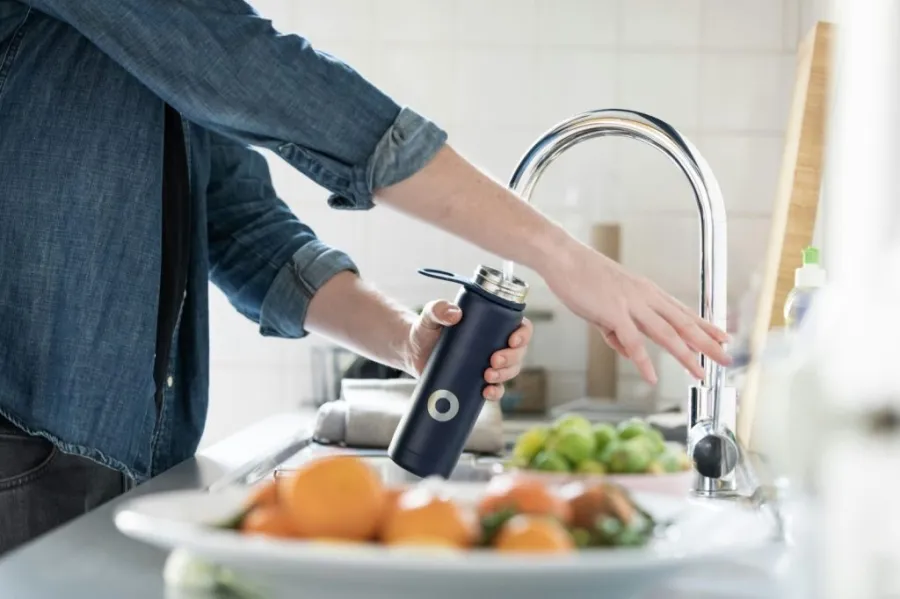
How your water gets to you matters. Bottled water generates plastic waste, and in most cases, it has a greater carbon footprint due to shipping and packaging. Refilling it with a filtered tap will reduce that impact significantly by using a refillable bottle.
When you purchase bottled water, purchase bigger containers, recycle them or purchase brands that are packaged in recycled materials. Even minor things, such as a durable reusable bottle, are significant in the long run.
Budget and accessibility
Different types of water can be cheap or surprisingly expensive. Tap and filtered water are the cheapest long-term options. A decent pitcher or under-sink filter is an upfront cost that quickly pays for itself if it replaces bottled water.
Premium branded waters are fine for treats, but they don’t need to be your daily habit unless you really prefer the taste. If your local tap water isn’t reliable, factor in what’s available and affordable: sometimes bottled or delivered water is the practical choice.
Lifestyle and personal preferences
Consider the place and the manner of consuming water. A leak-proof bottle or a portable filter is important in case you have to commute a lot.
In case you cook regularly, purified water will avoid strange tastes and prolong the life of the appliances. Sparkling water may also make you consume more water without resorting to soda, in case you like carbonation.
And when you are attempting to be healthier or control consumption, basic routines such as keeping water in sight and reach tend to be more successful than trying to attain the ideal bottle.
FAQs
Which is the healthiest water?
The healthiest water is clean, filtered, and mineral-rich. Spring or mineral water with natural electrolytes like calcium and magnesium supports hydration and overall health, while being free from contaminants and harmful additives.
Is tap water safe to drink?
Tap water safety depends on local water quality and treatment systems. In many areas, it’s perfectly safe; however, using a home filter can help remove chlorine, lead, and microplastics for added protection.
Which water has no chemicals?
Distilled water contains no chemicals or minerals since it’s purified through boiling and condensation. Moreover, you can install a water distiller at home at an affordable price.
Which mineral water is best for the kidneys?
Mineral water with balanced calcium, magnesium, and low sodium is ideal for kidney health. Brands rich in natural minerals but low in hardness support hydration, aid detoxification, and reduce kidney stone risk.
Final thoughts
Ultimately, the ideal water is the one that you will be drinking on a regular basis. Make it easy: choose something safe, cheap, and not too bad that you will not skip drinking. There is nothing wrong with switching between filtered tap, spring, and sparkling. The most important thing is to be hydrated. For water purifiers and distillers, you can find budget-friendly options at Vevor. Vevor is here to help in your health journey!