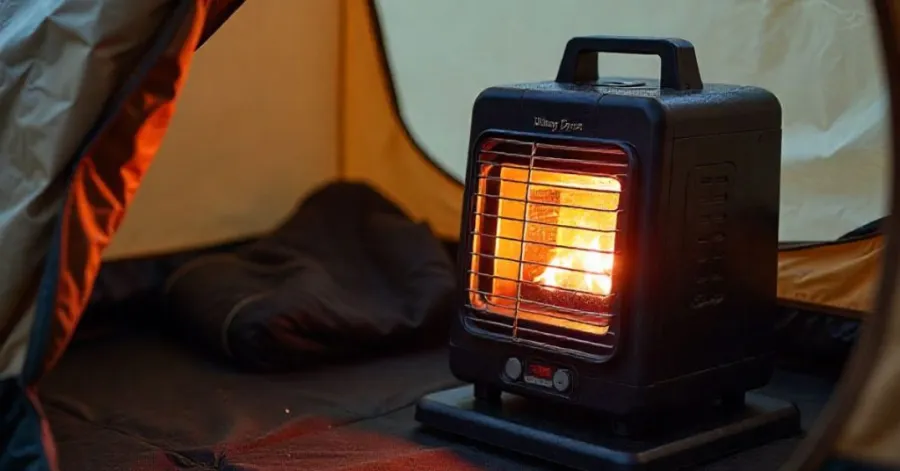
Thinking about using a diesel heater for a tent? You can stay warm and cozy safely if you follow the right steps. Diesel heaters are effective for camping or cold-weather adventures, but safety is key. Proper setup, careful placement, and attention to ventilation make all the difference. By taking a few simple precautions, you can enjoy reliable heat without worry. From keeping flammable items away to monitoring the heater while it’s running, small actions ensure a safe experience. With the right approach, your tent can stay comfortably warm, and you can relax with confidence all night long.
Safety Risks of Using Diesel Heaters in Tents
Using a diesel heater in your tent can make winter camping much more comfortable. However, it’s important to understand the potential risks. Knowing these hazards will help you stay safe while keeping your tent warm.
Carbon Monoxide Risk from Diesel Heaters
Carbon monoxide is an invisible, odorless gas produced by burning diesel. Breathing too much can be extremely dangerous and even life-threatening.
To stay safe:
- Always place the heater outside the tent.
- Use a duct to channel warm air inside.
- Choose safe diesel heaters for tents with heat exchangers to separate exhaust from warm air.
Never run a heater inside your tent without proper ventilation.
Fire Risk When Using Diesel Heaters
Diesel heaters are hot when they are running. They can also lead to fires, particularly when they are placed near tents or equipment, provided that they are near clothing or sleeping bags.
Prevent fire hazards by:
- Storing the heater at a distance outside the tent.
- Ensuring that there are no obstructions to the ducts of air.
- Be sure that there is no contact between the exhaust pipe and the tent cloth.
- An additional plot of land can help avoid accidents and make your camping site safe.
Burn Risks from Hot Heater Surfaces
The metal parts and exhaust of a diesel heater become extremely hot, posing a burn risk to anyone nearby, especially children and pets.
Safety tips include:
- Position the heater where it cannot be accidentally touched.
- Warn everyone about the hot parts.
- Let the heater cool before moving or packing it.
Fuel Leak Risks from Improper Use
In case of loose fuel lines or tank toppling, diesel fuel may spill over. Leaks are a fire risk and may ruin your equipment.
To prevent leaks:
- See the fuel lines, then turn on the heater.
- Put the heater on a firm and steady surface.
- Do not refuel with the heater on.
- Clean spills as they occur.
With these precautions, you can be warm and comfortable in your tent even on freezing nights. Even diesel heaters in the large tents would be safe and provide effective heating when operated in a proper fashion.
How to Use Diesel Heaters Safely in Tents
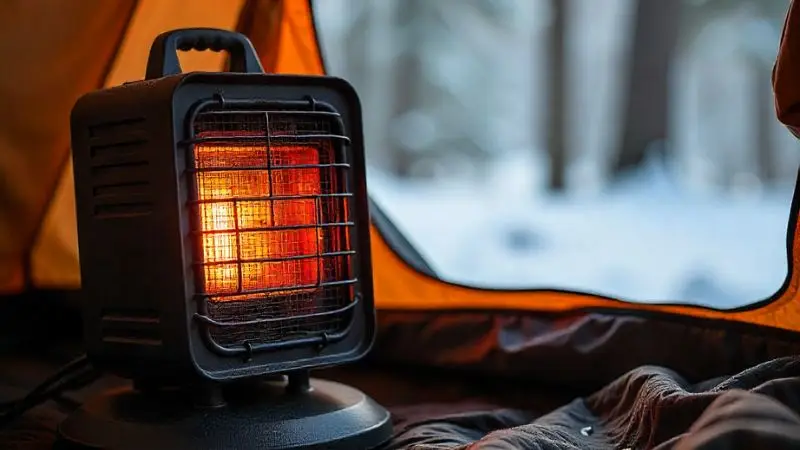
Winter camping can be made much more comfortable with the help of a diesel heater, but safety must precede this. To remain risk-free and be warm, an appropriate installation, proper use, and appropriate accessories are required. Knowing the major safety precautions, you will be able to avoid accidents, prevent contact with carbon monoxide, and keep your tent safe against fire dangers. With some easy guidelines, one can have a comfortable and secure camping even during the snowiest times. Selecting the most appropriate diesel heater for winter camping will provide you with high-quality heat and keep you and your company safe during the journey.
Install Diesel Heaters Outside the Tent Safely
It is important to make sure you warm up your diesel heater outside the tent. Move all the heat and exhaust gases outside the sleeping quarters through a flexible air duct to run the warm air inside. Ensure that the duct is not twisted and blocked. It is advisable to put the heater on a level and stable surface to minimize the chances of tipping or leakage of fuel. Select an area with no flammables that is dry. Before switching the heater on, check every fuel line and all connections. It is also important to read the instructions of the manufacturer, and each of the models can require certain setups. This is to give you a secure and efficient heating system.
Operate Diesel Heaters Safely During Winter Camping
Once your diesel heater is running, safe operation is critical. Never leave the heater unattended, and watch for unusual noises or fuel smells. Keep all clothing, sleeping bags, and other gear away from the heater and air duct. Slightly open a vent or window to allow fresh air, preventing carbon monoxide buildup. Make sure the exhaust pipe points away from your tent and remains unobstructed. Always turn off the heater before refueling, and teach everyone in your group how to use it safely. If you feel dizzy, sleepy, or get a headache, move outside immediately, as these are signs of carbon monoxide exposure.
Use Safety Accessories to Protect the Tent and Campers
To use a diesel heater, it makes sense to add several accessories to work more safely. Another device is a carbon monoxide detector that notifies you that the air in your sleeping area is hazardous. There is a low oxygen sensor that will alert in case the air in the tent has become thin. They will have a fire extinguisher to deal with small fires quickly and a heat-resistant mat to ensure that the ground under the heater is not overheated. Ensure that all safety equipment is packed up on a trip beforehand, change batteries, and verify that alarms are working. These precautions will enable you to have a warm tent. Large tent heaters are efficient and safe heating systems used to heat large tents during prolonged winter camping trips.
Common Mistakes to Avoid When Using a Diesel Heater in Tents
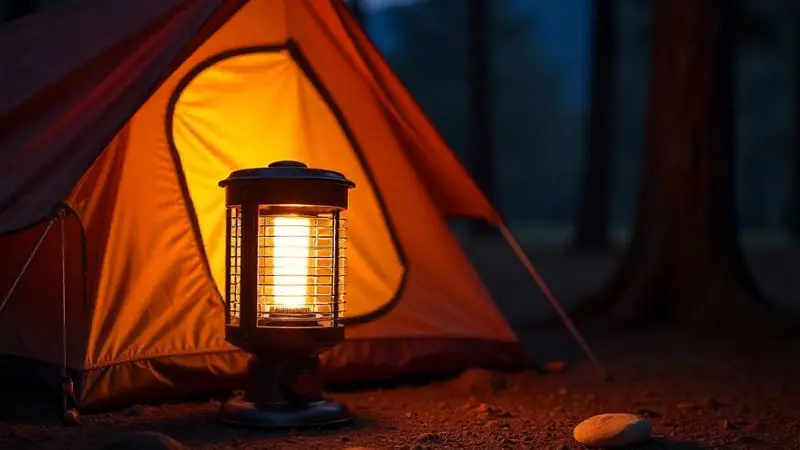
Keeping your tent warm and safe during winter camping requires proper use of a diesel heater. Small mistakes can quickly turn into serious problems. By understanding the most common errors, you can enjoy your trip safely and stay cozy all night.
Mistake 1: Buying Cheap or Uncertified Diesel Heater Models
Choosing a diesel heater based on price alone can be risky. Cheap, uncertified models often skip important safety tests and may have poor wiring or weak parts. These heaters are more likely to break down or even catch fire.
To stay safe:
- Always choose a certified diesel heater with proper safety labels.
- Read customer reviews before purchasing.
- Invest in quality models that are designed for safe diesel heaters for tents.
Mistake 2: Blocking Ventilation or Exhaust
Proper airflow is essential for a diesel heater to work safely. Blocking vents or the exhaust pipe can cause dangerous gases to build up, increasing the risk of carbon monoxide poisoning. Snow, gear, or other obstacles can accidentally block airflow.
Simple steps to prevent this:
- Check the exhaust pipe each morning before using the heater.
- Keep vents open, even when it feels cold.
- Move gear and sleeping bags away from the heater and air duct.
Mistake 3: Refueling While Heater Is Running
It is highly dangerous to refuel a running diesel heater. Hot components may burn fuel, resulting in fire, spillage, or damage to your camping gear.
Safe practice:
- Always make sure you switch off the heater, then add fuel.
- It is better to leave the heater to cool and then refuel.
- Stakeholders fuel to ensure spillages are avoided.
Mistake 4: Ignoring Unusual Smells or Noises
Strange odors or sounds from your heater often indicate problems, such as fuel leaks or broken parts. Ignoring these signs can lead to fire hazards or gas leaks.
Watch for warning signs:
- Fuel smell – turn off the heater and check for leaks.
- Loud noises – inspect for loose or damaged parts.
- Smoke – stop use immediately and check the exhaust.
By avoiding these common mistakes, you can use your diesel heater safely and enjoy a warm, comfortable tent during winter camping. Choosing the best diesel heater for winter camping helps prevent these issues and ensures safe, reliable heat throughout your trip.
Maintenance Tips to Keep Diesel Heaters Safe
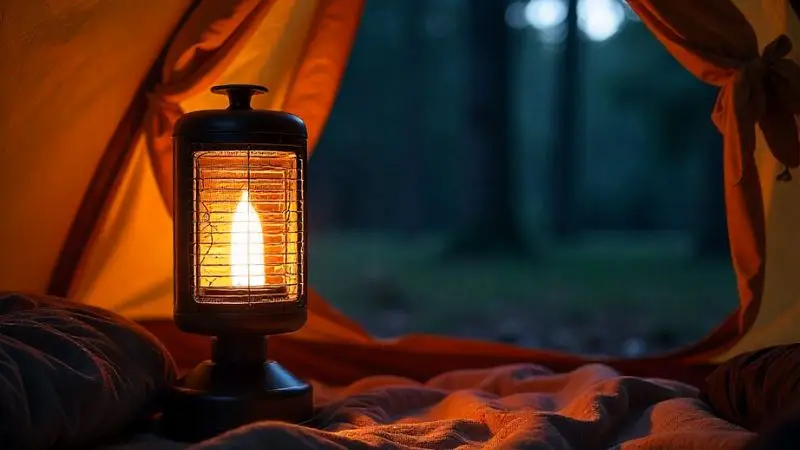
When maintained correctly, your diesel heater will deliver safe and reliable heat on all camping occasions. With routine servicing, your heater will last longer and run efficiently. Be it a small tent you are using or a big tent with diesel heaters, it can be easy to avoid breakdown accidents and disasters when you follow a few easy steps. With a clean and well-maintained heater, you have a warm tent without posing a risk of fire or exposure to carbon monoxide.
Clean Air Filters and Exhaust Pipes Regularly
Dust, dirt, and debris can accumulate quickly, especially when camping in windy or sandy areas. Dirty air and fuel filters make the heater work harder and may even cause it to shut down. The exhaust pipe can also become blocked by soot or debris, reducing airflow and creating safety hazards.
To maintain optimal performance:
- Check air and fuel filters before each trip.
- Clean or replace dirty filters as needed.
- Brush out soot or debris from the exhaust pipe.
Regular cleaning keeps air flowing and lowers the risk of fire while improving heating efficiency.
Inspect Diesel Heater Before Each Trip
Identifying the issues before leaving the house ensures that you do not get into a problematic situation during your camping exercise. Before packing your diesel heater, always check it. Search for loose wires, broken hoses, or fuel leakage. Check that every screw and clamp is firmly in place, and at home, test the heater to be certain that it starts and is able to run without problems.
Inspection checklist:
- Check for fuel leaks.
- Check connections and wires.
- Test for unusual noises.
- Ensure that there is nothing that blocks the air duct.
Minutes will be saved, stress can be avoided, and even danger can be eliminated by conducting a rapid pre-trip check.
Seasonal Storage and End-of-Use Maintenance
Proper storage at the end of the camping season keeps your diesel heater in top condition. Drain any leftover fuel to prevent residue buildup. Wipe down the exterior to remove dirt, dust, and moisture. Store the heater in a dry, cool place, and cover it to keep out dust.
Steps for seasonal maintenance:
- Drain the fuel tank completely.
- Clean air and fuel filters before storage.
- Wipe down the heater thoroughly.
- Cover and store in a dry, safe location.
Following these maintenance steps ensures your heater stays safe, reliable, and ready for the next winter camping adventure. A little care now prevents bigger problems later and keeps your tent warm with the best diesel heater for winter camping.
Wrap up
Using a diesel heater can make winter camping warm and comfortable, but safety is essential. Always place the heater outside your tent, use a duct for warm air, and keep the exhaust clear. Check fuel lines, clean filters, and inspect your heater before every trip. Teach your group how to operate it safely and never leave it running unattended. Investing in a certified model ensures reliable heat and fewer risks. With proper setup, responsible use, and basic maintenance, diesel heaters for large tents or small tents provide safe, cozy warmth, making your camping trips enjoyable and worry-free.
FAQ
Is it possible to sleep when the diesel heater is on?
It’s possible to sleep with the heater on, provided that you position and install it outside your tent on a duct. Always apply a carbon monoxide detector as an added precaution. Check your setup before bed.
What is the amount of diesel fuel that a heater consumes at night?
There is a majority of small diesel heaters that utilize around 0.1 to 0.2 gallons per hour. One to two gallons may be required of you in a whole night. Be sure to look at the heater manual with definite numbers.
Will a diesel heater stink up my tent?
It should not smell of the diesel heater that is installed properly in your tent. Install the heater outdoors and cover the duct. In the event that there is a strong smell, inspect it to find out whether it is leaking or blocked.
How big a diesel heater will I require in my tent?
Select a heater depending on the size of your tent. In the case of a small tent, a 2kW heater is suitable. A 5kW model might be required in bigger tents. Review the requirements of the heater prior to purchase.
Should I vent my tent in the event that I am using a diesel heater?
Yes! Always make a little hole or a window open. Fresh air will keep you safe and prevent carbon monoxide buildup.