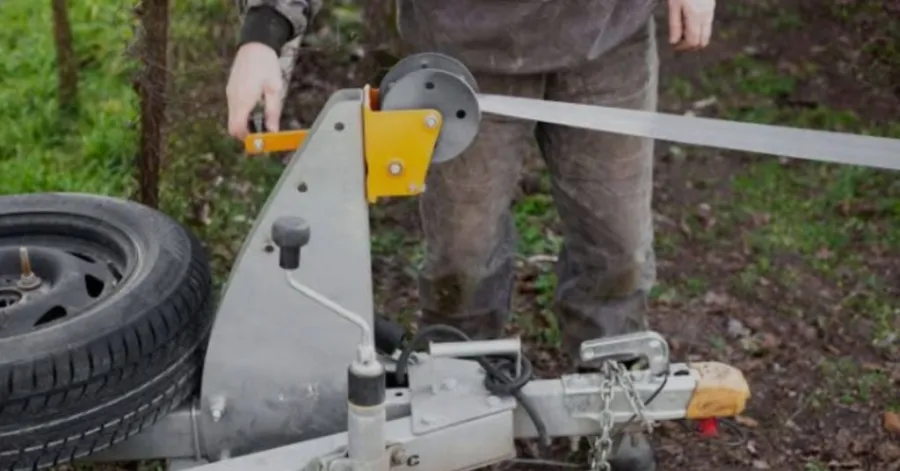
Ever wondered how to mount a winch to a trailer without stress or confusion? You’re not alone — it’s easier than you think! With the right tools, a clear plan, and a bit of confidence, you can set up your winch or electric hoist safely in no time. This simple guide walks you through everything — from preparing your trailer and choosing the best mounting position to securing your winch for smooth, reliable use. Whether it’s for hauling, lifting, or recovery, the right setup keeps your trailer safe and ready for action. Let’s make winch mounting simple, smart, and completely hassle-free!
What You’ll Need Before Mounting a Winch
Before you begin your step-by-step guide to mounting a winch on a trailer, it’s important to have all your tools and materials in place. Preparation makes the process faster, safer, and helps you avoid unnecessary breaks. Let’s look at what you’ll need and how to choose the perfect spot for your winch.
Essential Tools and Materials
The availability of the right tools makes the process of setting up smooth. Your trailer winch installation requires the following:
- Winch (based on the trailer load capacity)
- Plate or winch mount kit.
- Drill and drill bit
- Wrenches and socket set
- Measuring tape
- Marker or chalk
- Bolts, nuts, and washers
- Safety glasses and gloves
- Power cables and connectors
- Battery or power source
You should prepare everything first, which would make you organized and avoid being interrupted during the installation. Ensure that your winch kit comes with all the hardware you need- otherwise, buy the correct mounting bolts and washers already.
How to Find the Perfect Mounting Spot
The right location is the secret to an effective and powerful installation. The most familiar method of attaching a winch to the trailer frame is to do it at the front, towards the tongue. This mount enables a direct pulling line, less transmission friction in the cable, and better control.
When fitting a winch in a boat trailer or aluminum trailer, make sure the surface is level and strong enough to sustain a lot of tension. In case your trailer does not have a dedicated winch plate, it is a good idea to install a forcesome steel/aluminum backing plate, which will give it more support.
Remember accessibility- you need to access the controls without creeping over the trailer. A winch in the right position is not only safe but also convenient, particularly when it is used to transport large items.
Step-by-Step Guide to Mounting a Winch on Your Trailer
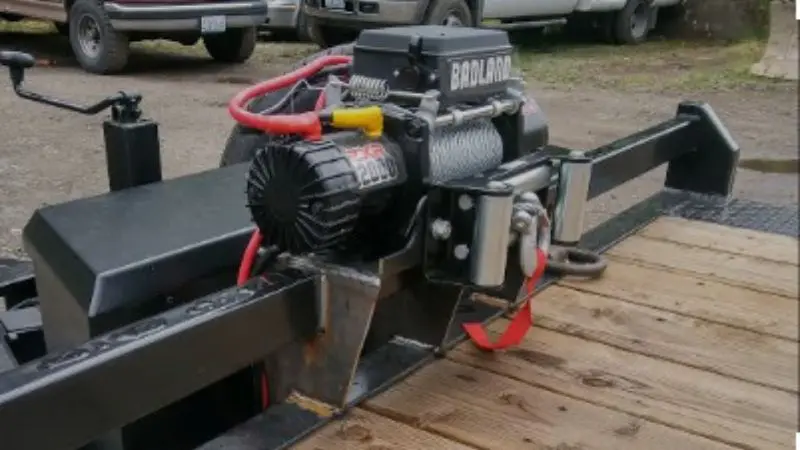
Ready to take on this project? This is a step-by-step tutorial on installing a winch to a trailer that will enable you to safely and easily mount your winch or electric hoist. You may be just learning how to install a winch on an aluminium trailer, or you may be upgrading an existing one, but either way, these steps are more than sufficient to provide a powerful, dependable installation. It is time to begin and ensure your trailer winch installation is successful.
Step 1: Position the Mounting Plate Correctly
Begin by identifying the best location for your winch. A winch can be most easily installed on a trailer frame at the point closest to the tongue and provides a straight, even pull, which will lower cable wear. Lay the mounting plate flat on the solid part that you had selected. Ensure that it is kept even with the frame of the trailer to make sure that the winch is in a forward position. This alignment prevents physical entanglement and provides uniform performance. Always ensure that the controls are in easy reach. Good placement means that you operate your winch comfortably, safely, and efficiently.
Step 2: Drill the Mounting Holes Safely
After drilling marks on your drills, you now need to drill the mounting holes. Wear gloves and safety glasses, and then do the drilling. You have to use a drill bit that corresponds to your bolt size and do it gradually to be precise. When the metal of the trailer is thick, put a minor oil to cut well. As in the case of drilling, always look under the trailer to see whether there are wires or brake lines. The metal shavings should also be cleaned up. The time spent in this step is necessary so that your winch as a trailer installation is safe and accurate, and that it is well-mounted.
Step 3: Secure the Mounting Plate Firmly
And now it is time to secure it all. Fit the mounting plate with the holes that you have drilled and insert bolts into the holes. Insert washers and nuts on the rest of the side to ensure stability. Tighten all the bolts in an even manner using a socket set or a wrench. In case the frame of your trailer is thin, provide it with a supporting second plate to make the pulling load even. Make sure that the plate becomes solid and does not vibrate. A winch should be mounted on a safe base to the boat trailer or any type of trailer- it ensures durability and strength.
Step 4: Mount the Winch onto the Plate
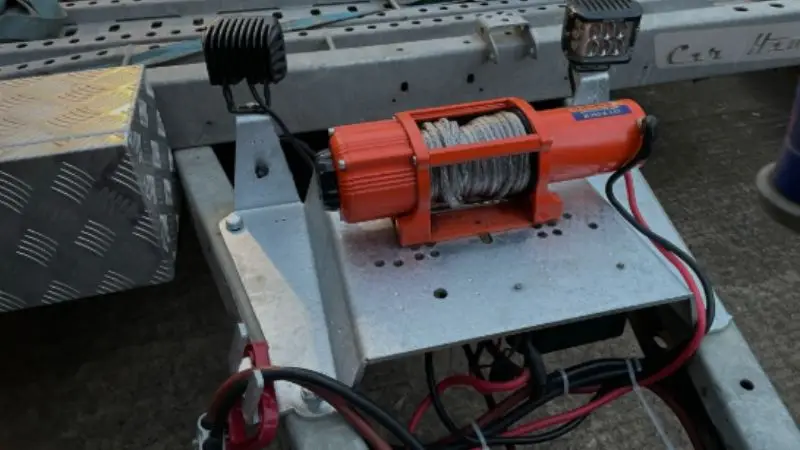
With the plate secure, you can now attach the winch itself. Lift it carefully and line up its mounting holes with the plate’s holes. Insert the provided bolts and tighten them gradually in a cross pattern for even pressure. Don’t overtighten, but make sure nothing wiggles or shifts. This step is crucial when learning how to install a winch on an aluminum trailer, as even pressure prevents damage to lighter materials. If your winch is heavy, ask for help to keep things steady. A properly mounted winch ensures safe and effortless operation every time.
Step 5: Connect the Power Source Properly
The winch will be connected to its power supply. The majority of winches have a 12V battery that is installed close to the area, but not in the water. Connect the positive cable with the positive terminal of the battery, and the negative cable with the negative terminal. Install proper connectors and do not put cables near sharp edges or moving parts. Clamp them down or tie them with zippers. Never wire and connect the battery before wiring, to prevent electric shocks. It is important to do this step so that your winch gets steady power, and hence your trailer winch tips and tricks can be as useful and safe to use every time.
Step 6: Test the Winch for Smooth Operation
Now comes the moment of truth—testing your new setup. Reconnect the battery and stand clear of the winch line. Use the switch or remote to spool the cable in and out, checking for smooth, steady motion. Listen for any unusual sounds and make sure the winch pulls straight without slack or jerks. Start with a light load to confirm everything works perfectly. Once you’re satisfied, your mounting a winch on boat trailer or any trailer project is complete. You’ve mastered how to install, align, and power a winch safely and efficiently.
Smart Safety Practices for Using Your Winch
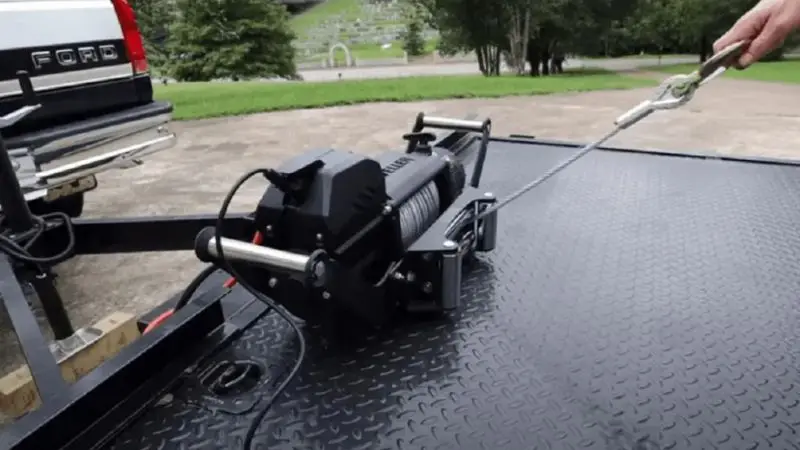
When using the winch, the first thing is always safety. Whether you are trying to figure out how to install a winch to a trailer frame correctly or are already using one almost every day, some precautions will help avoid injuries and keep your equipment in good condition. Wearing gloves, checking your cables, and every other habit help to make sure your winch or electric hoist is operating safely and has a long lifespan. These are the key safety precautions that we will look into in order to make sure that you can operate your trailer winch worry-free at all times.
- Protect Your Hands with Proper Gloves
Always wear durable gloves when handling winch cables. These cables often have tiny, sharp strands that can easily cause cuts or punctures. Leather gloves are ideal—they provide great grip and protection from hidden wire ends. This step might seem small, but it’s one of the most important trailer winch installation tips and tricks for personal safety. Keeping your hands safe ensures you stay focused on the job and reduces the risk of injury, especially when guiding or spooling the cable after heavy use.
- Stay Clear of the Winch Line
When operating your winch, always stand clear of the cable, especially while it’s under tension. If the line snaps, it can recoil with incredible force, leading to serious injury. Maintain a safe distance and keep others away from the line during use.
- Stand several feet to the side of the cable.
- Warn anyone nearby to step back.
- Use the remote control for added safety.
Staying alert and maintaining distance ensures safe operation while following your step-by-step guide to mount a winch on a trailer.
- Inspect the Cable Before Every Use
Check your winch cable prior to every pull. Find frays, rust, or kinks–an indication that the cable would give way when it was under pressure. A broken cable may snap instantly and result in injuries. Frequent checkups will ensure that your winch is safe and efficient.
- Replacement of any cable that is worn or corroded.
- Always maintain the winch drum in a clean state.
- Cables of stores should be stored away.
Regular inspections are essential in attaching a winch to a boat trailer and ensuring stability in the long term. It is better to prevent rather than to cure.
- Respect the Winch’s Weight Limit
Every winch has a rated pulling capacity—never exceed it. Overloading the system can damage the motor, strain the cables, or bend the mounting plate. Always check your winch’s manual to know its safe working limits.
- Weigh your load before towing or pulling.
- Avoid exceeding the maximum winch rating.
- Use extra equipment if handling heavier loads.
Understanding how to install a winch on an aluminum trailer also means knowing your limits. Following manufacturer guidelines protects both you and your trailer setup from unnecessary damage or risk.
Common Mistakes to Avoid When Mounting a Winch
Even with the best step-by-step guide to mount a winch on a trailer, small mistakes can cause big issues later. Paying attention to details during installation helps you avoid safety risks and equipment damage. Whether you’re learning how to install a winch on an aluminum trailer or working on mounting a winch on a boat trailer, steering clear of these errors ensures smoother operation and longer winch life.
Mistake #1: Mounting Your Winch on a Weak Surface
The incorrect location of the mounting may destroy your installation. Do not use your winch to attach in areas of thinness, rust, or flexibility on the trailer. Under tension, these points can be bent and/or torn, which becomes unsafe. Always select a strong piece of metal on the front of the trailer as the most effective means of attaching a winch to the trailer frame to make it strong and durable. Tap the surface with a wrench, and, in case it sounds hollow, locate a firmer spot. A durable foundation helps to avoid movement, fractures, and damage during vigorous pulling.
Mistake #2: Skipping the Reinforcement Plate
Skipping the reinforcement plate might seem like a shortcut, but it weakens your entire setup. The plate spreads the pulling force evenly and prevents bolts from ripping through the trailer’s frame. Without it, your winch or electric hoist could loosen or detach while in use. Always use a reinforcement plate if your trailer’s metal is thin or flexible. You can purchase a universal plate at most hardware stores. Including this step makes your installation sturdier and ensures your trailer winch installation tips and tricks pay off with long-lasting strength.
Mistake #3: Leaving Wires Loose or Poorly Grounded
Loose or ungrounded wires can cause serious problems—from winch failure to electrical sparks. Always tighten every connection and secure wires neatly using zip ties or clamps. Make sure the ground wire connects to bare metal for a strong electrical path. Poor wiring often leads to inconsistent power or complete malfunction. After setup, test your winch by spooling the cable in and out before heavy use. Proper wiring not only keeps your winch reliable but also ensures a safe installation when following how to install a winch on an aluminum trailer guides.
Wrap Up
Installing a winch doesn’t have to feel complicated. By following this step-by-step guide on how to mount a winch on a trailer, you can complete the job safely and efficiently. Remember to choose a solid mounting spot, use reinforcement plates, and double-check your wiring for secure performance. Whether you’re mounting a winch on a boat trailer or learning how to install a winch on an aluminum trailer, preparation and precision make all the difference. Take your time, follow each step carefully, and enjoy the confidence of knowing your winch is ready for every adventure ahead.
FAQ
How do you get to know whether your trailer will support a winch?
Test the frame of your trailer. Find hard, dense metal at the place of mounting. In case you can see rust or thin metal, add a reinforcement plate. Weight limits can also be in the manual of your trailer.
Is it possible to install a winch without a mounting plate?
A mounting plate is required. The plate disperses the force of pulling and prevents the tearing of bolts through the trailer. In case your trailer only has one, you can purchase a universal plate at the majority of hardware stores.
What will be the size of the winch to run on your trailer?
Select a winch with a minimum weight rating of 1.5 times the weight that you intend to pull. Say you have a load of 2,000 pounds, then you will select a winch with a rating of 3,000 pounds or above.
When you are wiring the winch, do you have to disconnect the battery?
Yes, never wire the battery before unplugging it. This ensures that you are not shocked, and there are no inadvertent short circuits. When you have finished all the wiring, reconnect the battery.