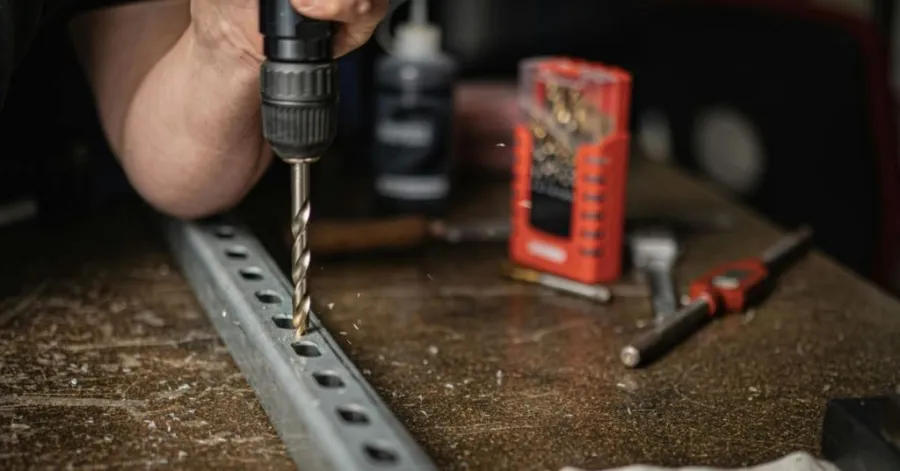
Safety always comes first when working with metal tools. Drilling holes in metal can seem tricky, but with patience, the right drill machine, and careful steps, it becomes simple and rewarding. Start by preparing your workspace, wearing safety goggles, and keeping your tools clean and ready. Always take your time — rushing can lead to mistakes or injuries. With steady hands and attention to detail, you’ll get clean, precise holes every time. When done correctly, drilling into metal isn’t just safe — it’s satisfying and fun, giving you the confidence to take on any DIY or repair project.
Essential Safety Steps Before Drilling Metal
The first thing you need to know before knowing how to put a clean hole in metal is safety. The movement of metal in a drilling process can create sparks, dust, and sharp shavings, which can cause injury unless one is ready. The use of proper safety gear, preparation of a stable work environment, and proper use of your drill is a guarantee that drilling will go smoothly and safely. Simple precautions will help you to avoid accidents and make the holes in metal clean and more accurate. The first thing to begin with is learning how to prepare before you can switch on your drill.
- Protect Your Eyes and Hands Before Drilling
You should start by protecting your eyes and hands against the pieces of metal that are flying through. It is always advisable to wear strong safety glasses to protect against sharp objects and dust. Wear gloves that fit well to ensure that, in the process of handling your tools, you have a tight grip without getting cuts or scratches. Do not use loose gloves; they can become trapped in fast-moving pieces of the drills and become injured. Check your safety equipment periodically, and have materials such as ripped gloves or broken glasses. The correct protection guarantees your ease and safety since you learn to drill a clean hole in metal without putting your safety at risk.
- Prepare and Organize Your Metal Drilling Workspace
Clean a clean and organized workspace before beginning any drilling activity. Clean up and make sure your table or bench is sturdy, solid, and bright. Good lighting allows you to visualize the metal surface well, and this makes your work more accurate. Have all the tools you need right there and put the cords in order to prevent tripping and twisting. When you are drilling such huge metal parts, you can use clamps or a vise to ensure that they stand still. More than avoiding accidents, having a proper workspace also simplifies each process of a step-by-step guide to metal drilling, making it easier and less time-consuming.
- Handle Your Drill Safely and Use the Right Technique
It is important to know what drill bit to drill the metal and how to use your drill in order to have safe and clean results. Always believe that you should keep the drill in your hands to ensure that there is total control and that your fingers do not get close to the spinning part. Before changing bits, ensure that the drill machine is completely off and that all bits are straight and firmly fixed. Do not overwork the drill–just allow it to go. Considering that it gets stuck, then cease, wipe off the bit, and clean up whatever is left. Safe handling will minimise the chances of getting injured and guarantee clean holes with precision.
Essential Tools and Equipment for Drilling Metal
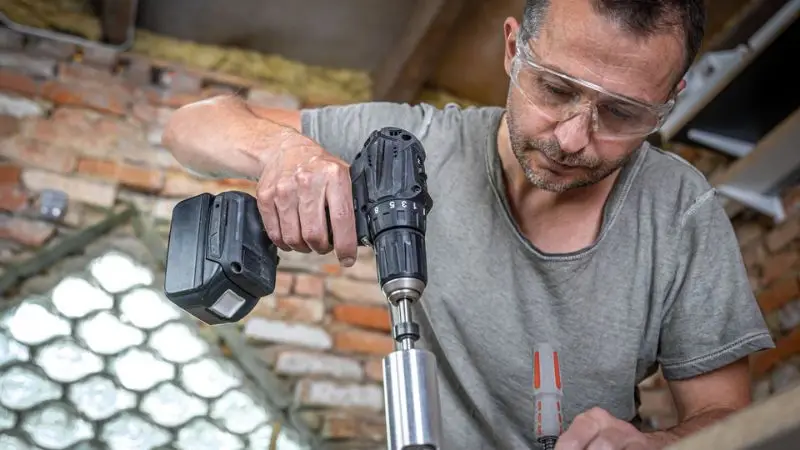
Before starting to know how to drill a clean hole in metal, you must first ensure that you have all the tools and equipment that you need to do it. This saves time and makes you work efficiently and safely, as well as having everything ready. The appropriate installation will make drilling without any trouble and avoid the situation when you are interrupted by any delays. All the tools are important in simplifying your metal drilling project, cleaning it up, and making it more accurate.
How to Choose the Right Drill for Metal Projects
The most significant and the first one is the drill itself. The corded drill offers uniform power, which is suitable for more demanding or extended work, whereas the cordless drill offers versatility when carrying out smaller work or in constrained areas. Select one that fits your workspace and project size. Ensure that your drill is working well before use, and that the chuck has bits. You may use a nice drill, whether working on thin sheets or on thick metal plates; you will assure yourself that a clean, accurate hole will come out every time.
Quick Pick:
- Corded drill – most effective in constant strength.
- Cordless drill – ideal in terms of flexibility and mobility.
How to Select the Correct Drill Bits for Metal
There is a great difference between using the right drill bit to cut metal and the wrong one. Most metal jobs are best handled with high-speed steel (HSS) drill bits, which cut without a lot of effort and last longer than cutting. With more difficult metals, get bits coated with cobalt or titanium. Always select the drill bit to the size of your holes. Before use, check each bit; dull bits will produce a cleaner hole and will take less strain on your drill. It is recommended to use the right drill bit in order to avoid overworking the bit and to provide a clean and smooth finish as well.
Recommended Choices:
- HSS bits – for most metal types.
- Cobalt bits- to drill harder materials.
- Titanium-plated bits – to preserve long-life sharpness.
How to Use a Center Punch for Accurate Drilling Points
A center punch is a small but essential tool when following a step-by-step guide to drilling metal. It helps you mark the exact drilling point by creating a tiny dent in the metal surface. This prevents the drill bit from slipping and keeps your hole perfectly aligned. Hold the punch firmly and strike it lightly with a hammer to create the mark before drilling. This simple step ensures your drill starts in the right spot, saving you from uneven or misplaced holes that can affect your project’s accuracy.
Benefits of a Center Punch:
- Keeps the drill bit steady.
- Improves hole accuracy.
- Prevents slipping during drilling.
How to Secure the Metal with Clamps or a Vise
Have you ever asked why my drill does not cut through a piece of metal?–it may be that your part is not still. It is necessary to clamp the metal to ensure its safety and accuracy. Clamp your material firmly using a strong clamp or a strong vise. This helps to avoid vibration and slipping during drilling. You should always ensure that your metal is secure before switching on the drill. Holding onto your work does not just leave a cleaner hole, but it also maintains a hole free of damage to your tools and hands.
Useful Tools:
- Bench vise- with firm, fixed grip.
- Metal clamps- on small pieces or loose ones.
How to Apply Lubricant for Smooth Drilling
Lubrication is one of the most overlooked steps when drilling metal. Using cutting oil or another lubricant cools the drill bit and reduces friction. This helps the bit move smoothly through the metal and prevents overheating. Apply a small amount of lubricant to the drilling area before you start and reapply during longer tasks if needed. Proper lubrication also extends the life of your drill bits and keeps your holes neat and polished.
Lubrication Tips:
- Use cutting oil for steel or iron.
- Apply light machine oil for softer metals.
How to Measure and Mark Your Drilling Spots
When drilling metal, it is essential to have accurate measurements. Indicate your points of drilling with the help of a ruler, a tape measure, or a metal scribe. This makes sure that you have your holes in the appropriate places. Be careful with your notations when drilling, particularly on precise-cut projects such as metal frames or fittings. Having a small brush at hand to remove the shavings of metal also serves you well in regard to the clarity of the working space. When you measure and take the correct setup, you will have clean and accurate holes each time you drill.
Measuring Tools:
- Steel ruler – for exact lines.
- Tape measure- when working with bigger ones.
- Metal marker – to make accurate markings.
Step-by-Step Guide to Drilling Metal
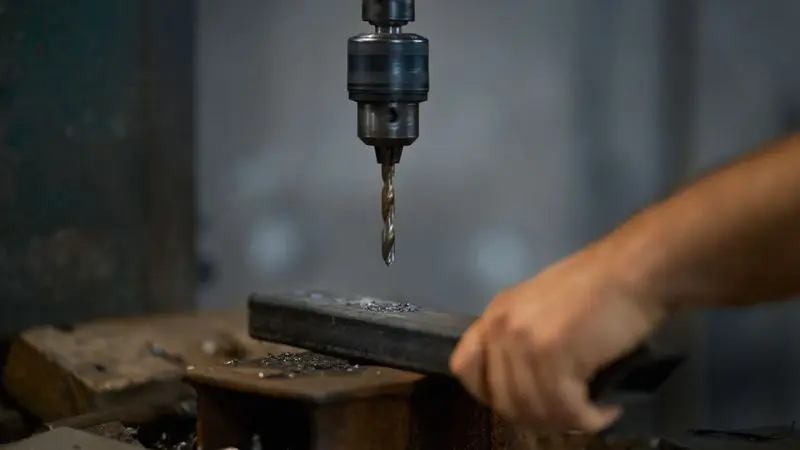
Drilling metal may seem challenging, but with the right tools, steady control, and safe technique, you can create smooth, precise holes every time. This step-by-step guide to drilling metal walks you through each stage clearly — from marking your spot to finishing your hole. Whether you’re a beginner or brushing up on technique, following these steps will help you avoid mistakes and achieve professional-looking results.
Step 1: Mark and Center the Hole Accurately
Start by marking the exact spot where you want to drill. Use a ruler or tape measure to ensure accuracy, then place a center punch on the mark and give it a light tap with a hammer. This dent acts as a guide, preventing the drill bit from slipping across the metal surface. Proper marking is the foundation of how to drill a clean hole in metal, ensuring your hole starts exactly where it should. Always double-check your markings before you drill for the best results. A clear mark and center dent make your drilling smoother and more controlled.
Step 2: Secure the Metal Piece Firmly
Clamp or lock your metal piece firmly before you start drilling. This discourages any form of movement that might result in lumpy holes or even inflict injuries. A stable surface maintains the position of your drill and enhances accuracy in the course of work. Always check the grip and never drill until you are sure that your metal does not move once you exert some light pressure. Holding your work frame firmly not only makes drilling easier, but also causes less wear on your drill bit, and less error when working with harder materials. Always avoid drilling unclamped metal.
Step 3: Choose the Right Drill Bit for Metal
Knowing what drill bit to use for drilling metal is key to clean, accurate holes. High-speed steel (HSS) bits work well for most metals. For tougher metals like stainless steel, cobalt, or titanium, coated bits are more durable. Always match the drill bit size to the hole you need, and inspect the bit for any signs of dullness or damage. Sharp bits cut faster and more efficiently, reducing heat and friction. Using the correct bit ensures that your drill performs smoothly and helps prevent the common problem of why my drill won’t go through metal.
Step 4: Adjust the Drill Speed Correctly
It is important to set the appropriate drill speed so that the results will be clean and safe. Excessively high speed of drilling may overheat the bit and destroy the metal surface. Drill harder metals at low to medium speeds and at steady and controlled pressure. A slow drill gives you more control and less friction, causing bits to be broken. You need to take a scrap piece of metal and first test your drill on it before you begin your project, so that you can locate the appropriate speed balance. This step will make you sure that you are able to drill exactly and not make any mistakes because of overheating or slipping. Gradual and constant drilling always results in cleaner holes.
Step 5: Apply Lubricant to Reduce Friction
A lubricating agent is required to ease the drilling process and to protect the tools. You can use a couple of drops of cutting oil or any other lubricant material on the drilling location beforehand. This maintains the drill bit cool, reduces friction, and ensures that the metal does not become hot. In case of smoke or squeaking, stop and put on lubricant again. Lubricating your bits every now and then will make them last longer and also make the drilling process smoother. It is a very easy measure that can easily enhance your outcome when a step-by-step guide to drilling metal is given. Sharp bits are cut more easily and remain sharper.
Step 6: Start Drilling Slowly and Steadily
With both hands, insert your drill machine with the bit in the center of the punch mark. Begin with a gradual drill with the bit taking bites into the metal. Do not press too hard, but have the drill do the major part of the work. Speed and pressure increase gradually as the bit progresses deeper into the metal. Take frequent breaks to brush metal shavings and overheating off. Such a slow, gradual practice enables you to learn how to drill a clean hole in metal, and the results are smooth and even without causing damage to the work material or the tools you have. Have a little brush handy to wipe off the shavings.
Step 7: Enlarge the Hole If Needed
In case you require a bigger hole, start small and expand. Start with a smaller bit to form a pilot hole, then change to a bigger one by a steady drilling method. This eliminates the possibility of the bit grabbing or bouncing across the surface. It is advisable to work in shifts to keep everything under control and prevent warping or busting of the metal. When expanding holes, never forget to put some lubrication and appropriate speed to achieve cleaner and more professional effects. The progressive swelling maintains the hole smooth and accurate.
Step 8: Clean and Deburr the Finished Hole
After drilling, remove all the metal shavings with a small brush or cloth. Test the hole to smooth edges- rough edges can be smoothed by a deburring tool or metal file. This is necessary both in terms of looks and in terms of safety, since this will make your hole through the drill clear and smooth and ready to use. Sharp edges can also be eliminated by proper cleaning and deburring of the same. Using this last step will make your metal project look professional and nice, and you can see the step-by-step basics of drilling metal completed with this step. A clean hole is the mark of good, neat drilling.
Tips for Perfect Drilling in Metal
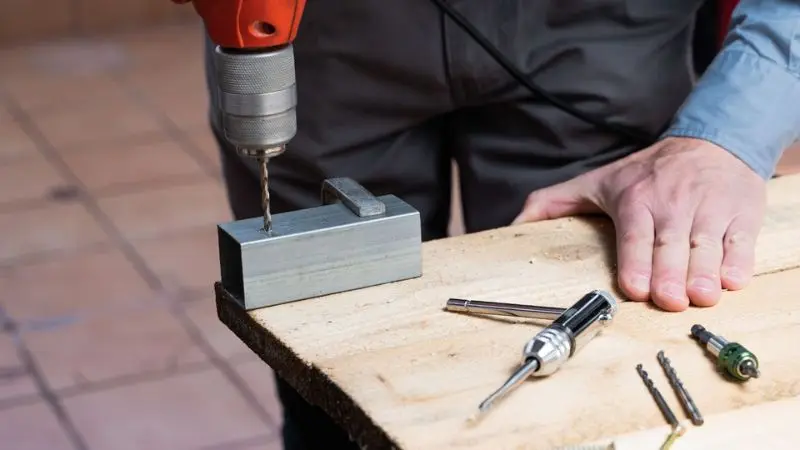
You can improve your drilling results with a few simple and practical habits. These small steps help you make smooth, accurate holes and protect your tools from damage. Before you begin, check your drill and bits carefully. Make sure the battery is charged or the cord is plugged in securely. Inspect the drill bit for sharpness and damage — a dull bit is one of the main reasons why my drill won’t go through metal smoothly.
- Always use a center punch to mark the drilling spot. It keeps the bit from slipping and helps you stay precise.
- Hold the drill straight and steady. Tilting it can make the hole uneven or damage the surface.
- Apply gentle, even pressure. Let the drill do most of the work; forcing it only overheats the bit and roughens the hole.
- Stop often to brush away metal shavings. This clears your workspace and prevents the bit from getting stuck.
- Use a small amount of cutting oil or lubricant. It cools the drill bit, reduces friction, and helps you learn how to drill a clean hole in metal safely.
If you’re working with thick metal, start with a small drill bit and then move to a larger one. This gradual drilling technique creates cleaner, rounder holes and prevents cracks. Knowing what drill bit to use for drilling metal makes your job easier and protects your tools from wear.
You can also practice on scrap metal before working on your main piece. It helps you feel how the drill behaves on different surfaces and speeds. If you see smoke or hear squeaking, stop immediately, reapply lubricant, and continue slowly. With patience, practice, and good preparation, you’ll notice your skills improving and your holes becoming smoother with every project.
Common Mistakes and How to Avoid Them
Everybody desires clean and sharp holes when dealing with metal. Nevertheless, even professionals are able to make minor mistakes leading to irregular holes, scratches, or scars. Awareness of what is to be avoided will assist you in drilling more comfortably and learn how to drill a clean hole into metal properly.
The most common mistakes are:
- Skipping the center punch. Unless you remember to land where you put the drill bit, it may slide into crooked or improper positions.
- Using the wrong drill bit. Never lose sight of the drill bit to be used in drilling metal. The ideal ones are high-speed steel bits, and the wood or masonry bits may either cut or ruin your metal.
- Drilling too fast. High speed can burn out the bit and the metal, making the edge dull, resulting in rough holes.
- Not securing your workpiece. When the metal drifts, you may have uneven holes, or even during drilling, you may get injured. Prefer to have the material clamped.
- Forgetting the lubricant. Leaving this step out will result in friction, heat, and premature wear to your drill bit.
Once you have good habits, it is easy to avoid these mistakes. Be able to make some more time before drilling.
- Have your point of drilling marked always clearly with a punch.
- Sharp and clean high-speed steel bits are used to drill smoothly.
- Increase the speed of your drill to a slower level.
- Shake your metal in place so that it does not slip.
- To ensure that everything is cool, pour cutting oil or lubricant in during and before drilling.
Using scrap metal will train you in the use of your tools and materials. You should not ignore your drill when it begins to smoke, squeak, or stall as a sign that something is wrong with your setup. Minor modifications make a huge difference when learning how to cut a clean hole in metal. You will also need patience and special care to get smoother finishes, increase the life of the tools, and achieve much better results on any project.
Wrap Up
Drilling holes in metal may seem tricky at first, but with the right tools, careful setup, and steady practice, anyone can do it well. Always start by marking your spot, using the right drill bit, and keeping your workpiece secure. Go slow, apply lubricant, and let the drill do the work. Avoid rushing or skipping steps, as small mistakes can damage your tools or project. With patience and care, you’ll get clean, smooth holes every time. Remember, safe and smart drilling is all about control, accuracy, and practice. The more you drill, the more confident and skilled you become.
FAQ
What type of drill bit works best for metal?
You should use high-speed steel (HSS) drill bits for most metals. For harder metals, cobalt or titanium-coated bits give better results. Always check the bit for sharpness before you start.
How do you keep the drill bit from slipping on metal?
Mark the spot with a center punch. Tap it lightly with a hammer. This small dent helps guide the drill bit and keeps it steady.
Can you drill stainless steel at home?
Yes, you can drill stainless steel at home. Use a sharp HSS or cobalt bit. Apply cutting oil and drill at a slow speed. Secure the metal tightly before you begin.
What should you do if the drill bit gets stuck?
Stop drilling right away. Reverse the drill slowly to back the bit out. If it stays stuck, remove the bit by hand. Never force the drill.