If yourYour floor jack won’t raise any more, spills oil or causes funny noise, you can do that by yourself. You can also be taught how to mend a floor jack without the assistance of a professional using a few tools and with only a few steps.
This guide will do all the work, starting with adding hydraulic oil until you have your floor jack operating like new again by changing valves.
How to identify issues in your floor jack
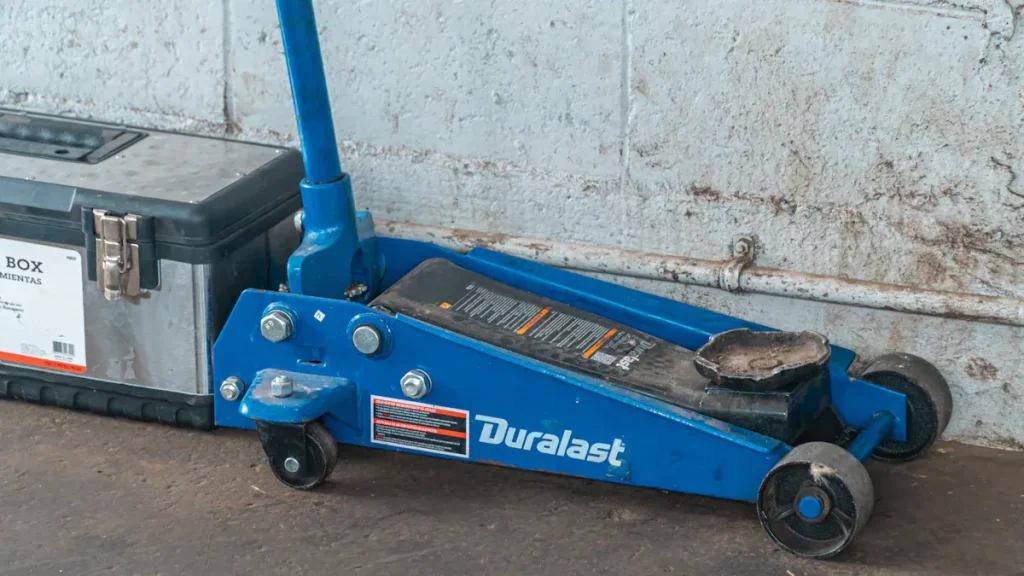
You may realize that your jack is not extending as much as you want, or that the handle becomes stuck back when you stand to raise it. Early identification of trouble can helpmake you work out how to fix a floor jack before things get out of control.
In some cases, there is an oil leak beneath the jack, or wheels begin to sound grindy and squeaky. In case of air entering the hydraulic system, frothy oil may appear.
Safety valves may remain open leaving the jack unresponsive. Obvious damage on the frame or even rams that are not moving can also be an indicator.
Here’s a quick list of symptoms you might see:
- Jack won’t lift or lower smoothly
- Oil leaks or puddles
- Handle jumps or kicks back
- Wheels make grinding or squeaky noises
- Frothy or bubbly oil
- Frame damage
- Rams don’t respond
If you notice any of these, you can start thinking about how to repair a floor jack at home. Checking these signs helps you decide what steps to take next.
Safety equipment for repairing your floor jack
Before you get started, safety comes first. You can wear safety goggles to protect your eyes. Gloves help keep your hands safe from oil and sharp edges.
Make sure your workspace has good ventilation, especially if you use cleaning products. Stay away from open flames or sparks, since hydraulic fluid can catch fire.
You might want to follow these steps before you begin:
- Check hydraulic fluid levels and top off if needed.
- Bleed the hydraulic system to remove trapped air.
- Inspect for leaks and replace any worn seals.
- Look for signs of contamination like air, debris, or water.
Taking these precautions makes repairing floor jack DIY projects safer and easier. If you follow these checks, you can feel confident about how to repair a floor jack without professional help.
How to repair a floor jack with DIY steps
Repairing your floor jack at home can feel easy when you break it down into simple steps. You do not need fancy tools or special skills. You just need patience and a clean workspace. Here’s how to repair a floor jack using basic methods.
Check lift capacity
Start by checking the lift capacity. You can find this information in your floor jack’s manual. Make sure you do not try to lift more than the jack’s rated weight.
Overloading can cause damage or sudden failure. If your jack struggles to lift, it might be low on hydraulic fluid or have worn seals. You might want to check for leaks or listen for odd noises. These signs often mean your jack needs attention.
Get Tools and Safety Gear
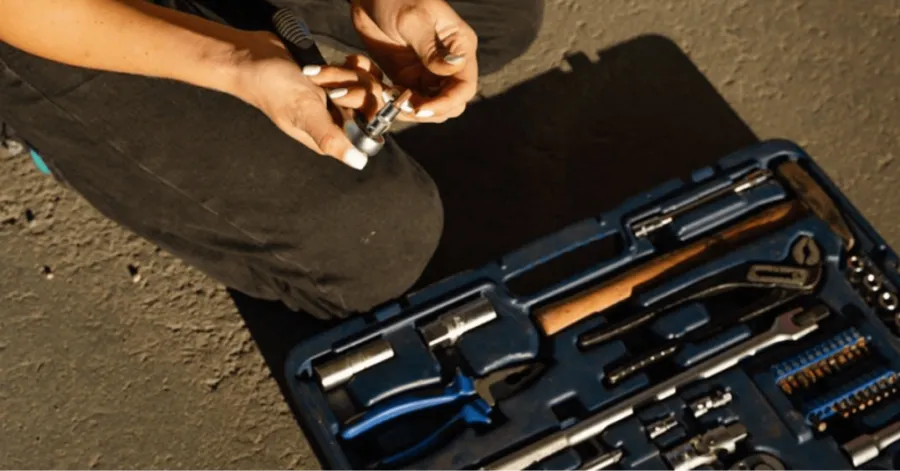
You do not need many tools for basic repairs. Here’s a list you might want to keep handy:
- Adjustable and fixed wrenches
- Pliers
- Socket sets
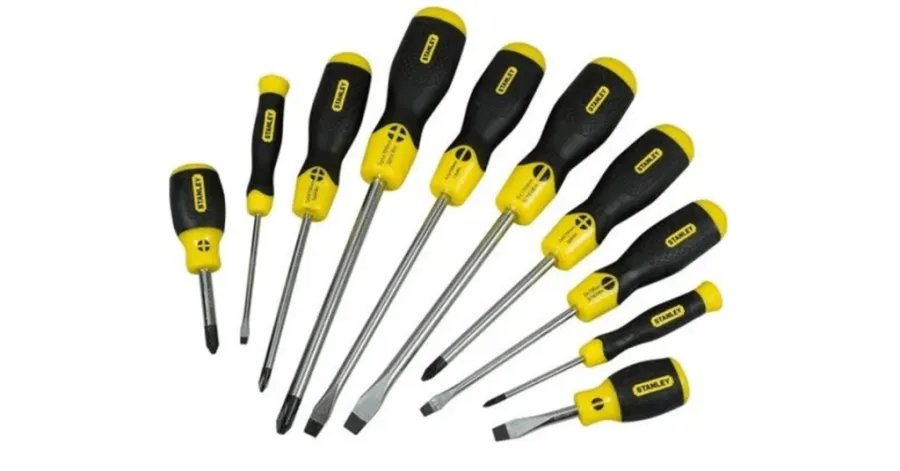
- Flathead and Philips screwdrivers
- Flashlight
- Replacement parts like seals, pistons, O-rings
Safety gear is important. You can wear goggles and gloves. Make sure your workspace has good airflow.
Add hydraulic fluid
Low hydraulic fluid is a common reason your jack will not lift. Here’s how to repair a floor jack by refilling the fluid:
- Place your jack on a clean, flat surface.
- Lower the jack completely.
- Find the oil filling port. You can check your manual if you are not sure.
- Clean around the filling outlet to keep dirt out.
- Remove the tank filler plug.
- Look inside the port to check the oil level.
- If you need to replace old oil, dispose of it safely.
- Add fresh hydraulic jack oil with a funnel until it reaches the fill line.
- Replace the filler plug tightly.
- Pump the handle a few times to help bleed air.
- Test the jack to see if it lifts smoothly.
- Wipe up any spilled oil.
You might notice slow or uneven lifting, leaks, or noisy operation. These signs often mean you need to check the fluid. If you see air bubbles in the reservoir, your jack may need more oil.
Bleed air
Air trapped in the hydraulic system can stop your jack from working right. You can bleed air from your jack with these steps:
- Work in a safe area. Use jack stands and wear gloves and goggles.
- Gather rags, screwdrivers, jack oil, and a wrench.
- Find the bleed valve near the rear caster wheel.
- Use a flat-head screwdriver to open the valve.
- Lower the jack and let air escape until you see no bubbles.
- Tighten the bleed valve.
- Check the fluid level again and add oil if needed.
Bleeding air helps your jack reach its full lifting height. You might want to do this after refilling oil or if your jack feels spongy.
Inspect seals
Seals keep oil inside your jack and stop leaks. You can inspect seals by looking for oil around the ram or base.
If you see leaks, you might need to replace the seals. Most seals are easy to change at home, but some may need a floor jack rebuild kit. If you use your jack often, you should inspect seals every six months. If you use it for heavy work, check before and after each job.
| Usage Condition | Inspection Frequency |
| Constant or intermittent use at one place | Once every 6 months |
| Jacks sent out for special work | When sent out and when returned |
| Subjected to abnormal load or shock | Before and after use |
Check ball valves
Ball valves control oil flow inside your jack. If your jack will not lift or loses pressure, you might want to check the ball valves. Look for dirt or particles that could block the valve.
Sometimes, trapped air or tiny debris can prevent the valve from sealing properly, causing inconsistent lifting.
Gently tapping the valve housing or bleeding the system can help restore smooth operation before deeper repairs are needed.
You can inspect the ball seat in the pump cylinder base during the downstroke. If you find problems, you might need to flush the system or replace the main seal. This step is part of repairing floor jack diy projects.
Adjust release valve
The release valve lets oil move and lowers the jack. If your jack drops too fast or will not hold weight, you might want to adjust the release valve. Here’s how to repair a floor jack by adjusting the valve:
- Find the three valve plugs. The first is for High/Low changeover, the second is the Working Valve, and the third is the Overload Valve.
- Tighten the Overload Valve all the way, then back off by 1.5 turns.
- Adjust the High/Low changeover valve so oil flows smoothly when lifting. Do not crank it down too tight.
- Under the first valve plug, adjust the spring tension until you get a smooth lift.
- Use trial and error. Keep track of your changes.
You might want to test your jack after each adjustment. This helps you find the best setting. If you are not sure how to fix a floor jack that won’t lift, adjusting the release valve can help.
Routine maintenance and cleaning
Keeping your jack clean and well-lubricated helps it last longer. You can wipe down the outside with a damp cloth after each use. Use a soft brush or compressed air to clean hard-to-reach spots.
Lubricate moving parts to prevent wear. Check wheels and casters for debris. Store your jack in a dry place, away from moisture and sunlight.
Regular cleaning and maintenance can prevent most problems. You might want to follow these steps to keep your jack safe and ready for work. If you ever feel unsure, you can ask a professional for help.
If you follow these steps, you can learn how to repair a floor jack and keep it working for years. Regular care helps you avoid costly repairs and keeps your garage safe.
FAQs
Why does my floor jack not lifting after I added oil?
It may require you to carry air out of the system. See leakage or decayed seals. You might also want to find out how to repair a floor jack that will not lift.
Would any type of oil work in my floor jack?
You need to use hydraulic jack oil. Seals may be damaged by other oils or have performance effects. Your manual must be checked first before you refill it.
How do I know that I should have a floor jack rebuild kit?
In case of major leaks or inability to hold weight on the jack, you may be required to get a floor jack rebuild kit. Pistons and seals can be examined.
Conclusion
Any person does not have to be a mechanic to maintain his/her floor jack in good condition. Leaks, pressure problems and lost lifting power can be repaired with the correct procedures, time and good tools.
You can check out VEVOR to get high-quality replacement parts, hydraulic oils, and durable repair tools. Our professional-level equipment can be easily, safely and quickly repaired by DIYers to restore confidence and accuracy in getting back to work.