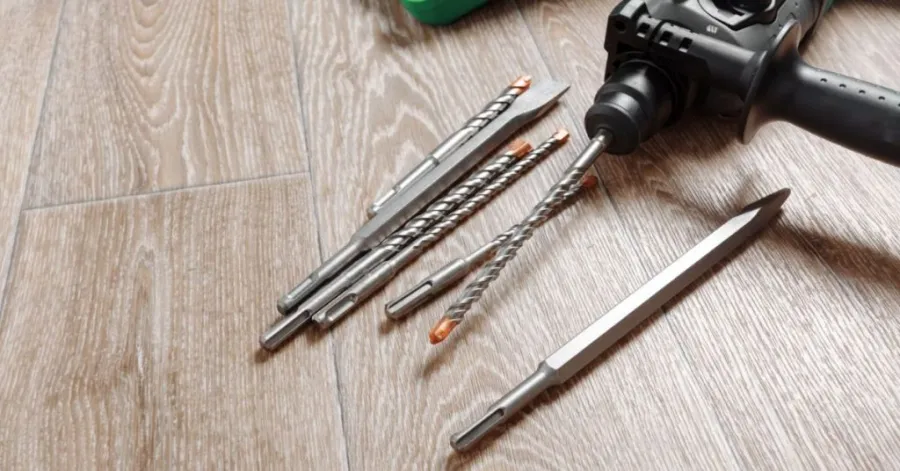
Choosing the right drill bit between metal drill bits vs. wood drill bits is key to getting clean, precise holes and protecting your tools. Wood drill bits are designed to make smooth cuts in wood, while metal drill bits are strong enough to handle hard surfaces like steel or aluminum. Using the wrong type can damage both your tool and your workpiece, leaving rough or uneven holes. By matching the drill bit and choosing the right drill machine, you save time, reduce mistakes, and make your project easier. Always check the material first so you pick the best bit for the job and get professional results every time.4
Metal Drill Bit vs Wood Drill Bit
Choosing the right drill bit and drill machine is more than picking a size—it’s about matching the bit to the material. Using the correct drill bit ensures clean holes, protects your tools, and extends their lifespan. Metal drill bits are designed for hard surfaces like steel, aluminum, and other metals, while wood drill bits perform best on soft materials such as pine, oak, and plywood. Using the wrong drill bit can damage both your project and your tools, so it’s important to know which bit to use for each material.
Material Compatibility
Material compatibility is the most important factor when choosing drill bits. Metal drill bits work well on hard surfaces like steel or aluminum, but they are not ideal for soft wood. Wood drill bits are made to cut cleanly through soft and medium-hard woods, including pine, oak, or plywood. Using the wrong drill bit can cause rough holes, damaged material, or even break the bit. Knowing the difference between metal drill bit vs wood performance allows you to make the right choice every time. Proper matching protects your tools and gives professional-looking results consistently.
Tip Design
The design of the tip influences the way in which a drill bit initiates a hole and the quality of the cut. Wood drill bits generally have a spur at the point, which is used to center the wood drill and make it drill easily. The drill bits made of metal are provided with a dull tip; hence, they do not bend under pressure to cut hard metals. Other drill bits have split spots to start faster, and others have pilot spots to be under more control. In case you attempt to use a wood drill bit on metal, its tip could become dull or slip. A metal drill bit may create rough edges on wood, which makes your work less precise and difficult to complete.
Shape and Coating
The shape and coating of a drill bit make a big difference in its performance. Wood drill bits typically have wide flutes to remove wood chips efficiently, while metal drill bits have tighter spirals to cut through metal and remove shavings. Coatings like titanium or black oxide help metal bits resist heat, last longer, and stay sharper. Wood drill bits rarely need coatings because wood is softer. Checking the shape and coating before you buy ensures your drill bit works for its intended material. Understanding these features explains what happens if you use the wrong drill bit and helps you avoid mistakes.
Drill Bits Performance: How to Choose the Right Bit for Every Material
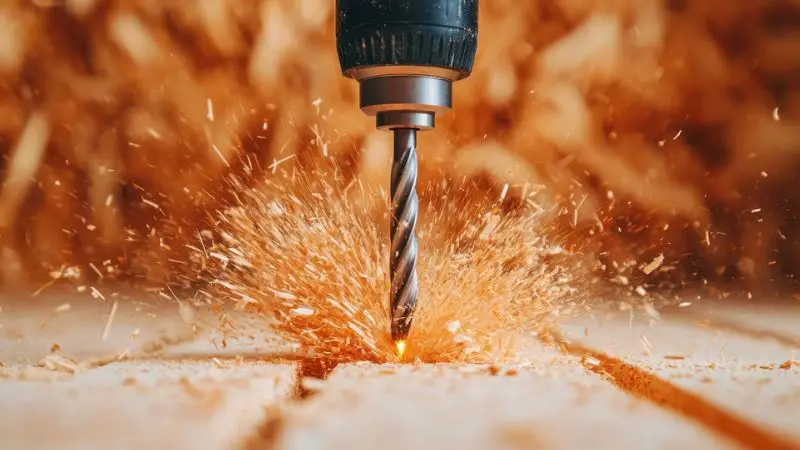
Drill bit performance is determined by its design, material, and the suitability of that piece of equipment to the task. With the correct drill bit and the right drill machine, one is guaranteed a clean cut, rapid drilling, and durable tools.
Soft woods such as pine, oak, or plywood use wood drill bits, whereas hardwoods such as steel or aluminum use metal drill bits. Picking the wrong drill bit may slow down the work process, harm the material, or cause rapid wear of the bit. Knowing what will occur when you apply the incorrect drill bit will guide you in the right choice each time.
Cutting Quality: Why Using the Right Drill Bit Matters
Clean, precise holes are essential for any project, and the correct drill bit makes a big difference. Wood drill bits have pointed tips that cut through wood fibers smoothly, leaving neat edges without splintering. Metal drill bits have blunt tips that push through hard metal while maintaining a round, even hole.
If you try to use a metal drill bit on wood, rough edges or splinters may form. Different types of drill bits are made for specific materials, so matching the bit to the workpiece ensures high-quality, professional-looking results.
Speed and Efficiency: How the Correct Drill Bit Saves Time
The appropriate drill bit enhances the speed and efficiency of any drilling project. Wood drill bits cut easily through soft wood as long as the flutes are wide enough to remove the chips. Metallic drill bits take greater effort to cut hard metal, but the screw pattern removes shavings and continues to drill rapidly.
A metal drill bit on wood can have a slower effect on wood, and a metal drill bit on metal can break or become worn out. Being aware of what drill bits are and how they can be best utilized can enable you to work quickly, get projects finalized, and prevent aggravations
Durability: How to Choose Drill Bits That Last
Durable drill bits save money and improve project outcomes. Metal drill bits often feature coatings like titanium or black oxide to resist heat, wear, and rust. These types of drill bits handle tough jobs and last much longer than uncoated bits.
Wood drill bits usually don’t need coatings because wood is softer, but using them on metal can damage or break the tip. Choosing the right drill bit not only improves cutting quality and speed but also protects your tools. Proper selection ensures your drill bits remain reliable and ready for future projects.
Uses of Wood Drill Bits: How to Choose and Apply the Right Bit for Woodworking
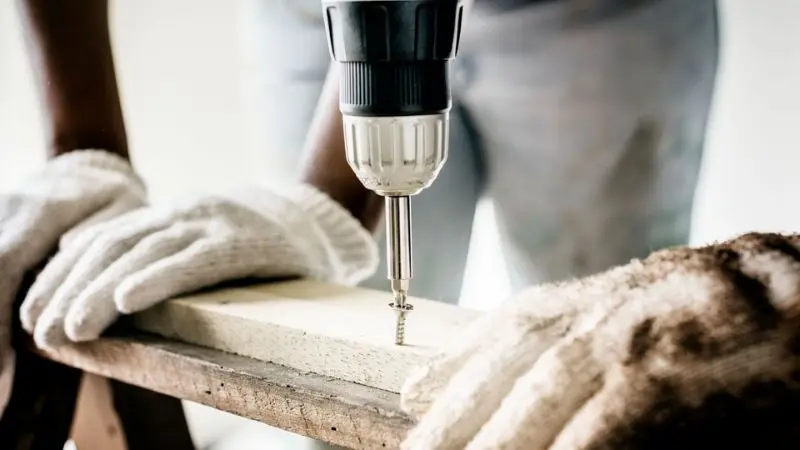
Woodworking projects of any type require wood drill bits. They make it to have accurate holes, pilot holes, and perfectly fitting screws and dowels. Whether you are creating a piece of furniture or a shelf, a good wood drill bit can make your job easier and quicker on the right side. There are many types of drill bits with different purposes- like using spade bits is better to enlarge a hole, and brad point bits represent accuracy. Knowing which wood drill bit to use in each application can help to eliminate errors, unnecessary wood splitting, and produce professional-looking results.
Woodworking Tasks: How Wood Drill Bits Make Projects Easier
Wood drill bits are versatile tools for everyday woodworking. They help you:
- Drill holes for screws, nails, or dowels
- Create pilot holes to prevent splitting
- Build furniture or cabinets
- Hang pictures, shelves, or decorations
- Craft birdhouses, toys, or custom wooden pieces
Many types of wood drill bits exist, each suited for specific jobs. Choosing the correct bit ensures smooth, clean holes. By knowing can you use a metal drill bit on wood, you avoid rough edges or splinters. Using the right wood drill bit also makes projects faster and reduces the risk of damaging your material.
Best Practices for Using Wood Drill Bits
After basic best practices result in better cutting and a longer life span of tools:
- Wood drill bits should always be sharp; dull bits cut through wood fibers.
- Regulate your speed of the drill: slow in large holes, fast in small holes.
- Wipe drill bits clean every time you use them.
- Keep store pieces out of the damp.
- Indicate the drilling point and clamp the wood in place.
- When necessary, begin with a small pilot hole.
With appropriate drill bits and these habits, it will be possible to drill into wood and make it easier, safer, and more precise. Any woodworking project can be given clean, smooth holes.
Uses of Metal Drill Bits: How to Drill Hard Materials Safely and Effectively
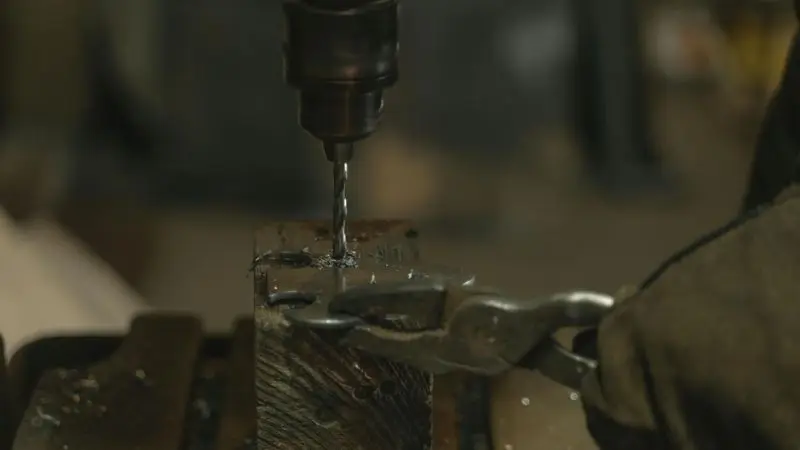
When it comes to metalwork, drill bits are required. They can cut through metals such as steel, aluminum, copper, among others, forming clean round holes even in hard materials. These bits of material are widely utilized in building, repairing, and crafts as well as metal fabrication works. There are various drill bits with distinctive purposes, such as durable coating or start points. It is important to decide on the right size and type to avoid damage and inaccuracy. Knowing can you use a wood drill bit on metal is what prevents the disturbance of the tips and the making of the rough holes.
Metalworking Tasks: What You Can Do with Metal Drill Bits
Metal drill bits are perfect for a variety of metalworking projects. You can:
- Drill holes in metal sheets for bolts or screws
- Perform repairs on cars or machinery
- Build metal structures or frames
- Make crafts, jewelry, or DIY projects
Using the right metal drill bit ensures smooth, precise results. While metal drill bits can sometimes drill into wood or plastic, they don’t provide as clean a finish as material-specific bits. For the best results, always match the bit to the material. Following this approach avoids mistakes and helps you complete projects efficiently.
Versatile Applications: Using Metal Drill Bits Beyond Metal
Metal drill bits are an effective tool that should be used when working with metal or other materials. They may be applied to plastic or even wood, but the finish may not be as smooth as with specific bits. As an example, to make a hole in wood, a wood drill bit is a better option.
Metal drill bits are also very useful in the home, for car repairs, and for craft work such as jewelry making. You can have several metal drill bits in your toolbox to address several tasks. And, remember whether you need to drill in both and through metal, a wood drill bit is used in the wood, and a metal drill bit is used in the metal.
How to Choose Drill Bits: A Complete Guide
It is possible to pick the correct drill bit and simplify your work, and accomplish it sooner and more safely. New materials will require new bits, and the wrong selection will wreck your equipment or project. Consider what you are drilling and the size of the hole before starting. This guide will make you see the most optimal drill bits to use on wood, metal, and plastic so that you end up with clean and precise cuts in your project.
Understanding Material and the Best Drill Bits
Every material requires a bit designed to handle it properly. Wood drill bits are shaped to make smooth holes without splintering. Metal drill bits are heat-resistant and strong enough to cut through hard surfaces.
Plastic can crack easily, so using metal drill bits for better control is ideal. Choosing the correct bit ensures cleaner results, reduces wear on your tools, and makes drilling faster. Matching bits to your material also prevents mistakes that can damage your workpiece. Knowing which drill bit works best for each material is key to any project.
What Are Step Drill Bits and How to Use Them
Step drill bits are versatile and very convenient. They work well on thin metal and plastic because they allow you to drill multiple hole sizes without changing bits. This saves time and makes your work more efficient.
Step bits also create smooth holes with less effort and reduce the risk of cracking plastic or bending thin metal. Using them with a proper drilling machine ensures better control and precision. They are especially handy if you need to make holes of different diameters in the same project, keeping your work accurate and professional.
How to Drill Through Multiple Materials Safely
There are cases when more than one material is used in a project, such as wood and metal. Begin using a wood drill bit in wooden areas in order to cut precise holes, and then use a metal drill bit when you need to cut metal. This process avoids wastage of bits and your workpiece.
Using a proper drill bit on a given material also helps avoid breaking the tips or creating a rough hole. The order of drills can also be planned, which saves time and guarantees better results. With careful preparation and the right drilling machine, drilling through multiple materials can be safe, precise, and much less frustrating.
Common Mistakes to Avoid When Drilling
Avoiding common mistakes will save you time, protect your tools, and keep you safe. Never use a wood drill bit on metal, or it may break and damage your project. Dull bits make rough holes and increase effort, so always check and replace them when needed.
Use the correct drilling speed: fast for small wood holes and slow for metal. Keep bits clean, dry, and stored safely. Don’t force a bit through tough material—let the drill do the work. Following these simple rules ensures every hole is clean, precise, and your project is successful.
Wrap Up
You always get the best results when you choose the right drill bit between a metal drill bit vs. wood drill bit. Drill bits for wood and drill bits for metal have different designs. You should learn the differences before you start any project. Drill bits with the right tip and coating help you work faster and safer. Keep a set of drill bits for each material in your toolbox. Check your drill bits before every job. Clean drill bits last longer. Use sharp drill bits for smooth holes. Never force drill bits through tough surfaces. Invest in quality drill bits for better performance.
FAQ
But what would happen with a metal rot when you use wood drill bits?
Wood drill bits can be ruined if they come into contact with metal. They can be broken or fastened. You will not get clean holes. The correct choice of drill bits for the material.
Do metal drill bits cut wood?
Drill bits made of metal can be used in wood; however, the holes might not appear smooth. The edges might splinter. Hard surfaces are best suited to metal drill bits. To use clean wood holes, select wooden drill bits.
What is your process for maintaining drill bits’ sharpness?
Drill bits should be cleaned after they are used. Store them in a dry place. Sharpen them when dull with a sharp instrument. The drilling is made easier and safer when sharp drill bits are used.
How can we store drill bits?
Store drill bits in an organiser. This helps them not to get lost. Store them in a dry spot. Moisture can cause rust. Drill bits that are planned better have a longer life.
What do you do to know which bits of the drill to choose?
Check the material that you want to be drilled. Wood drill bits work on wood, and metal drill bits on metal. Examine end design and coating. The right drill bits assist you in completing your project after achieving good outcomes.