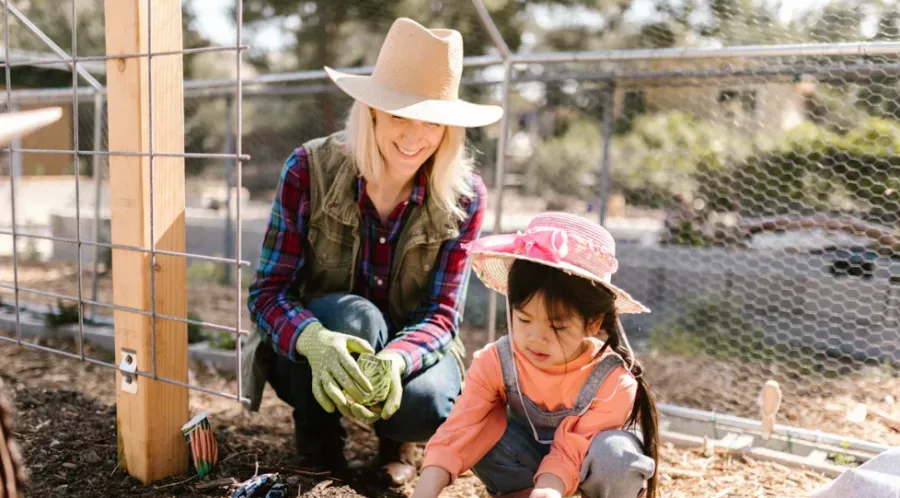
You don’t need a green thumb or a big backyard to start a garden project with your kids. Even a few pots on a balcony can spark excitement and family-friendly ideas.
Studies show that small, manageable gardening projects boost well-being and make it easy to spend time in nature with some easy gardening for kids. Kids love digging in the dirt, watching things grow, and learning as they go. Focus on having fun together—gardening for kids is all about smiles, not perfection.
Benefits of Gardening For Kids
Here are 6 simple and fun benefits of gardening for kids:
- Teaches responsibility – Kids learn to care for plants and see the results of their efforts.
- Encourages healthy eating – They’re more likely to try fruits and veggies they helped grow.
- Boosts creativity – Choosing plants, decorating pots, and planning the garden sparks imagination.
- Gets them outside – Gardening gets kids off screens and into fresh air and sunshine.
- Hands-on learning – They explore science, nature, and even a little math through real-life experience.
- Builds patience – Watching a seed turn into a plant teaches that good things take time.
Step 1: Plan a Kid-Friendly Garden
Start Small
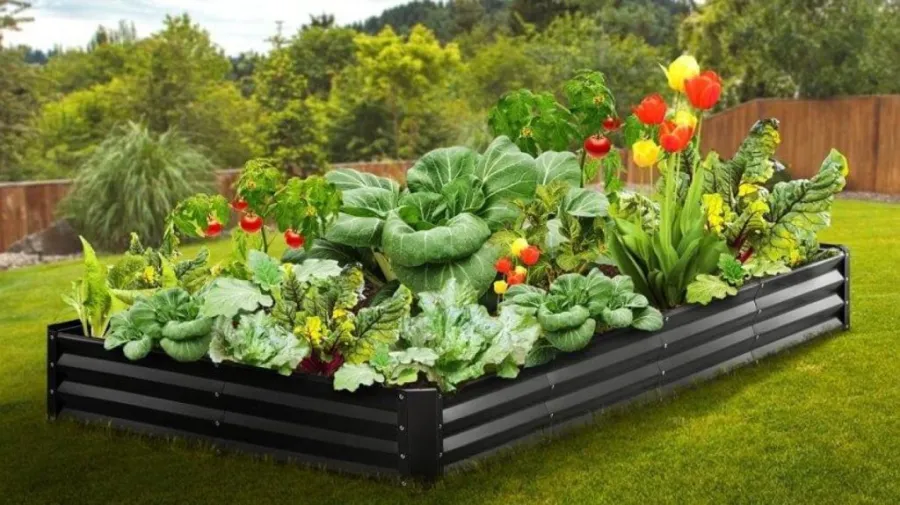
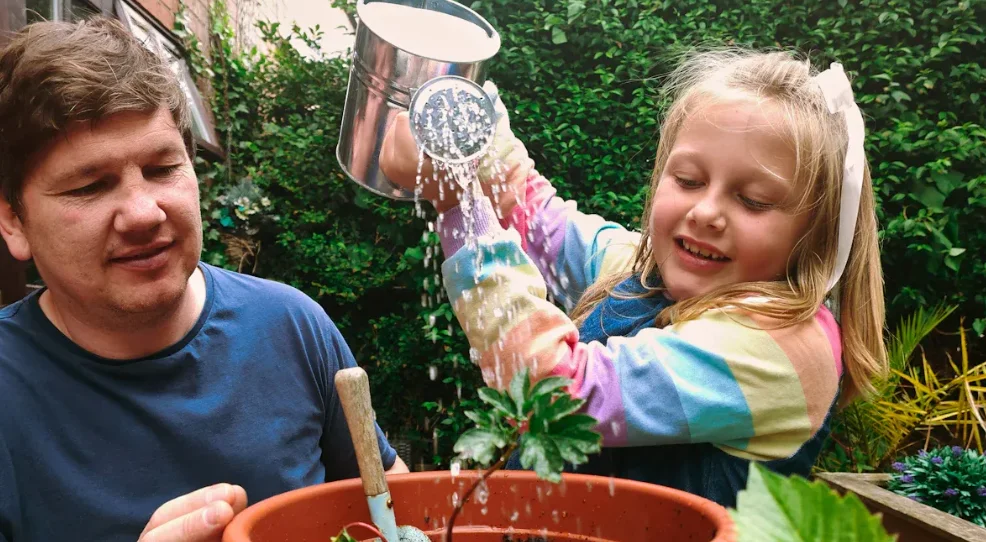
You don’t need a huge yard to start gardening activities for kids. A few containers on your porch or a small raised bed can work wonders. These options make gardening for kids much easier to manage and more accessible for little hands. Kids love having their own space to dig, plant, and water. Starting small helps you focus on fun and keeps the garden project from feeling overwhelming.
Tip: Use colorful pots or recycled containers to add a playful touch. Let your kids decorate them for extra excitement!
Involve Kids in Plant Choices
Let your kids help pick what to grow. When children choose seeds or seedlings, they feel proud and excited to watch their plants grow. This simple step can build excitement for your garden project and boost their interest in gardening for kids. Research shows that when kids take part in gardening, especially in choosing plants, they develop better attitudes toward fruits and veggies. They also learn teamwork, problem-solving, and even improve their science skills.
- Ask your kids what vegetables or flowers they want to try.
- Visit a local nursery together and explore the options.
- Talk about colors, shapes, and tastes to spark curiosity.
Choose Easy Plants
Pick plants that are simple and quick to grow. Salad greens, strawberries, and potatoes are perfect for beginners. These plants don’t need much care and grow well in containers or small beds. Experts recommend these choices because they are reliable and give fast results, which keeps kids interested. Starting from seed can be fun, but you can also use seedlings for a quicker start.
- Salad greens grow fast and are easy to harvest.
- Strawberries offer sweet rewards and are fun to pick.
- Potatoes are a surprise to dig up and watch grow.
A kid-friendly garden with easy plants helps your family enjoy gardening for kids without stress. You’ll see your children’s confidence bloom as they care for their own plants and taste the results.
Step 2: Set Up
Safe and Accessible Spaces
When you start gardening for kids, safety comes first. Pick a spot with plenty of sunlight and good soil. Make sure the area is free from sharp objects, deep water, or anything that could cause harm. You want your kids to explore and play without worry. A safe and accessible garden helps your kids grow, learn, and play with confidence.
Gathering gardening tools for kids
The right tools make gardening for kids much more fun and safe. Choose lightweight, child-sized tools with soft grips. Store sharp items and chemicals out of reach. Here are some tips to keep your garden safe and easy for little hands:
- Store rakes, shovels, and shears right after use.
- Keep tools in a locked, childproof area.
- Avoid toxic fertilizers and chemicals.
- Use long-handled tools to reduce bending.
- Try four-wheeled wagons instead of wheelbarrows for moving supplies.
When you pick the right tools, gardening ideas for kids becomes a safe adventure for everyone.
Use Organic Practices
Organic gardening for kids means you skip harsh chemicals and focus on nature. This keeps your garden safe and teaches kids about caring for the earth. Try these ideas:
- Compost kitchen scraps to make rich soil and reduce waste.
- Plant flowers like sunflowers to attract pollinators and teach about ecosystems.
- Grow herbs in pots and use them in simple recipes.
- Test your soil together and talk about what plants need to grow.
- Measure plant growth and keep notes to build science skills.
- Track the weather and decide when to water or harvest.
Using organic practices while building a garden helps your family stay healthy and supports the planet.
Step 3: Begin With Hands-On Activities
Planting Seeds Together
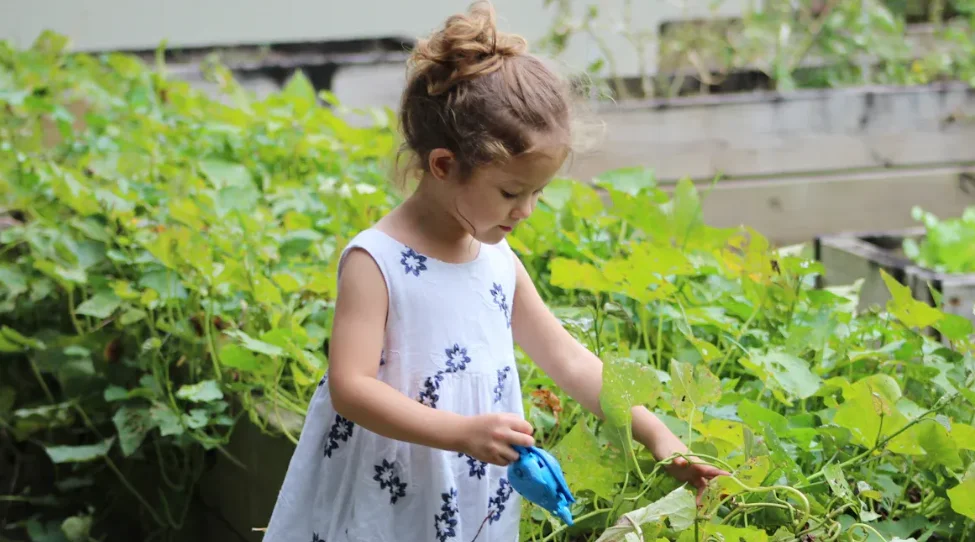
Planting seeds is where the magic starts in any garden project. You and your kids get to dig, sprinkle, and cover seeds with soil. This simple act brings excitement and teaches patience. Kids love to check every day for tiny green shoots. When you plant seeds together, you help your children learn about nature, food, and responsibility.
Many schools and community programs have found that hands-on gardening helps kids eat more fruits and veggies.
Sensory and Creative Play
Gardening with kids is a full sensory adventure. Kids touch soil, smell herbs, see bright flowers, and hear buzzing bees. Mud play, puddle jumping, and digging help children develop strong muscles and sharp minds. These activities also boost creativity and problem-solving skills.
- Tactile activities like mud kitchens, planting, and garden crafts help kids:
- Build fine and gross motor skills
- Improve sensory processing
- Learn about cause and effect
- Express emotions and creativity
- Develop language and social skills
Mud play even supports the immune system and helps kids feel calm. Scientists have found that certain bacteria in soil can lower stress and boost brain activity. When your child digs, splashes, or paints in the garden, they are learning and growing in ways you can’t always see.
Creative garden crafts add even more fun. Try painting plant labels, making nature rubbings, or building a fairy garden. You can use old pots, toy wagons, or water tables to create a magical space. Kids love adding tiny fairy houses, stones, and plants. This kind of play builds imagination and helps children feel connected to nature.
Note: Building a fairy garden gives your child a special place to care for. They learn responsibility by watering, weeding, and picking flowers.
Fun Garden Routines
A good garden project needs simple, fun routines. Kids thrive when they know what to expect. Age-appropriate tasks like watering, weeding, and harvesting make children feel important and included. These jobs are not just chores—they are chances to bond, learn, and celebrate small wins.
- Common garden tasks for kids:
- Watering plants
- Pulling weeds
- Picking ripe fruits or veggies
- Digging and planting
- Journaling about what they see
Parents say that kids love getting dirty and enjoy eating what they grow. These routines help children build responsibility and teamwork. They also get kids outside and away from screens.
Step 4: Keep Kids Engaged
Garden Journals
A garden journal can turn every gardening day into an adventure. When you give your child a notebook, you invite them to draw, write, and record what they see, hear, and feel in the garden. Kids love to sketch plants, track growth, and even press leaves or petals between pages. Journaling helps kids slow down and notice the little things—like the sound of bees or the smell of fresh soil.
- Nature journaling encourages kids to use all their senses and make personal connections with nature.
- Activities like “sit spot” journaling or scavenger hunts help sharpen observation skills and build present-moment awareness.
- Journaling blends science, art, and writing, which sparks creativity and critical thinking.
- Kids who keep journals often grow more curious and confident about the world around them.
Tip: Let your child decorate their journal cover with stickers or drawings. This makes it feel special and personal.
Harvest and Taste
The best part of gardening for kids is tasting what you grow! When you pick fresh strawberries or snap peas together, you celebrate your hard work. Kids get excited to try new foods when they help grow them. You can make simple snacks like veggie sticks, fruit salads, or even smoothies with your harvest.
A YMCA summer camp found that kids who gardened and cooked together tried more fruits and veggies. They also enjoyed taste-testing and preparing snacks as a family. These fun moments help kids build healthy habits and positive memories.
Try a taste test: Line up different garden veggies and let everyone vote for their favorite!
Share and Celebrate
Sharing your garden’s bounty brings everyone together. Many families share about 30% of their harvest with friends, neighbors, or local food banks. This simple act builds strong social ties and teaches kids about kindness and community.
- Community gardens help kids eat more fruits and veggies and learn about healthy food choices.
- Sharing produce boosts confidence and helps kids feel proud of their hard work.
- Family gardening strengthens relationships and gives everyone an opportunity for learning.
You can celebrate your harvest with a picnic, a garden party, or by making a meal together. These moments create lasting memories and help kids see the value of teamwork and giving.
FAQ
How do I keep my kids interested in gardening for kids all summer?
Kids love variety! Try new plants, let them decorate pots, or start a garden journal. You can also plan weekly garden games or taste tests. Keep things fun and let your kids make choices.
What if we don’t have a backyard for gardening for kids?
No backyard? No problem! Use containers on a balcony, windowsill, or porch. Many plants grow well in pots. You can even try growing herbs indoors. Small spaces work great for gardening for kids.
How do I handle bugs or pests in our gardening for kids project?
Use safe, organic methods. Pick off bugs by hand, spray plants with water, or use natural solutions like neem oil. Teach your kids about good bugs, like ladybugs, that help your garden.
Can gardening for kids help picky eaters try new foods?
Yes! When kids grow their own food, they feel proud and curious. They often want to taste what they helped grow. Gardening for kids makes trying new fruits and veggies more exciting.
What are the best tools for gardening for kids?
Look for child-sized tools with soft handles. Use plastic trowels, small watering cans, and gloves. Keep sharp tools away. Let your kids pick their favorite colors or designs for extra fun!
Conclusion
Connecting kids with nature around them is one of the best activities you can engage in. It helps them learn how to nurture and take responsibility. But you don’t need to be perfect. Just start small and enjoy the process. Every moment in the garden helps your child grow and sparks a lifelong love for nature.
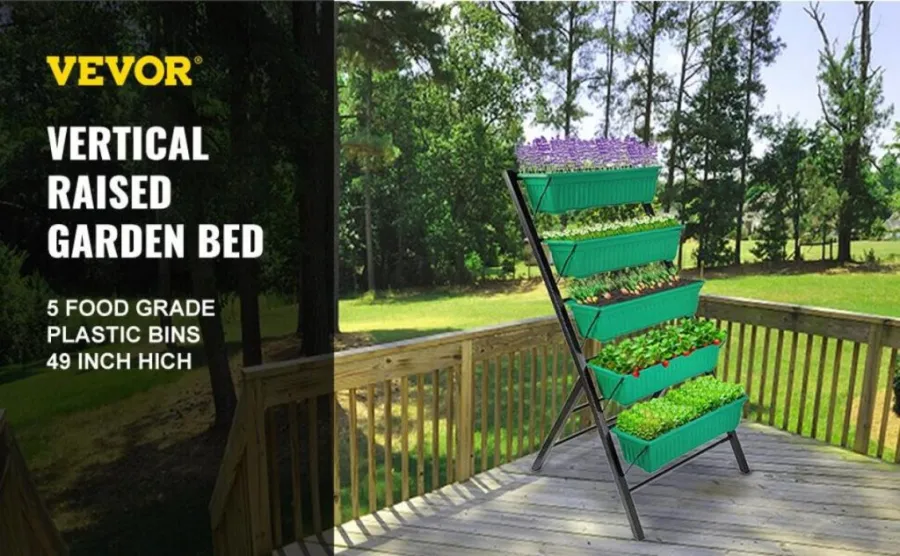
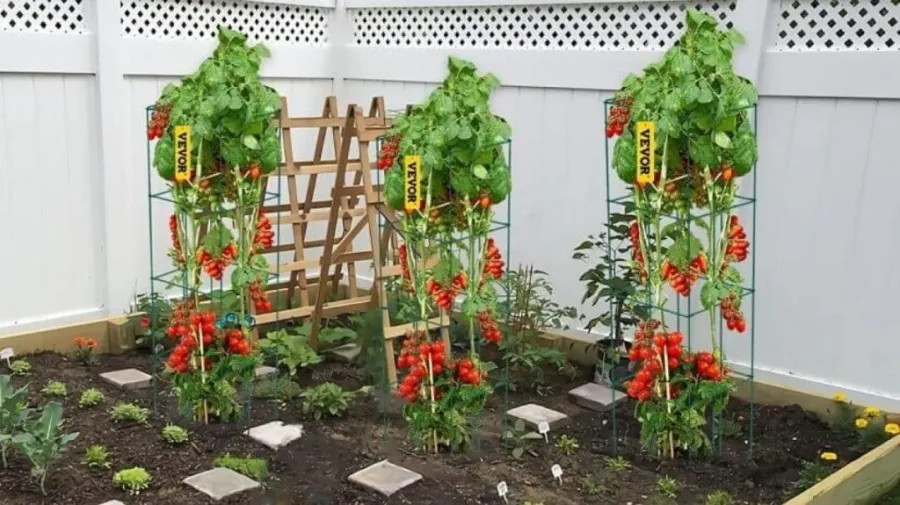
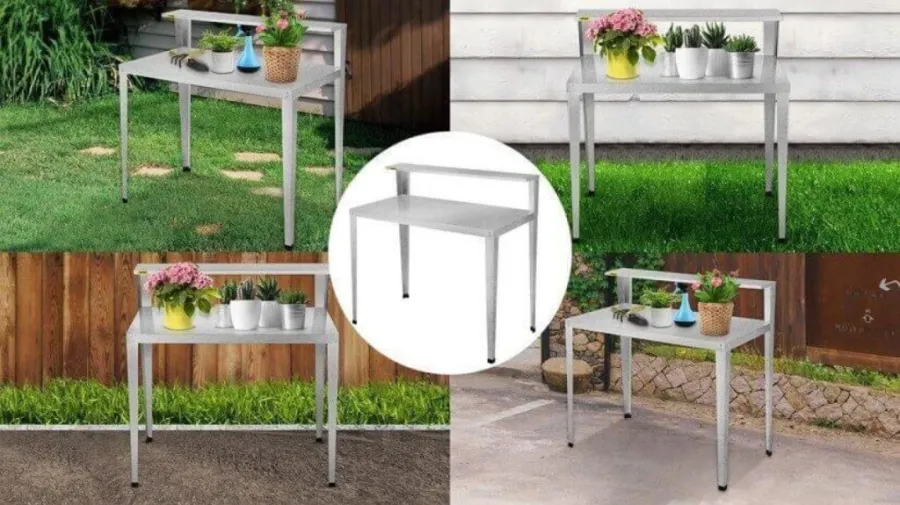
For all your gardening for kids needs, trust VEVOR, your partner in gardening. Browse through our wide variety of products like push lawn sweeper, raised garden beds, and tomato cages. Shop today!