Wondering how to locate the sewer line in your yard? The first step is to check your home’s documents or building plans, which often show where the line runs. You can also look for a cleanout pipe outside, usually near the house or along the yard.
Knowing the exact location of your sewer line is important for safety and can help you avoid costly damage when digging or planting. While many homeowners can find the line themselves with careful observation, using an inspection camra or calling a professional is a smart option if you’re unsure or want extra guidance
How to Locate Your Sewer Line: Easy Steps
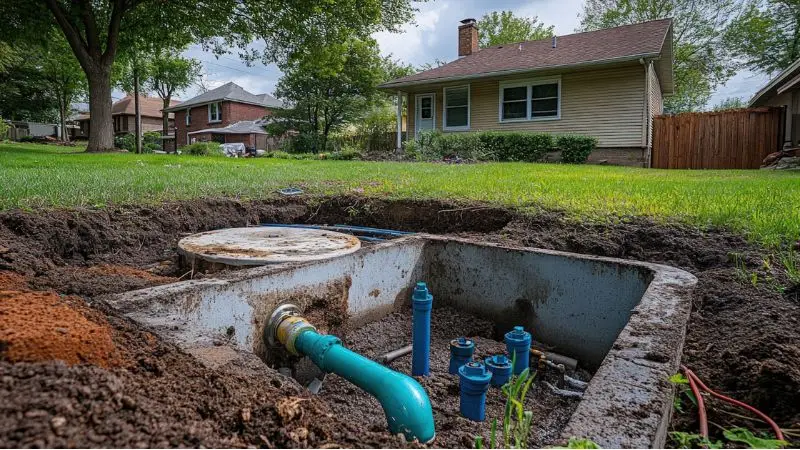
Finding your sewer line might seem tricky at first, but with the right approach, it can be straightforward. Just like when following a step-by-step sewing guide for beginners, taking clear steps ensures you don’t miss anything important. Knowing your sewer line’s location helps you prevent costly damage and keeps your home safe. You can locate it by checking documents, inspecting cleanouts, or using special tools.
Step 1: Check Home Documents
The first step is to check your home’s documents. Many homeowners keep blueprints, surveys, or property maps in a safe place. These often show where underground sewer lines run.
Look for lines labeled “sewer” or “drain,” or dashed lines pointing to the street. If you cannot find your documents, contact your local building department—they may have official records for your property. If you recently moved in, asking the previous owner or real estate agent can save you time. This step is crucial for how to find a sewer line in a yard without plans and gives a general path before you start digging.
Step 2: Locate Your Sewer Line Cleanout
The sewer cleanout pipe is another sure method to find your sewer. Similar to how selecting the best sewing machine as a beginner makes a project less difficult, so does having a location for your cleanout provide you with a definite starting point. Cleanouts typically are short, round, screw-capped pipes anywhere near an exterior wall, a bathroom, a kitchen, a driveway, or a garden. In case it cannot be found, a plumber can assist in locating it in time.
Professionals are familiar with standard placements and can instruct you, avoiding errors such as those the novice sewers make when undertaking sewing work. Using an inspection camera can also confirm the condition of your pipes before digging. This method is especially useful if you are learning how to locate a sewer line without a cleanout, giving you a clear reference point before using other tools.
Step 3: Find a Sewer Line with a Probe or Locator
If you prefer not to dig blindly, using a probe or pipe locator device is effective. A probe is a long metal rod you push into the ground to feel for pipes. Pipe locator devices can trace underground sewer lines with signals.
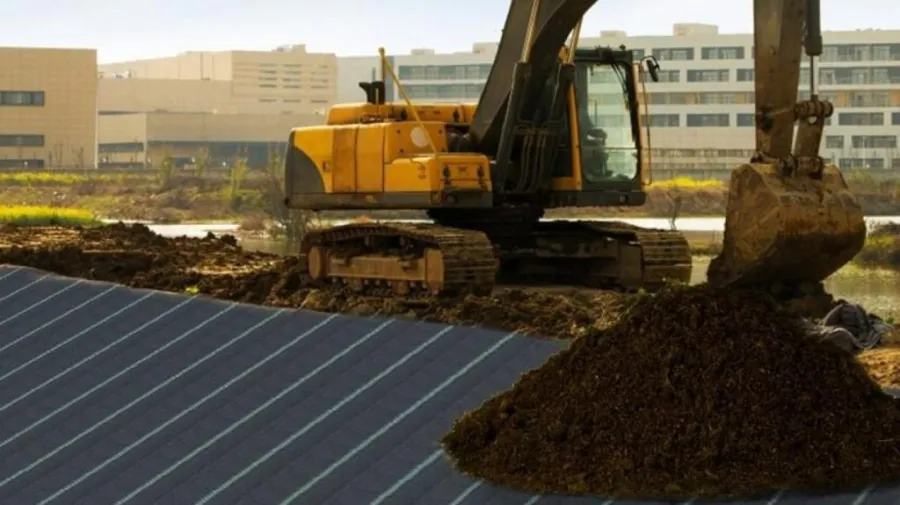
These tools are often available for rent at hardware stores. Before digging, call 811 to mark utility lines and avoid hitting water, gas, or electric lines. Just like learning what I need to start sewing as a beginner, preparation makes all the difference. Using an inspection camera or hiring a contractor is also a safe option. Professionals can show you how to find a sewer line with a camera or how to find a sewer line using a plumbing snake, ensuring accurate mapping and preventing costly mistakes.
Safety and When to Call a Pro

Constructions made around underground sewer lines should be careful and well planned. Proper safety precautions will eliminate accidents, damage, and expensive repairs. On the other hand, getting a step-by-step instructions manual on sewing when you are a beginner can save you a lot of trouble with careful planning and focusing on detail. You should also plan your workspace, use protective equipment, and know when you need some assistance.
Avoid Damaging the Line
When handling sewer lines, your priority is safety. Mark the digging area clearly and double-check the path using a private sewer line locator. Always wear gloves and sturdy shoes to protect yourself. Push the probe gently—never force it into the ground, as hitting a pipe or wire can cause serious problems.
- Call 811 before starting any digging.
- Use a private locator for extra accuracy.
- Stop if you feel resistance while probing.
- Keep children and pets away from the work zone.
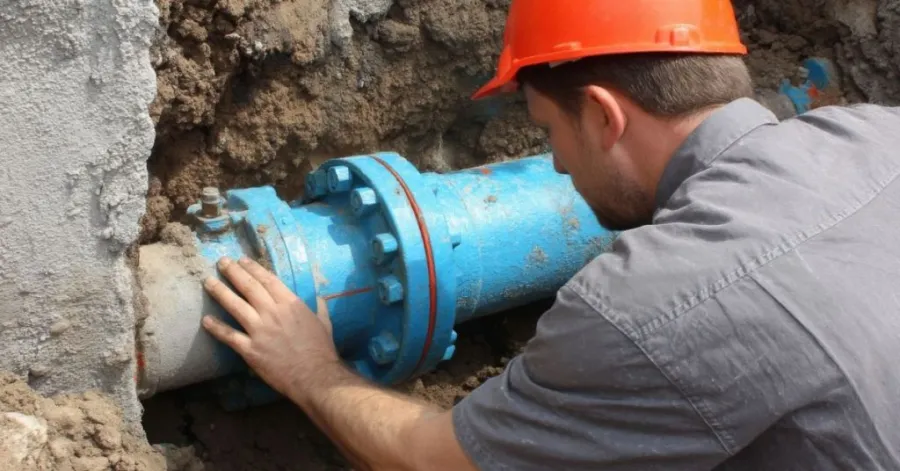
If you notice water, a sewage smell, or unusual sounds like hissing, stop immediately. Damaging a pipe is not a DIY job. Turn off the water supply and call a plumber for inspection. Using an inspection camera can also help confirm the pipe’s condition. These steps are crucial for how to locate the sewer line before digging safely.
When to Get Professional Help
Sometimes, sewer lines can be tricky to locate, and that’s when a professional can make all the difference. A private sewer line locator uses specialized tools for inspection and mapping, saving time and ensuring accuracy. You should call a pro if you:
- Cannot find the cleanout or main line.
- Encounter an unknown obstacle while probing.
- Notice signs of leaks, blockages, or damaged pipes.
Hiring a professional is the safest way to learn how to locate a sewer line without a cleanout. Experts know how to handle tough jobs safely, protect your yard, and avoid unnecessary damage. If you feel stuck or unsure, don’t wait—getting help early ensures the job is done right the first time. Getting help early protects your yard and ensures the job is done correctly.
Wrap Up
Knowing how to locate a sewer line is important for home safety and maintenance. By checking your home’s documents, inspecting the sewer cleanout, or using a probe or locator, you can find the line without causing damage. Always follow safety measures, such as calling 811, wearing protective gear, and stopping if you feel unsure
Some situations require professional help, especially if you cannot find the line, hit obstacles, or notice leaks. Just like following sewing tips for beginners helps you avoid mistakes, taking careful steps prevents costly repairs and keeps your yard safe. With the right approach and preparation, finding your sewer line can be simple and stress-free.
FAQ
1: What are the average burial depths of sewer lines?
The majority of the sewer lines are covered with earth that is 18 to 36 inches deep. Elderly buildings can be deep-lined. It is also important to remember that, if you dig up cultural artifacts, you will not penetrate pipes or other underground facilities.
2: Is it possible to locate a sewer line with a metal detector?
The plastic or PVC sewer pipes are typically not detectable by regular metal detectors. To get the correct results, a pipe locator or a probe, which is safe to trace the underground sewer lines, should be used.
3: What is to be done in case I cannot locate my sewer line?
In case you are unable to locate the sewer line, contact 811 and get a free utility locate. In case the line is still inaccessible, seek professional assistance from a plumber or even a private sewer line locator.
4: What is a cleanout of a sewer, and why would it be needed?
A sewer cleanout is a feature in the form of a short pipe that offers entry to your sewer line. It is critical to open clogs, check the line, and determine the main sewer line path with maximum safety.
5: At what point do I call in the help of a professional to find my sewer line?
Recruit a professional in case of the inability to locate the cleanout, striking some barriers for the path, or observing leaks. The professionals possess specialized tools and expertise that ensure they are not damaged, and they waste no time in mapping your sewer system.