Is distilled water the same as filtered water? At first glance, they look the same—clear, plain, and refreshing. It’s easy to mix them up because both go through cleaning processes to remove impurities. The real difference lies in how each type is purified and why you would choose one over the other.
Water made with a distiller machine is boiled and condensed to remove nearly all minerals and contaminants, while filtered water passes through a filter to trap certain impurities but keeps beneficial minerals. Understanding these differences helps you pick the right water for drinking, cooking, or appliances.
Distilled vs. Filtered Water: A Clear Comparison
When it comes to drinking water, many people wonder if distilled water and filtered water are the same. At first glance, both look clear and clean, but the truth lies in how they are processed and what remains in the water after purification. Understanding this difference can help you decide which one suits your daily needs better.
The Main Difference Between Distilled and Filtered Water
The question many ask is whether is distilled water better than filtered water, and the answer depends on your needs. Water made with a distiller machine is created by boiling water into steam and cooling it back, leaving behind almost everything except pure water. This means no minerals remain.
Filtered water, however, passes through filters that catch dirt, chemicals, and some germs but allow healthy minerals to stay. The benefits of distilled water vs filtered water are clear: distilled is best for machines and labs, while filtered is healthier for everyday drinking. Each serves its own purpose.
Why People Get Confused Between the Two
Understandably, people become confused with distilled and filtered water. Both appear identical in a glass, and labels tend to refer to words such as “pure” and “clean.” Many of them are of the same process without knowing how. However, the reality is that they all possess individual merits.
Distilled water is obtained through boiling and condensation, whereas filtered water is obtained through layers to eliminate dirt and chemicals. The issue most people are asking about is whether it is safe to drink filtered water. Yes, it is. Filtration allows the extraction of harmful substances with the remaining useful minerals; hence, it is not bad to use on a day-to-day basis.
Distilled Water
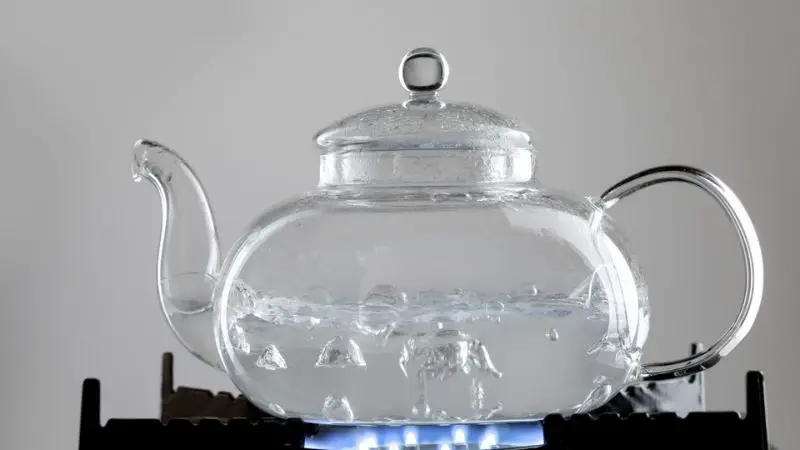
When people think of the purest form of water, distilled water often comes to mind. It goes through a unique cleaning method that removes nearly everything except the water molecules. Because of its high purity, distilled water is often used in hospitals, labs, and machines where even tiny minerals can cause problems. Many wonder about the benefits of distilled water vs filtered water, and the truth is, distilled water is excellent for special uses, but not always necessary for everyday drinking. Let’s look at how it’s made, why it is so pure, and where it is most useful.
How Distilled Water Is Made
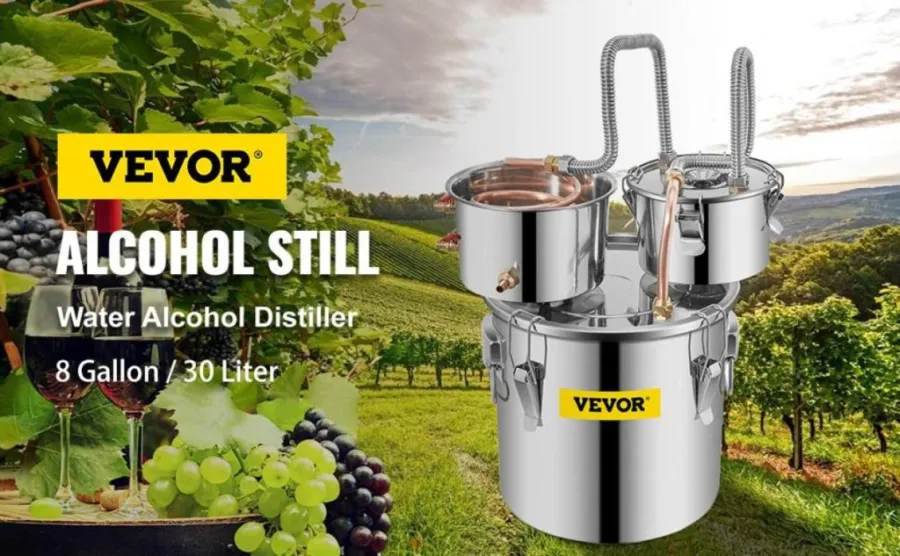
Distillation is the process by which distilled water is formed. Boiled water is boiled until it becomes steam. The rise of the steam also deposits dirt, minerals, and other impurities. The steam then cools, and the same condenses back into liquid, say as distilled water.
This process eliminates practically all the undesirable substances, and only clean molecules of water remain. Although some individuals attempt to make distilled water by using a pot and a bowl, it is time-consuming. This is considerably easier using a distiller machine that offers an easy and dependable process of producing quality and clean distilled water.
Purity and Storage of Distilled Water
The biggest reason distilled water is different from other types is its purity. During distillation, nearly all minerals and chemicals are removed, resulting in water that is exceptionally clean. Since it has no minerals, it is free from deposits that can damage appliances.
However, to keep it pure, proper storage is important. Distilled water should always be kept in a sealed, clean container away from sunlight and heat. If left open, it can absorb dust or substances from the air. Using a distiller machine not only ensures consistent purity but also provides a convenient way to make fresh distilled water anytime.
Common Uses of Distilled Water
Because of its high purity, distilled water is used in many specialized ways. In hospitals and laboratories, it is essential for tests and medical equipment. At home, you might use it in steam irons, humidifiers, or car batteries because it prevents mineral buildup.
Some parents may even use distilled water for baby formula, but only if advised by a doctor. While some drink it, many still prefer filtered water for daily hydration since it contains healthy minerals. The choice depends on purpose—distilled water works best when complete purity is needed, not necessarily for regular drinking.
Filtered Water
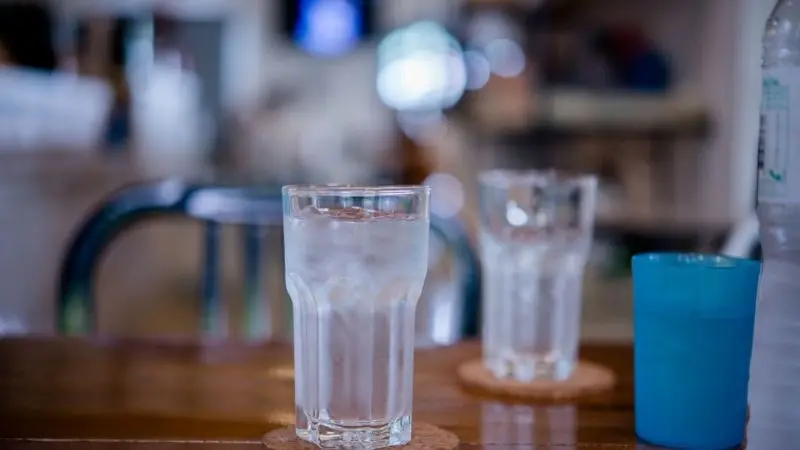
Filtered water is the type most people use every day for drinking and cooking. It goes through a process that removes harmful substances but still keeps most natural minerals. That balance makes it safe, refreshing, and healthy. Many people ask, does filtered water remove all impurities? The answer is no—it takes away dirt, chlorine, and many chemicals, but leaves behind minerals like calcium and magnesium. This is why filtered water tastes cleaner than tap water while still giving you some health benefits. Let’s look at the common filtration methods, how minerals affect taste, and where filtered water is most useful.
Filtration Methods
There are several ways to create filtered water, and each uses a slightly different method. Activated carbon filters absorb chlorine, odors, and some chemicals, making the water taste and smell better. Reverse osmosis pushes water through a thin membrane, blocking tiny particles and reducing heavy metals.
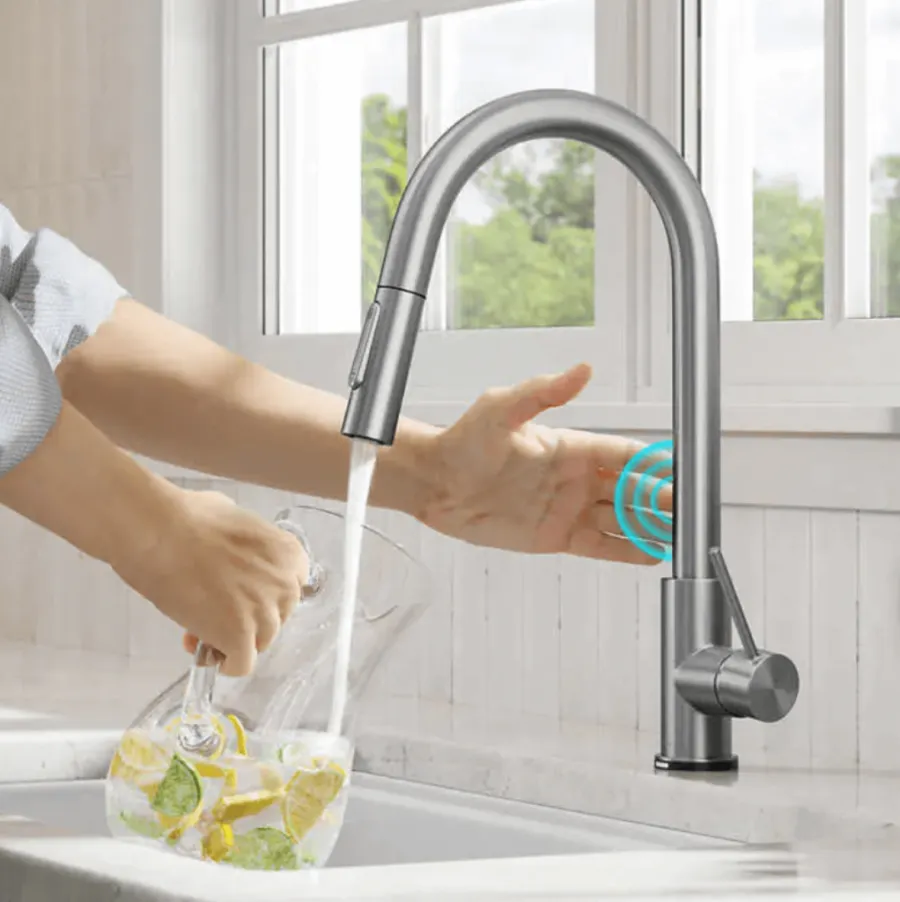
Ceramic filters work by catching dirt and bacteria as water passes through. You can find these systems in pitchers, faucet attachments, or under-sink units. Each method helps improve quality, but the main concern for many is whether filtered water is safe to drink. Yes, because filtration removes enough harmful elements to make it safe.
Minerals and Taste in Filtered Water
One of the reasons people prefer filtered water is its taste. Unlike distilled water, filtered water keeps many healthy minerals such as calcium and magnesium. These minerals not only support health but also give the water a fresher, smoother flavor. That is why many people say filtered water tastes better than tap water.
However, with methods like reverse osmosis, more minerals may be lost compared to other types of filters. Still, most systems are designed to keep essential minerals in place. This balance makes filtered water refreshing while offering health benefits you don’t get with pure distilled water.
Common Uses of Filtered Water
Filtered water is the everyday choice for most households. It is widely used for drinking, cooking, and even for making coffee or tea. Many families also use it for pets and plants because it removes harmful substances but keeps useful minerals.
Appliances like kettles, coffee makers, and water dispensers benefit from filtered water since it reduces buildup from chlorine or dirt. Some even say the benefits of distilled water vs filtered water become clearer here—filtered water is more practical for daily life, while distilled water is best for special needs. That makes filtered water a reliable option at home.
Filtered Water vs Distilled Water
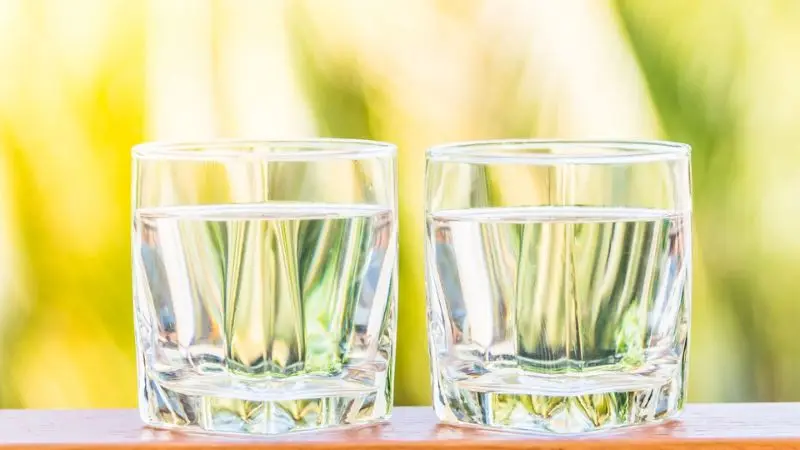
When choosing between filtered and distilled water, it’s important to understand how each one is cleaned, what minerals remain, and how they taste. Both are safe, but they serve different purposes. People often ask, is distilled water better than filtered water, and the answer depends on what you need it for.
Filtered water works well for everyday drinking, while distilled water is preferred in situations that demand extreme purity. Let’s look at how they are purified, their mineral content, taste differences, and how each one affects health.
Purification Methods
Filtered and distilled water become clean in very different ways. Filtration removes dirt, chlorine, and some germs through systems like activated carbon, reverse osmosis, or ceramic filters. Distillation, on the other hand, boils water into steam, leaving impurities behind before cooling back into liquid.
- Filtered water: traps dirt, chemicals, and some bacteria.
- Distilled water: removes almost everything, leaving pure H₂O molecules.
So, does filtered water remove all impurities? Not completely. But it removes enough harmful elements to make it safe to drink daily, unlike distilled water, which removes everything, even minerals.
Minerals in Water
Minerals make a big difference when comparing the two. Filtered water retains calcium and magnesium, which support bone and muscle health while also improving taste. Distilled water, however, removes these completely during boiling, leaving only pure water.
- Filtered water: keeps minerals, adds health benefits, and tastes fresher.
- Distilled water: no minerals, pure but lacking added benefits.
This highlights the benefits of distilled water vs filtered water—distilled is the purest but stripped of nutrients, while filtered water gives you both safety and essential minerals for daily hydration.
Taste Differences
People tend to sense first the taste. Filtered water is likely to have a pleasant taste because the water maintains the presence of the minerals without chlorine and an unpleasant smell. Distilled water, on the contrary, may feel flat or dull since no minerals will be left.
- Filtered water: pure, smooth, and good to get every day.
- Distilled water: pure, not flavored, occasionally not so nice to taste.
When it comes to taste, the filtered water tends to taste the same, particularly in normal drinking and cooking. Distilled water is not as tasty and refreshing as unfiltered water.
Health Effects
Both filtered and distilled water are safe, but they affect health differently. Filtered water removes harmful elements while keeping minerals your body needs. Distilled water is extremely pure and useful for medical purposes or machines, but long-term drinking may leave you missing essential nutrients.
- Filtered water: safe for daily drinking, supports bones and muscles, and keeps minerals.
- Distilled water: useful for special needs, extremely pure, but no minerals.
So, is filtered water safe to drink every day? Yes, and most experts recommend it over distilled water for regular hydration, while distilled water should be reserved for special uses.
Which Is Better for Drinking?

Choosing the best water for drinking often comes down to safety, health effects, and taste. Families want clean water that supports well-being while still being enjoyable to drink. Both distilled and filtered water are safe options, but they have different qualities that make them useful in different ways. Many wonder, is distilled water better than filtered water, and the answer depends on what matters most—purity, minerals, or flavor. Let’s explore how each one compares when it comes to safety, health, and taste.
Safety of Distilled vs Filtered Water
Both distilled and filtered water are created to safeguard your health, however, in various ways. The filters remove the dirt, chlorine, and most of the germs, making the water safe to use on a daily basis. However, distilled water is also taken through boiling and condensation, which filters almost all other things except pure water molecules.
- Filtered water: it can be used in daily life and eliminates the majority of harmful materials.
- Distilled water: very pure, and it is applied in medical use and specialized machines.
Then does filtered water eliminate all the impurities? It does not remove all, but it removes enough contaminants so as to make it usable by the family, not to mention obtaining minerals as well.
Health Effects of Drinking Water
Your body needs essential minerals like calcium and magnesium to stay strong and healthy. Is filtered water safe to drink every day? Yes, because it keeps these minerals while removing harmful elements. Drinking filtered water supports bones, muscles, and overall hydration. Distilled water, while very pure, has no minerals at all.
- Filtered water: supports healthy hydration with minerals.
- Distilled water: safe and pure, but lacks nutrients.
The benefits of distilled water vs filtered water become clear here—filtered is best for daily drinking, while distilled is better suited when complete purity is more important than nutrition.
Taste Preference in Drinking Water
For most people, taste makes a big difference in choosing water. Filtered water keeps minerals, giving it a fresh, crisp flavor while removing unpleasant odors or chlorine. Distilled water, on the other hand, tastes flat or bland because there are no minerals left to enhance the flavor.
- Filtered water: fresh, smooth, and enjoyable.
- Distilled water: plain, sometimes dull or less appealing.
If flavor matters to you, filtered water is usually the better choice. It combines cleanliness with taste, making daily drinking more enjoyable and satisfying compared to the flat taste of distilled water.
Can You Substitute Filtered Water for Distilled Water?
People often wonder if filtered water can replace distilled water at home. The truth is that for many everyday needs, it can. Families safely use filtered water for drinking, cooking, and making tea or coffee. Since it keeps healthy minerals, filtered water works well for hydration and taste.
But when it comes to machines or medical equipment, the difference matters more. In those cases, distilled water is safer because it has no minerals at all. This raises the question: Is distilled water better than filtered water? The answer depends on where and how you plan to use it.
Household Uses of Water
Filtered water is acceptable in most activities at home. You are allowed to drink it every day, cook with it, or feed it to your pets and plants. It can even be adjusted in steam irons and humidifiers in case of short application, but it could leave behind some mineral deposits ultimately. However, distilled water should be used in case you need extensive purification since it totally avoids accumulation.
- Clean water: Not harmful to be drunk, cooked, given to pets, literally placed on the plants, and temporarily used in electrical devices.
- Warm water: This is ideal when using in steam irons, humidifiers, or when there is a need to have the absolute purity of water.
Thus, filtered water is preferable to distilled water in the context of day-to-day use, but the effectiveness of filtered water in use compared to distilled water is distinctly indicated in the case of machines and appliances.
Special Cases That Need Distilled Water
Some uses require water with no minerals at all, which means filtered water cannot be substituted. Medical devices like CPAP machines, certain lab experiments, and car batteries work best only with distilled water. That’s because minerals in filtered water can build up, causing damage or affecting results. Parents should also know that for baby formula, doctors often recommend distilled water since it avoids harmful impurities completely.
- Use distilled water for medical devices, science labs, car batteries, and steam irons (long-term).
- Use filtered water for drinking, cooking, pets, plants, and everyday hydration.
This makes the choice clear—filtered water for daily life, distilled water for special needs.
Choosing the Right Water
When deciding between distilled and filtered water, it helps to look at what matters most for your lifestyle. Both options are safe, but their benefits are different. Many people wonder is distilled water is better than filtered water, and the answer depends on health, taste, appliances, and cost. If you want clean drinking water with minerals, filtered water is the better choice.
Distilled water, however, is more useful for machines or medical purposes where purity is most important. By thinking about your personal needs, you can choose the option that supports your health and fits your everyday routine.
Factors to Consider
Several factors can guide your choice. Health should always come first. Is filtered water safe to drink? Yes, and it keeps minerals like calcium and magnesium that support hydration and wellness. Distilled water, on the other hand, has no minerals, which makes it great for medical devices or appliances but less ideal for daily drinking.
Other things to consider include
- Health needs: Do you want water that keeps minerals for hydration?
- Taste preference: Filtered water tastes fresh; distilled water can taste plain.
- Appliance requirements: Some devices, like CPAP machines, work only with distilled water.
- Local water quality: If your tap water has many chemicals, you may need stronger filtration.
This way, the benefits of distilled water vs filtered water become clearer based on your priorities.
Cost of Distilled vs Filtered Water
Another factor is the cost. Filtered water can be less expensive in the long run. You can spend some cash now on a pitcher, faucet filter, or under-sink system and will only need to replace it in a few months. Distilled water is, however, relatively more expensive since you either purchase bottles frequently or use additional energy at home to prepare it. Understanding why making distilled water is more expensive will provide the idea of why it needs boiling, cooling, and the collection of steam, which takes some time and requires resources.
- Filtered water: medium initial price, low maintenance price, recommended to families.
- Distilled water: better sustained cost, applicable in laboratories, pieces of equipment, or hospitals.
In general, most households can use filtered water, and special occasions require the use of distilled water.
Wrap Up
Both distilled and filtered water have their own roles, and the best choice depends on your needs. Filtered water is safe to drink every day, keeps minerals like calcium and magnesium, and tastes fresh and clean. Distilled water is pure and free of minerals, making it perfect for machines, labs, and medical uses.
Many people ask, is distilled water the same as filtered water? The truth is, filtered water supports daily health and hydration, while distilled water is for special cases. Knowing the benefits of distilled water vs filtered water helps you make the choice that fits your lifestyle.
FAQ
Can you drink distilled water every day?
You can drink distilled water every day. It is very pure. Distilled water does not have minerals. You need to get minerals from food. Most people pick filtered water for daily drinking. Filtered water keeps healthy minerals in your drink.
Does filtered water remove all bacteria?
Filtered water takes out many bacteria. It does not always remove every germ. Some filters, like reverse osmosis, work better than others. Always read your filter’s label to know what it removes. For full safety, use distilled water or boil your water.
Is distilled water better for plants?
Distilled water is good for sensitive plants. It has no minerals or chemicals. Some plants need minerals from tap or filtered water. Check what your plant needs before you choose water.
Can you use filtered water in a CPAP machine?
Do not use filtered water in a CPAP machine. Distilled water is best for CPAP machines. Filtered water has minerals that can build up. This can hurt the machine over time.
Why does distilled water taste different?
Distilled water tastes flat because it has no minerals. Minerals in filtered or tap water make water taste fresh. If you want better taste, pick filtered water.