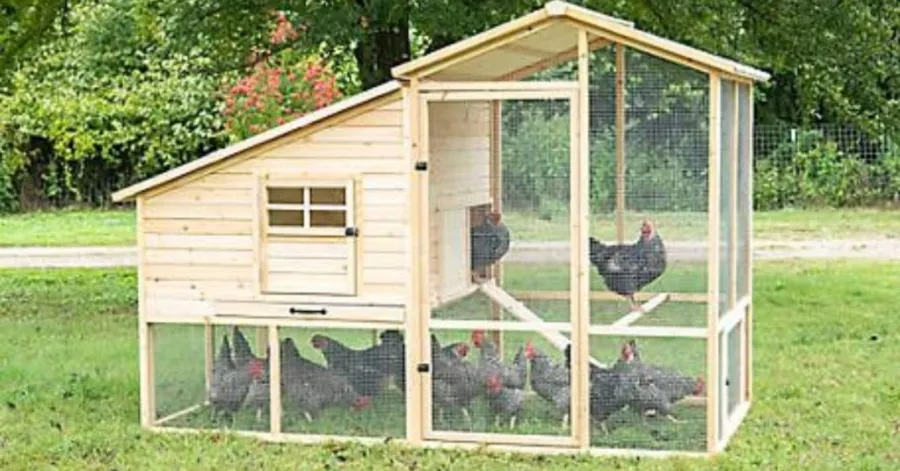
If you want to build a chicken coop on your own, you need a proper plan. Before selecting a location for your coop, be sure to check the local rules. Also, keep the selected breeds of birds in your mind while designing a coop. After finalizing a spot and arranging the necessary items, simply follow this detailed guide to start a coop easily. This blog includes expert tips so you can get perfect results and build a suitable habitat for your chicken. Here are the steps you need to take to learn how to start a chicken coop. Building a chicken coop is a lot of fun and gives you fresh eggs.
Beginner’s Guide: How to Start a Chicken Coop
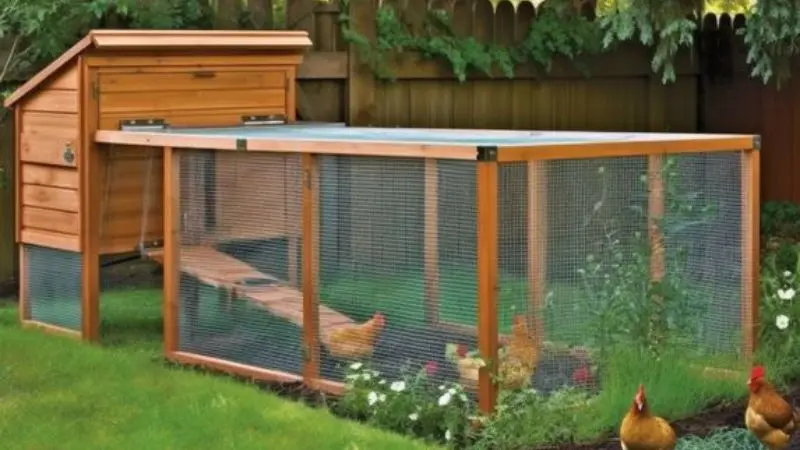
Check Local Regulations
Please check your local laws before commencing construction. Some towns have rules or regulations regarding the keeping of chickens in specific areas. You should get a permit. There are times when you can’t have as many chickens as you want. You should either contact your city office or visit their website. Find out what the rules are about noise and how far away from property lines you can be. If you live in a neighborhood with a homeowners’ association, be sure to read their rules as well.
Choose Chicken Breeds
Picking the right chicken breeds makes everything easier. Some breeds lay more eggs. Others are friendly and calm. If you want chickens that do well in cold weather, look for hardy breeds. Here are some beginner-friendly choices:
| Breed | Egg Production | Temperament | Good for Beginners? |
| Rhode Island Red | High | Calm | Yes |
| Plymouth Rock | Medium | Friendly | Yes |
| Buff Orpington | Medium | Gentle | Yes |
| Australorp | High | Docile | Yes |
You can ask local farmers or search online for more ideas. Think about what you want most—lots of eggs, friendly chickens, or easy care.
Plan Coop Location
How to start a chicken coop in your backyard? To build a backyard chicken coop effectively, you need to choose a suitable location. Chickens like the sun, but they also need shade to stay cool. Select a spot that receives morning sun and afternoon shade. Check that the area is dry. Wet spots can be bad for your health. Find a place that isn’t near busy roads. You need to keep your chickens safe from animals that prey on them, such as raccoons or dogs. Fencing keeps them secure.
Gather Materials
Now, you need to gather the necessary supplies to build your own chicken coop. You will need screws, nails, wire mesh, and wood. Get paint that won’t get wet to keep the coop safe from rain. Get door hinges and lock latches. You will need bedding materials, such as straw or wood shavings, as well as nesting boxes and roosting bars. Don’t forget to bring food and water. Here’s a simple list:
- Lumber (for frame and walls)
- Wire mesh (for windows and run)
- Roofing material
- Nesting boxes
- Roosting bars
- Feeder and waterer
- Bedding (straw or wood shavings)
- Paint or sealant
- Hinges and latches
You can find most supplies at hardware stores. Ask for help if you’re not sure what to buy.
How to Build a Chicken Coop
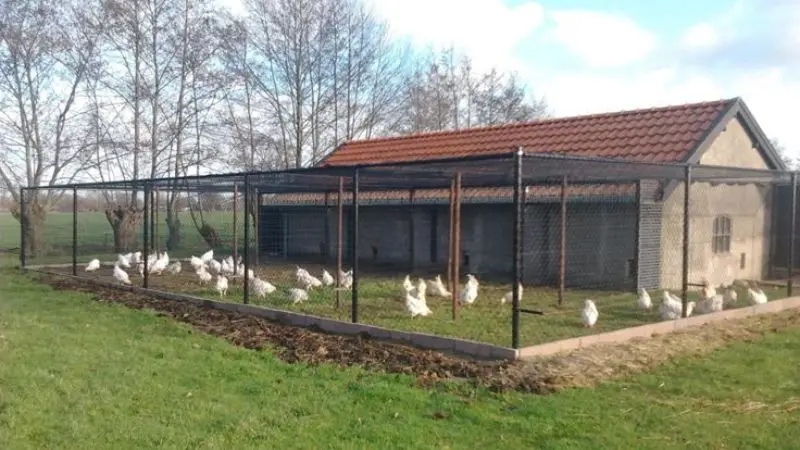
Building your own chicken coop can feel like a big job, but you can do it step by step. Here’s how to make a chicken coop that keeps your chickens safe, happy, and healthy.
Build the Structure
Begin with a strong base. Your chicken coop requires a sturdy foundation. To keep the coop off the ground, use concrete blocks, wood, or gravel as a foundation. This helps keep bugs out and stops rot. How much room do chickens need in their coop? Inside the coop, each chicken needs at least 3 to 4 square feet of space. You need at least 15 to 20 square feet of space for five chickens. Each chicken should have about 10 square feet of space in the run, which is the outdoor area. Chickens are happier when they have more room. Here are the steps to building the frame for a chicken coop:
- Mark and measure your area.
- First, make the floor.
- Put on the roof and walls.
- Use untreated wood that is safe.
- Add Roosts and Nesting Boxes
Add Nesting Boxes and Roosts
Chickens need a warm place to lay their eggs. You can make nesting boxes for your chicken coop out of wood or even clean plastic bins. Put one nesting box for every three or four chickens. Ensure the boxes are approximately 12 inches by 12 inches. Put them in a quiet, dark corner of the coop.
Roosts are where chickens sleep. Use sturdy wooden bars. Place them higher than the nesting boxes, about 2 feet off the ground. Give each chicken about 8-10 inches of space on the roost.
Install Feeder and Waterer
Your chickens require fresh food and water daily. Hang the feeder and waterer a few inches above the ground. This keeps dirt and bedding out. Place them in easy-to-reach spots, but not under the roosts. You don’t want droppings in the food or water.
You can buy feeders and waterers at farm stores. Some people make their own from buckets or PVC pipes. Just make sure they are easy to clean.
Weatherproof and Ventilated
You want your chicken coop to stay dry and comfortable. Use weatherproof paint or sealant on the outside. Check for gaps or holes. Seal them to keep out rain and wind.
Ventilation is very important. Chickens need fresh air, but you don’t want drafts. Add windows or vents near the roof. Cover them with wire mesh to keep out predators. Good airflow helps stop moisture and keeps your chickens healthy.
Set Up the Run
The run is the outdoor space where your chickens are kept. Use strong wire mesh or hardware cloth for the fence. Bury the wire at least 12 inches deep. This stops animals from digging under. Cover the top with netting or wire if you have hawks or other flying predators in the area.
Add a gate with a secure latch. Place some logs or stumps in the run. Chickens love to perch and explore. Here’s a quick checklist for your run:
- Strong fencing
- Buried wire edges
- Covered top
- Secure gate
- Shade and shelter
How to Care for Chickens
Introduce Chickens
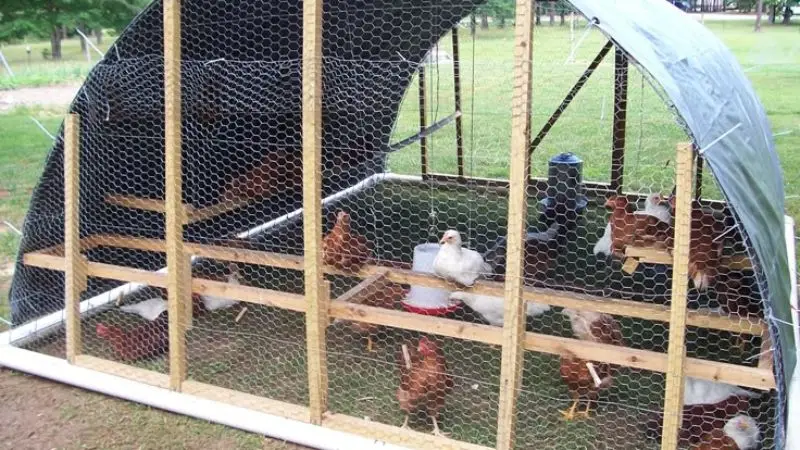
You finally finished your coop. Now it’s time to introduce your flock. Start by placing your chickens inside the coop during the day. Let them explore their new home. Keep them inside for a few days so they learn where to sleep. If you’re raising baby chicks, make sure the coop is warm and safe. After a few days, you can open the run and let them outside. Watch how they act. If you want to try letting chickens free range, wait until they know where home is.
Daily Care Routine
Raising chickens requires a daily routine. Every morning, check their food and water. Ask yourself, what do chickens eat? You can give them layer pellets, grains, and kitchen scraps. Ensure they always have access to clean water. Inspect your flock for signs of illness. Healthy chickens move around and look alert. Collect fresh eggs each day. You’ll love the taste!
- Check food and water
- .Collect eggs
- Watch for health problems
Clean and Maintain Coop
Keeping chickens healthy requires a clean coop. Remove old bedding once a week. Replace it with fresh straw or wood shavings. Scrub feeders and waterers often. Clean nesting boxes so your chickens lay fresh eggs in a tidy spot. Raising chickens gets easier when you keep things clean.
Troubleshoot Common Issues
Sometimes, raising chickens brings problems. You may notice missing feathers, reduced egg production, or sneezing. If you notice these, check for mites or illness. Ensure your coop has adequate ventilation. If you see broken eggs, add more bedding or check for bullying. Ask local experts for help if you need it. Raising backyard chickens is a learning process, but you’ll get better every day.
To Conclude
In conclusion, you now know how to build a chicken coop step by step:
- Look at the rules in your area
- Choose the right chicken breeds
- Choose where to put your coop
- Get the things you need
- Take care of and build your flock.
You can do it! You can have happy chickens and fresh eggs in no time if you do these things.
FAQ
How many chickens should you get at first?
Three to six chickens is a good number for most beginners. This number gives you enough eggs to make caring for your flock easy.
What do chickens eat daily?
Chickens eat kitchen scraps, layer pellets, and grains. You should give them new water every day. You can also give them fruits and veggies as treats.
- Pellets in layers
- Seeds
- Water that is fresh
- Fruits and vegetables
How often should you clean the coop?
You need to clean the coop every week. Change the bedding and clean the feeders. To keep your chickens healthy and happy, clean their nesting boxes often.