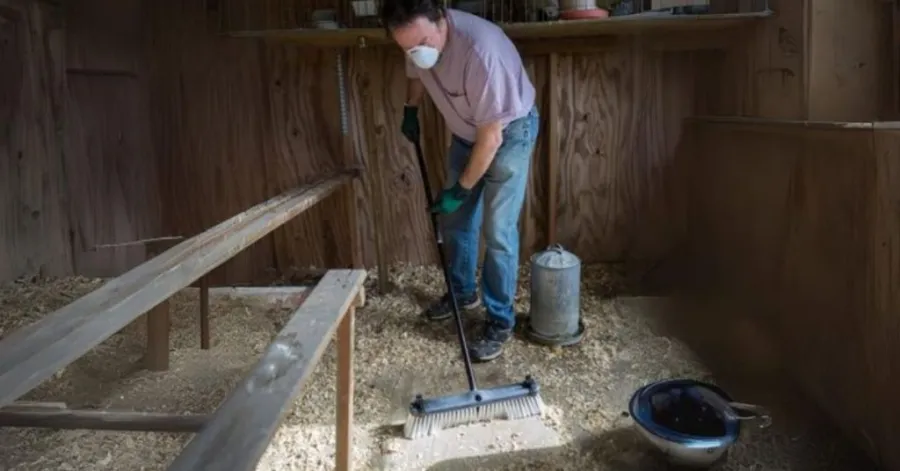
You want healthy chickens, right? Knowing how often to clean chicken coop areas is essential for maintaining their well-being. The ideal cleaning frequency for your coop depends on a routine cleaning schedule. You should clean chicken coop areas daily, swap bedding weekly, and perform a deep clean twice a year. This keeps your flock happy and reduces sickness. The best way to clean chicken coop spaces is by tackling droppings and mess before they build up. Fresh air and a clean environment help your chickens thrive.
How Often to Clean a Chicken Coop
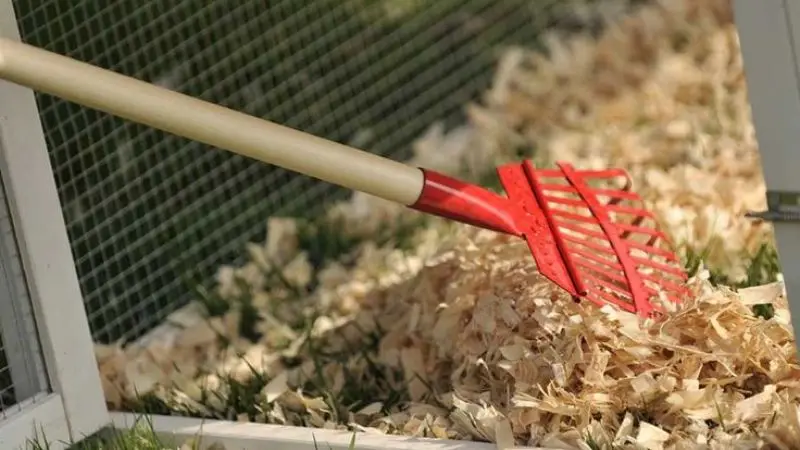
Keeping your chicken coop clean is not just about looks. It helps your chickens stay healthy and happy. How often do you clean chicken coop spaces? The answer depends on the type of cleaning you do and your flock’s needs. Let’s break down the best cleaning schedule for your coop.
Daily Droppings Removal
Every day, you should check for fresh droppings. Chickens poop a lot, especially at night when they roost. If you leave droppings to accumulate, you will notice a strong odor, and your chickens may become ill. Use a small shovel or scoop to remove droppings from under the roost bars and nesting boxes. This daily cleaning task helps keep the coop dry and prevents flies.
If you use the deep litter method, you can stir the bedding each day instead of removing all the droppings. This method lets droppings break down over time, but you still need to spot clean any wet or soiled areas.
Weekly Bedding Change
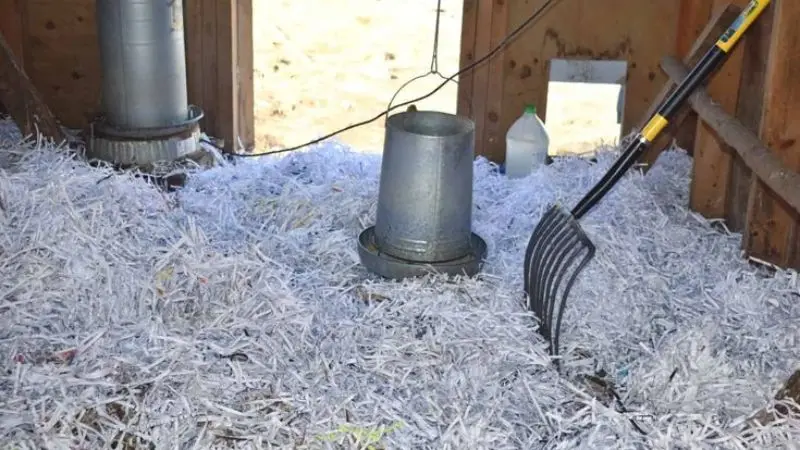
Once a week, change the bedding in your chicken coop. Old bedding holds droppings, moisture, and odor. Fresh bedding keeps the coop clean and comfortable for your chickens. Remove all the dirty bedding and replace it with clean straw, wood shavings, or another safe material.
- Wipe down surfaces with a damp cloth.
- Add a sprinkle of garden lime to help control odor.
If you notice a strong smell or see lots of droppings before your weekly cleaning, do not wait. Clean chicken coop areas right away. Your chickens will thank you!
Deep Cleaning Schedule
Plan a deep cleaning at least twice a year, or more often if needed. Deep cleaning involves removing everything from the coop, scrubbing all surfaces, and allowing the coop to air out. This is the time to disinfect the coop and inspect for pests such as mites or lice. Here’s a simple deep cleaning checklist:
- Take out all bedding, feeders, and waterers.
- Scrape off any stuck droppings from floors and walls.
- Wash surfaces with warm, soapy water.
- Disinfect the coop with a safe cleaner.
- Let everything dry before adding fresh bedding.
If you use the deep litter method, you might only need to do a deep clean once a year. Still, always watch for signs of odor or visible dirt. These mean you need to clean chicken coop areas right away, no matter your schedule. You can adjust your cleaning routine based on your flock size, coop design, and bedding type. The most important thing is to keep your chickens safe and healthy by staying on top of droppings and mess.
Chicken Coop Health Benefits
Disease Prevention
You want your chickens to stay healthy, right? Regular cleaning helps you stop disease before it starts. If you know how often you clean a chicken coop in summer. You can remove droppings and dirty bedding that can carry germs. Chickens can become ill from bacteria, viruses, and parasites that hide in messes.
If you keep a cleaning schedule, you lower the risk of disease spreading through your flock. Cleanliness means health for your chickens. A hygienic coop also protects their respiratory systems. Dust and ammonia from droppings can hurt their breathing. When you disinfect surfaces and swap out bedding, you make the coop safer for everyone.
Better Egg Quality
Clean chickens lay better eggs. When you keep the coop hygienic, you give your hens a safe place to lay. Dirty bedding is a concern because it can contaminate eggs and make them unsafe to eat. Fresh bedding and regular cleaning help keep eggs clean and reduce the risk of bacterial contamination. Cleanliness means health for your hens and your breakfast. If you follow a cleaning schedule, you will see brighter, stronger eggs. You also help prevent broken shells and odd smells.
- Clean nesting boxes every week.
- Replace bedding often.
- Collect eggs daily to keep them fresh.
Reducing Stress and Odor
Chickens feel happier in a clean coop. Bad smells and dirty bedding stress them out. Stress can reduce egg production and increase the likelihood of chickens contracting diseases. When you clean chicken coop spaces, you remove ammonia and keep the air fresh. You should know how often to clean a chicken coop in winter. A hygienic coop helps their respiratory health and keeps your yard smelling good. Bedding matters because it soaks up moisture and odor. If you notice a strong smell, increase your cleaning frequency. Your chickens will relax and thrive in a clean, comfortable home.
Factors Affecting Cleaning
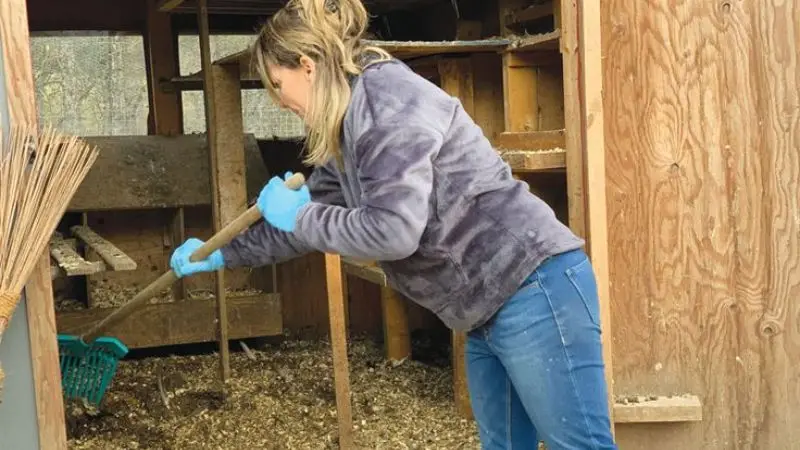
You might wonder why some chicken owners clean their coops more often than others. Several factors change how often to clean chicken coop spaces. Let’s examine the factors that impact your cleaning schedule and how you can maintain your flock’s health.
Flock Size
The number of chickens in your coop matters a lot. More chickens mean more litter, droppings, and a higher chance of infestation. If you have a large flock, you need to clean more frequently to reduce pest infestations and odors. A small flock produces less litter, so you can stretch out your cleaning schedule a bit. Always watch for signs of disease or infestation, no matter your flock size.
Coop Design
Your coop’s design can make cleaning easier or harder. A coop with good ventilation helps control odor and keeps litter dry. Raised coops let you sweep out litter quickly. Tight spaces trap moisture and litter, which can lead to infestation and disease. If your coop has removable trays or easy-access doors, you can clean faster and keep up with maintenance.
| Coop Feature | Cleaning Impact |
| Good ventilation | Reduces odors |
| Raised floor | Easier litter removal |
| Tight corners | Traps litter, pests |
Bedding Type
The type of bedding you use changes your cleaning frequency. Straw, wood shavings, and sand all handle litter differently. Some bedding absorbs moisture and odor better. The deep litter method lets you build up layers of litter and droppings, which break down over time. You stir the litter often and only do a deep clean once or twice a year. This method can reduce pest infestations and make maintenance easier, but you must watch for odors and signs of infestation.
Climate affects how quickly litter gets dirty. Wet weather makes litter soggy and can cause infestation. Hot weather increases odor and can accelerate the spread of disease. In dry climates, litter stays fresh longer; however, it is still necessary to clean and disinfect regularly. Adjust your cleaning schedule based on the season and weather.
You control how often to clean chicken coop areas by watching these factors. Stick to your cleaning schedule, check the litter, and keep your chickens healthy.
Clean Chicken Coop Tips
Time-Saving Cleaning
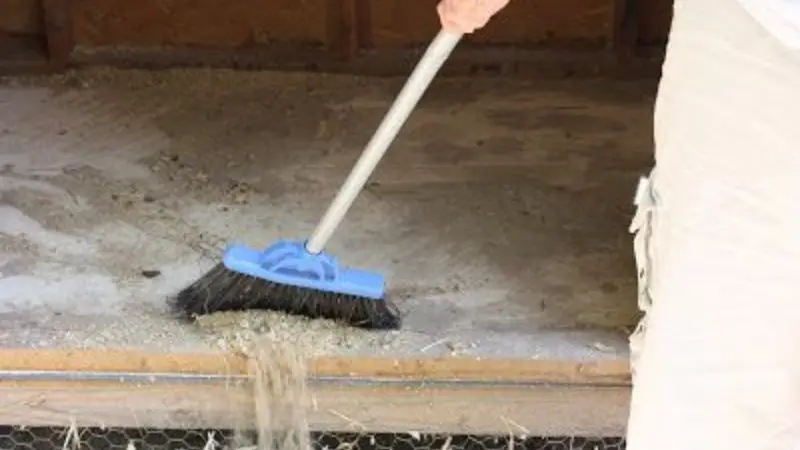
You want to spend less time cleaning and more time enjoying your flock, right? Try these easy tricks to make your cleaning routine faster and smoother. First, keep your cleaning supplies close to the chicken coop. A small bucket with gloves, a scoop, and a brush saves you trips back and forth. Use a handheld broom to quickly sweep up droppings. If you set up removable trays under roost bars, you can dump droppings in seconds. Here’s a simple list on how often to clean a backyard chicken coop to speed up your weekly cleaning tasks:
- Gather all supplies before you start.
- Remove old bedding in one go.
- Wipe down surfaces with a damp cloth.
- Replace bedding with fresh material.
- Check for damp bedding and replace it immediately.
Signs Cleaning Is Needed
Sometimes you need to clean before your regular schedule. Watch for these signs; it’s time to clean:
- Strong odor or ammonia smell in the coop.
- Wet or damp bedding that feels soggy.
- Flies or bugs gather around droppings.
- Chickens sneezing or acting stressed.
- Dirty eggs in nesting boxes.
If you notice any of these signs, it’s time to clean; don’t wait. Your chickens depend on you for a safe home. Weekly cleaning tasks help prevent odors and keep your flock healthy. A clean coop means happy chickens and better eggs.
| Warning Sign | What To Do |
| Strong odor | Clean right away |
| Damp bedding | Replace bedding |
| Dirty eggs | Clean nesting boxes |
To Sum Up
You want your chickens to stay healthy and lay great eggs, right? Keeping a regular cleaning schedule makes all the difference. Adjust your routine to fit your flock size and coop setup. A clean coop means less stress, fewer diseases, and better eggs.
- Clean often for happy chickens
- Watch for signs that cleaning is needed
- Change your schedule as your flock grows
Remember, a clean chicken coop gives your chickens a safe and comfortable home. Your flock will thank you!
FAQ
How do I know if my chicken coop needs cleaning sooner?
If you smell ammonia or see wet bedding, clean right away. Chickens acting stressed or eggs looking dirty also mean it’s time. Trust your nose and eyes. Your flock depends on you!
What cleaning supplies should I keep near my coop?
You need gloves, a scoop, a broom, and a bucket. Keep a scrub brush and safe disinfectant handy. Store everything in a small bin near the coop for easy access.
Can I use the deep litter method in any climate?
You can use the deep litter method in most climates. In wet areas, stir the bedding frequently to prevent mold growth. Dry climates work best. Always watch for odor or pests.
How often should I clean nesting boxes?
Clean nesting boxes every week. Replace bedding and remove droppings. If eggs appear dirty or you notice bugs, clean them right away. Fresh nesting boxes help your hens lay healthy eggs.
Is it safe to use bleach for deep cleaning?
You can use diluted bleach for deep cleaning. Rinse surfaces well and let everything dry before adding chickens. Never mix bleach with other cleaners. Always follow safety instructions. Safety first! Wear gloves and keep chickens out until the coop dries.