Ever looked at your brown, patchy yard and wondered, “How to revive a dead lawn?” You might feel overwhelmed, but you can bring your grass back with some easy steps. Sometimes grass only looks dead—it could just be dormant. Don’t worry! With patience and the proper steps, you’ll see green again. Select the most effective cleaning tools and seeding equipment to achieve optimal results. Remember, even the worst lawns can bounce back with just a few easy steps and a little effort.
How to Revive a Dead Lawn
Assess Lawn Condition
Before you jump into fixing your yard, you need to look closely at what’s really going on. Walk around your lawn. Check for bare spots, weeds, and areas where the grass looks thin or brown. Sometimes, you might see patches that feel spongy or have a lot of thatch. These signs help you figure out what your lawn needs. If you want to know how to revive a dead lawn, you must start by understanding its current state.
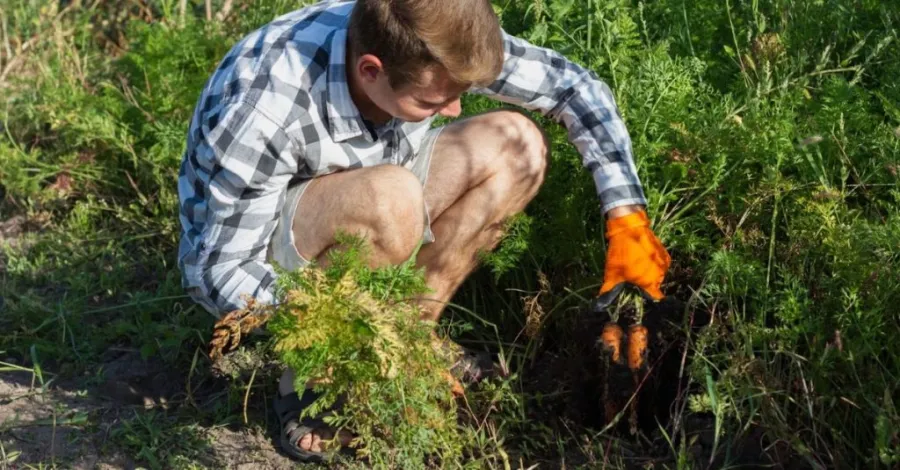
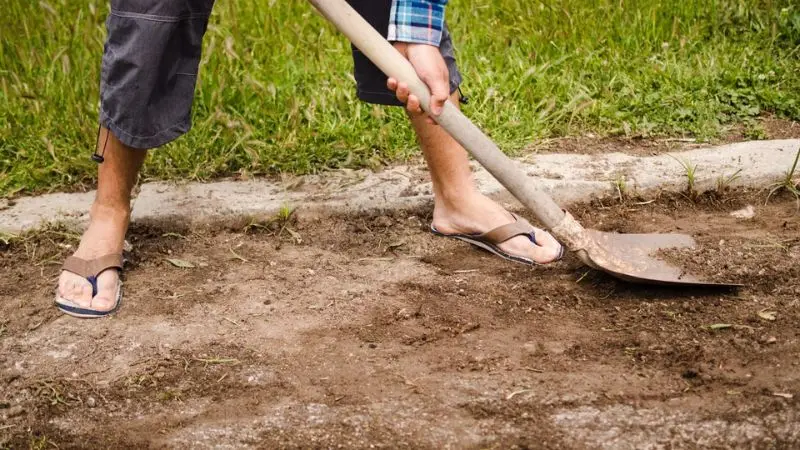
Take a small shovel and dig up a tiny section of grass. Look at the roots. Healthy roots look white and firm. Dead grass has dry, brittle roots. Clean up all the dead grass and debris with proper tools for cleaning the yard. If you see pests or signs of disease, make a note of them. This step helps you spot problems early. You can’t fix what you don’t see!
Dead vs. Dormant Grass
Now, let’s talk about the big question: how to revive a dead lawn if you’re not sure it’s really dead? Grass can go dormant, especially during hot summers or cold winters. Dormant grass turns brown but still has living roots. Dead grass, on the other hand, feels brittle and pulls up easily.
To determine if your lawn is dormant or dead, water a small area every day for a week. If you see green shoots, your grass is just sleeping. If nothing changes, it’s likely dead. Season matters, too. In summer, cool-season grasses often go dormant. In winter, warm-season grasses do the same. Knowing this helps you answer how to revive a dead lawn the right way.
Lawn Revival Steps

Remove Debris and Thatch
Start by cleaning up your lawn. Want to know how to remove debris from the yard after a storm? Pick up sticks, leaves, and any trash. Dead grass and thick layers of thatch can stop new grass from growing. Thatch looks like a brown, spongy mat on top of the soil. Use a rake to pull up the thatch. If you see more than half an inch of thatch, you need to remove it. This step helps air, water, and nutrients reach the soil. You set the stage for reviving dead grass when you clear away the mess.
Test and Prepare Soil
Healthy grass starts with healthy soil. You need to test the soil before you plant anything new. Buy a simple soil test kit at a garden store. Follow the instructions to check the pH and nutrients. To achieve the best results, conduct a soil test in multiple locations. This indicates whether your soil requires lime, compost, or other amendments.
If the soil is too acidic or too alkaline, grass will not grow well. Add lime to raise pH or sulfur to lower it. Mix in compost to boost nutrients. When you test the soil, you learn what your lawn needs. This step makes it easier to revive the grass.
Aerate and Loosen Soil
Compacted soil stops roots from growing deep. You need to loosen the soil so air and water can move freely. Aeration is the answer. Use a manual or machine aerator to poke holes in the ground. These holes let roots breathe and help water soak in. Aeration also breaks up compacted soil and gives seeds a better chance to germinate and grow.
You should focus on areas where the soil feels hard or where water pools after rain. Aeration is one of the fastest ways to fix dead grass because it helps roots grow strong. Complete this step before overseeding or laying sod.
Bring Grass Back to Life
Now you are ready to bring grass back to life. Choose the best way to clean up yard debris. After you have a clean lawn, begin by selecting the suitable grass seed for your region. Cool-season grasses are best suited for northern areas. Warm-season grasses do well in the south. Read the seed label to match your lawn’s needs.
Spread the seed evenly over bare spots and thin areas. Use a spreader for large lawns. For small patches, sprinkle by hand. Press the seed into the soil with a rake or roller. Good seed-to-soil contact is key for overseeding success. This step is the fastest way to fix dead grass and see green again.
Reseed or Lay Sod
You have two primary choices: overseeding or laying sod. Overseeding involves spreading new seed over an existing lawn. This works well for patchy or thin grass. Lay sod if you want instant results or if large areas are bare. Sod gives you a green lawn right away, but it comes at a higher cost.
When overseeding or laying sod, ensure the soil is loose and moist. Press the seed or sod down so it touches the soil. Water well after you finish. Overseeding fills in gaps and helps your lawn look thick and healthy. Laying sod is the fastest way to fix dead grass if you want quick results.
Water Well
Water is the secret to reviving dead grass. After overseeding or laying sod, it is essential to water thoroughly every day. Keep the soil damp but not soggy. Early mornings work best for watering. This helps the grassroots grow intense.
For the first two weeks, water well so the seeds do not dry out. After that, water less often but more deeply. This trains the roots to grow down into the soil. Consistent watering is the most effective way to revive dead grass and restore its health.
Fertilize and Boost Growth
The last step is to fertilize the new grass. Select a starter fertilizer specifically designed for new lawns. This provides your grass with the nutrients it needs to grow quickly and healthily. Spread the fertilizer evenly after overseeding or laying sod. Follow the directions on the bag.
You should fertilize the new grass again after four to six weeks. This keeps the lawn healthy and green. Do not use too much fertilizer. Too much can burn the new grass. When you fertilize the new grass, you help it grow thick and lush.
Maintenance and Troubleshooting

Ongoing Care
You worked hard to revive your lawn, so now you want to keep it looking great. Regular maintenance and care of the lawn make all the difference. Mow your grass often, but never cut more than one-third of the blade at a time. This keeps your lawn healthy and strong. Sharpen your mower blades to ensure a clean cut every time. Feed your lawn with fertilizer during the growing season. Choose a product that matches your grass type.
Spread it evenly and follow the instructions. Water consistently, especially during dry spells. Early morning works best for watering. You help roots grow deep when you stick to a schedule. Care for new grass by keeping foot traffic to a minimum until it becomes established. Pull weeds as soon as you see them. They steal water and nutrients from your grass. Rake up leaves and debris so your lawn can breathe. You can also opt for affordable yard debris removal services near you.
Common Problems
Sometimes, you notice patchy growth or yellow spots. These issues happen for many reasons. If you see thin areas, overseed them in the fall or spring. Use the same grass seed you used before. Water consistently to help new seeds sprout. Pests like grubs or chinch bugs can damage your lawn. Look for brown patches that lift easily.
Treat these spots with a safe pest control product. Nutrient deficiencies also cause problems. If your grass appears pale, retest your soil. Add the right fertilizer to fix the issue. If you maintain your lawn regularly and adequately, it will stay green and thick. Watch for trouble spots and act fast. You can enjoy a beautiful yard all year long.
Final Thoughts
To bring your yard back to life, you need to clean up the lawn mess, test the soil, aerate it, reseed the grass, water it, and feed it. Always follow the same care routine. Your grass will grow back, and the changes you make will last as long as you keep working on them.
Being patient pays off. In the end, the grass will turn green again if you keep trying!
FAQ
How long does it take for new grass to grow after reseeding?
In most cases, you can expect to see new grass in 7 to 21 days. The amount of time it takes depends on the kind of grass, the weather, and how often you water it. For the best results, be patient and keep the soil moist.
Can I walk on my lawn after I plant new grass?
Don’t walk on your lawn for at least three weeks after you reseed it. New grass is weak and needs time to grow strong roots. If you have to walk, use stepping stones.
What if weeds start to grow along with my new grass?
You can also cut the grass high to keep weeds from growing. Don’t use any weed killer until your new grass is strong.
How often should I give my revived lawn water?
For the first two weeks, water every day. Then, water deeply two to three times a week. The best time is early in the morning. Watering deeply helps roots get strong.
Do I have to fertilize every month?
No, you don’t have to fertilize every month. After planting, use a starter fertilizer, and then feed again in four to six weeks. Then, depending on the type of grass, fertilize it two to four times a year.