If you are tired of moss taking over your lawn, you can fix it with the right steps. Moss often grows in shady, damp, and acidic areas, so treating only the surface is not enough. Iron-based moss killers can give fast results, but lasting control comes from good lawn care. The best approach is a simple 4-step plan: remove moss, improve soil, increase sunlight, and keep your grass strong. Using tools like a lawn sweeper also helps clear debris that encourages moss. If you wonder how to get rid of the moss in your lawn, combining quick fixes with long-term habits will keep your yard green, healthy, and moss-free all year.
Why Moss Appears in Lawns
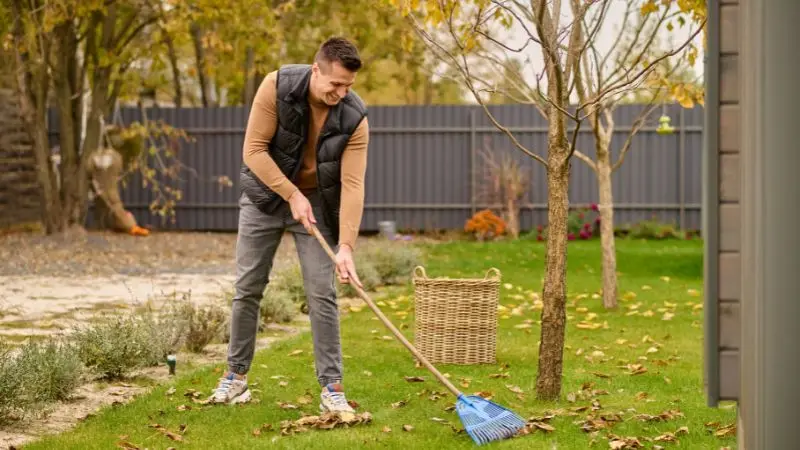
Moss often shows up when the grass is weak and the yard is not in balance. It can grow quickly in shady, damp, and poor soil conditions. To understand the best way to remove moss from a lawn, it is important to first know why moss appears. Once you identify the cause, you can stop moss from coming back and help your grass grow stronger.
Common Causes of Moss in Lawns
Moss grows where grass struggles to survive. Shady areas, poor soil, and too much water create the perfect home for moss. Overwatering your yard or leaving piles of leaves can make the soil stay damp, which invites moss.
These habits block sunlight and reduce airflow, making grass weaker. A simple trick is to check your lawn after rain. If you see puddles, it means the soil drains poorly, and moss will likely spread. By improving drainage and sunlight, you take the first step toward how to get rid of moss without chemicals.
Lawn Conditions That Help Moss Spread
Healthy grass can fight off moss, but weak grass cannot. If your soil feels packed down or very hard, grass roots cannot grow deep, which gives moss an easy chance to spread. Acidic soil also helps moss grow faster. You can test your soil with a kit from a garden store.
If the pH is low, adding lime can balance it and support grass growth. Strong, thick grass is the natural defense against moss. Fixing soil problems is one of the best ways to remove moss from the lawn because it makes the grass healthier and moss less welcome.
Problem Areas Where Moss Grows Most
Moss does not grow evenly across the lawn. It prefers shady corners, areas under trees, and places where water stays for a long time. These spots stay damp and get less sunlight, which helps moss grow. You may notice moss spreading along fences, near buildings, or in areas with compact soil.
By fixing these trouble spots, you make your yard less friendly to moss. Simple changes like trimming tree branches, cleaning up leaf piles, and improving water flow can reduce moss naturally. This is a smart step in learning how to prevent moss in the lawn naturally.
How to Get Rid of Moss in the Lawn
If you want to know the best way to remove moss from a lawn, you have a few effective options. Some methods bring quick results, while others take more effort but are more natural. You can choose between chemical treatments and organic methods. Both work, and the right choice depends on your lawn and your preference.
Remove Moss Using Chemical Methods
Chemical moss killers are popular because they work fast. Most people use iron-based products, which turn moss black in just a day or two. Once the moss dies, you can rake it away easily.
Steps for chemical moss removal:
- Pick a dry day to apply the product.
- Read and follow the instructions on the label.
- Wear gloves and old shoes to avoid stains.
- Spread evenly with a sprayer or watering can.
- Wait 24–48 hours for moss to turn black.
- Rake up and dispose of the dead moss.
Avoid glyphosate unless you plan to reseed, because it kills all plants. Always keep pets and kids off the lawn until the product dries.
Remove Moss Using Organic Methods
If you prefer how to get rid of moss without chemicals, try natural options. These take more effort but are safer for your yard and the environment.
Methods you can try:
- Raking: Use a spring-tine rake to pull up dry moss. Collect loose moss with a lawn sweeper to keep your yard clean.
- Scarifying: Use a scarifier to dig into the soil and remove moss and thatch.
- Aerating: Poke holes with a garden fork or aerator to improve drainage and airflow.
- DIY spray: Make a homemade moss killer for lawns with baking soda and water. Spray on small patches to change soil pH.
After moss removal, overseed bare patches. This helps new grass grow and prevents moss from coming back.
Application Tips for Best Results
To make your moss removal more effective, follow these tips:
- Always read the product label before use.
- Test a small patch first to check safety.
- Water your lawn a day before raking or scarifying.
- Wear gloves and eye protection for safety.
- Clean tools after use to avoid spreading moss spores.
- Try DIY sprays carefully; strong mixes may harm grass.
The best way to remove moss from a lawn is often a mix of both chemical and organic methods. By combining these approaches, you get faster results and longer-lasting protection against moss.
How to Prevent Moss in the Lawn Naturally
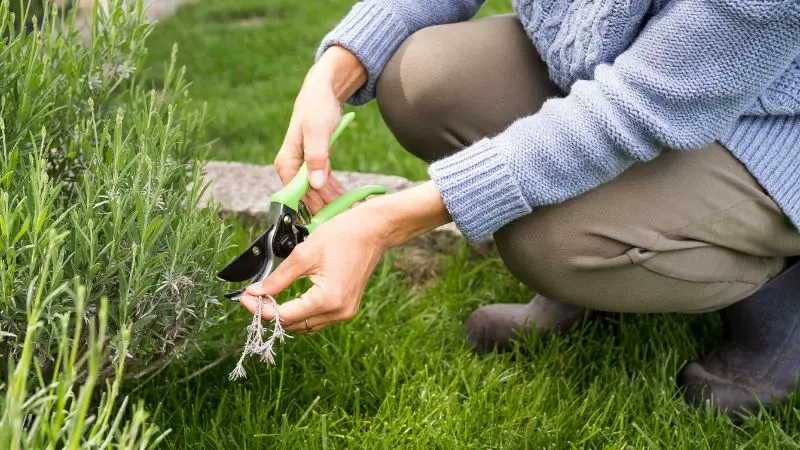
Getting rid of moss is one step. The real goal is to stop it from coming back. The good news is that with a few simple habits, you can keep your grass strong and healthy. Let’s look at the best ways to stop moss from returning and maintain a lawn you’ll enjoy all year.
Improve Drainage to Stop Moss Growth
Water that sits on the lawn creates the perfect home for moss. Improving drainage is one of the best ways to remove moss from lawn problems permanently. You can:
- Poke holes in the soil with a garden fork.
- Use a lawn aerator to help water soak into the ground.
- Add sand or compost to low spots where puddles form.
- Level uneven areas to prevent standing water.
Aerate your lawn in spring or fall. This not only improves drainage but also makes your grass roots stronger.
Adjust Soil pH for Better Grass Health
Moss grows best in acidic soil. That’s why adjusting pH is one of the smartest steps in learning how to prevent moss in the lawn naturally. To do this:
- Use a soil test kit from a garden store to check your pH.
- If the soil is too acidic, apply garden lime.
- Re-test the soil every year to keep it balanced.
When the soil has the right pH, grass grows stronger and leaves little room for moss. This natural step is safer than heavy chemicals and works long-term.
Apply lime or moss killer only when the soil is moist—not soggy—for best results.
Maintain a Thick and Healthy Lawn
The strongest defense against moss is a thick, green lawn. When grass is healthy, moss has no room to spread. Focus on good lawn care:
- Mow at the appropriate height—do not overcut.
- Plant in time to encourage growth in spring and fall.
- Roots grow strong with a deep, yet infrequent, watering.
- Rake leaves and clear debris with a lawn sweeper to let sunlight reach the grass.
Just keep in mind, it is consistency. With minimal attention, you will not only learn how to get rid of moss without the use of chemicals, but also those mosses will never return for years.
Wrap Up
Moss in lawns can be frustrating, but the solution is simple when you focus on healthy grass and smart care. First, learn why moss appears and fix the causes, like poor drainage, compact soil, or too much shade. Then choose the best way how to get rid of moss in the lawn using either chemical or natural methods.
Stay consistent with lawn care, improve soil pH, and keep your grass thick to block moss from returning. Whether you prefer a homemade moss killer for lawns or store products, patience and steady care are key to enjoying a moss-free, green yard.
FAQ
How frequently should moss killer be used?
Apply moss killer about once or twice a year, preferably in spring and fall. Always check and watch the product label to use it correctly and not to spoil your lawn.
Is it possible to grow where the moss has been taken away?
The answer to this is yes, you can grow grass when you have removed moss. Removal of rooted moss, stirring of hard ground, and harvesting of grass seed. Water frequently until the newly planted turf grows to cover the bare positions itself.
Can vinegar kill moss in your lawn?
Yes, moss may be killed by vinegar; however, your grass can also be hurt. To be safe, apply vinegar to small patches of moss or grassless areas only in order not to damage the lawn.
How do you remove moss from the lawn?
Combine these steps to remove moss from the lawn best. Feel comfortable using iron-based moss killers in order to get quick results, or, more safely, go with the method of raking, scarifying, aerating, and homemade natural sprays.
Naturally, how would you prevent moss on the lawn?
Replenishing soil pH by the application of lime, keeping grass thick and healthy, and increasing drainage can help keep moss away. These measures produce firmer turf, and they are the most efficient in preventing moss in lawns naturally.