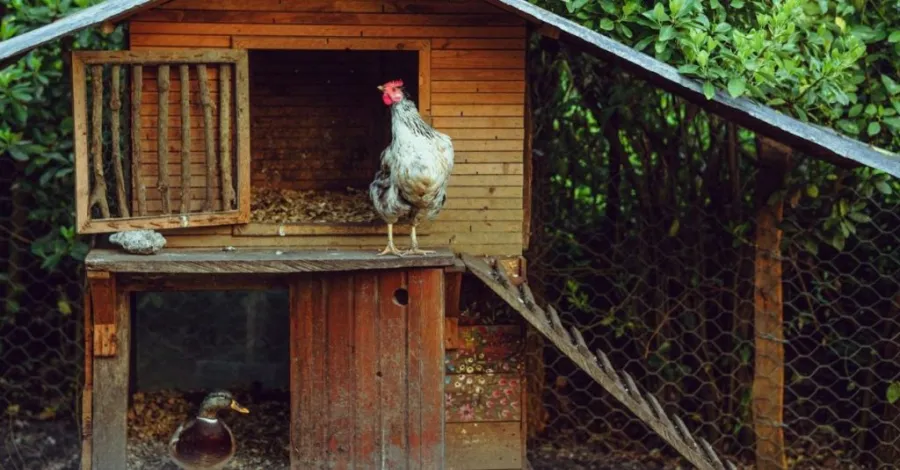
Learning how to build a chicken house may seem tricky at first, but it can be simple with the right plan. Even if you are new to building projects, clear steps make the process easy to follow. A chicken house is important because it keeps your flock safe and gives them a warm, cozy home. Good planning and the right materials help you avoid mistakes and build something strong. Step-by-step instructions guide you through the whole process. By following these tips, you can create a safe, durable, and comfortable chicken house for your birds.
Materials and Tools You Need
Before you learn how to build a chicken house step by step, it is important to prepare all the materials and tools. Using the right supplies makes your chicken coop last longer and keeps your chickens safe. A solid plan and checklist will save time and money during your project.
Materials for a Strong Chicken House
Choosing the right materials is the first step in building a long-lasting coop. Strong wood, secure mesh, and a weatherproof roof are must-haves. If you are looking for cheap ways to build a chicken house, you can also reuse some free or leftover items from your home.
Here are the main materials you should gather:
- Pressure-treated lumber for the frame and base (best for durability)
- Plywood for the walls and floor
- Galvanized wire mesh for windows and the chicken run (stops predators)
- Asphalt shingles or metal sheets for the roof
- Exterior paint or wood sealant for weather protection
- Hinges and latches for doors and gates
- Screws and nails for assembly
Always double-check your materials list before shopping. Running out of supplies in the middle of your project can delay your work.
A good chicken house needs the best wood for building a chicken house, along with a strong roof and mesh. Paint or sealant adds extra protection against the sun and rain. Hinges and latches make the coop predator-proof and secure.
Tools Required for Building a Chicken House
Once your materials are ready, the next step is to gather the tools. Most of the tools needed for a DIY chicken house with free materials are already found in a basic toolkit. You do not need expensive or professional equipment.
Here’s a simple list of tools and their uses:
- Tape measure – measure wood and spaces
- Saw–cut lumber and plywood
- Drill – make holes and drive screws
- Hammer – pound in nails
- Screwdriver – tighten screws
- Level – keep your chicken coop straight and even
- Square – check corners for accuracy
- Paintbrush – apply paint or sealant
If you want to speed up the process, a power drill and circular saw are helpful. Always wear safety glasses when cutting or drilling. Work slowly and check your progress often. With the right tools ready, you’ll find that building a predator-proof chicken house becomes much easier and safer.
Planning Your Chicken Coop
You should think it over before you start to build. Planning can save you money and has the advantage of preventing errors. Once you have the definite knowledge on what you need, then it will be easy to follow step-by-step instructions on how to build a chicken house without any possible stress in the process.
Choosing the Right Coop Plan
The key to the success of any project starts with an effective plan. During the process of seeking designs, you will come across numerous choices: large, small, and backyard-friendly. The coop size you are going to keep depends on the number of chickens you desire. No less than 3 to 4 square feet of space in each chicken.
These are the things to keep in mind when choosing a chicken coop plan:.
- Clear step-by-step instructions with pictures or diagrams
- A materials list that fits your budget (great for cheap ways to build a chicken house)
- Enough room for chickens to move freely
- Good airflow and ventilation for fresh air
Write out your plan and have it in your presence when you work. It makes you remember what to do and eliminates mistakes.
Even the chicken house that you could build with free materials reminds you a stock plan which becomes easier to follow. You will be done sooner and will be more confident with what to build.
Picking the Best Spot for Your Chicken Coop
Once you have your plan, the next step is choosing the right location. A coop should be placed in a spot that keeps your chickens comfortable and safe. Avoid areas that flood after rain and try to give them both sunlight and shade.
Use this simple checklist when selecting your site:
- Ground is level and drains well
- Area gets morning sun and afternoon shade
- Coop is easy for you to reach for feeding and cleaning
- Location is safe from strong winds
Good site selection is a key part of learning how to build a predator-proof chicken house. A well-placed coop keeps your chickens dry, happy, and healthy. With the right plan and location, you are already halfway to building a strong and lasting home.
Preparing and Building the Foundation
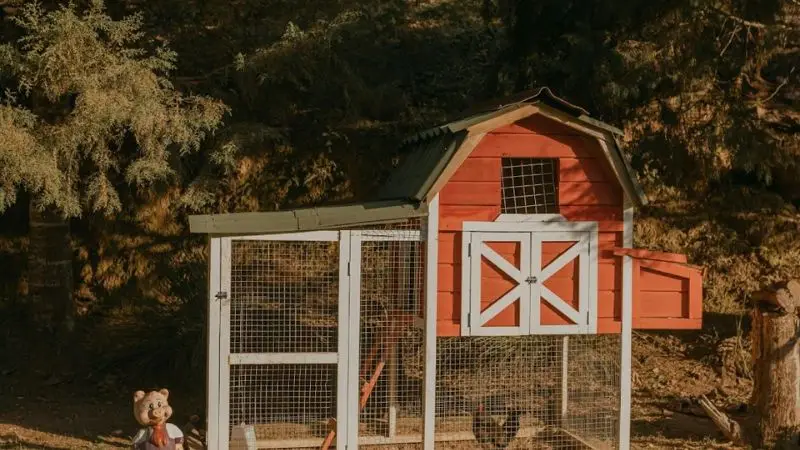
The foundation is one of the most important steps in how to build a chicken house step by step. A strong base supports the whole structure and protects your chickens from moisture and predators. Careful preparation will save you trouble later and make your coop last longer.
Ground Preparation for the Chicken Coop
Before you build, take time to prepare the ground properly. Start by clearing the area where you want to set up your coop. Remove rocks, sticks, or any old plants that might get in the way. Use a rake to smooth the soil and a shovel to level it. If the ground is soft, pack it down firmly with your feet or a tamper.
Here are some quick tips for this step:
- Choose a dry day for ground preparation
- Check for low spots where rainwater might collect
- Fill holes with extra dirt for better drainage
- Level the surface carefully for stability
Good drainage is very important. A flat and dry base helps you build a strong frame and prevents rot later. Even if you are trying cheap ways to build a chicken house, never skip this step.
Taking your time now makes the rest of the project easier and ensures your coop stands strong for years.
Building the Chicken Coop Foundation
Once the ground is ready, it’s time to build the foundation. Use stakes and string to mark the shape of your coop. Measure all sides and corners with a tape measure to keep everything square. At each corner, place concrete blocks or pressure-treated wood to support the frame. Keeping the frame raised helps protect your coop from moisture and pests.
Follow these steps for a solid foundation:
- Set blocks or wood so they sit evenly on the ground
- Use a level tool to check each piece
- Add gravel or soil underneath if needed to remove gaps
- Attach the frame pieces securely with screws
A strong frame keeps your coop stable during wind and rain. Once the base feels steady, start building the frame carefully. Always double-check your work before moving on.
Finishing this step properly makes your project smoother and ensures your coop is safe, secure, and predator-proof. With the right base, even a DIY chicken house with free materials can last for many years.
How to Build Chicken Houses: Step by Step

Now that your base is ready, it’s time to move into the main build. This is where your project takes shape. By following each stage carefully, you’ll know exactly how to build a chicken house step by step that is strong, safe, and comfortable for your flock.
Frame the Chicken Coop
The frame is the backbone of your chicken coop. Start by laying out the base frame on your prepared foundation. Use pressure-treated lumber for the bottom because it is the best wood for building a chicken house. Check that each corner is square before attaching the boards with screws. Next, stand up the wall frames one at a time and secure them to the base. Use a level to make sure everything is straight and upright.
Once the walls are in place, connect them with the top frame pieces. This locks the structure together and adds strength. Take your time with this step. If you rush, the coop may lean or wobble. A strong frame supports the roof, the walls, and the entire build. Think of this step as setting the bones of your coop — once it’s solid, the rest of the project becomes easier.
Add Walls and Insulation
After the frame is ready, you can move on to the walls. Attach plywood or another strong sheathing to each side, starting with one wall at a time. Always leave openings for windows and doors before attaching the panels. Once the sides are up, secure the back wall and front wall sheathing in place.
If you live in a colder climate, this is the time to add insulation. Foam boards or fiberglass batts can be placed between the frame and the plywood. Cover them with another layer of sheathing to seal everything in. This keeps your chickens warm in winter and cool in summer. Good walls also keep out wind and rain while making your coop more predator-proof. Even if you are using a DIY chicken house with free materials, always make sure the walls are solid and weather-ready.
Install the Floor
The floor must be strong, easy to clean, and resistant to pests. Lay plywood sheets over the base frame and secure them with screws. Make sure the sheets fit tightly against the walls so there are no gaps. Some people add vinyl or linoleum on top to make cleaning quicker. A raised floor helps water run off and stops rodents from digging inside.
Carefully check for holes along the edges. Seal them with caulk or wood filler. This small detail makes a big difference. A solid floor not only adds comfort but also prevents disease and pests. Remember, when you are learning how to build a predator-proof chicken house, the floor is one of the first barriers of safety.
Install Doors and Security Features
Doors are essential for both you and your chickens. Build a main entry door for yourself using strong wood. Attach it with sturdy hinges and secure it with a heavy-duty latch. This stops predators like foxes or raccoons from breaking in.
You’ll also need a small door, often called a pop door, for your chickens. Place it low on the wall so the chickens can move in and out easily. Make sure it opens smoothly and closes tightly. Add a sliding latch for extra protection. Always test each door before moving on to the next step. Good doors keep your coop secure day and night.
Build Nesting Boxes and Perches
Chickens need comfortable nesting boxes for laying eggs and safe perches for sleeping. Build nesting boxes with plywood, each about 12 inches wide and deep. Attach them a few inches off the floor and fill them with straw or wood shavings for comfort.
For perches, use 2×4 boards or strong wooden dowels. Place them higher than the nesting boxes so chickens naturally choose to roost there. Make sure each bird has enough space to perch comfortably. These features turn your coop from a simple shelter into a proper home. Even in cheap ways to build a chicken house, nesting boxes and perches should never be skipped.
Build a Chicken Coop Run
A run gives your flock the freedom to exercise and enjoy fresh air. Use galvanized wire mesh for the walls and roof of the run. Attach the mesh securely to a wooden frame and make sure it connects directly to the pop door of the coop. To keep predators out, bury the bottom of the mesh several inches underground.
Add a gate for easy access, secured with a latch. If possible, build the run tall enough so you can walk inside comfortably. Cover the top with mesh or a roof to protect your chickens from hawks, rain, and harsh sun. The run is one of the most important parts of how to build a predator-proof chicken house because it keeps your flock safe while giving them space to roam.
Finish with the Roof
The last big step is installing the roof. Start by attaching corrugated roofing, asphalt shingles, or metal sheets to the top frame. Always make sure the roof slopes so rainwater can drain off easily. Secure everything tightly with screws, then check for leaks after the first rain.
A strong roof shields your chickens from sun, rain, and snow. It also makes your coop last longer. Even if you are trying cheap ways to build a chicken house, never compromise on the roof. Good roofing means long-term protection and peace of mind.
When you follow these steps with care, you’ll know exactly how to build chicken houses step by step. From the frame to the roof, each part matters. With patience and attention, you’ll soon have a safe, predator-proof, and comfortable home that your chickens will love.
Safety, Customization, and Maintenance

Building the coop is just the start. To keep your chickens safe and happy, you also need to think about protection, cleaning, and a touch of style. These steps are just as important as the frame and roof when learning how to build a chicken house step by step.
Predator Protection
Your chickens must be safe during the day and the night. Such predators as raccoons, foxes, and hawks are smart and tenacious, so you must take extra precautions. Simple precautions will go a long way in ensuring the safety of your coop.
Follow these tips for safety:
- Use galvanized wire mesh for windows and the run (chicken wire is too weak).
- Bury the mesh at least 12 inches underground to stop animals from digging.
- Install heavy-duty locks on all doors and gates, since raccoons can open simple latches.
- Inspect walls and the roof for gaps, then seal them with wood or caulk.
Check your coop at night, right before going to sleep, and check weak points. Fix them right away. These minor measures play an important role in knowing how to construct a predator-proof chicken home.
Cleaning Tips for a Healthy Coop
A clean coop keeps your flock healthy and prevents disease. The best part is you don’t need fancy supplies—just a broom, soap, and a regular routine. Even in cheap ways to build a chicken house, cleaning makes it last longer and smell fresher.
Here’s a simple schedule to follow:
- Weekly – Change bedding and clean feeders
- Monthly – Scrub perches and walls
- Every 3 months – Deep clean the entire coop
Fresh bedding not only controls odor but also keeps bugs away. When you stick to a schedule, cleaning feels easy and becomes part of your normal routine. This is another step that makes your DIY chicken house with free materials safe and welcoming.
Personalizing Your Coop
Your chicken coop doesn’t have to be plain. You can add fun touches that reflect your personality while still keeping it practical. Small details make your coop look good and create a cheerful space for your chickens.
Here are a few simple ideas:
- Paint the outside with bright colors or fun patterns
- Add flower boxes or plant herbs around the coop
- Hang a chalkboard for egg counts or notes
- Build a small ramp for chickens to climb
- Use signs or decorations on the door
Personalization makes your coop unique and cozy. Your chickens may not notice the decorations, but you will love the look of a cheerful space in your yard. With style, safety, and regular care, your chicken coop will last for years and always feel like home.
Wrap Up
Building a chicken coop may seem like a big job, but when you follow each step carefully, it becomes simple. From planning and preparing the ground to framing, walls, and roofing, you now know exactly how to build a chicken house step by step. Use strong wood, add predator-proof features, and keep your coop clean for happy, healthy chickens. Even with cheap ways to build a chicken house or a DIY chicken house with free materials, you can create a safe and lasting home. With the right plan and care, your flock will enjoy comfort for many years.
FAQ
What is the number of chickens I can have in my coop?
You would like at least 3 to 4 feet of this inside the coop per chicken. When you have a 4/8 Port coop, you can comfortably house some 8 to 10 chickens.
What is the most appropriate bedding for a chicken coop?
Pine shavings work great. They manage scent and are dry. Straw is another good choice. Never use cedar shavings, as this will injure your chickens.
At what frequency should I be cleaning the chicken coop?
You are supposed to dispose of soiled bedding and droppings in one week. Intensive cleanliness of the coop at the interval of three months. Wash waterers and feeders once weekly to keep your chicks in good health.
Should I use insulation on my chicken coop?
Insulating your chickens is useful to keep them warm, should you be in a cold place. Good ventilation is important in hot areas. Foam boards or fibreglass batts can be used as an insulator.
What do I do to make sure predators do not access my chicken coop?
Do NOT use chicken wire. Plug the mesh at least 12 inches. Close all night doors and windows. Check for holes or gaps often. These measures will keep your chickens yet!