You just finished mowing the lawn, step back to admire your work… and something still feels off. The grass looks neat, sure, but the edges are rough, uneven, and kind of messy; not exactly the crisp finish you were going for. That’s where edging comes in. Learning how to edge your lawn like a pro can take your yard from “pretty good” to “magazine cover.”
And with the right tool, it’s easier than you think. This guide will walk you through how to edge your lawn with an edger so your lawn looks sharp, clean, and professionally done every single time.
Why Should You Edge Your Lawn?
1. Curb Appeal
You want your yard to look sharp and inviting. Clean lawn edges make a huge difference. When you use an edger to create crisp lines, your yard stands out so its important to know how to edge your lawn with an edger. Neat lawn edging ideas can boost your home’s value and make your space look well cared for. Studies show that strong curb appeal can raise home sale prices by 5% to 11%. Buyers notice tidy lawn edges and well-defined borders. These details signal that you take pride in your home.
Tip: A solid edger line keeps grass and mulch where they belong. You spend less time on edge trimming and weeding.
2. Plant Protector
Edging does more than look good. It protects your soil, mulch, and plants. A strong edger barrier stops grass from creeping into flower beds. You also get less washout after rain. With the right edger, you spend less time on edge trimming and more time enjoying your yard.
- Clean, crisp borders make your yard look professional.
- Edging keeps mulch and soil in place.
- You cut down on trimming and weeding.
- A good edger line protects your plants and makes mowing easier.
What is The Difference Between Edging vs. Trimming?
You might wonder if edging and trimming are the same. They are not. Edging uses a tool called an edger to cut a clear line between your lawn and other areas, like sidewalks or flower beds. This creates a sharp, lasting border. Trimming, or edge trimming, just cuts grass that grows over the edge. It does not create a deep, defined line.
Think of edging as drawing a bold outline. Trimming is like coloring inside the lines. You need both for a neat yard, but only edging gives you that pro look. Many experts recommend using high-quality plastic or steel edger materials. These last longer and handle tough weather. They also make your lawn easier to care for all year.
Note: Try edging after a rain when the soil is soft. Your edger will cut cleaner lines.
How to Edge Your Lawn Along Sidewalks and More
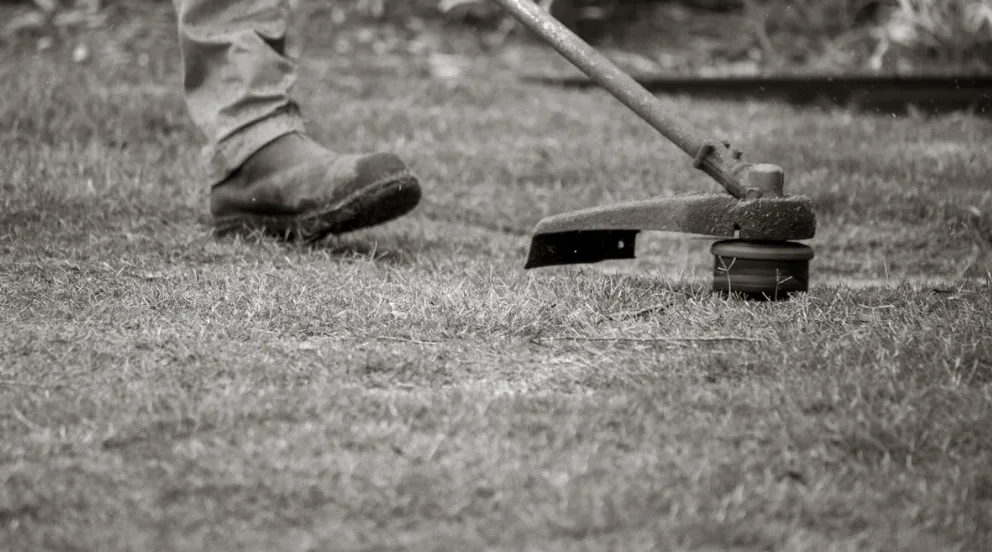
You want to know how to edge your lawn like a pro? You can do it! With the right steps and tools, you will create a crisp, clean lawn edge that makes your yard look amazing. Let’s break down how to edge your lawn so you get results that impress your neighbors.
1. Gather Tools and Safety Gear
Before you start, gather everything you need. The right tools make a big difference. Here’s what you should have:
- Edger (manual, rotary, or power)
- String trimmer (if you want to learn how to edge with a string trimmer)
- Half-moon edger or flat spade (for manual work)
- Hose or string (for marking lines)
- Rake and broom
- Safety gear: gloves, goggles, ear protection, boots
Safety first! Wear gloves to protect your hands, goggles for your eyes, and ear protection if you use loud tools. Many experts say that using proper safety gear prevents injuries from flying debris, loud noise, and sharp blades.
2. Mow and Clear the Area
Start by mowing your lawn. Short grass helps you see the edge better. Next, clear away sticks, rocks, toys, and anything else in your way. This step keeps your tools safe and helps you create a lawn edge that looks neat.
- Remove debris like leaves, rocks, and pet waste.
- Move garden tools and furniture out of the way.
- Mow the grass so it’s even.
Pro tip: Clearing the area before you create a lawn edge stops mower damage and gives you a smooth path. Experts say this step also helps prevent weeds and keeps your lawn edge sharp.
3. Mark the Edge Line
Now it’s time to mark where you want your lawn edge. Use a garden hose for curves or string for straight lines. Peg the string down so it stays tight. Step back and look at your line from different angles. Adjust until you like the shape.
- For straight lines, use string and pegs.
- For curves, lay out a hose in the shape you want.
- Make sure the line is clear and easy to follow.
4. Cut and Create a Lawn Edge
Now you’re ready to learn how to cut a straight edge in grass. Choose your preferred tool—manual, rotary, or power edger. If you want to know how to edge with a manual edger, use a half-moon tool or flat spade. For straight lines, a power edger works fast. For curves, manual tools give you more control.
Here’s a step-by-step guide on how to edge a lawn:
- Place your edger blade right on the marked line.
- Push the blade straight down, about 2-3 inches deep.
- Move along the line, making small, overlapping cuts.
- For curves, take your time and follow the hose or string.
- For hard surfaces, use a jointing knife for a clean finish.
- Remove the strip of grass and soil by hand or with a spade.
Tip: Edge when the soil is moist, not soggy. This makes it easier to create a lawn edge without tearing the grass.
If you want to know how to edge with a rotary edger, roll the tool along the line, letting the blade cut through the turf. For power tools, keep the edger level and walk slowly for a straight, even cut.
5. Refine and Clean Up
After you create a lawn edge, check your work. Look for spots that need more trimming. Use edging shears or a trimmer to tidy up any rough areas. Rake away loose soil and grass. Sweep sidewalks and driveways for a polished look.
- Trim any uneven spots.
- Rake up debris and clippings.
- Sweep hard surfaces for a clean finish.
A freshly cut lawn edge stands out when you clean up well. Experts say that removing clippings and soil helps your lawn stay healthy and keeps your lawn edge looking sharp.
Tips for Straight and Curved Edges
- For straight lines, keep your body steady and move your feet, not just your arms.
- For curves, go slow and check your line often.
- Keep the depth even all the way along.
- Edge regularly to keep your lawn edge crisp.
Want to create new edges? Use the same steps. Mark, cut, and clean for a pro finish every time.
What Tools Do You Need For Edging?
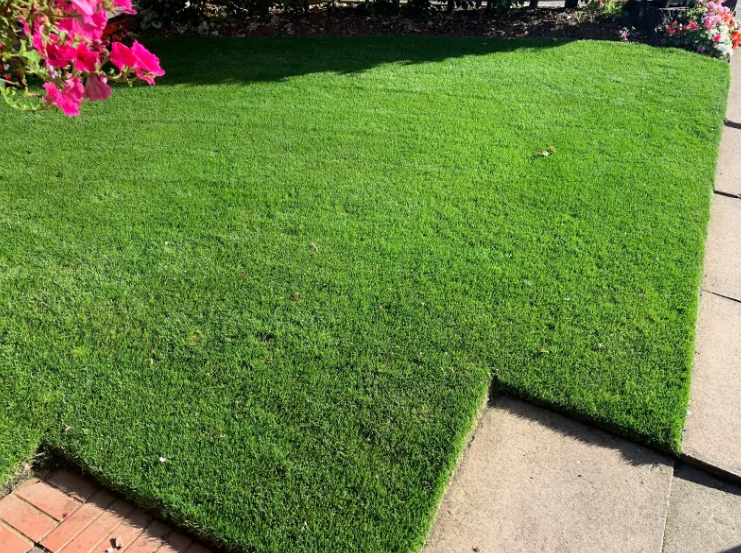
If you want to edge your lawn like an expert, you’ll need the right tools by your side. You have lots of choices for edger tools. Manual edgers work well for small jobs and curves.
Here’s a quick breakdown of the types of edgers out there, what they’re best for and the pros and cons for each.
| Tool Type | Best For | Pros | Cons |
| Manual Edger | Curves, small areas | Precise, quiet | Takes more effort |
| Rotary Edger | Regular maintenance | Easy to use, fast | Not for thick turf |
| Power Edger | Long, straight lines | Quick, strong cut | Louder, needs power |
| String Trimmer | Tight spots, edges | Versatile, lightweight | Less defined edge |
Try different tools to find what works for you. Learning how to edge your lawn with each tool helps you get the best results.
Edging Maintenance Tips
1. Keep Edges Sharp
You want your yard to look its best all year. Keeping your edger handy and using it often helps you maintain a crisp lawn edge. Experts say that maintaining lawn edges is one of the most important parts of a good lawn care routine. Sharp edges make your yard look neat and boost curb appeal.
- Homes with sharp mowing and consistent edging can see property values rise by up to 15%.
- Regular care prevents soil compaction and lawn diseases.
- Nearly 60% of lawn problems come from poor care, not just mowing or watering.
You should check your lawn edge every week. If you see grass creeping over, grab your edger and tidy it up. This habit saves you time and money later.
Tip: Use your edger after mowing. This keeps the line clean and stops grass from spreading into flower beds.
2. Avoid Common Mistakes
Many people ask, “how often should I edge my lawn?” The answer depends on your grass type and how fast it grows, but most yards need edging every 1-2 weeks. If you skip this, grass can quickly blur the border.
Here are some mistakes to watch for:
- Cutting too deep with your edger can damage roots.
- Uneven pressure makes a wavy lawn edge.
- Forgetting to clean up after edging leaves clippings and soil behind.
If your edge looks uneven, mark a straight line with string and follow it with your edger. To fix wavy spots, cut a new line and remove extra grass.
Pro tip: Always edge when the soil is moist, not dry or soggy. This helps your edger glide smoothly.
3. Seasonal Edging Tips
You need to adjust your edging habits as the seasons change. In spring, soil is soft and grass grows fast. This is the best time to refresh or create a new lawn edge. Summer brings heat, so water lightly before using your edger. For fall, edge before the first frost to protect borders during winter.
Seasonal data shows that following these tips keeps your lawn healthy:
- Spring: Edge when soil is above 55°F and moist.
- Summer: Edge more often for fast-growing grass.
- Fall: Edge before winter to keep lines clear under snow.
Note: Tailoring your edging to the season helps you maintain existing lawn edges and prevents grass from encroaching.
FAQ
How do I keep my lawn edges straight?
You can use a string or garden hose as a guide. Place it along the area you want to edge. Follow the line with your edger. Step back often to check your progress. This helps you keep the edge neat and straight.
Can I edge my lawn if the soil is dry?
You should wait until the soil is moist. Dry soil makes edging harder and can cause rough edges. Water your lawn lightly the day before. This makes it easier for your tool to cut clean lines.
What should I do if grass grows over my lawn edge?
You can use your edger or a spade to cut away the overgrown grass. Pull up any extra roots by hand. Regular edging stops grass from spreading into flower beds or walkways.
Is it okay to edge my lawn after mowing?
Yes, you can edge right after mowing. Short grass lets you see the edge better. This makes your work easier and helps you get a crisp finish every time.
How often do you need to edge your lawn?
Edge your lawn every 1-2 weeks during the growing season. Regular edging keeps your lawn edge trimmer sharp and stops grass from creeping into flower beds.
Conclusion
You can edge your lawn like a pro with a little practice. Don’t stress if your first try isn’t perfect. Every time you work on your lawn, you’ll get better and see sharper results. Take your time, enjoy the fresh air, and watch your lawn transform. Stand back and feel proud of your crisp lawn edges.
Of course if you plan to learn how to edge your lawn perfectly, you will need some good equipment, look no further because VEVOR has you covered! From lawn mowers to trimmers, we have it all!