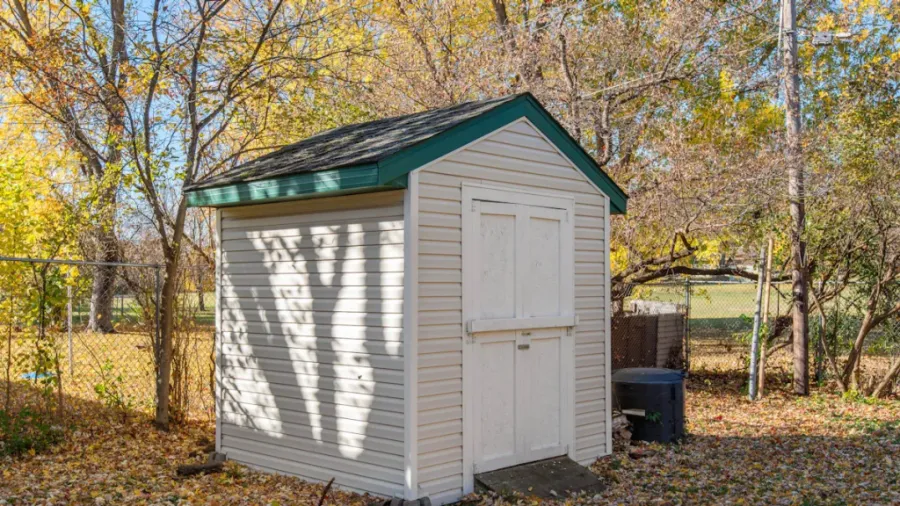
Imagine walking into your shed in winter and feeling warm. You can also feel cool air in summer. When you know how to insulate a shed, you get that feeling exactly! But how do you insulate your shed? In this article, we’re going to teach you how to insulate a shed floor, wall, roof and more! Let’s start:
How to Insulate a Shed
Insulating your shed keeps it comfortable in every season, warm in winter, cool in summer, and dry year-round. While you work, protect your tools and materials with the Outdoor Storage Shelter. This 7×12 ft waterproof canopy offers reliable, portable coverage, making your project smoother and your gear safer, no matter the weather.
Materials and Tools
You want to pick materials that keep your shed cozy and dry. Most people use fiberglass batts, mineral wool, foam boards, or spray foam. These materials have high R-values, which means they resist heat flow and help control temperature.
Fiberglass and mineral wool are popular because they last long and keep their shape. ASTM tests show they lose less than 2% of their insulating power, even in hot weather. Foam boards give you a high R-value per inch and work well in tight spaces.
You also need a utility knife, tape measure, staple gun, safety gear, and a saw for cutting boards. Checklists and video guides are useful for many people to ensure that everything goes as planned.
Walls
When learning how to insulate a shed from the inside, the walls should be the first thing you think about. First, measure how far apart the studs are. Cut your insulation to ensure it fits snugly.
Press fiberglass or mineral wool batts in between the studs. Make sure the foam boards fit snugly after cutting them to size. Spray foam works well for filling in gaps and irregular shapes.
After you install the insulation, cover it with a lining board like plywood or drywall. This keeps the insulation in place and gives your shed a finished look.
If you want the best insulation for outdoor shed walls, mineral wool and foam boards both work well. They resist water and mold, which is important in damp climates.
Roof
The roof is where a lot of heat escapes or enters. You should measure the space between rafters and pick insulation that fits.
Fiberglass batts are common, but they can be tricky to fit around corners and wires. Spray foam expands to fill every gap, making it great for odd shapes and tight spots. Foam boards also work if you want a DIY-friendly option.
Spray foam gives you the best seal and moisture protection, but it costs more. If you want to balance cost and performance, you can use a hybrid system, spray foam for the first layer, then fiberglass batts on top. This combo gives you a high R-value and keeps condensation away.
- Closed-cell spray foam at 5 inches gives an R-value of about 24.4.
- A hybrid of 2 inches spray foam plus 3.5 inches fiberglass batt gives a similar R-value.
- Sealing gaps is key. Even the best insulation loses power if air leaks in.
Floor
Many people forget the floor when thinking about how to insulate a shed. Cold air and moisture can sneak in from below. You have two main options.
If your shed floor is plywood, you can lift it and put insulation between the joists. Mineral wool or foam boards work well here. If you can’t lift the floor, you can lay rigid foam boards on top, then cover them with plywood or vinyl sheeting.
If you want to know how to insulate a shed floor, remember to seal the edges so moisture can’t get in. This step helps prevent mold and keeps your shed dry.
Vapor Barriers
Moisture is a big enemy of sheds. Vapor barriers stop water vapor from getting into your insulation and causing mold. You should install a vapor barrier on the warm side of your insulation, usually the inside wall. Use plastic sheeting or special vapor barrier products.
- Vapor barriers prevent mold, mildew, and wood rot.
- They improve air quality and help your shed last longer.
- Sealed sheds use less energy because they keep the temperature steady.
For added efficiency, insulate exposed pipes or tight crevices with VEVOR Pipe Insulation Wrap. This self-adhesive foam tape seals small gaps, reduces heat loss, and adds an extra moisture barrier, ideal for climate control in any shed.
Ventilation
You might think sealing your shed tight is best, but you also need fresh air. Good ventilation stops moisture from building up inside. You can add vents near the roof or use a small fan. This keeps air moving and helps your insulation work better.
- Ventilation prevents mold and keeps the air fresh.
- It works with vapor barriers to control moisture.
- Even the best insulation for outdoor shed walls needs airflow to stay dry.
Maintenance and Tips

The air feels clean, and the walls seem dry. Last year, you remember being worried about damp spots and musty smells. Now you want to keep your shed in the best possible shape. Here’s how to protect your work and make sure your shed insulation project lasts for many years.
Moisture Control
Moisture sneaks in when you least expect it. You should check for leaks, damp patches, or condensation often. Good airflow helps a lot. Vents or a small fan keep the air moving and stop mold from growing. Studies show that regular moisture control in insulated sheds lowers the risk of mold and decay. When you use the best insulation for outdoor shed walls and keep moisture out, you get better energy savings and a healthier space.
Regular Checks
You should look over your shed every season. Watch for cracks, gaps, or damaged insulation. Experts say that checking insulation every 6 to 10 years helps catch problems early. Quick fixes, like resealing small holes or replacing wet insulation, save you money and trouble.
You now know how to insulate a shed for every season. With the right materials and regular checks, your shed stays comfortable and dry. You save energy and avoid repairs. A well-insulated shed adds value to your space.
FAQ
How easy is it to insulate a shed?
You can handle most steps with basic tools. Many people find how easy is it to insulate a shed depends on the materials and your comfort with DIY projects..
What is the best insulation for outdoor shed walls?
You get great results with mineral wool or foam boards. These resist water and mold. Many people say they last longer and keep the shed comfortable.
How to insulate a shed floor and keep it dry?
You should use foam boards or mineral wool under the floor. Seal the edges well. This keeps out moisture and helps your shed stay warm and dry.
Conclusion
Insulating your shed the right way means year-round comfort, lower energy use, and better protection from moisture. With the right materials, proper ventilation, and regular maintenance, your shed becomes a functional, weatherproof space.
Whether you’re sealing floors or insulating walls, each step adds lasting value. For high-quality insulation tools and durable shed accessories, trust VEVOR, built for DIYers, made to perform, and ready to transform your space.