It’s essential to have clean and safe water for your health, but sometimes tap water has minerals, pollutants, or other contaminants. A lot of individuals have trouble acquiring clean drinking water without having to buy pricey bottled water. The good news is that you can distill water right in your kitchen.
In this blog, we’ll talk about how to distill water at home with simple tools. You’ll learn a simple, cheap way to make clean water for drinking, cooking, appliances, and more.
Essential Tools for Distillation
Kitchen Items List
Before you begin, get the Kitchen tools you need to know about how to distill water at home without a distiller:
- A big pot with a lid (glass is better because you can see through it)
- A bowl that can handle heat (glass or metal works best and is smaller than the pot)
- A stove or other heat source, such as a hot plate
- Ice cubes (to make condensation)
- Tongs or oven mittens (for safety)
Tip: If you’re using a metal bowl, keep it from touching the bottom of the pot by putting it on a rack or jar lids.
Here’s a quick look at what you need:
| Item | Purpose |
| Large pot & lid | Holds water and catches steam |
| Heat-safe bowl | Collects distilled water |
| Stove/heat source | Heats the water |
| Ice cubes | Helps with condensation |
| Tongs/oven mittens | Protects your hands |
Optional Tools
You don’t have to use optional tools to make distillation easier, although they can help. You can still learn how to make distilled water at home easily with just the basics, but these extras can improve efficiency..
- Cooling rack or trivet
Keeps the bowl from touching the bottom of the pot - Thermometer
Keeps the water from boiling too hard as it simmers - Measuring cup
Helps measure and pour the water you’ve gathered - Clean funnel
Makes it easy to bottle distilled water.
You’re ready to start distilling after you have all the supplies.
How to Distill Water at Home
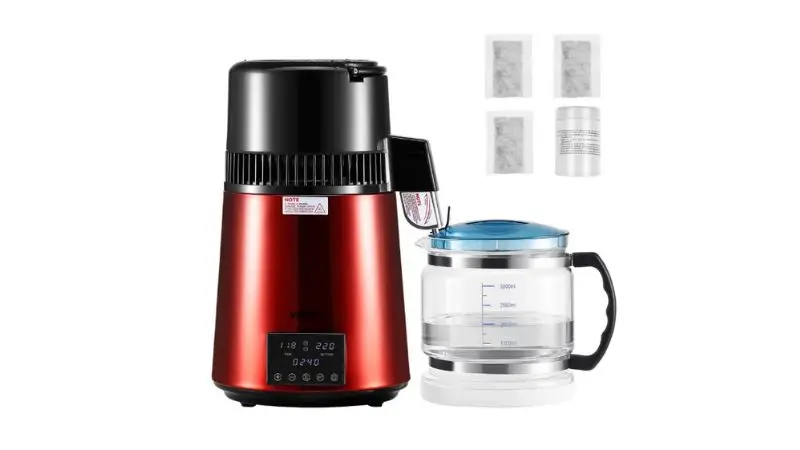
It’s easier to learn how to use kitchen tools to distill water than you think. The stovetop pot method helps you simply manufacture distilled water using things you already have around the house. You also learn what each step does and why it’s essential for safe, clean water at home.
Setup
Set up your tools to start the simple method to distill water at home:
- Put a big pot on the burner.
- Put enough tap water in it to distill it, but not so much that it touches the basin.
- Put a bowl that can handle heat in the middle, either floating or on a rack, without touching the pot’s bottom.
- Turn the pot cover upside down so that the handle points toward the bowl. This will let steam into the bowl.
- Make ice cubes so they can condense.
Tip: Use a clean rock to weigh down the bowls that are floating.
Here’s a quick setup checklist:
| Step | What to Do | Why It Matters |
| 1 | Put on the stove | Base for the process |
| 2 | Add water | Source for distillation |
| 3 | Place the bowl inside | Collects distilled water |
| 4 | Lid upside down | Guides steam to condense |
| 5 | Prepare ice | Helps with condensation |
Heating & Collecting
Here’s how to distill water at home without a distiller using a simple stovetop method. Gentle heat allows steam to form, condense, and collect as pure water.
- Set the stove to medium heat and let the water simmer.
- Steam rises and collects on the lid that is turned upside down.
- The angled lid directs droplets into the bowl.
- Keep an eye on the process and turn down the heat if it starts to boil too quickly.
- For safety, use tongs or oven mittens.
- Check the bowl every so often to see whether it has any distilled water in it.
Tip: To distill water at home without a distiller, use gentle heat, an inverted lid, and oven mittens, monitoring closely for steady condensation and safe collection.
Cooling & Condensing
The final step of how to make distilled water at home easily involves cooling the steam so it condenses into pure water.
- Put ice cubes on the lid that is upside down. The cool surface helps the steam change to water more quickly.
- Pour off the water as the ice melts and add more ice to keep the lid chilly.
- Steam cools down and turns into droplets that fall into the basin.
- Turn off the stove and let the water cool before taking off the lid.
- Don’t allow melting ice water to drip into the pot.
Other Ways to Distill Water
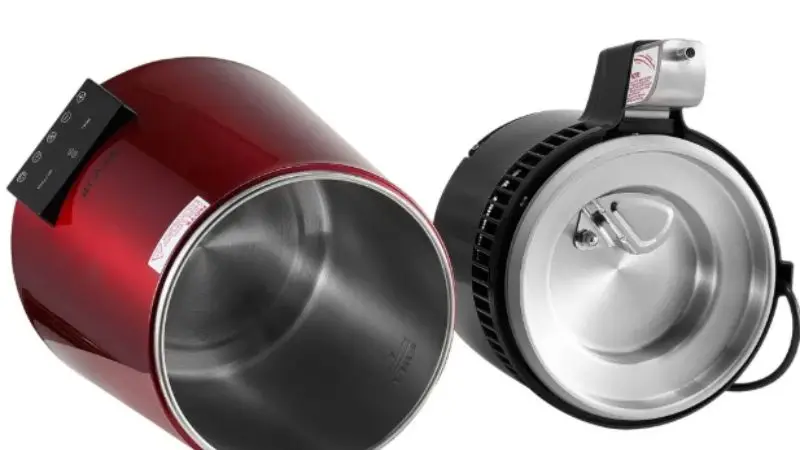
If you’re curious about how to distill water using kitchen equipment, there are alternative methods besides the stovetop. It can work to use a microwave with a bowl and plate that can handle heat, or to use solar distillation with a clear container and plastic wrap in the sun. But the cooktop is still the quickest and most straightforward choice.
A quick review:
- Get the pot, bowl, and lid ready.
- Gently heat the water.
- Put ice into the steam to make it thicker.
- Gather distilled water and cool it down.
You may now make clean water right in your kitchen.
Safety and Hygiene Tips
Handling Heat
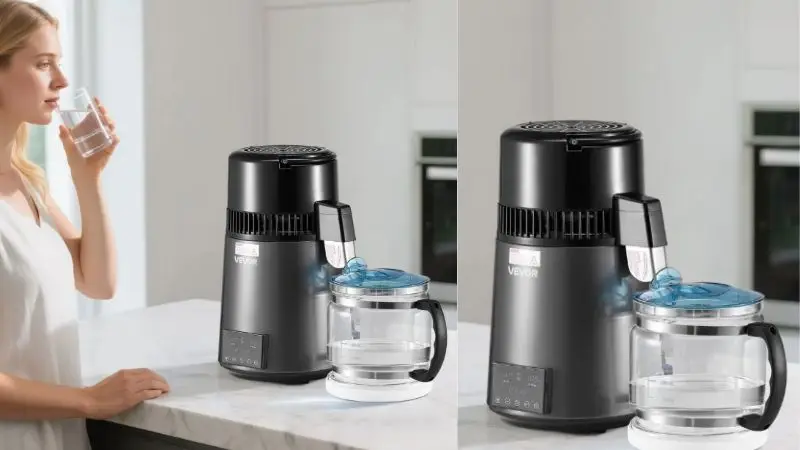
Distilling water involves hot pots, steam, and boiling water, so safety is key. A simple method to distill water at home still requires care. Protect yourself by following these tips:
- When you touch the pot, lid, or bowl, use oven mittens or thick towels since they get very hot.
- Don’t touch your face or hands with steam; it can burn you faster than boiling water.
- To keep from bumping into anything unintentionally, turn the handles of the pots inside.
- Always keep an eye on the stove; don’t leave it alone.
- Wait for everything to cool down before taking off the cover or bowl.
Tip: Distilling water involves heat and steam, so use oven mittens, turn pot handles inward, and never leave the stove unattended.
Reminder for safety:
Hot steam and metal can hurt you. Use tongs or mittens all the time. To avoid slipping, clean up spills right away. While you work, keep kids and dogs out of the kitchen.
Preventing Contamination
To keep your distilled water pure and safe, cleanliness is essential. Even when using how to distill water at home without a distiller, hygiene shapes the result.
- When you touch the pot, lid, or bowl, use oven mittens or thick towels since they get very hot.
- Don’t touch your face or hands with steam; it can burn you faster than boiling water.
- To keep from bumping into anything unintentionally, turn the handles of the pots inside.
- Always keep an eye on the stove; don’t leave it alone.
- Wait for everything to cool down before taking off the cover or bowl.
Reminder for safety:
Hot steam and metal can hurt you. Use tongs or mittens all the time. To avoid slipping, clean up spills right away. While you work, keep kids and dogs out of the kitchen.
| Step | Why It Matters |
| Wash all equipment | Removes germs and dirt |
| Use clean containers | Keeps water pure |
| Cover water | Stops dust and bugs |
Proper Storage and Practical Uses
Safe Storage
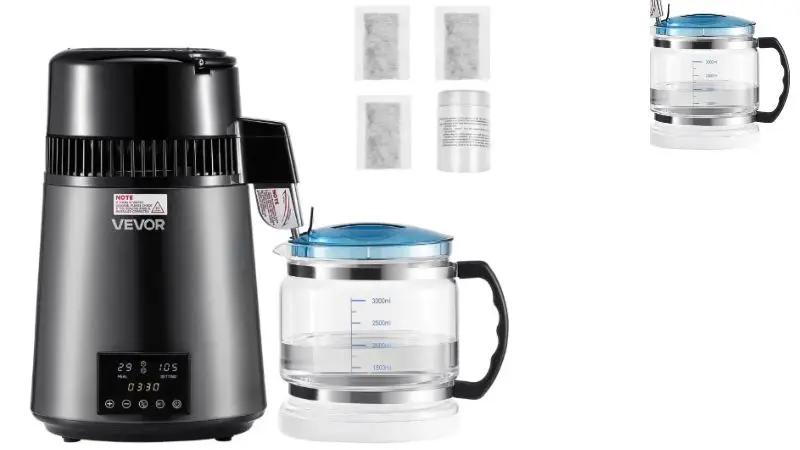
When you keep freshly distilled water carefully, it stays fresh. It is essential to use containers that are clean and safe for food. Glass bottles or plastic jugs that don’t contain BPA and have tight closures keep water safe from dust and other particles in the air. This simple step reflects the same attention you used when figuring out how to make distilled water at home easily.
Before you fill it up, clean it off with a bit of distilled water to remove any residue. Close it immediately. Keep bottles in a dark, cool place, or put them in the fridge if you plan to drink them.
Tip: Write the date you made the bottles on them to keep track of their freshness.
Here’s a quick table to help you remember:
| Storage Tip | Why It Helps |
| Use clean containers | Stops germs and dirt |
| Tight lids | Keeps water pure |
| Cool, dark place | Prevents algae and mould |
| Label with date | Tracks freshness |
Practical Uses
You may use distilled water for many things at home. It’s safe to drink, makes cooking cleaner, and works well in appliances. A simple way to distill water at home makes sure you always have clean water.
Some common uses are:
- Drinking: Clean, fresh water that doesn’t have any minerals or contaminants in it.
- Cooking: Great for soups, drinks, and other dishes.
- Appliances: Stops minerals from building up in irons, humidifiers, and CPAP machines.
- Home remedies: Great for cleansing wounds or making saline solutions.
- Plants: Good for houseplants that are sensitive and avoid chlorine.
Note: You can also do science experiments that need clean water. You can have clean, safe water available for all of these needs by learning how to distill water using kitchen equipment.
Conclusion
You now know how to distill water at home with simple kitchen tools. This simple procedure will offer you clean water to drink, cook with, or even water your plants. You can see how beneficial and practical it is by trying it out yourself. You might also find new methods to use distilled water in your home. It’s usually a good idea to have pure water on hand. Knowing how to distill water at home not only ensures a safe supply, but it also helps you be ready for any emergency where you need fresh water.
FAQ
Can you drink distilled water every day?
Yes, you can drink distilled water daily. It has no minerals or chemicals. Some people find the taste flat. If you eat a balanced diet, you get enough minerals from food.
How long does homemade distilled water last?
If you store it in a clean, sealed bottle, distilled water can last for months. Keep it in a cool, dark place. Always use a clean container to keep it fresh.
Why does distilled water taste different?
Distilled water tastes different because it has no minerals. Tap water has minerals that give it flavour. Some people notice a flat or bland taste.
Can you use distilled water for plants?
You can use distilled water for most houseplants. Some plants like it because it has no chlorine or salts. Always check what your specific plant needs.
Is boiling water the same as distilling it?
Boiling kills germs, but it does not remove minerals or chemicals. Distilling turns water into steam, then collects only the pure water. The two methods are not the same.