If you’re wondering what liquid to use in an ultrasonic cleaner for jewelry, the safest choice is distilled or deionized water. For better results, you can add a small amount of mild dish soap or a special jewelry cleaning solution. Using the right liquid is important because it gently removes dirt without harming your jewelry.
Harsh chemicals should be avoided, as they can damage metals and gemstones. With the right mix, your ultrasonic cleaner can restore shine and sparkle in minutes. Follow this simple approach to keep your favorite pieces looking beautiful, clean, and ready to wear anytime.
What Liquid to Use in an Ultrasonic Cleaner for Jewelry
It is essential to know what liquid should be used in ultrasonic jewelry cleaners to keep your jewelry clean and safe. The appropriate cleaning solution not only refers to dirt and oil but also takes care of metal as well as gemstones so that they are not being eroded. There is a variety of safe and effective alternative mixes, from the home mix to the professional.
Distilled Water and Mild Dish Soap
Suppose you are wondering what you can put in an ultrasonic cleaner to clean jewelry; one of the safest options is distilled water with a small amount of mild dish soap. Distilled water is free from minerals that can leave spots, while the soap gently lifts dirt and grease. While you can use water in an ultrasonic jewelry cleaner, distilled water works better for a spotless shine. Choose a mild soap without harsh chemicals to avoid damage to gold, silver, platinum, and most gemstones. This simple mix is both safe and effective for everyday jewelry cleaning.
A commercial ultrasonic cleaner solution is ideal when you want a deeper clean. These products are specially designed for ultrasonic machines and help break down stubborn dirt, oil, and grime. Always check the label to confirm the solution is safe for your specific type of jewelry. Commercial solutions often clean more thoroughly than water and soap, making them a good choice for achieving a professional finish at home. Many formulas are made for gold, silver, or delicate stones, so match the solution to your jewelry for the best results.
De-ionized Water Options
Deionized water is another alternative to the DIY ultrasonic jewelry cleaner solution. It contains no minerals that can stain and causes ultrasonic sound transmission to be more effective, like distilled water. You may use deionized water, and as a cleaning agent, mix it with mild dish soap. This is particularly effective in getting a perfect gloss without making scratches or damaging it. It is a safe yet effective option for anyone who desires their jewelry to appear shiny and smooth following every cleaning.
Safety and Liquids to Avoid
Safety is as important as effectiveness when there is an ultrasonic cleaner involved. The incorrect liquid may damage your jewelry, you, or even the environment. Knowledge of what solutions not to use will make you clean safely. It is always recommended to verify the labels of products and safety data sheets.
Harmful Chemicals
Some cleaning liquids can cause serious damage to both jewelry and skin. Even if a product promises fast cleaning, it may be too harsh for delicate metals or stones. Avoid the following when deciding what liquid to use in an ultrasonic cleaner for jewelry:
- Ammonia – damages metals and dulls gemstones
- Bleach—causes corrosion and discoloration
- Acetone – melts plastics and harms finishes
- Harsh detergents leave residue and weaken stone settings
- High caustic cleaners—unsafe for skin and harmful to metals
- Strong acids eat away at metals and stones
If you are unsure about what you can put in an ultrasonic cleaner to clean jewelry, it’s best to choose mild options like distilled or deionized water mixed with a little soap. Strong chemicals may not only ruin the jewelry’s beauty but also pose health risks, so always read labels and choose safe, tested solutions.
Jewelry Types and Cleaning Them Safely

Before deciding what liquid to use in an ultrasonic cleaner for jewelry, it’s important to know which types of jewelry are safe for ultrasonic cleaning. Some metals and stones can handle the vibrations, while others are too delicate and may be damaged.
Safe Jewelry Materials
Most solid metals and hard gemstones work well with ultrasonic cleaners. If you use mild solutions like distilled water with dish soap, you can safely clean the following:
- Gold (yellow, white, or rose)
- Silver
- Platinum
- Titanium
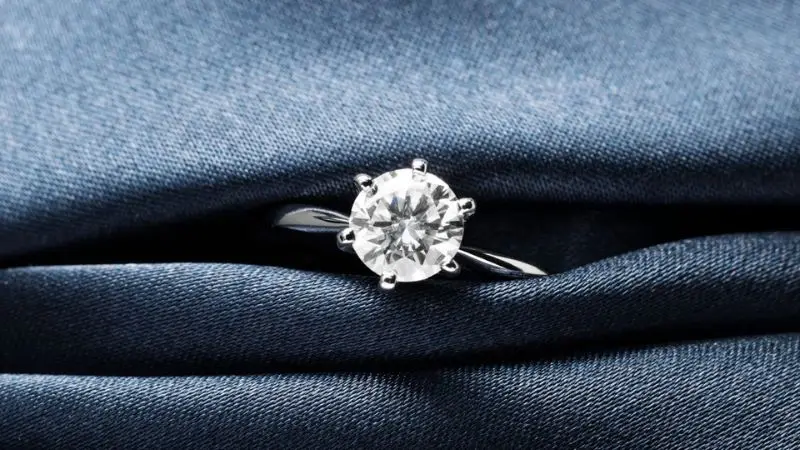
- Diamonds
- Rubies
- Sapphires
These materials are strong and can handle ultrasonic cleaning without losing their shine. Knowing what I can put in the ultrasonic cleaner to clean jewelry will help you get the best results without risking damage. Always ensure stones are securely set before starting.
Jewelry to Avoid
Some jewelry is too soft, porous, or fragile for ultrasonic cleaning. Even a safe-sounding DIY ultrasonic jewelry cleaner solution can damage these materials:
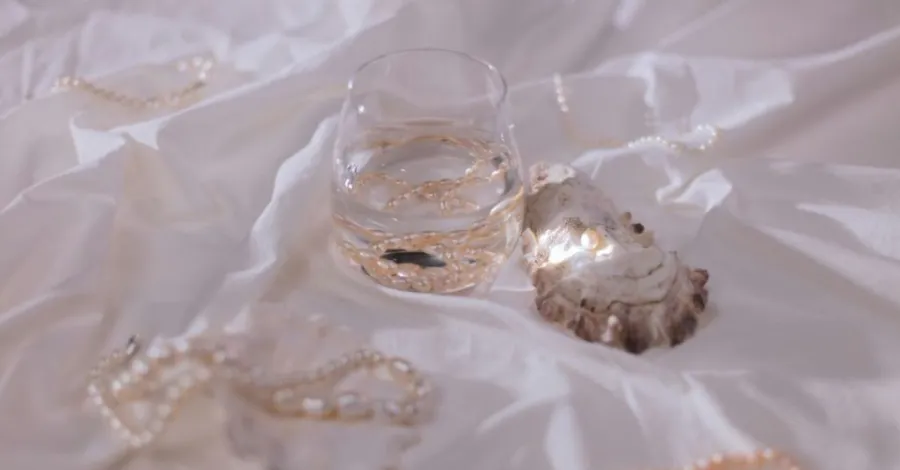
- Pearls—lose their shine and surface quality
- Opals—can crack or change color
- Emeralds—may develop fractures or cloudiness
- Turquoise – absorbs liquid and stains easily
- Amber—soft and prone to scratches
- Costume jewelry—glue can loosen, and stones may fall out
For these pieces, skip the ultrasonic cleaner and use gentle hand-cleaning with mild soap and a soft brush instead.
How to Use an Ultrasonic Cleaner Safely
An ultrasonic cleaner can make jewelry sparkle like new, but the process must be done correctly to avoid damage. The right liquid, correct timing, and safe handling all play a part in protecting your pieces.
Preparing the Solution
Choose the liquid to use in the ultrasonic jewelry cleaner beforehand. To avoid mineral spots, fill the tank with distilled or deionized water. A drop or two of mild dish soap ,or take a commercial ultrasonic cleaning solution used on jewelry. Before using the liquid, always refer to the safety data sheet to ensure that it is safe for your type of jewelry and for your health. When in doubt, use a mild at-home ultrasonic jewelry cleaner mixture instead—it is not as dangerous and still very effective. The secret to both beauty and a long life is to match the solution to the type of jewelry.
Step-by-Step Cleaning
To get the best clean while protecting your jewelry, follow these steps:
- Place jewelry in the basket without letting pieces touch.
- Fill the tank with your prepared cleaning solution.
- Set the ultrasonic cleaner for 3–5 minutes.
- Watch the process and stop if anything looks unusual.
- Rinse each piece with clean water after cleaning.
- Dry gently with a soft cloth and check for loose stones.
While you can use water in an ultrasonic jewelry cleaner, using distilled or deionized water with mild soap is far more effective.
Safety Practices
Using safe methods is just as important as choosing the right liquid. Always:
- Read the safety data sheet before using any cleaning solution.
- Avoid mixing liquids unless confirmed safe.
- Wear gloves if recommended.
- Keep the cleaner away from children and pets.
- Skip ultrasonic cleaning for delicate or glued jewelry.
- Clean the tank after each use for consistent performance.
Understanding what you can put in an ultrasonic cleaner to clean jewelry—and what to avoid—will help you enjoy brilliant results without risking your valuables.
Alternatives and Professional Help
While ultrasonic cleaners are excellent for many jewelry types, some pieces need extra care. Understanding which items to clean at home and which to leave to professionals can save your jewelry from accidental damage.
Cleaning Delicate Jewelry
In case your jewelry contains pearls, opals, or emeralds, it is better not to use ultrasonic cleaning. The shaking may result in cracks, haziness, or dullness. Rather, work on these pieces by using soft ways of cleaning:
- Wipe down surfaces with a towel.
- Wash using warm, soapy water (warm water along with mild dish soap) and dip a soft toothbrush.
- Do not heap into strong solutions.
- Before using any product, always consult the safety data sheet.
It is good to know which type of liquid to use in an ultrasonic cleaner for jewelry, but when dealing with delicate items, it is much safer to employ a soft hand-cleaning methodology. This keeps your jewelry in great shape without creating the risk of damage.
When to Seek a Professional
Sometimes, expert care is the best choice. Jewelers have the tools, skills, and safe cleaning solutions to handle fragile or damaged pieces. You should consider professional cleaning if:
- Your jewelry contains delicate or porous stones.
- You notice loose settings or visible damage.
- You feel unsure about what you can put in the ultrasonic cleaner to clean jewelry.
- The safety data sheet warns against ultrasonic use.
Professionals know how to select the right cleaning method, whether it’s a DIY ultrasonic jewelry cleaner solution or a specialized product. This ensures your pieces are cleaned effectively while preserving their beauty and value.
Wrap Up
Keeping your jewelry clean is simple when you know what liquid to use in an ultrasonic cleaner for jewelry and the right methods for each piece. From distilled water with mild soap to safe commercial solutions, choosing the right option will protect metals and gemstones. Always check the safety data sheet before cleaning and avoid harsh chemicals or unsuitable stones.
For delicate pieces, use gentle hand-cleaning or seek professional help. Whether you choose a DIY ultrasonic jewelry cleaner solution or a jeweler’s service, the goal is the same—safe, effective cleaning that keeps your jewelry beautiful and shining for years.
FAQ
Is it possible to apply tap water to my ultrasonic?
Tap water may be used, but using distilled or deionized water is better. Tap water can cause the juice to stain your jewels. Distilled water adds some brilliant glister to your jewelry and keeps the cleaner in good form.
How frequently do I do that with the cleaning solution?
There is a recommendation to change the solution after each cleaning session. A nasty solution is not going to clean your jewelry. The new solution provides you with the ideal outcomes and preserves your jewelry.
Can all of the gemstones be cleaned safely in an ultrasonic cleaner?
No, not all gemstones, such as pearls, opals, and emeralds, can become damaged. Be sure your stone is safe before cleaning. A jeweler is always a safe bet; otherwise, mild soap and water.
My jewelry contains stones that are glued—what can I do?
An ultrasonic cleaner should not be used on jewelry with glued stones. Through the vibrations, the glue may be loosened, and stones may fall off. Instead, use a soft cloth to clean these pieces.