Cleaning a carburetor with an ultrasonic cleaner is one of the easiest and most effective ways to restore its performance. This method uses sound waves and a special cleaning solution to remove dirt, varnish, and grime from even the tiniest parts. Whether it’s a motorbike carburetor or one from another engine, ultrasonic cleaning gives fast, thorough results without harsh scrubbing. It’s safe for delicate components when done correctly and can make your engine run smoother. Just follow the steps carefully, use the right solution, and always put safety first. With this method, your carburetor can feel almost like new again.
Tools and Preparation
Get ready with all tools and materials before commencing the cleaning. Preparation is the key to the smooth cleaning of the carburetor ultrasonic cleaner process. When all is planned, you will work faster and without untargeted delays.
Essential Tools and Materials
To get the best results when cleaning a carburetor with an ultrasonic cleaner, you’ll need the following:
- Ultrasonic cleaner—The main device that uses sound waves to clean metal parts thoroughly.
- Carburetor cleaning fluid—a special solution for removing dirt, grease, and stubborn deposits.
- Small screwdrivers—for carefully disassembling carburetor components.
- Wrenches—to loosen and remove bolts or nuts.
- Cleaning basket or mesh tray—Holds parts securely inside the ultrasonic cleaner.
- Safety gloves—Protect your hands from chemicals and sharp edges.
- Safety goggles—Shield your eyes from fluid splashes.
- Lint-free cloths—for drying and wiping parts after cleaning.
An ultrasonic cleaning carburetor before and after comparison shows how much dirt this method can remove. Keeping tools on a clean, organized workbench makes the process faster and safer.
Safety Precautions Before Cleaning
When working with a carburetor ultrasonic cleaning machine, safety comes first. Wear gloves before handling cleaning fluid or metal parts, and always use safety goggles. Work in a well-ventilated area to reduce exposure to fumes.
Place the ultrasonic cleaner on a stable, flat surface. Prevent liquid from spilling into electrical outlets, and always unplug the unit before adding or removing parts. Follow the manufacturer’s guidelines for both the ultrasonic cleaner and cleaning fluid. Only clean metal parts in the machine—rubber and plastic components can be damaged by the process.
Store all chemicals away from children and pets. Wash your hands after handling cleaning solutions, and clean any spills immediately to maintain a safe workspace.
Disassembly and Pre-Cleaning
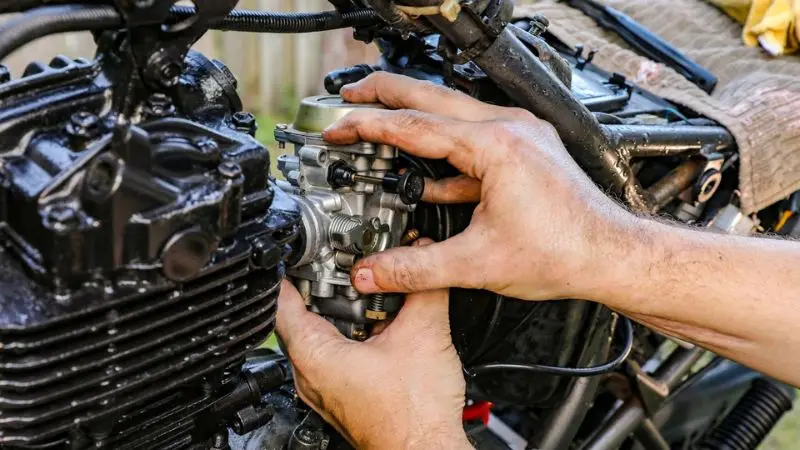
Before you can start cleaning a carburetor with an ultrasonic cleaner, it’s important to remove it from the engine and prepare the parts. This step ensures that the carburetor ultrasonic cleaning machine can work effectively, giving you a much better result in the end. Careful disassembly also helps prevent damage and makes reassembly faster later.
Removing the Carburetor
Begin by disconnecting the carburetor from your engine. Use the correct wrenches and screwdrivers for your specific model. As you work:
- Take photos or notes to help remember where each part goes.
- Place all bolts, screws, and small parts in a labeled container.
- For motorbike carburetors, check the manual for any special steps, such as disconnecting extra hoses or cables.
Keeping everything organized will save you time during reassembly and prevent missing parts.
Taking Apart Components
After getting it out, separate the carburetor into its major parts. This normally involves:
- Float bowl
- Jets
- Metal fittings
Disconnect any rubber gaskets, O-rings, or plastic pieces and put them aside. These should never be placed in the ultrasonic cleaner, because the pressure may destroy them. Write a list of the items you have taken off, and ensure that you replace any worn or broken components prior to proceeding.
Pre-Soaking the Metal Parts
Before using the ultrasonic cleaner, give the metal parts a pre-soak. Fill a small container with a carburetor cleaning solution or degreaser, then:
- Place the parts in the solution for 10–15 minutes.
- Use a soft brush to loosen any heavy deposits.
- Rinse with clean water and dry with a lint-free cloth.
Pre-soaking helps loosen stubborn dirt, making the difference between the ultrasonic cleaning before and after much more noticeable. Once complete, your parts are ready for the best ultrasonic cleaner for carburetors to finish the job.
Cleaning Carburetor with Ultrasonic Cleaner
Once your carburetor is fully disassembled, it’s time to use the carburetor ultrasonic cleaning machine for a deep clean. This process reaches every internal surface, including tiny passages you can’t clean by hand. By setting up the machine correctly, choosing the right solution, and following proper cleaning steps, you’ll get the best ultrasonic carburetor cleaning before and after results with minimal effort.
Setting Up the Machine
Place your ultrasonic cleaner on a stable, flat surface in a dry workspace. Keep the area free from clutter and liquids near electrical outlets. Insert the basket or mesh tray that comes with the machine, as this holds the carburetor parts during cleaning. If your model includes a temperature control, set it to around 130°F (50°C) for optimal performance.
The right temperature improves the cleaning efficiency without damaging metal components. Before starting, read the manual for your specific cleaner, as ultrasonic cleaner settings for carburetors can vary between models. Proper setup ensures safe, effective, and consistent results every time.
Adding the Cleaning Solution
Fill the ultrasonic cleaner tank halfway with clean water. Add a water-based cleaning solution—either a carburetor cleaning fluid or a mild degreaser like Simple Green—at a 1–5% concentration. For example, a 2-liter tank needs 20–100 milliliters of cleaning fluid. Stir gently to mix, avoiding splashes.
Using the correct cleaning solution improves dirt removal and enhances the cleaning of the carburetor with the ultrasonic cleaner process. Avoid harsh or flammable chemicals, as they can damage both the machine and the parts. The right mix allows the ultrasonic waves to loosen stubborn grime effectively, leading to cleaner results after the first cycle.
Placing the Parts in the Cleaner
Place the carburetor metal parts of the engine in a basket in an even manner, such that the parts do not come into contact. Such spacing enables the ultrasonic waves to cover all the surfaces. Dip the basket in the tank until the pieces are completely covered by the solution.
With small pieces, wrap them in a plastic bag containing cleaning solution, then add them to the tank to keep them safe. Remember to put only metal stuff inside; no rubber, plastic, or electronic parts will be intact. Correct part placement is also important in obtaining optimum results when using an ultrasonic cleaner to clean carburetors, as it gives an equal clean to all areas of the part.
Running the Cleaning Cycle

Close the lid of the ultrasonic cleaner and set the timer for 15–30 minutes. When the machine starts, you’ll hear a buzzing sound—these are microscopic bubbles scrubbing dirt from the carburetor surfaces. This process, known as cavitation, is what makes knowing how to clean a carburetor with an ultrasonic cleaner so effective.
After the first cycle, check the parts. If dirt remains, run another cycle. Most carburetors come out clean after one or two rounds. Once done, turn off and unplug the machine, remove the basket, and let the parts drain. Keeping the solution warm and fresh improves overall cleaning efficiency.
After the process of cleaning the carburetor using an ultrasonic cleaner is complete, care must be taken to complete the task properly. Cleansing, drying, examining, and assembling every component guarantees that your carburetor will constantly work efficiently and have fewer parts that will wear out. Leaving out these procedures may leave water or mud or an error in assembly, which impairs engine performance.
Rinsing and Drying the Parts
After removing the carburetor parts from the carburetor ultrasonic cleaning machine, rinse them under clean, warm water. This step removes any remaining cleaning solution that could harm your engine. Hold each part under running water for several seconds to wash away residue.
Once rinsed, dry the parts completely:
- Use a lint-free cloth to wipe surfaces.
- Blow compressed air through small holes and passages.
- Air dry on a clean towel for at least 30 minutes if compressed air isn’t available.
Proper drying prevents rust and ensures the carburetor is ready for reassembly without hidden moisture.
Inspecting and Reassembling the Carburetor
Inspect all parts of it to ensure there are no cracks, wear, or damage. Change old gaskets, O-rings, or the component that may influence performance. You can reassemble properly using your previous notes or photographs.
Reassembly steps:
- Put clean and dry parts together in line.
- Put together the main body initially.
- Insert jets, screws, and fittings in the right order.
- Screw and tighten the bolts firmly, but do not overtighten.
After learning how to clean a carburetor with an ultrasonic cleaner, it should follow the correct sequence to fit well and work reliably once inserted.
Testing the Engine
Once reassembled, reconnect the carburetor to the engine, attaching all hoses and cables. Double-check that everything is secure before starting the engine.
When testing:
- The engine should idle smoothly without hesitation.
- There should be no fuel leaks or drips.
- Listen for unusual noises that may indicate a loose or misaligned part.
If you notice rough running, leaks, or odd sounds, turn off the engine and recheck your assembly. A properly cleaned and reassembled carburetor should improve both performance and longevity.
Maintenance Tips
Keeping your carburetor clean and in good condition will extend its life and improve your engine’s performance. Preventive care not only saves time but also reduces the need for frequent repairs. A combination of regular cleaning, proper storage, and good fuel management helps you avoid many common carburetor problems.
Preventing Buildup
To stop dirt and fuel deposits from forming inside your carburetor, always use fresh, clean fuel. Old or contaminated fuel can create sticky residue that clogs passages. Store your equipment in a dry location to prevent rust on metal parts.
Follow these simple habits:
- Run your engine every few weeks to keep fuel flowing.
- Drain fuel from the tank and carburetor before long-term storage.
- Cover equipment with a dust cover or tarp to block dirt.
Preventing buildup is easier than repeatedly cleaning the carburetor with an ultrasonic cleaner, saving you both effort and repair costs.
Cleaning the Carburetor Regularly
Although the best fuel and storage procedures are followed, regular cleaning of your carburetor maintains optimum performance. Inspect it either seasonally or after high use. Rough idling, difficulty starting, or difficulty in accelerating are some of the indicators that it requires attention.
Make a maintenance schedule:
- Clean one to two times per annum with moderate usage.
- Wash more frequently in dusty areas.
One of the most effective methods of restoring performance is by using a carburetor ultrasonic cleaning machine. The technique can clean internal ducts and produce visible ultrasonic cleaning outcomes for the carburetor before and after, without aggressive scrubbing.
Wrap Up
Cleaning the carburetor with an ultrasonic cleaner is one of the most effective ways to restore engine performance and keep parts in top condition. With the right preparation, disassembly, and ultrasonic cleaner settings for the carburetor, you can remove dirt and deposits from even the smallest passages. Regular maintenance, clean fuel, and proper storage help reduce buildup, so deep cleaning is needed less often. Whether you’re working on a motorbike, lawnmower, or other small engine, this method saves time and effort while delivering impressive results. It’s a simple process that can extend engine life and keep your equipment running smoothly for years.
FAQ
When should you clean your carburetor using an ultrasonic cleaner?
Wash your carburetor once or twice per year. Clean up the engine frequently in case you are putting your engine to work in dusty spots. This will keep you taking care of your engine by regular cleaning.
Does the entire carburetor fit in the ultrasonic cleaner?
Only metal parts should be put into the ultrasonic cleaner. Remove rubber, plastic, and electronic components. These materials can be destroyed by the machine.
Which liquid cleaning solution is best with an ultrasonic cleaner?
Apply water-based carb cleaning fluid, Simple Green, or light dish detergent. Do not add intense or inflammable chemicals. Never leave without reading what is on the label of the cleaning fluid.
Do you have to set the carb after cleaning?
When you apply carburetor cleaning, you might be forced to adjust the carburetor. Turn over your engine, and you can find out how it runs. Set the misfires differently so that it idles roughly or shuts off.
Does ultrasonic cleaning work on all carburetors?
Cleaning these metallic carburetors. This is how to clean most metal carburetors. Check your carburetor manual first at all times. It may require special treatment of a few models.