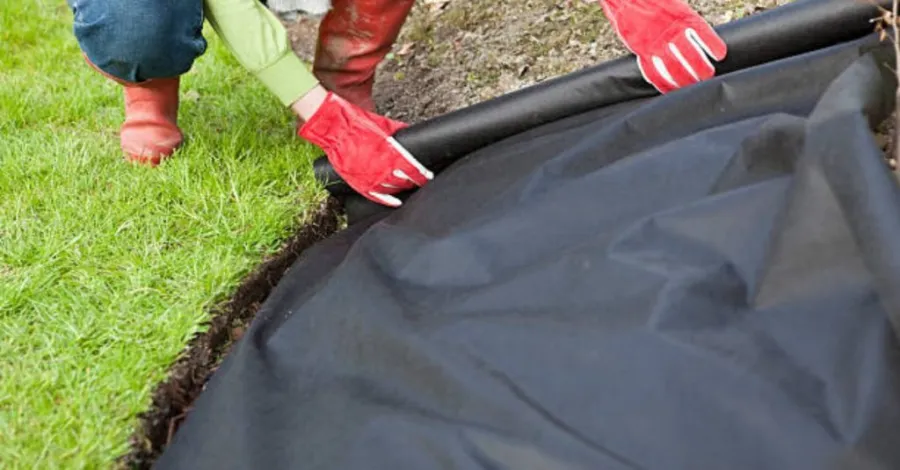
Picking the right weed barrier for garden beds makes a huge difference. You want to stop weeds before they start and save yourself hours of pulling and digging. A good weed barrier for garden spaces helps you focus on growing healthy plants instead of fighting unwanted weeds. Think of weed control as your secret weapon for a neat, easy-care garden. Ready to make your time outside more enjoyable? Let’s get started!
Choosing a Weed Barrier for the Garden
Types of Weed Barriers
You have numerous options when selecting a weed barrier for raised garden beds. Each type works a little differently. Here are the main options you will see:
- Woven Fabric: This type looks like a thick cloth. It allows water and air to pass through, but blocks most weeds. You can use it under mulch or gravel.
- Non-Woven Fabric: This feels more like felt. It stops weeds and water, making it ideal for areas where you don’t want plants to grow.
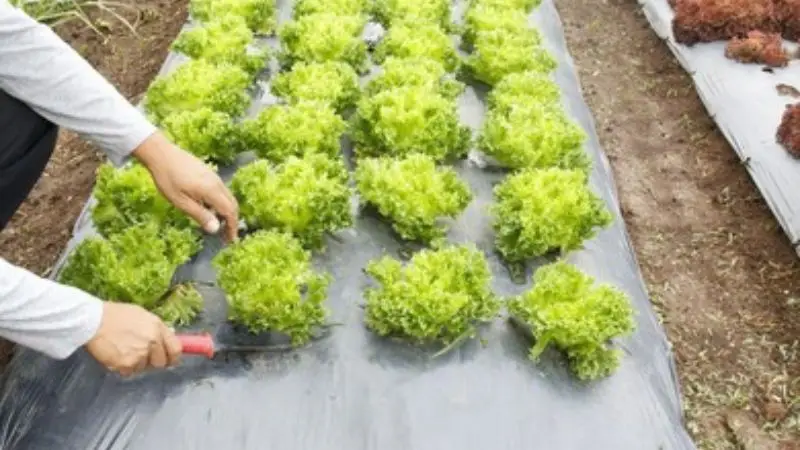
- Plastic Sheeting: This is a solid sheet. It blocks all water and air. You might use it for paths or under rocks, but it can cause the soil to become either too wet or too dry.
- Organic Barriers: You can use cardboard or newspaper as a DIY weed barrier for garden beds. Over time, these break down and add nutrients to the soil.
- Biodegradable Barriers: Some companies make special mats out of plant fibers. These are like fabric, but they only last for a season or two.
- Weed Barrier Tarp: This is a thick, rigid sheet. It works well for large jobs or areas with extensive weed growth.
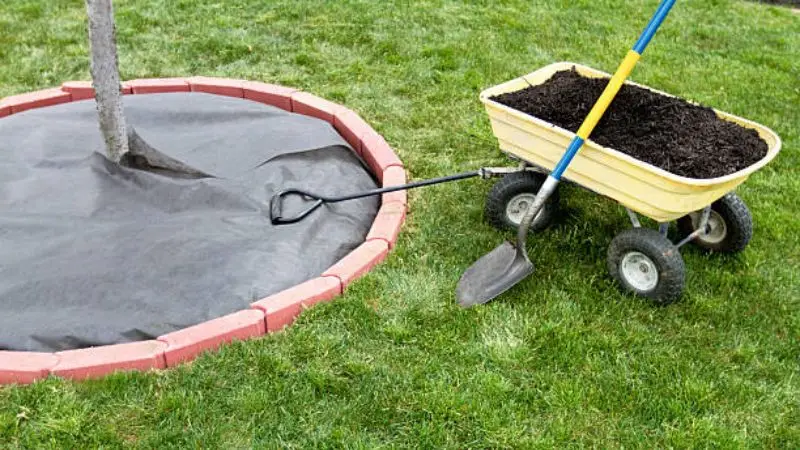
- Heavy-Duty Landscaping Tarps: These are extra strong and can work best under gravel or around trees—no need to leave the tough spots bare.
Pros and Cons
Every weed barrier for garden spaces has both its advantages and disadvantages. Here is a quick look at what you might like or not like about each one:
| Type | Pros | Cons |
| Woven Fabric | Let’s water/air in, lasts long | Weeds can grow through holes |
| Non-Woven Fabric | Blocks weeds well, strong | Stops water, not suitable for plant beds |
| Plastic Sheeting | Blocks all weeds, cheap | No water/air flow can harm the oil |
| Organic (Cardboard/Newspaper) | Cheap, adds nutrients, easy to use | Breaks down fast, needs replacing |
| Biodegradable Barriers | Suitable for soil, easy to remove | Not for long-term use |
| Weed Barrier Tarp | Covers significant areas, easy to move | Can be heavy, not always pretty |
| Heavy-Duty Landscaping Tarps | Super strong, lasts for years | Costs more, can be hard to cut |
Best Uses
You want the right weed barrier for garden projects. Here is how you can match the type to your needs:
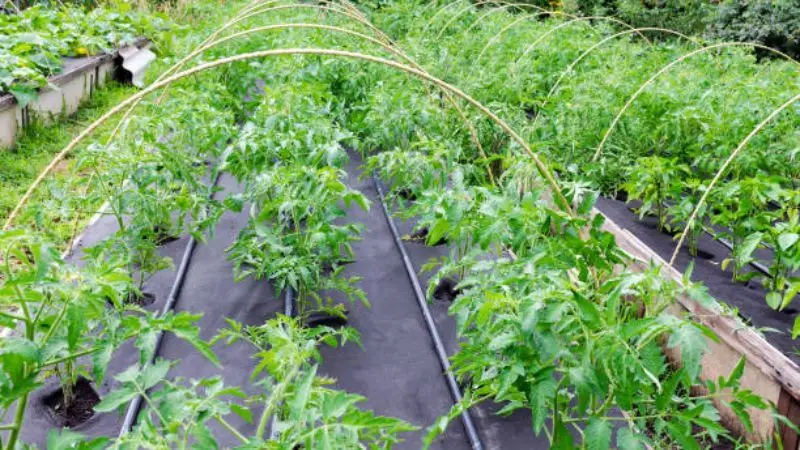
- Woven fabric acts as a great weed barrier for vegetable gardens, flower beds, and under mulch. You can cut holes for plants.
- Non-woven fabric: can be used under patios or walkways where you do not want anything to grow.
- Plastic Sheeting: Ideal for paths or under rocks as a temporary solution for significant weed problems.
- Organic Barriers: Try these in vegetable beds or around shrubs for added protection.
- Biodegradable Barriers: Use these for annual gardens or places you will dig up soon.
- Weed Barrier Tarp: Lay this down for new garden beds or to kill off weeds before planting.
- Heavy-Duty Landscaping Tarps: These tarps excel in areas with gravel, around trees, or in spots with tough weeds. You can also use them to cover soil in the off-season.
Installation Steps
Site Preparation
The first step in installing a weed barrier in a garden is preparing the land. Start by clearing your garden bed. Pull out all weeds, grass, and old roots. Remove rocks, sticks, and any debris. Smooth the soil with a rake. You want a flat surface so your weed barrier sits tight against the ground. This step helps prevent weeds from sneaking under your barrier later. If you skip this, you may see weeds appear even after you finish.
Cutting and Fitting
Roll out your weed control tarps or fabric over the area. Cut the material to fit your garden’s shape. Use sharp scissors or a utility knife for clean edges. Overlap the edges of each piece by at least 6 inches. This overlap stops weeds from growing through the seams. If you plan to plant, cut X-shaped holes where you want each plant to go.
Securing the Barrier
Hold your weed barrier in place with landscape staples, garden pegs, or even rocks. Place them every few feet along the edges and seams. This keeps the barrier from shifting when you walk or when the wind blows. For tough jobs, heavy-duty landscaping tarps are the best choice. They stay in place and provide adequate weed control, even in windy conditions.
Add Mulch on Tarps
After spreading the barrier, layer mulch to prevent weeds from growing over the barrier. You can use wood chips, bark, or straw as a thick layer of mulch. Mulch not only protects the soil but also protects your barrier. Mulch keeps the barrier cool, holds in moisture, and makes your garden look neat. It also helps prevent weeds from taking root on top of the barrier. With mulch, your weed control tarps last longer and your plants stay happy.
Weed Barrier Maintenance
Regular Inspection
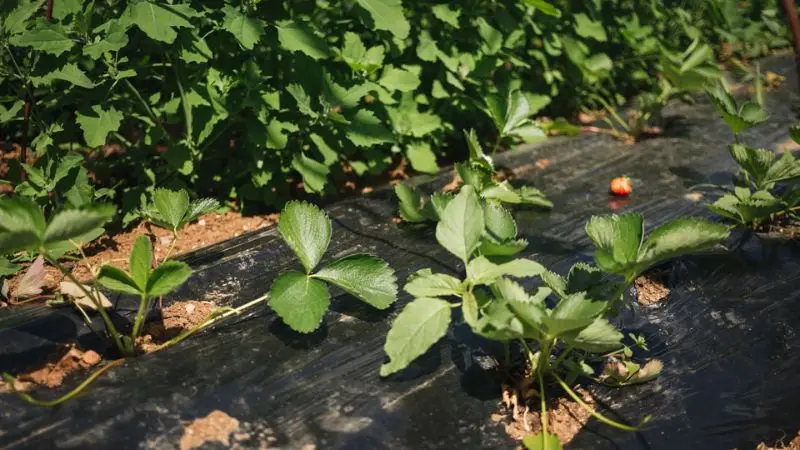
You want your garden to stay neat and healthy. Regular inspection helps you catch problems early. Walk around your garden every few weeks. Inspect your weed barrier for tears, holes, or frayed spots. If you see any lift of fabric, fix it. Sometimes weeds grow through the fabric. If you see any, pull them to avoid further growth. Early action makes weed control much easier.
Edge and Seam Care
Edges and seams often cause the most trouble. Wind, rain, and foot traffic can lift the edges or cause seams to open up. When this happens, weeds find a way in. Press down the edges with your hands or feet. Add extra landscape staples or garden pegs if you see gaps. Overlap the seams by at least six inches when installing the barrier. This simple step gives you better weed prevention.
- Check edges after storms or heavy watering.
- Add rocks or mulch along the border for extra weight.
- Tuck in any loose fabric right away.
Repair and Replacement
Sometimes, you find damage that needs more than a quick fix. Small holes or tears can let weeds grow. Fix it quickly as you notice it. You can use the piece of tarp or any other fabric from the house to cover it. No need for any specific tool, you can keep it in place with the garden staples.
Sometimes, damage is repairable, so any struggle to fix it will be just a waste of time. In such a case, opt to replace it with a new one. Moreover, old or worn fabric will not help in weed control because it loses its strength.
Seasonal Tips
Your garden has to deal with different problems every season. During the spring, remove any leaves and sticks that have accumulated on top of the barrier. Weeds can grow above the fabric if organic matter breaks down. Look for dry spots or water that has pooled in the summer.
Change the mulch so that the soil stays moist but not too wet. Autumn is the best time to review the entire area and plan any necessary repairs. When the weather warms up, recheck the barrier because heavy snow or ice can move it. Here’s a quick chart to help you remember what to do in each season:
| Season | What to Check | What to Do |
| Spring | Debris, new weeds | Clean surface, pull weeds |
| Summer | Dry spots, water pooling | Adjust mulch, fix drainage |
| Fall | Tears, loose edges | Repair, add staples or pegs |
| Winter | Barrier shifting | Inspect after snow/ice melts |
Weed Control Problems
Weeds Growing Through
You might spot weeds poking up through your barrier. This can happen if the material gets thin, tears, or if seams open up. Sometimes, weed seeds land on top of mulch and start growing there. For prevention, check your barrier for holes or weak spots. Patch any damage with extra fabric or tarp. Pull weeds as soon as you see them. If you use mulch, make sure to rake it often so that seeds don’t settle.
Water Pooling
Water that collects on top of your weed barrier can kill plants or make mold grow. If the ground underneath isn’t level or the barrier stops drainage, you should fix it. Just raise the barrier and level the ground. Make sure the ground slopes away from your plants. For better protection, use a barrier that lets water through, like woven fabric. In case of a plastic tarp, there should be holes or spots to drain water.
Barrier Shifting
Sometimes, wind or rain moves your barrier out of place. This leaves gaps where weeds can grow. For strong weed control, secure the edges with landscape staples, pegs, or even rocks. Check the barrier after storms. Add more staples if you see any loose spots. Heavy-duty weed barrier for garden control tarps stay put better in windy areas.
Pests and Critters
Critters like moles or insects can lift or tear your barrier. They might dig under the edges or chew holes. For prevention, tuck the edges deep into the soil. Place rocks or bricks along the border. If you notice any damage, repair it immediately. Keep your garden clean to deter pests.
Conclusion:
You now know how to select, install, and maintain a weed barrier that works effectively. Keep these tips in mind:
- Choose the right material for your garden.
- Prep the site and secure the barrier well.
- Maintain the fabric and, in case of damage, react quickly to fix it.
A strong weed barrier saves you time and keeps your garden looking great. Try these steps and share your results or any questions you may have below. Ready for a weed-free garden? Let’s get growing!
FAQ
How long does a weed barrier last?
Most fabric weed barriers last 5 to 10 years. Heavy-duty tarps can last even longer. Cardboard or newspaper breaks down in a few months. Check your barrier annually to determine if it needs to be replaced.
Can I plant new flowers or veggies after installing a weed barrier?
Yes! Just cut an X in the fabric where you want to plant. Pull back the flaps, dig your hole, and plant. Press the fabric back around the stem to keep weeds out.
Do I need mulch on top of my weed barrier?
You should add mulch. Mulch keeps the barrier cool, holds in moisture, and makes your garden look tidy. It also helps stop weeds from growing on top of the barrier.
Will a weed barrier stop all weeds forever?
No barrier blocks every single weed. Some tough weeds might poke through or grow on top. Regular checks and quick fixes help you maintain a weed-free garden.
Is a weed barrier safe for vegetable gardens?
Most fabric and organic barriers are safe for veggies. Avoid plastic sheeting to achieve healthy soil. Always check the label to make sure the material is garden-safe.