Installing an auto lift in a garage can completely transform your home workspace. It gives you the freedom to perform repairs, maintenance, and upgrades without relying on a shop, saving both time and money. For car enthusiasts and DIY mechanics, it’s a game-changer in terms of convenience and efficiency.
However, many homeowners encounter issues such as limited ceiling height, unclear power requirements, or confusion about safety measures. These doubts can make the installation process feel overwhelming.
In this blog, we’ll guide you step-by-step through preparing your garage, selecting the right tools, ensuring safety, and completing the car lift installation process with confidence.
Tools and Prep
Tools Needed
Before you install a car lift, you need the right tools. Gather these items to make the job easier:
- Power drill with masonry bits
- Torque wrench
- Socket set
- Level
- Tape measure
- Hammer
- Safety glasses and gloves
- Shop vacuum or broom
Tip: Always wear safety gear when you install heavy equipment.
Materials Checklist
You also need specific materials for a safe install. Use this table to check off each item as you prepare:
| Material | Purpose |
| Anchor bolts | Secure the lift to the floor |
| Concrete epoxy | Strengthen anchor points |
| Hydraulic fluid | Power the lift system |
| Electrical wiring | Connect the lift motor |
| Owner’s manual | Guide for installation steps |
Garage Prep
Get your garage ready before you start. Firstly, measure the available space in your garage. You need ample space for both the lift and your car. Check the height of the ceiling with the tape measure. Most lifts require at least 11 to 12 feet of space above them. Next, look at the floor of your garage.
The concrete must be at least 4 inches thick and capable of withstanding a pressure of 3,000 psi. Ask an expert to inspect the floor if you’re unsure. Also, check local codes if you’re wondering, Do I need a permit to install an auto lift in my area? Clear away any tools or clutter in the area. Ensure the floor is clean before you begin work. If you get ready, you can install a car lift safely and efficiently.
Safety for an Auto Lift in a Garage
Personal Safety Gear
Before installing any large equipment, ensure your safety. Always wear safety glasses to protect your eyes from dust and flying debris. You can hold tools better and keep your hands safe from sharp edges with gloves. If you drop large parts, steel-toed boots will protect your feet. If you work under the lift, a hard hat can protect your head, especially once you understand how a garage car lift works. When using loud power tools, wear ear protection as well.
Important: Always wear safety gear. A simple error can hurt someone.
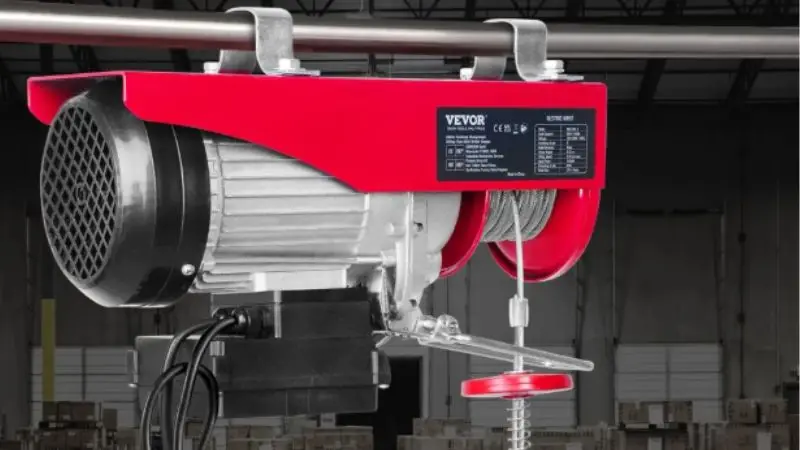
Here is a quick checklist for your safety gear:
| Safety Gear | Purpose |
| Safety Glasses | Protect your eyes from debris |
| Gloves | Shield hands from cuts |
| Steel-Toed Boots | Guard feet from heavy items |
| Hard Hat | Prevent head injuries |
| Ear Protection | Reduce noise from tools |
Garage Safety Tips
When you install an auto lift in a garage, ensure your work area is safe. First, remove any tools, wires, or other debris from the floor. A tidy space makes it easier to move about and is less likely to cause tripping hazards. Make sure the garage is well-lit so you can see what you’re doing. Ensure the floor of your garage is sturdy and strong enough to support the weight of the lift. Always follow the instructions in the handbook throughout each phase of the installation.
- Keep children and pets away from the work area.
- Don’t rush the installation. Don’t rush through each step; take your time.
- Check that the lift is straight and sturdy with a level.
- Check for faults by testing the lift without a car first.
- After you’re done, put all the parts and tools away where they won’t get lost.
Tip: If you’re unsure about any part of the installation, ask a professional for help. Safety always comes first.
Install a Car Lift
Unboxing and Setup
Start by unboxing your new lift. Open each box carefully and lay out all the parts on the floor. Check the parts list in the manual. Ensure you have all bolts, nuts, and cables. Read the manual from start to finish before you begin. This step helps you avoid mistakes later.
Tip: Keep small parts in a tray or container to prevent losing them.
Position and Align Towers
Move the lift towers into your garage. Place them where you want to install the 2-post car lift. Use a tape measure to check the distance between the posts. The manual will tell you the correct spacing. Use a level to make sure both towers stand straight. If you have a small garage, choose a spot that gives you enough room to open car doors and walk around the lift. Proper alignment is crucial to avoid performance issues and ensure you meet the garage ceiling height needed for a car lift specification.
You can mark the floor with chalk to show where each tower will sit. This makes the next steps easier.
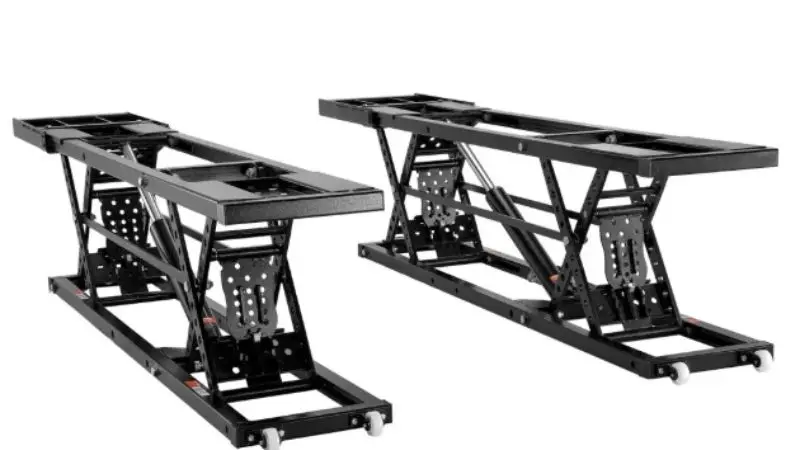
Drill and Anchor
Once you have the towers in place, mark the spots for the anchor bolts on the floor. Move the towers aside. Use a hammer drill with a masonry bit to drill holes into the concrete. The holes must match the size and depth listed in the manual. Clean out the dust with a shop vacuum. Place the towers back over the holes. Drop the anchor bolts through the base plates and into the holes. Tighten each bolt with a torque wrench. This step ensures your auto lift remains safe and secure in the garage.
Assemble 2-Post Car Lift.
Now you can assemble the arms and crossbeam. Attach the lift arms to each tower as instructed in the manual for how to install a car lift in a garage. Make sure the arms move smoothly. Connect the crossbeam at the top if your model has one. Double-check all bolts and nuts. Tighten them as the manual says. For a 2-post car lift, you must also install the safety locks and cables. These parts maintain the lift’s stability when you raise a car.
Note: Some 2-post car lift models feature additional steps for use in low-ceiling garages. You may need to use shorter arms or a special crossbeam to achieve the desired result. Always follow the instructions specific to your model.
Connect Power and Hydraulics
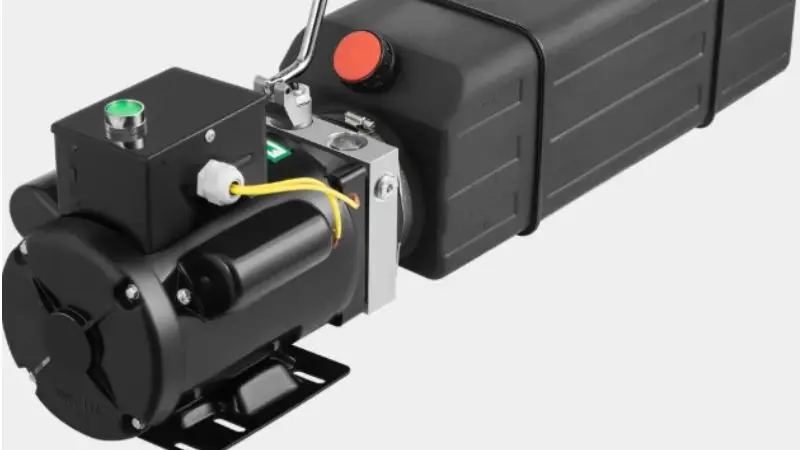
Next, connect the power hydraulic systems. Most lifts use a 220V outlet. If you do not have this outlet, call an electrician. Fill the hydraulic reservoir with the proper fluid. Connect the hydraulic hoses to the pump and cylinders. Check for leaks. Plug in the lift motor. Test the controls to ensure the pump operates and the arms move up and down.
This process also gives you insight into how a garage car lift works, especially when testing for leaks or movement accuracy.

First Lift Test
You are ready to test your auto lift in a garage. Do not put a car on the lift yet. Press the control button to raise the arms. Watch for smooth movement. Listen for strange noises. Lower the arms and check for leaks or loose bolts. If everything works, you can try lifting your car. Drive the car between the posts. Position the arms under the lift points on your vehicle. Raise the car a few inches and check for balance. Lower it and inspect the lift again.
If you notice any issues, stop and address them before using the lift again.
You have now completed the process of installing a car lift in a garage. A 2-post car lift gives you more space to work under your car. If your garage is small, consider models designed for the garage ceiling height needed for a car lift, which limits. Always follow the manual and check your work at each step. This will help you use your lift safely for years to come.
Troubleshoot and Maintain
Common Issues
You may encounter some issues after installing your auto lift in a garage. Knowing what to look for helps you identify and fix problems quickly, keeping your lift safe and secure.
Here are some common issues you might see:
- Lift will not rise or lower: Check the power supply first. Ensure the plug is securely in place and the breaker is turned on. Look at the control switch for damage.
- Hydraulic fluid leaks: Inspect hoses and fittings for leaks. Tighten loose connections. Replace cracked hoses right away.
- Strange noises: Listen for grinding or squeaking. These sounds often mean you need to lubricate moving parts or check for loose bolts.
- Uneven lifting: Use a level to check the posts for levelness. Adjust the anchors if the lift leans to one side.
- Safety locks not engaging: Clean the lock area. Remove dirt or debris. Test the locks before you lift any car.
Tip: Always stop using the lift if you notice a problem. Fix it before you lift your car again.
Maintenance Tips
Regular maintenance ensures your auto lift remains functional for years, no matter how you handled the initial steps of installing a car lift in a garage. You can follow these simple steps to maintain your lift:
- Inspect bolts and anchors: Tighten them every month. Loose bolts can make the lift unsafe.
- Check the hydraulic fluid: Inspect the fluid level and colour. Add more if needed. Change the fluid if it looks dirty.
- Lubricate moving parts: Apply grease to the arms, pulleys, and locks. This stops rust and keeps parts moving smoothly.
- Clean the lift: Wipe down the posts and arms to keep them clean and in good condition. Remove oil, dirt, and dust.
- Test safety features: Raise and lower the lift without a car. Ensure the locks and controls function correctly every time.
Understanding how a garage car lift works will make these maintenance steps easier and more meaningful.
| Maintenance Task | How Often | What to Use |
| Tighten bolts | Monthly | Torque wrench |
| Check fluid | Monthly | Hydraulic fluid |
| Lubricate parts | Monthly | Grease |
| Clean lift | Weekly | Cloth, cleaner |
| Test safety locks | Every use | Visual check |
Note: Keep a maintenance log. Write down each check and repair. This helps you track problems and keeps your lift safe.
Conclusion:
You now know the main steps to install an auto lift in a garage.
- Check your garage floor and space.
- Gather the right tools and materials.
- Follow each step in the manual.
- Use safety gear and test the lift before use.
- Keep your lift in good working condition with regular maintenance checks.
Remember: Safety comes first. If you’re still wondering, do I need a permit to install an auto lift? Be sure to ask your local authorities before beginning.
Enjoy the freedom and convenience of working on your car at home!
FAQ
How much weight can a typical home car lift hold?
Most home car lifts can hold between 7,000 and 10,000 pounds. Always check your lift’s manual for the exact weight limit. Never try to lift more than the rated capacity.
Can you install a car lift by yourself?
You can install a car lift if you have the right tools and follow the manual. Some steps may need two people for safety. If you feel unsure, ask a professional for help.
What is the minimum ceiling height for a car lift?
You need at least 11 to 12 feet of ceiling clearance, as that’s the standard garage ceiling height required for a car lift installation in most cases. Measure your garage before you buy a lift. Some models fit in lower spaces, but always check the product details.
How often should you check the lift for safety?
Inspect your lift before every use. Look for loose bolts, leaks, or worn parts. Monthly checks help keep your lift safe and working well.
Do you need a special electrical outlet for a car lift?
Most car lifts need a 220V outlet. You should consider hiring an electrician to install one if you don’t already have one. Never use an extension cord for your lift.