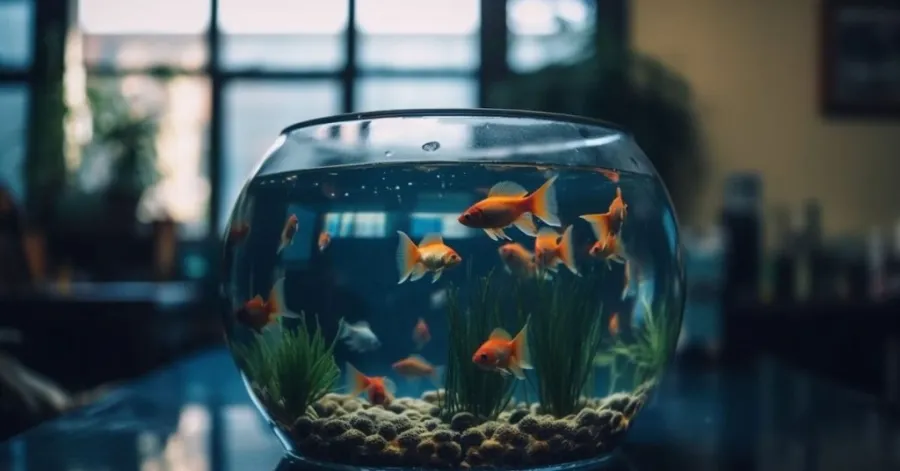
Want to get rid of algae in your aquarium? It’s easier than you think. Algae can make your tank look messy and harm your fish if left unchecked. With a few simple steps and the right tools, you can clean your freshwater tank safely without disturbing your fish or the helpful bacteria. Regular cleaning isn’t just about looks—it keeps your aquarium healthy and balanced.
By following this step-by-step guide on how to get rid of algae in an aquarium, you’ll learn how to clear algae, keep your water clean, and help your fish thrive. A sparkling, algae-free tank is just a few easy steps away.
- How to Prepare Before Cleaning Your Aquarium
- How to Remove Algae from Your Aquarium
- How to Deep Clean the Substrate in Your Aquarium
- How to Do a Water Change for a Cleaner Aquarium
- How to Clean Your Aquarium Filter to Control Algae
- Restarting Your Aquarium After Cleaning
- Prevention Tips to Keep Your Freshwater Aquarium Algae-Free
- Deep Cleaning Your Aquarium: A Step-by-Step Guide
- How to Get Rid of Algae in Aquarium: Troubleshooting Persistent Problems
How to Prepare Before Cleaning Your Aquarium
Before you can tackle algae problems, it’s important to get your aquarium ready. A safe, organized start helps everything go smoothly and protects your fish during the cleaning process.
Gather All the Right Tools First
Make sure you have everything ready before you begin cleaning your aquarium. Gathering the right tools ahead of time helps you work more efficiently and keeps stress low for your fish. Here are the essentials you’ll need:
- An algae pad or scraper for cleaning glass or acrylic
- A gravel vacuum to remove debris from the substrate
- A bucket used only for aquarium cleaning to avoid contamination
- A fish-safe brush for scrubbing decorations
- Water conditioner to treat tap water
- A test kit to check water parameters
Having these tools close by lets you focus on the job without rushing or making mistakes.
Check Water Quality Before You Start
Testing your aquarium water before cleaning gives you a clear idea of your tank’s health. Check the pH, ammonia, nitrite, nitrate levels, and temperature using a reliable test kit. If anything looks off, make a note—you may need to adjust levels after your cleaning routine.
Good water quality helps keep your fish healthy and also makes it easier to control algae. If you’re wondering how to get rid of green algae in aquarium setups, starting with clean, balanced water is a crucial first step.
Unplug Electrical Equipment for Safety
Before you reach into the tank or move anything around, unplug all electrical equipment. That includes your filters, heaters, lights, and air pumps. This prevents any risk of electric shock and also protects the equipment from water damage during cleaning. Always double-check that everything is safely unplugged. Starting with a safe environment helps you focus fully on caring for your fish and fighting back algae growth in a calm and confident way.
How to Remove Algae from Your Aquarium
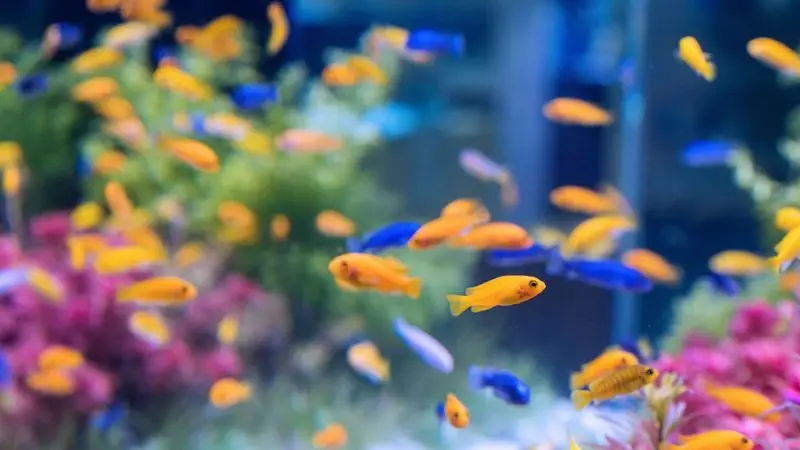
Once your aquarium is prepped, it’s time to get rid of stubborn algae. From glass to decorations and live plants, each part of your tank needs careful cleaning to stay healthy and clear.
Clean the Glass Gently with an Algae Pad
Start by cleaning the inside glass using an algae pad or scraper designed for aquariums. Move slowly from top to bottom, using even strokes. Avoid using sharp tools, as they can damage your tank. If you’re dealing with visible buildup, you may need to scrub the same area a few times.
A clean glass surface makes a big difference in your tank’s appearance. Learning how to get rid of green algae in aquarium tanks often begins with this step—it’s simple but highly effective when done consistently.
Scrub Decorations for a Fresh Look
Algae often clings to decorations like rocks and plastic plants. Remove these items carefully and soak them in warm water for several minutes to loosen any buildup. Use a fish-safe brush to scrub away the algae, focusing on stubborn areas.
Avoid using soap or chemical cleaners—they can harm your fish. Rinse decorations thoroughly before returning them to the tank. This step is essential if you’re figuring out how to get rid of brown algae in a fish tank, since it commonly grows on surfaces and ornaments.
Prune Live Plants to Control Algae Growth
Algae can grow quickly on live plant leaves. Examine your plants and trim any leaves with visible algae using clean aquarium scissors. Avoid cutting the main stems to keep your plants strong and healthy. If the algae is light, you can gently wipe it off with your fingers. Healthy plants are important in maintaining balance and are part of the solution when learning how to get rid of hair algae in an aquarium—they use up nutrients that algae feed on.
How to Deep Clean the Substrate in Your Aquarium
A clean substrate helps prevent algae buildup and supports a healthy environment for your fish. This step removes hidden waste, leftover food, and excess nutrients that algae thrive on.
Use a Gravel Vacuum to Remove Hidden Waste
Algae and uneaten food often hide deep in the gravel. Use a gravel vacuum to clean the substrate without removing it from the tank. Start the siphon and move the vacuum slowly across the bottom. Watch as debris gets pulled up with the water. Work in sections—clean one area thoroughly before moving to the next.
If you’re using sand instead of gravel, hover the vacuum just above the surface to avoid sucking it up. Removing waste from the substrate is one of the most effective ways to reduce algae. It’s a key part of learning how to get rid of brown algae in a fish tank.
Remove Extra Debris Left Behind
Once you’ve vacuumed the gravel, scan your tank for leftover debris. Bits of food, dead plant leaves, or waste may still be floating around or caught in corners. Use a fine mesh fish net to gently scoop out what you see. Be sure to check around decorations, where debris tends to collect.
Regularly removing this debris helps maintain cleaner water and slows down algae growth. This habit supports your effort if you’re looking into how to get rid of green algae in aquarium setups by limiting the nutrients algae need to grow.
How to Do a Water Change for a Cleaner Aquarium
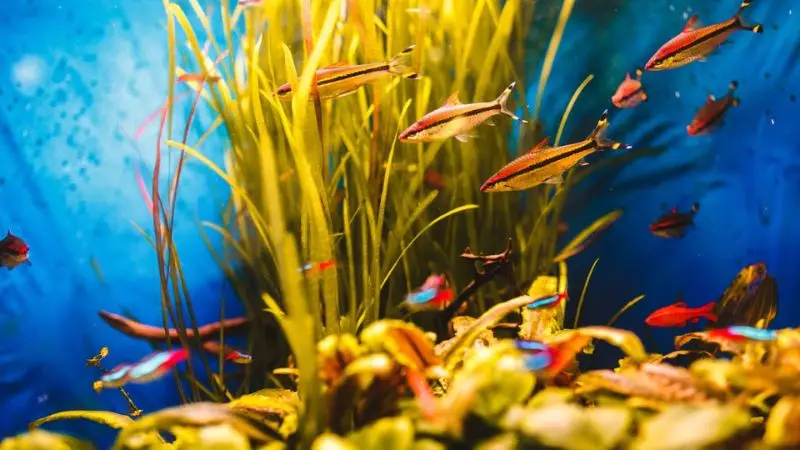
After cleaning the tank walls, decorations, and substrate, a partial water change helps flush out leftover waste, excess nutrients, and algae spores. This step is essential for maintaining water quality and supporting algae prevention.
Do a Partial Water Change the Right Way
A partial water change removes unwanted buildup without disturbing your aquarium’s balance. It’s an easy but powerful way to improve water clarity and reduce the chances of algae returning. You only need to remove about 25% to 30% of the tank water to see a difference.
Here’s how to do it:
- Use your aquarium-safe bucket to collect old tank water while siphoning
- Work slowly to avoid stressing the fish
- Check that the new water is close in temperature to the tank water
- Replace the water gradually and avoid splashing
This is a simple yet key step if you’re learning how to get rid of green algae in aquarium setups and want to keep the tank balanced over time.
Always Add a Water Conditioner First
Before adding new water to your tank, you must make it safe for your fish. Most tap water contains chlorine and other chemicals that can be harmful. Using a water conditioner helps neutralize these substances, keeping both fish and helpful bacteria safe.
Follow these steps:
- Read the label on your water conditioner
- Measure the right dose based on the amount of new water
- Mix the conditioner into the bucket
- Wait a few minutes before adding it to the tank
Skipping this step can undo all your hard cleaning work. A conditioned refill supports healthy water and helps prevent issues like cloudy water and excess algae.
How to Clean Your Aquarium Filter to Control Algae
Regular filter maintenance is one of the most important steps in keeping your aquarium healthy and clear. A dirty filter can reduce water flow, trap waste, and encourage algae growth. Cleaning your filter keeps the water balanced and helps your tank look its best
Start by gently removing the filter media, such as foam pads or sponges. Rinse them using a bucket filled with old tank water, not tap water. This protects the good bacteria that help break down waste. Swish the media around and squeeze it lightly to remove debris.
Rinse Filter Media Without Losing Good Bacteria
If it’s falling apart or no longer works well, replace it. A clean but biologically active filter is essential for managing water quality and learning how to get rid of green algae in aquarium environments without harming your ecosystem.
Scrub the Filter Housing to Remove Build-Up
After rinsing the media, check the plastic housing that holds it. Disassemble it if possible, and scrub away any buildup using an aquarium-safe brush or an old toothbrush. Pay attention to corners where algae often grow. Rinse everything with old tank water to avoid killing beneficial bacteria.
Clean housing helps your filter work more efficiently. Regular upkeep supports your efforts if you’re figuring out how to get rid of blue-green algae in aquarium setups, since this type of algae often hides in filter parts.
Restarting Your Aquarium After Cleaning
Once the tank is clean, it’s time to put everything back together and restore balance. These last few steps ensure your fish stay comfortable and that algae don’t make a quick return.
Refill the Tank with Treated Water
Start by gently pouring treated water back into the tank. Always use water that matches the temperature of the tank to avoid shocking your fish. A helpful method is to pour the water over a plate or bowl resting on the gravel to prevent stirring it up. Refill the tank until it reaches its original water level.
If you notice bubbles on the glass, they’ll disappear soon. Refilling carefully helps you maintain good water conditions, especially when you’re working on how to get rid of brown algae in a fish tank or reducing cloudiness caused by disturbed debris.
Plug in the Equipment and Restart the System
Now that the tank is filled, it’s time to restart the filter, heater, air pump, and lights. Be sure all parts are dry before plugging them in to stay safe. Listen to your filter to ensure it’s running smoothly, and check for air bubbles or movement from your air pump.
The heater’s indicator light should switch on, and the tank should begin settling. Rechecking each component helps your setup stay stable, especially when addressing persistent algae problems like how to get rid of hair algae in an aquarium, which often return in poorly circulated tanks.
Observe Your Fish for Signs of Stress
After cleaning, your fish might hide, dart around, or breathe quickly. These behaviors are normal and usually pass within a few minutes. Watch them closely to ensure they swim normally, breathe evenly, and interact as usual. Count them to ensure everyone made it through the cleaning process.
If anything seems off, keep an eye on the tank. A calm, functioning tank is key when you’re learning how to get rid of blue-green algae in aquarium settings, as stress can affect both fish health and water quality.
Prevention Tips to Keep Your Freshwater Aquarium Algae-Free
Now that your tank is clean and running smoothly, you’ll want to stop algae from returning. These simple daily and weekly habits can make a big difference and help you avoid future deep cleanings.
Control Lighting to Limit Algae Growth
Lighting is essential for your plants, but too much can feed algae. Keep your aquarium lights on for only 8 to 10 hours a day. Using a timer can help you stay on schedule. Also, avoid placing your tank near windows, where sunlight adds extra brightness and warmth.
Too much light encourages algae to grow quickly. Managing light exposure is especially important when learning how to get rid of green algae in aquarium environments, as green algae thrive on excess lighting.
Avoid Overfeeding to Reduce Waste
Feeding your fish too much adds extra waste that algae can feed on. Only offer what your fish can eat within two minutes, and remove uneaten food right after. When food sinks and decays, it creates nutrients that fuel algae. This small change can have a big impact on algae control. It’s a simple and effective step if you’re figuring out how to get rid of brown algae in a fish tank, as brown algae often flourish when nutrient levels are too high.
Keep Up With Regular Maintenance
Weekly care is key to stopping algae before it spreads. Clean the glass, vacuum the gravel, check your filter, and trim back any dying plants. Water changes are just as important—changing 25% of the water weekly keeps the environment balanced. These habits also help when you’re managing how to get rid of hair algae in an aquarium, which often shows up in neglected tanks. Regular maintenance gives your fish a healthier and more stable home.
Add Algae-Eating Fish and Snails
Some freshwater fish and snails help you fight algae naturally. Otocinclus catfish, nerite snails, and Siamese algae eaters are popular helpers. They eat the algae that grow on decorations, glass, and plants. While they can’t replace manual cleaning, they reduce algae buildup between deep cleans. These algae eaters support your efforts, especially when tackling how to get rid of blue-green algae in aquarium tanks, which often spread across surfaces quickly.
Monitor Water Quality Weekly
Test your tank’s water every week to stay ahead of any issues. Check levels for ammonia, nitrite, nitrate, and pH. Poor water quality is one of the main causes of algae blooms. If the levels are off, take steps to fix them right away. A well-balanced tank is less likely to have algae problems and will keep your fish happier and more active. Regular testing helps you catch problems early before they get worse. Consistent care creates a healthy environment where both fish and plants can thrive.
Deep Cleaning Your Aquarium: A Step-by-Step Guide
Sometimes regular cleanings aren’t enough. When algae keep coming back or your tank looks and smells off, it’s time for a deeper approach. A proper deep cleaning not only clears stubborn growth but also resets your tank’s environment for healthier fish and better balance.
Know When Your Aquarium Needs a Deep Clean
You don’t need to deep clean your tank often, but when algae won’t go away or your fish seem stressed, it’s time to act. Thick green layers, brown patches that keep returning, or cloudy, smelly water are all signs. If normal maintenance hasn’t worked and algae keeps spreading, this is your moment to go deeper.
Regular care helps, but knowing how to get rid of green algae in aquarium systems often means scheduling a deep clean every few months to reset water quality and remove buildup that standard cleaning can’t reach.
Safely Use a Bleach Solution to Clean Decor
When decorations are coated in grime or hard algae, a diluted bleach soak can help restore them, if used carefully. Never add bleach directly into the tank. Instead, remove your decor and mix one part bleach with nineteen parts water in a separate bucket.
Soak the items for 10–15 minutes, then scrub with a brush. Rinse thoroughly and soak in water with a dechlorinator before putting them back. This method is especially helpful if you’re learning how to get rid of brown algae in a fish tank, since brown algae often stick to porous or rough decorations.
Handle Severe Algae Before It Spreads Further
When algae takes over fast, you’ll need to correct its causes, not just clean it up. Check the basics: Is your aquarium light on too long? Are you overfeeding your fish? Is the water out of balance? Reduce lighting hours, cut back on food, and test your water for issues.
Adding live plants helps absorb nutrients and outcompete algae. These actions support long-term success, especially when you’re focused on how to get rid of hair algae in an aquarium, which can grow quickly and tangle around everything in sight if left alone.
How to Get Rid of Algae in Aquarium: Troubleshooting Persistent Problems
Even when you follow all the rules, algae can sometimes keep coming back. If you find yourself wondering how to get rid of green algae in an aquarium or other types of algae, you’re not alone. Many aquarium owners face this challenge. The key is to carefully check what might be feeding the algae and adjust your care routine.
Simple Adjustments to Improve Your Tank
If algae keep returning in your aquarium, check these common causes to find a solution. Too much light can fuel algae growth—are your aquarium lights on more than 10 hours a day? Overfeeding also contributes; leftover food breaks down and feeds algae. Skipping regular water changes lets nutrients build up, which algae love. Finally, a weak or clogged filter can’t remove waste properly. Key points to review:
- Limit light exposure to 8-10 hours daily
- Feed only what your fish eat in a few minutes
- Perform weekly water changes
- Maintain and clean your filter regularly
Addressing these helps with how to get rid of green algae in an aquarium effectively.
Quick Fixes for Common Algae Problems
If you notice green water, increasing the frequency of water changes can help clear it up quickly. For algae on the glass, use an algae pad or scraper to clean the surface thoroughly. When algae grow on plants, prune the affected leaves and think about adding more live plants to compete with algae for nutrients.
If you’re wondering how to get rid of hair algae in an aquarium or struggling with other stubborn algae types, remember that patience and consistency are essential. Small daily and weekly efforts will gradually restore your tank’s healthy balance.
Wrap Up
Keeping your aquarium clean and free from algae takes regular care and attention. Understanding how to get rid of green algae in aquariums, brown algae, blue-green algae, and hair algae helps you choose the right methods. Make sure to control light, feed your fish the right amount, and change the water regularly.
Also, keep your filter clean and working well. Using the right tools and following a good cleaning routine makes a big difference. With patience and consistent effort, your aquarium will stay healthy and beautiful, giving your fish a happy place to live.
FAQ
How often should I clean algae from my aquarium?
You should clean the algae every week. If you see a lot of green or brown spots, clean more often. Regular cleaning keeps your tank looking nice and your fish healthy.
Can I use vinegar to clean algae in my tank?
You can use vinegar to clean decorations and glass, but never add it to the water with fish inside. Rinse everything well before putting it back in your tank.
Why does algae keep coming back in my aquarium?
Algae return when there is too much light, leftover food, or dirty water. Check your lighting schedule, feed less, and do regular water changes. These steps help stop algae from growing.
Are algae eaters enough to keep my tank clean?
Algae eaters help, but you still need to clean your tank. They eat some algae, but not all types. Combine algae eaters with regular cleaning for the best results.