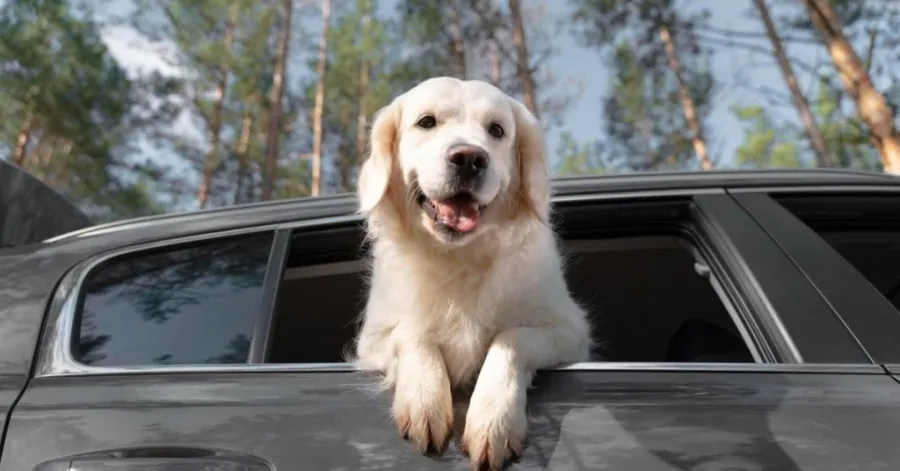
Traveling with your dog can be fun, but safety should always come first. The best way to protect your pup on the road is by using a crash-tested, hard-sided crate or a crash-tested harness in the back seat. These options help keep your dog secure and reduce the risk of injury during sudden stops or accidents.
Knowing how to travel with a dog in a car means planning ahead to help your dog feel more relaxed during the ride. Start with short trips to build comfort and confidence. By taking simple steps and using the right gear, you can make every car ride safer and more enjoyable for you and your dog.
The Safest Way to Travel with Your Dog in the Car
Keeping your dog safe during car rides isn’t just thoughtful—it’s essential. A moving or unrestrained pet can become a distraction or even a danger during sudden stops. By securing your dog properly, you protect both of you and make every trip more relaxed. Let’s look at the safest ways to handle car travel with a dog, starting with the most secure options.
Dog Car Safety Starts with the Right Restraint
When planning how to take a dog on a road trip, restraint is key. Dogs should never roam freely inside a moving vehicle. Not only can they distract the driver, but they’re also at greater risk of an accident. Proper dog car safety means using secure equipment that keeps your pet still, comfortable, and protected.
Whether you’re driving to the vet or heading out for a long adventure, it’s important to check the restraint every time you travel. Making this a routine helps prevent injuries and ensures a smoother, safer trip for everyone in the vehicle, especially your dog.
Crash-Tested Crates Offer the Highest Safety
A crash-tested crate is one of the most secure ways to protect your dog while driving. These crates are designed with strong materials that hold up in sudden stops or collisions. Hard-sided, durable, and lockable, they keep your dog in place while giving them a calm, contained space.
For the best results, place the crate in the back seat or cargo area, never the front. Use straps or seat belts to prevent it from sliding or tipping. If you’re wondering how to drive long distances with a dog, this setup keeps your pet safe and lets you drive stress-free.
Harnesses and Seat Belts Provide Flexibility and Safety
If you don’t have room for a crate, a crash-tested harness is a great option. These harnesses connect directly to your car’s seat belt system and prevent your dog from moving too much. They’re especially helpful with tips for traveling with a dog in the car for shorter trips or when your dog prefers sitting upright.
Make sure the harness fits snugly, without pinching, and never use a seat belt with just a collar. The back seat remains the safest place for harnessed dogs, protecting them from airbag injuries and sudden impact. It’s a flexible, safe solution for many families.
How to Travel with a Dog in a Car the Right Way
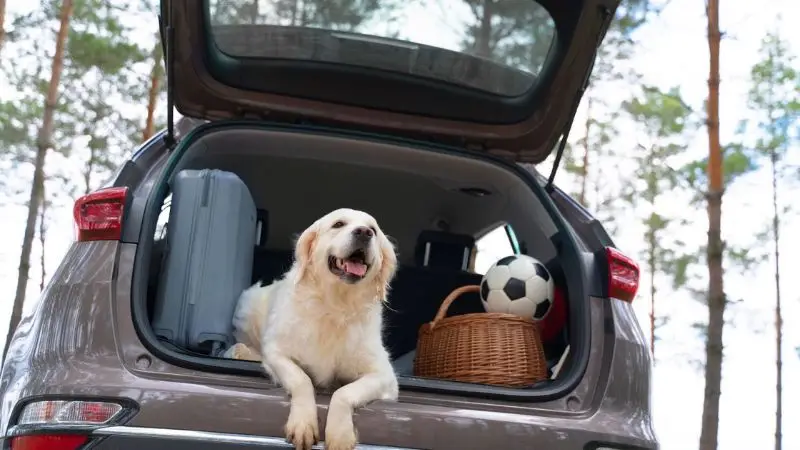
A safe and enjoyable road trip with your dog starts long before you turn the key. Dogs need time to adjust to car rides, and a little preparation can go a long way. Whether you’re planning a quick outing or wondering how to take a dog on a road trip, these steps will help you create a smoother experience for both of you.
Preparing Your Dog for a Safe, Calm Journey
Getting your dog used to the car is the first step in traveling with a dog in a car. Let your pup explore the vehicle while it’s parked. Give treats and gentle praise to build a positive connection. Try short rides first so your dog can get used to new sounds and motion gradually.
Always use a collar with an ID tag and make sure microchip details are up to date. These simple actions help keep your dog safe and less stressed on the road. Preparation builds trust and comfort—two things your dog needs on every trip.
Packing Essentials for Comfort and Convenience
Bringing the right items is essential for safe and stress-free car travel with a dog. Always pack enough food, water, and a collapsible bowl. Familiar items like a blanket or toy can help your dog relax, especially during longer rides. Don’t forget any necessary medications and a copy of your medical records. Bring a dog comfort couch, waste bags, and extra leashes for unexpected stops.
When planning how to drive long distances with a dog, packing these essentials ensures your pup stays happy and calm. Keeping everything organized and secure makes your travel smoother from start to finish.
Planning Breaks That Keep Your Dog Comfortable
On long drives, regular breaks are key to your dog’s comfort and health. Stop every couple of hours for water, potty breaks, and short walks. These pauses give your dog time to stretch and reset, making the ride easier for both of you.
One of the best tips for traveling with a dog in the car is to never leave your dog unattended, even for a minute. Plan your route with safe, pet-friendly rest areas in mind. Check your dog’s restraint system after every break to ensure it’s still secure and positioned properly before getting back on the road.
Comfort and Safety Tips for a Smooth Ride with Your Dog
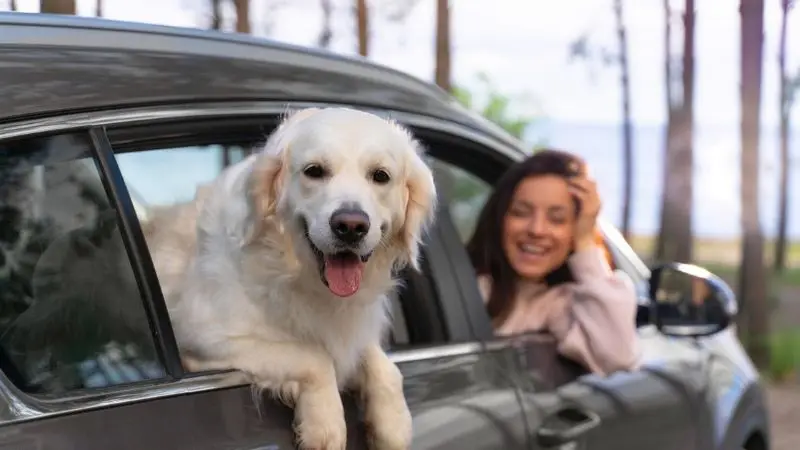
Keeping your dog safe in the car is more than using a crate or harness—it’s also about managing their comfort. From temperature control to easing anxiety, small efforts can make a big difference. Here’s how to create a cozy and secure environment during car travel with a dog.
Manage Temperature for a Safe, Comfortable Ride
Your dog’s comfort begins with the right temperature. Cars can heat up or cool down quickly, so always check the climate before driving. Use the heater or air conditioning to maintain a steady, safe temperature. Never let your dog stick its head out the window—it may look fun, but it can cause injury.
Fresh air is great, but keep windows cracked, not wide open. If you’re planning to drive long distances with a dog, maintaining a balanced climate will help prevent stress or overheating. Always monitor your dog closely to make sure they’re relaxed and breathing comfortably throughout the trip.
Reduce Anxiety by Creating a Calm Space
A calm dog is a happy traveler. If your pup is nervous about the car, bring familiar comforts like a soft blanket or favorite toy. Talk in a gentle voice and consider playing calming music. Dogs often feel more secure when surrounded by things that remind them of home.
This is especially helpful when learning how to take a dog on a road trip. Short practice rides with praise and treats help build confidence. If anxiety continues, ask your vet about safe calming aids. Comfort and patience go a long way when building trust for car travel.
Prevent Motion Sickness with Smart Travel Habits
Motion sickness is one of the most overlooked challenges in car travel with a dog. Signs include drooling, whining, and sometimes vomiting. To help prevent this, avoid feeding your dog right before the trip. Instead, give a small meal a few hours in advance.
Drive steadily and avoid sudden stops or sharp turns. Bring along a soft toy or blanket to provide comfort. If your dog struggles often, ask your vet about medications. Knowing how to handle motion sickness is an important part of the tips for traveling with a dog in the car, especially on longer drives.
Legal and Safety Rules Every Dog Owner Should Know
Understanding the law is just as important as knowing the best travel gear. Whether you’re heading across town or state lines, following safety rules helps protect your dog and gives you peace of mind. These guidelines are essential when planning how to take a dog on a road trip or drive long distances.
State Laws That Affect Dog Car Travel
Some states have strict regulations about how dogs must ride in vehicles. For example, Rhode Island, Hawaii, and New Jersey require pets to be restrained while traveling. These rules are designed to prevent distractions and protect everyone in the car during sudden stops or crashes.
Even if your state doesn’t have a law, using proper restraint is still the safest choice. If you’re planning car travel with a dog across state lines, check pet travel laws beforehand. Staying informed helps you avoid legal trouble and ensures a smoother ride. Legal or not, securing your dog should always be a priority.
Why You Should Never Leave Your Dog Alone in the Car
Leaving a dog alone in a car—even for a few minutes—can be extremely dangerous. Temperatures inside vehicles can change quickly, becoming life-threatening in a short time. Cracked windows don’t help enough. Many states now have laws against leaving pets unattended in cars, and good Samaritans may alert authorities if they see an animal alone.
If you’re thinking about how to drive long distances with a dog, plan your stops at pet-friendly locations where your dog can get out with you. No matter the weather, it’s safest to bring your dog with you wherever you go.
General Dog Car Safety for Every Trip
Safe driving with a dog means more than just choosing the right crate or harness. Always place your dog in the back seat—not the front—where airbags can’t cause harm. Never let your dog ride in a truck bed, even with a leash.
For the best tips for traveling with a dog in the car, carry fresh water, a leash, and even dog goggles if your pup enjoys looking out the window. A travel-sized first-aid kit is also smart. Whether you’re headed to the vet or on a vacation, basic safety habits help make every trip worry-free.
Wrap Up
Traveling with your dog can be a wonderful experience when you know how to travel with a dog in a car safely and comfortably. Preparing the right gear, securing your dog properly, and planning breaks will help keep your furry friend calm and happy during the ride. Whether it’s a quick trip or a longer journey, focusing on safety and comfort makes all the difference.
By following simple steps and paying attention to your dog’s needs, you’ll enjoy smooth and stress-free travels together. Learning how to travel with a dog in a car ensures every trip is safe and enjoyable for both of you.
FAQ
Can my dog ride in the front seat if they are small?
No, you should always keep your dog in the back seat. Airbags in the front can hurt your dog, even if they are tiny. The back seat is the safest spot for every dog.
How often should I stop on a long road trip with my dog?
You should stop every two to three hours. Let your dog stretch, drink water, and go to the bathroom. These breaks help your dog stay happy and comfortable during the trip.
What should I do if my dog gets anxious in the car?
Bring your dog’s favorite blanket or toy. Talk to your dog in a calm voice. Start with short trips to help your dog get used to the car.
Is it safe to let my dog stick its head out the window?
No, it is not safe. Your dog can get hurt by flying debris or sudden stops. Keep the windows closed or only open them a little for fresh air.