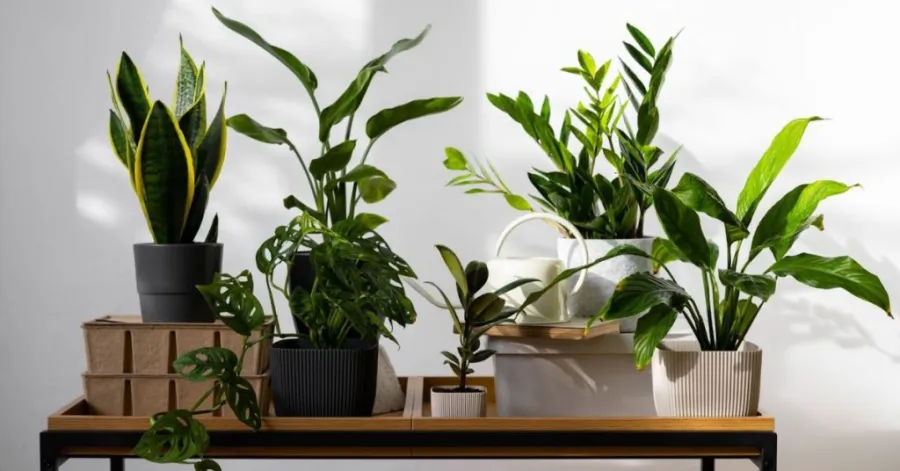
Wondering how to grow indoor plants as a beginner? It’s easier than you think! Begin by selecting a plant that matches your space and light conditions. Place it in a spot with the right amount of natural light, and water only when the soil feels dry—overwatering is a common mistake.
Make sure to use pots with drainage holes to prevent water buildup. Here’s a handy tip: check your plant’s leaves regularly for any changes, as this can signal when it needs attention. With these simple steps, you’ll be well on your way to becoming a proud plant parent in no time.
Best Houseplants for Beginners
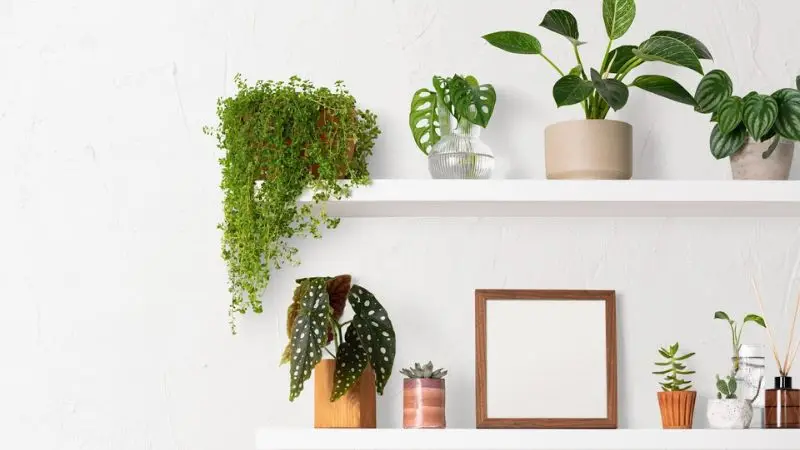
Starting your plant journey can be both fun and rewarding. If you’re new to growing plants inside, choosing the right plants is key to success. Some plants are incredibly forgiving and require minimal attention, making them perfect for beginners. Let’s get into the best houseplants for beginners that will thrive in your home with little effort.
Top Easy Indoor Houseplants
When you’re just starting out, it’s best to begin with plants that are easy to care for and adapt well to various conditions. These plants will thrive even if you forget to water them occasionally. Below are some of the most beginner-friendly indoor plants that are perfect for any home.
- Snake Plant (Sansevieria): This hardy plant thrives in low light and only requires watering every couple of weeks. It’s almost impossible to kill, making it a great choice for beginners.
- Pothos: Known for its fast-growing nature, pothos does well in hanging baskets or on shelves. It’s forgiving with watering—just let the soil dry out between waterings.
- Rubber Plant: With its glossy, large leaves, the rubber plant enjoys bright, indirect light and requires minimal care.
- Aloe Vera: This easy-care plant loves sunlight and only needs watering when the soil feels dry. It’s perfect for beginners looking for a fuss-free option.
- Spider Plant: Spider plants are not only fun to grow, but they also produce “babies” you can share. These plants thrive in most rooms and are super low-maintenance.
Start with one or two of these best indoor plants for beginners and you’ll quickly discover which ones suit your space and lifestyle.
Choosing the Right Plant
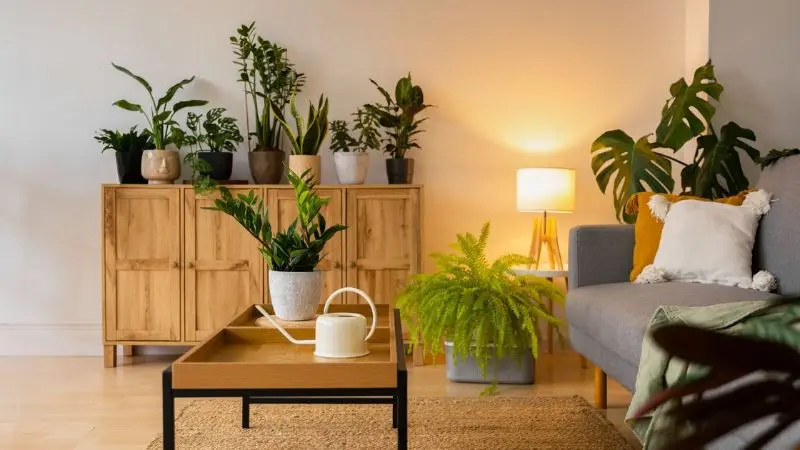
Now that you’ve got some options, it’s time to consider the best fit for your space. Picking the right plant goes beyond just ease of care—it’s important to assess your home environment.
Here are a few questions to consider when choosing houseplants for beginners:
- Does your room get direct sunlight, or is it mostly shade?
- Would you prefer a plant that grows tall, or do you want something compact for a desk or small shelf?
- How much time are you willing to spend caring for your plants?
For bright, sunny windows, consider Aloe Vera or a Rubber Plant. For shadier corners, Snake Plants or Pothos are ideal. The best indoor plants for beginners are the ones that match both your lifestyle and your space. You don’t need to be an expert—just a little curiosity and patience!
Growing indoor plants successfully comes down to understanding a few basic elements: light, water, soil, and feeding. Each factor plays a crucial role in helping your houseplants thrive. Whether you’re just starting or looking to refine your plant-care routine, this indoor plant growing guide will help you master the essentials.
Light and Placement
Light is the cornerstone of indoor plant care. Different plants have different light preferences, so it’s essential to observe how much natural light your space receives throughout the day. Here’s what you need to know:
- Direct light means the sun shines directly onto the plant. Succulents and cacti thrive in this type of light.
- Indirect light is bright but diffused, like when the sun filters through a sheer curtain. Plants like pothos, rubber plants, and many tropical varieties prefer this.
- Low light refers to areas that are bright enough to read but without direct sunlight. Snake plants and ZZ plants are perfect for low-light environments.
To optimize your plant’s growth, place it near a window with sufficient light but avoid direct exposure to harsh sun, especially if it’s too intense. If you notice leaves turning brown or crispy, your plant might be getting too much light. On the other hand, if the leaves become pale or the plant grows tall and thin, it may be longing for more light.
Watering Tips
Watering can often be a tricky part of how to care for houseplants naturally. Most indoor plants like to dry out slightly between waterings, so knowing when and how much to water is key.
- Stick your finger about an inch into the soil. If it feels dry, it’s time to water.
- Always use room-temperature water and pour slowly until it starts draining from the bottom.
- Empty the saucer under the pot to avoid water accumulation and root rot.
Overwatering is a common mistake. Too much water can drown the roots and cause them to rot. On the other hand, underwatering will make your plant droopy and weak. If you’re uncertain, wait a day or two before watering—most plants prefer to be a bit drier than overly soaked.
Soil and Pots
Choosing the right soil and pot is essential for healthy plant growth. The right soil provides nutrients and allows roots to thrive, while a well-draining pot prevents water from accumulating at the bottom.
- Regular potting mix works for most houseplants.
- Cactus or succulent mix allows faster drainage and is best for plants that dislike wet roots.
- Orchid mix is more chunky and ensures air reaches the roots of delicate plants like orchids.
Always use a pot with drainage holes. Without them, water can accumulate at the bottom and cause root rot. If your pot doesn’t have drainage, water can get trapped, harming your plant.
Feeding and Fertilizing
Just like people, plants need nourishment to grow. While most indoor plants don’t need constant fertilizing, giving them a little boost during the growing season helps keep them healthy and thriving.
- Apply a balanced liquid fertilizer once a month during the spring and summer when the plant is actively growing.
- Avoid overfeeding—read the label and follow the recommended dosage.
- During fall and winter, skip fertilizing as plants go into a resting phase.
If you notice yellow leaves or slow growth, your plant may need more food. But remember, less is more—too much fertilizer can burn the roots.
Creating the Right Environment for Indoor Houseplants
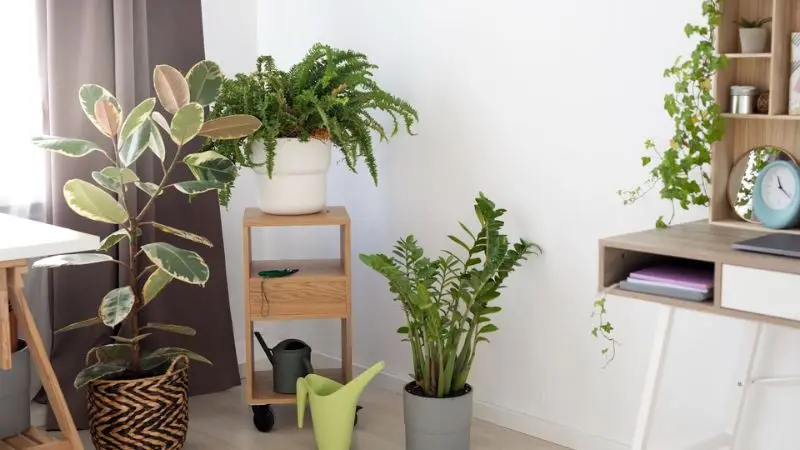
To ensure your indoor plants thrive, it’s important to create an environment that mimics their natural habitat. This involves paying attention to temperature, humidity, seasonal changes, and regular maintenance. In this section, we’ll explore how to care for houseplants naturally and make sure they feel at home inside your space.
Temperature and Humidity
Indoor plants, just like you, prefer a comfortable environment. Most houseplants enjoy temperatures between 65°F and 75°F during the day, making your home an ideal temperature for growth. However, it’s essential to keep them away from cold drafts, hot air vents, or places where the temperature fluctuates too much, as sudden changes can stress your plants.
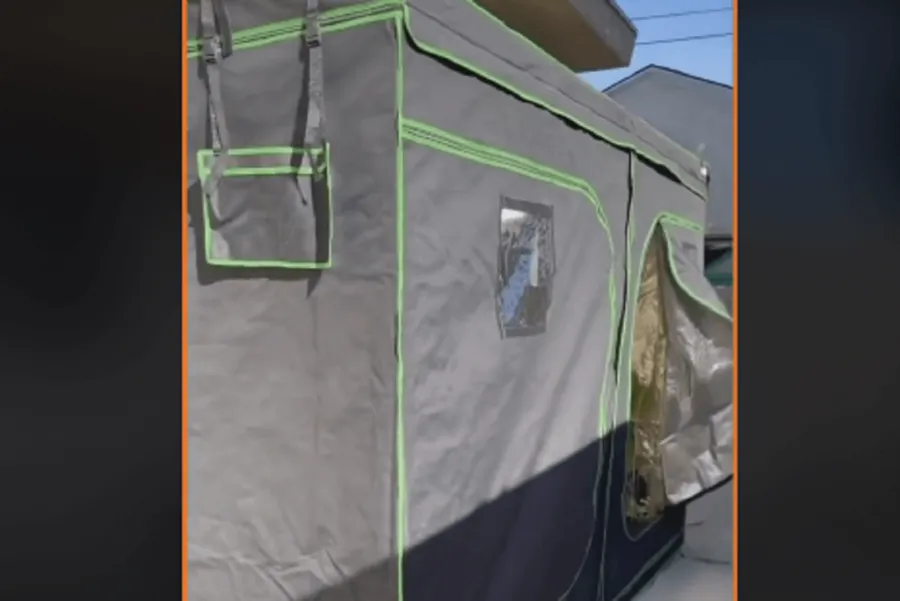
If you want to create a stable environment, consider using a grow tent for indoor plants, which helps maintain consistent temperature and humidity levels. Humidity plays a crucial role in keeping your plants happy. Many popular indoor plants, especially tropical ones, enjoy moisture in the air. If you live in a dry climate or if your indoor air tends to be dry, consider misting your plants’ leaves with water occasionally.
Seasonal Adjustments
Your indoor plants will respond to seasonal changes, and it’s important to adjust their care accordingly. In winter, your home may get cooler and drier, especially around windows. To protect your plants, move them away from cold drafts and windowsills, and be mindful that plants grow more slowly in the colder months, so they’ll require less water.
In summer, as the temperature rises, you may need to water more frequently to prevent the soil from drying out. Also, be aware of how much sunlight enters your space during different seasons. If your plants seem to be getting too much sun in the warmer months, pull them back a bit from the window. During winter, move them to a brighter spot if they seem to be getting too little light.
Cleaning and Pruning
A clean plant is a healthy plant. Over time, dust can accumulate on your plants’ leaves, blocking sunlight and hindering their growth. Make it a habit to gently wipe down the leaves with a damp cloth every few weeks. Clean leaves not only help the plant absorb more light but also give it a shiny, vibrant look.
In addition to cleaning, pruning your plants helps maintain their health. Regularly check for yellow, dead, or damaged leaves and carefully snip them off with clean scissors. This simple task encourages new growth and keeps your plants looking fresh and vibrant.
Troubleshooting for Beginners
Every plant parent encounters challenges along the way. Whether it’s yellowing leaves, wilting stems, or even signs of pests, there’s always a solution. Knowing how to recognize and address these common problems is an essential part of growing plants indoors. In this section, we’ll get into the most common issues beginners face and how to troubleshoot them.
Common Problems
It’s normal to experience a few bumps while learning how to grow indoor plants, but don’t let problems discourage you. Here are some common issues and their solutions:
- Overwatering: Yellow leaves or soft, drooping foliage can be a sign of too much water. Indoor plants don’t like sitting in soggy soil. Before watering again, make sure the soil has dried out.
- Underwatering: Dry, crispy leaves or drooping stems are signs your plant is thirsty. If the soil feels dry, give your plant a good drink of water.
- Root Rot: If you notice mushy roots and a foul smell, your plant might have root rot. Carefully remove the plant from the pot, cut away the rotten roots, and repot the plant in fresh, dry soil.
Always check the soil before watering. Your finger is the best tool for the job!
Pests and Diseases
Pests and diseases are part of the plant care process. If you notice small bugs or spots on your plants, don’t panic. Common indoor pests include spider mites, aphids, and mealybugs. You might also notice sticky leaves or tiny webs, which are signs of infestation.
- To deal with pests, start by wiping down the leaves with a damp cloth. This will help remove any bugs.
- If necessary, spray your plant with a mixture of soapy water or a gentle insecticidal soap.
- Remove any leaves showing signs of damage, like brown or black spots.
For fungal issues, mold or fuzzy patches, make sure your plant has adequate airflow. Keep it in a well-ventilated area to prevent future outbreaks.
When you spot issues early, caring for houseplants naturally becomes easier, and your plants will bounce back quickly.
Repotting and Propagation
As your plants grow, they may need more space to thrive. If you notice the roots poking out of the drainage holes or if your plant looks crowded, it’s time to repot.
- To repot, gently remove the plant from its current pot and place it into a new one with fresh soil. This will give the roots plenty of room to expand.
- Lightly water the plant and let it settle into its new environment.
Want to increase your plant collection? Propagation is a fun and simple way to multiply your houseplants. Simply cut a healthy stem, place it in water or soil, and watch new roots grow. Propagation is also a great way to share your favorite plants with friends and family.
Wrap Up
In conclusion, growing plants inside can be a rewarding and enjoyable experience for beginners. By selecting the right plants, providing proper light, and maintaining a consistent watering routine, you’ll ensure your houseplants thrive.
Remember to keep an eye on temperature, humidity, and soil conditions to create the best environment for your indoor plants. Even if you face challenges like overwatering or pests, these issues can be easily managed with a little patience and care. With the right knowledge and dedication, you’ll soon become an expert at how to grow indoor plants and enjoy a vibrant, healthy indoor garden.
FAQ
How often should I water my indoor plants?
Check the soil with your finger. If it feels dry about an inch down, it’s time to water. Most houseplants need water once a week, but some need less. Always watch your plant for signs.
Why are my plant’s leaves turning yellow?
Yellow leaves usually mean too much water or not enough light. Move your plant to a brighter spot and let the soil dry out before watering again. Remove yellow leaves to help your plant focus on new growth.
Can I use tap water for my houseplants?
Yes, you can use tap water for most houseplants. Let it sit out overnight to let chlorine evaporate. Some sensitive plants prefer filtered water, but most will do fine with regular tap water.
What should I do if I see bugs on my plants?
Wipe the leaves with a damp cloth. Spray the plant with soapy water or use insecticidal soap. Remove any badly damaged leaves. Keep your plant away from others until the bugs are gone.
Do indoor plants need fertilizer?
Indoor plants grow best with a little fertilizer during spring and summer. Use a balanced liquid fertilizer once a month. Skip feeding in fall and winter when your plant rests.