Weeds not only spoil the appearance of your yard but also cost growers millions of dollars each year. Just look at some of the most problematic species and their estimated annual management costs:
| Weed | Management Cost (million USD) |
| Ryegrass | 103.2 |
| Wild radish | 19.7 |
| Wild turnip | 7.8 |
| Wild oats | 6.2 |
| Barnyard grass | 4.1 |
Early action and the proper treatment help you save time and money. Wondering how to treat weeds in the lawn effectively? Both natural and chemical methods can be effective. You can achieve a weed-free lawn with the right steps and a little patience.
Identify Lawn Weeds
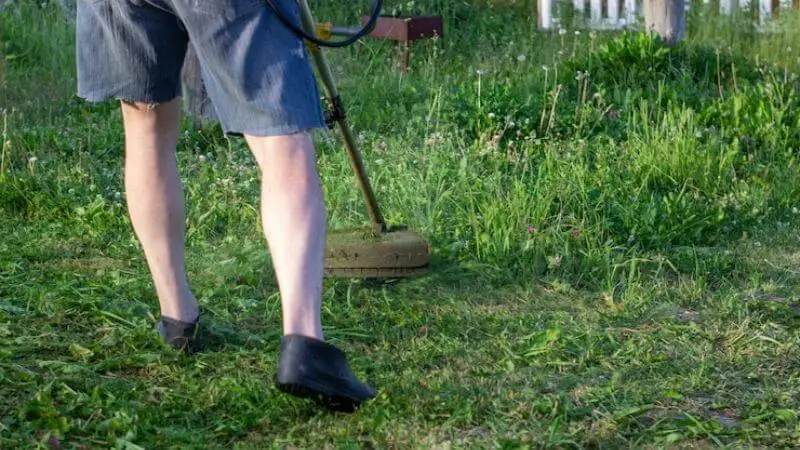
Weed Types
The first step in how to treat weeds in the lawn is to identify exactly which types of weeds are growing. Knowing what you’re dealing with makes it much helpful to choose the right products and techniques.
Most lawn weeds can be categorized into three main groups: broadleaf, grassy, and sedge. Each group is unique and requires different treatments.
| Weed Type | Representative Species (Scientific Name) | Example Herbicide Control Efficacy |
| Broadleaf | Abutilon theophrasti, Ambrosia artemisiifolia, Euphorbia spp. | Flumioxazin controlled 84% of doveweed (Murdannia nudiflora) |
| Grassy | Digitaria sanguinalis (large crabgrass), Echinochloa spp. (barnyard grass), Setaria spp. (foxtail) | Pendimethalin + dimethanamid-P gave 100% control on large crabgrass |
| Sedge | Cyperus esculentus (yellow nutsedge), Cyperus rotundus (purple nutsedge) | Control methods vary; some herbicides are less effective |
Broadleaf weeds have broad, flat leaves and are distinguishable from grass. Grassy weeds look like grass but grow faster or taller than regular grass. Sedges have stems with three-sided leaves and grow in wet areas.
Annual vs Perennial
Effective weed identification helps you use less herbicide and maintain a healthy lawn. In addition, early detection allows you to apply specialized lawn weed control methods before they spread and become harder to manage.
Why Weeds Grow in Your Lawn
You may wonder why weeds seem to pop up in your lawn even when you try your best to keep them away. Many factors in your lawn environment can encourage weed growth. These include soil type, water, nutrients, and how crowded your grass is. When your lawn has bare spots or thin grass, weeds find space to take root.
Environment that Influences Weed Growth
Here is a table showing how different environmental and soil factors affect weed growth and control:
| Environmental/Quantifiable Factor | Description/Effect on Weed Growth |
| Species diversity | More plant types in your lawn use resources better, leaving less for weeds. Mixtures can show 52% less weed biomass than single-species lawns. |
| Resource availability (water, nutrients, light) | Good management of these resources helps your grass outcompete weeds. |
| Soil nitrate concentrations | Higher root mass and soil nitrate can help suppress weeds. |
| Crowding and plant richness | Dense, rich lawns reduce weed growth by limiting space and resources. |
| Soil texture and organic carbon | Soil with the right mix of sand, clay, and organic matter can affect which weeds appear. |
Soil Properties that Encourage Weed Growth
Soil properties play a big role in weed growth. For example, available water capacity explains about 17% of weed differences in lawns. The content of clay, sand, and silt also affects the types of weeds you see. Some weeds prefer clay soils, while others prefer sandy soils. Soil organic carbon has a complex effect on weed types.
Nitrogen fertilization can alter the types of weeds that grow by favoring those that prefer rich soils. Different fertilization and soil management practices can lead to more grasses, sedges, or broadleaf weeds. Some weeds, like Cyperaceae, become more common when fertilization matches their needs.
How to Treat Weeds in the Lawn

Step 1: Identify the Weeds
Just like we talked about before, start by learning how to spot weeds in your lawn. Look at the leaves and stems. Some weeds have wide leaves. Others resemble grass or have triangular-shaped stems.
Knowing the type of weed you have helps you choose the most effective way to treat it. If you find weeds early, you can stop them from spreading. Catching weeds soon is very important for any weed plan.
Step 2: Choose the Right Weed Treatment
There are different ways to manage weeds. You can use natural ways to treat weeds in the lawn, pull weeds out, or use chemicals. Each approach has its advantages and disadvantages. Pick the method that fits your weed type. Choose based on how to remove weeds from grass:
Comparing Natural and Chemical Weed Control Solutions
| Treatment Type | Method/Ingredients | Weed Cover Reduction (%) | Cost Comparison (USD/ha) | Notes |
| Natural Herbicides (CAP) | Capric/caprylic acid | 40% (perennial weeds) | $769.50 less than the manual | Works fast, best for small weeds |
| Natural Herbicides (LIM) | d-limonene | 47% (perennial weeds) | $203.50 less than the manual | Needs fewer uses, quick results |
| Mechanical Removal | Hand pulling/tillage | No big change | Baseline | Weeds can grow back if the roots stay |
| Chemical Herbicides | Glyphosate, 2,4-D, etc. | Up to 99% (varies) | Varies | Lasts longer, kills roots |
Step 3: Apply the Treatment Properly
It is essential to use weed treatments the right way. Follow these steps to find the best way to kill weeds in the lawn, stay safe, and get good results:
- Read the whole herbicide label before you use it. The label tells you the rules.
- Wear long sleeves, pants, socks, shoes, and gloves that protect you from chemicals.
- Put down preemergent herbicides before weeds start to grow. Water them in so they reach the soil.
- Use postemergent herbicides when weeds are young and growing fast. Early fall or spring is best for most weeds.
- Do not spray on windy days. This keeps spray from landing on flowers, veggies, or water.
- Keep herbicides in their bottles, away from kids and pets.
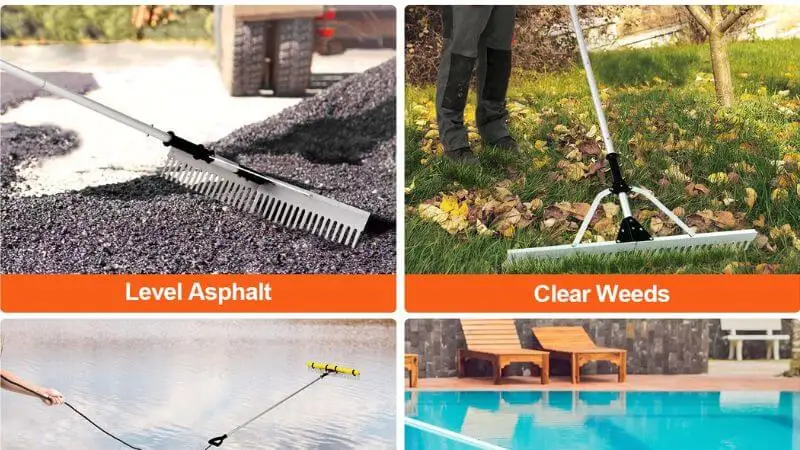
After applying pre-emergent or post-emergent herbicides, using a tool like a landscape rake can make a big difference. This rake helps clear away dead weeds and debris, loosens compacted soil, and evenly spreads mulch or topsoil. By breaking up the surface and removing leftover plant matter, you minimize bare patches where weeds could easily return.
Step 4: Improve Lawn Care to Prevent Weeds
A strong lawn helps keep weeds away. Good lawn care makes it difficult for weeds to grow, meaning you don’t need to treat it as often. Try these tips for better weed control:
- Mow your grass at the right height.
- Water deeply but not too often. Shallow watering helps weeds grow.
- Fertilize your lawn at the right time based on soil test results. Too much fertilizer can feed both weeds and grass.
- Loosen hard soil to allow roots to grow more easily.
- Plant more grass in thin spots to make your lawn thick and resilient, preventing weeds from invading.
Preventing Future Weed Growth
Alt Text: Prevent weeds in the Lawn
Lawn Care Practices
You can stop weeds before they start by focusing on strong lawn care. Effective weed management starts with a healthy lawn. Mow your lawn at the right height. Taller grass shades the soil and blocks sunlight from reaching weed seeds. Fertilize your lawn according to the results of a soil test.
Too much fertilizer can help weeds grow, but the right amount supports your grass. Water deeply but not too often. Deep watering encourages the growth of strong roots. Aerate your lawn once or twice a year. Aeration loosens compacted soil, allowing air, water, and nutrients to reach the roots.
Regular Monitoring
Regular checks are key for preventing weeds. Walk your lawn every week. Look for new weeds or bare spots. Early action is vital for weed management. Pull small weeds by hand or use a weed barrier landscape fabric.
This stops weeds before they spread. This helps you spot patterns and improve your weed management plan. If you notice the same weeds returning, adjust your care routine.
| Task | How Often | Why It Matters |
| Mow | Weekly | Keeps the grass thick |
| Water | As needed | Supports deep roots |
| Inspect | Weekly | Catches weeds early |
| Aerate | 1-2 times/year | Prevents soil compaction |
| Overseed | As needed | Fills bare spots |
When to Call a Professional
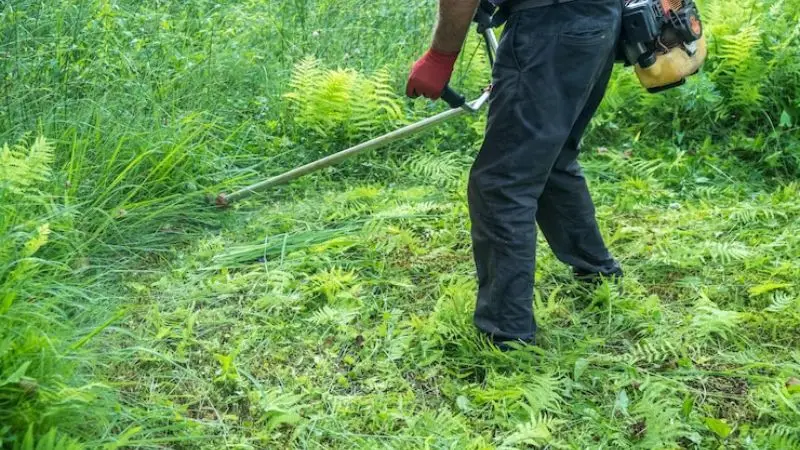
Sometimes, taking care of weeds on your own does not work well. You may spend a considerable amount of time pulling weeds or trying new products. But the weeds keep coming back again and again. In these cases, hiring a professional can help you save time and improve the appearance of your lawn.
You should think about hiring a professional if:
- Weeds often return after treatment.
- You see large areas of tough weeds, such as nutsedge or bindweed.
- You do not have enough time for lawn care.
- You are not sure how to use chemicals safely.
- Your lawn has other problems, like pests or diseases.
Professionals know how to identify weed types and apply the appropriate treatments. They also know how to use products safely and at the best time. Many companies promise that you will be happy with their work, so you don’t waste money if it doesn’t work.
DIY vs. Professional Lawn Care: What’s the Difference
Here is a table that shows the difference between professional lawn care and doing it yourself:
| Aspect | Professional Lawn Care | DIY Lawn Care |
| Cost per visit | $30 to $250 (depends on service and size) | Lower cost at first, but hidden costs are possible |
| Time investment | The homeowner spends very little time | About 150 hours each year for care |
| Fertilization cost | Starts at about $194.25 per year | About $50 per bag plus your own work |
| Expertise | Uses the right products and timing | Mistakes can happen without enough knowledge |
| Satisfaction guarantee | Usually included, so less risk with money | Not included |
| Suitable tasks | Hard jobs like fertilizing and pest control | Easy jobs like mowing and pulling weeds |
| Long-term lawn health | Lawn stays healthier with expert care | The lawn may not look as good over time |
Professional services may initially cost more, but they save you time and help you avoid mistakes. Experts use the right fertilizer and apply it at the optimal time. This helps your lawn stay green and healthy.
To Sum Up:
You can achieve a weed-free lawn by following a clear plan of how to treat weeds in the lawn. Start with proper site preparation and remove existing weeds. Regular fertilization and aeration help your grass grow strong and crowd out weeds.
Hand weeding and targeted herbicide use stop new weeds before they spread. When you identify weed species, you can choose the best care for your yard. Stay consistent with these steps and enjoy a healthy, green space.
FAQ
1. What is the best time to treat weeds in my lawn?
You should treat weeds when they are young and growing fast. Early spring or fall works best for most weeds. This timing helps you stop weeds before they spread seeds.
2. Can I use vinegar to kill weeds in my lawn?
Vinegar can kill small weeds above the ground. It does not destroy the roots. You may need to apply it more than once. Use vinegar carefully, as it can harm grass and other plants.
3. How often should I check my lawn for weeds?
Check your lawn every week. Early detection helps you remove weeds before they have a chance to spread. Regular checks keep your lawn healthy and make weed control easier.
Will mowing my lawn shorter help control weeds?
No, mowing too short can weaken your grass. Weeds can take over thin or stressed areas. Keep your grass at the recommended height to shade the soil and prevent weed seeds from germinating.