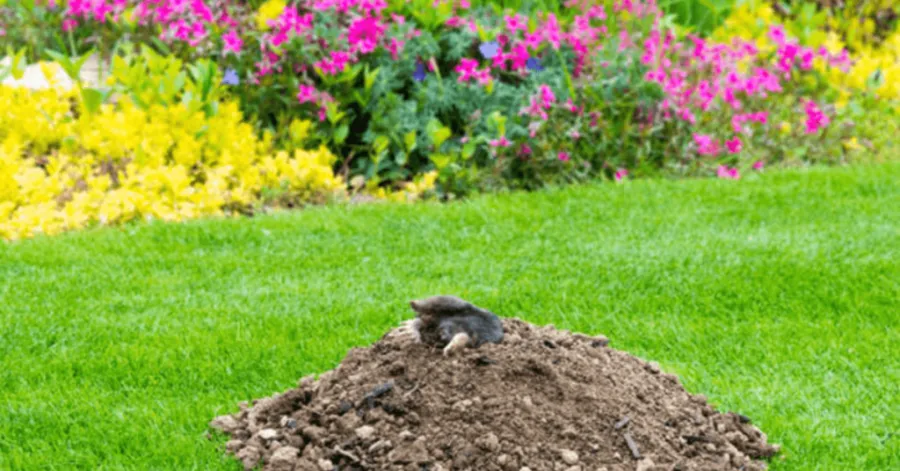
Have you noticed small mounds of soil popping up in your yard? Moles in the garden can turn your beautiful outdoor space into a dirt pile. They not only disturb the grass of your lawn, but they can also damage the tubers or other vegetables in your kitchen garden. Their continuous activities can also result in less fertile soil. So, you have to act quickly when you find any signs of the presence of these little diggers. If you know how to get rid of moles in garden areas, you can restore your garden.
How to Identify Moles and Their Damage
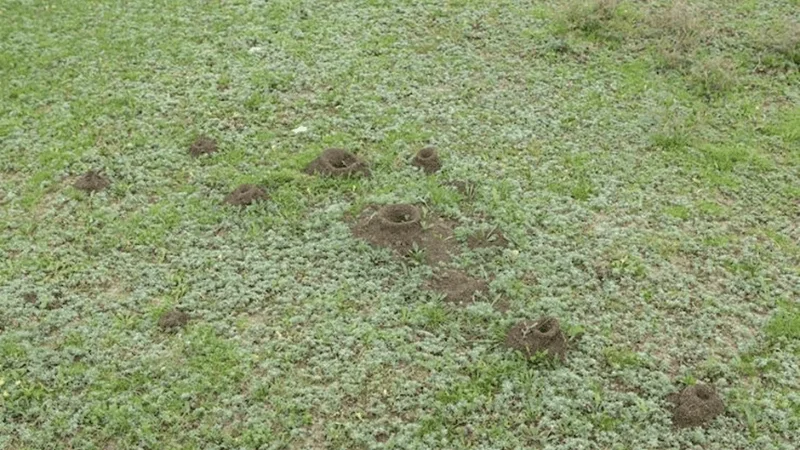
Signs of Moles in the Garden
Finding moles in your garden can be hard as they remain underground for most of their life. But you can find the signs of their presence in your garden. They make a land tunnel as their path while searching for food. If you see a line of soil a little raised than other parts. This is a significant sign of these diggers. Another major clue is the mole hill, which is a volcano-like accumulation of soil.
Your plants may also show signs. Wilting or uprooted plants could indicate that moles are disturbing the roots. Watch for soft, bumpy spots in your yard. These often mean moles are present. Spotting these signs early helps you take action before more damage occurs.
Differentiating Mole Damage from Other Pests
Not all garden problems are caused by moles. Other pests, such as voles or gophers, may be to blame. How can you tell? Moles dig tunnels and eat insects, such as worms and grubs. They don’t eat plants, but their digging can harm roots. Voles and gophers, however, chew on roots, bulbs, and tree bark.
You can also check the tunnels. Mole tunnels are shallow and make ridges on the ground. Gopher tunnels are deeper and have bigger, crescent-shaped mounds. Voles leave narrow paths above ground. Knowing these differences helps you treat the right pest and avoid wasting time.
Why Early Detection is Crucial
Finding moles early can save your garden from significant problems. Moles dig quickly and can create up to 100 feet of tunnels in a single day. The longer they stay, the more they harm the soil and roots. Catching them early allows you to use safe and effective solutions before things worsen.
Ignoring the signs can lead to further trouble. Mole tunnels can weaken your lawn, making it unsafe to walk on. This weak soil then attracts other pests like voles. Thus, damage continues to increase. If you catch the moles early, you will be safe from further loss.
Why Moles Are Attracted to Your Garden
Soil Quality and Food Sources
Moles like soft soil that’s easy to dig. Loose, moist dirt invites them to tunnel quickly. Hard or rocky ground keeps them away.
Moles eat insects like worms, grubs, and beetles. If your garden has many of these, moles will stay. Healthy soil means more worms, which help plants but also attract moles.
Seasonal and Weather-Related Factors
Moles are most active in the spring and autumn when the weather is nice. Rain makes the ground softer, which helps them dig faster. Mole activity often goes up after a lot of rain.
Moles move more slowly when it’s chilly in the winter and hot in the summer. To get away from bad weather, they construct deeper tunnels. Molehills in winter mean they’re staying warm underground.
Standard Gardening Practices That Attract Moles
Some gardening habits attract moles without you knowing. Overwatering makes the soil soft, which moles enjoy. Compost attracts worms, providing moles with more food. Leaving your garden alone for too long can invite moles. They like quiet areas with little human activity. The best way to remove moles from the garden is through continuous activity and noise in the garden.
How to Get Rid of Moles in the Garden Effectively
Humane Trapping Methods
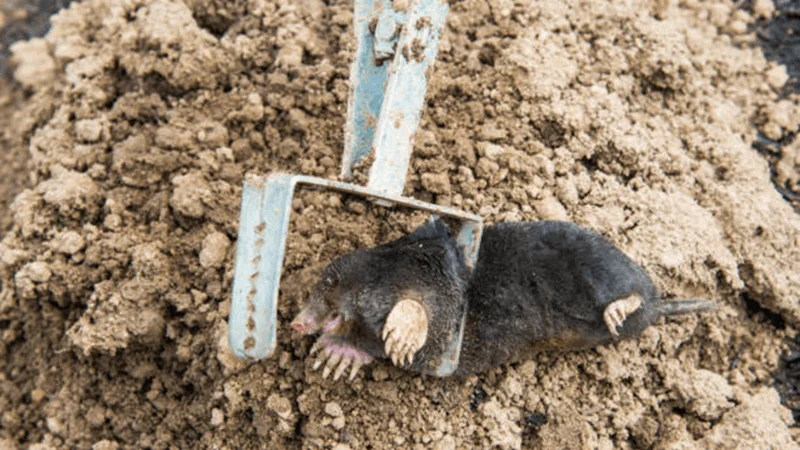
Want to get rid of moles in your garden without hurting them? Humane traps work well. These traps catch moles alive, allowing you to relocate them elsewhere. Follow these steps:
- Pick the Right Trap: Use a live mole trap. You can find these online or at garden stores.
- Find Active Tunnels: Flatten part of a tunnel. Check if it’s rebuilt in 24 hours. This shows where moles are active.
- Place the Trap: Put the trap inside the busy tunnel. Moles often use the same paths, so this increases your chances.
- Check Often: Don’t leave moles in traps too long. Look daily to see if a mole is caught and ready to move.
Organic and Natural Mole Repellents for the Garden
Want a chemical-free way to keep moles away? Natural repellents are safe and easy to use. Moles hate castor oil. Mix three tablespoons of castor oil, a gallon of water, and dish soap. Spray it on mole tunnels and problem spots. You can also plant marigolds, daffodils, or alliums.
These plants naturally keep moles away. You can also sprinkle used coffee grounds near molehills. They improve soil and deter moles. Another method is to crush garlic and mix it with cayenne pepper and water. Pour it into tunnels to make moles leave.
Using Mole Deterrents and Barriers
Stopping moles from entering your garden can save time. Physical barriers and deterrents work well to block moles. You can use wire mesh or hardware cloth. Bury it 2 feet deep and bend the bottom outward to stop digging. The solar mole deterrents send vibrations into the soil.
Moles dislike this and will leave. Add gravel or rocks to the bottom of your soil. This makes digging hard for moles, especially in flower beds. You can use ultrasonic devices. These tools send high-pitched sounds that bother moles. They don’t harm pets or people, but make moles leave.
When to Seek Professional Help
Sometimes, moles just won’t leave, no matter what you do. If traps, repellents, and barriers fail, it’s time to call experts. Here’s when calling professionals makes sense:
- Persistent Mole Activity
- Extensive Lawn or Garden Damage
- Lack of Time or Resources
- Uncertainty About the Problem
Professional help can make a significant difference when DIY methods are ineffective. Experts have the tools and knowledge to better solve mole problems. If you’re stuck or unsure, don’t wait to contact a pro.
How to Keep Moles Away Permanently
Improving Soil and Lawn Conditions
Strong soil and a neat lawn can keep moles away. Firm soil is harder for moles to dig through. Aerate your lawn occasionally, but avoid overdoing it. Slightly compacted soil makes it less inviting for moles.
Water the plants only when your garden needs it. Too much water makes the soil soft, attracting worms and grubs. These are the moles’ favorite foods. Drier soil means less food and harder digging for moles.
Reducing Mole Food Sources
Moles stay where they find lots of food. To stop moles, reduce their food supply. Grubs and bugs are their primary food source. Use natural ways like nematodes or milky spores to control grubs. These effective mole control methods for gardens are safe for plants and the environment.
Keep your garden clean to avoid attracting bugs. Leaves and compost piles attract insects, which in turn attract moles. Remove extra organic debris to discourage pests.
Installing Physical Barriers in the Garden
Barriers work well to keep moles out of your garden. Put underground fencing around garden beds. Use wire mesh or hardware cloth buried 24 inches deep. Bend the bottom outward to stop moles from digging under.
Add gravel or rocks under your soil. This makes digging hard for moles, especially near flowers. For big areas, use mole netting. Lay it over your lawn before planting grass. It stops moles but lets grass grow.
Regular Maintenance to Prevent Moles
Stopping moles for good needs regular care. You don’t need special tools. Simple steps can keep your garden safe. Check your garden regularly for signs of moles. Look for fresh tunnels or molehills. Finding these early helps stop moles from settling in.
Keep your lawn thick and healthy. Moles like loose soil that’s easy to dig. Firm soil makes digging harder for moles. Plant grass seed in empty spots to make your lawn dense. Control the mole food sources. Moles eat grubs and worms. Use natural methods to reduce grubs, such as adding nematodes.
To Conclude:
Dealing with moles in your garden doesn’t have to be overwhelming. By identifying the problem early, you can take control before it causes severe damage. Use humane and practical methods to remove them, like traps or natural repellents. Once they’re gone, focus on prevention. Improve your soil, reduce their food sources, and install barriers to keep them out for good.
With consistent effort and the tips in this guide, you’ll know how to get rid of moles and enjoy a mole-free garden. Your plants and lawn will thank you!
FAQs
How do I know if moles are still active in my garden?
Flatten a tunnel and check it the next day. If the soil rises again, moles are active. You can also look for fresh molehills or soft spots in the lawn.
Are moles harmful to my plants?
Moles don’t eat plants, but their digging can damage roots. Uprooted plants or wilting may happen if tunnels disturb the soil. They also attract pests like voles, which chew on roots and bulbs.
Can I use household items to repel moles?
Yes! Castor oil, coffee grounds, and garlic are effective options. Mix castor oil with water and spray it on the tunnels. Sprinkle coffee grounds near molehills. Pour garlic water into the tunnels to drive them away.
What is the most effective way to permanently prevent moles?
Improve soil conditions and reduce food sources. Compact the soil slightly and control grubs naturally. Install underground barriers, such as wire mesh, to prevent digging. Regular garden maintenance keeps moles away.
Should I hire a professional for mole problems?
If DIY methods fail or damage is severe, call a pest control expert. They utilize advanced tools and techniques to get rid of moles in the garden safely. Professionals also help identify if other pests are causing issues.