Cast iron plumbing repair is a central part of maintaining a plumbing system. Cast iron pipes have been used in plumbing for years due to their strength. However, the strongest pipe may still develop rust, leaks, and clogs over time. They can be fixed, but if you detect them earlier, you will be saved from costly repairs later.
You just need special tools and supplies, and a guide to cast iron plumbing repair. We have compiled a step-by-step guide. Simply collect the tools, and let your plumbing system work smoothly.
Identifying Common Problems with Cast Iron Plumbing
Signs of Leaks or Cracks
Leaks are a frequent problem with cast iron plumbing. Over time, pipes can crack from wear. Cracks let water escape, causing leaks you can see. You might spot water stains on walls, ceilings, or floors near pipes. Sometimes, you may hear dripping sounds when no faucets are on.
A higher water bill can also mean there’s a leak. Check exposed pipes for cracks or damp spots if you suspect one. Focus on joints and connections since they often get damaged. Fixing leaks early stops bigger problems and saves money.
Rust and Corrosion in Cast Iron Pipes
Rust and corrosion harm cast iron plumbing over time. Moisture and air cause rust, which weakens pipes. You may notice reddish stains on your pipes or in the water. These stains show that corrosion is happening.
Rusty pipes can have rough insides, slowing water flow and causing clogs. If left unattended, rust can destroy the pipe walls. Regular checks for rust help catch problems early. Rusted pipes may need to be replaced to keep your plumbing functioning properly.
Slow Drains and Blockages
Slow drains are another issue with cast iron plumbing. Grease, hair, and soap scum can build up inside pipes. The rough surface of cast iron makes clogs more likely than smoother pipes. You might see water draining slowly from sinks or tubs. Severe clogs can even cause water to back up.
Tree roots can also block pipes by growing through cracks in the pipes. These roots create big blockages inside the pipes. To fix slow drains, try a plunger or a drain snake. For tough clogs, call a professional to avoid damaging the pipes.
Unpleasant Odors from Cast Iron Plumbing
Unpleasant odors from cast iron plumbing can be a sign of underlying issues. The gas escaping from cracks in the pipes often causes this smell. These smells may spread due to blocked pipes. If you ever notice any foul smell, it’s a sign that your plumbing needs repair. Ventilation issues may also contribute to odors in cast iron plumbing.
How to Identify the Source of the Smell
Identifying the source of the odor helps you resolve the problem more quickly. Start by inspecting exposed pipes for visible cracks or leaks. Look for damp spots or discoloration around the pipes. If you suspect a blockage, pay attention to slow drains or gurgling sounds when water flows. You can also test for ventilation issues by running water in sinks or flushing toilets.
Steps to Address Odors from Cast Iron Plumbing
First of all, you need to clean your drains. You can use a plunger or a drain snake to remove debris causing blockages. Never use chemical cleaners, as they can damage cast-iron pipes. Then, apply epoxy or a patching material to seal small cracks. For larger damage, consider replacing the affected section of the pipe. Finally, inspect the vent system for blockages.
Repair vs. Replacement: How to Decide
Checking the Age and Condition of Cast Iron Pipes
The age and condition of your cast iron pipes help determine whether they need fixing or replacing. Pipes older than 50 years are often more prone to damage. Inspect your pipes regularly for cracks, rust, or leaks. Small problems can be fixed with patches or epoxy. However, pipes with heavy rust or numerous leaks may need to be replaced.
If your plumbing has slow drains or bad smells frequently, it may indicate that the pipes are too old. Also, think about the area around the pipes. Wet soil or excessive moisture can cause pipes to wear out more quickly. Checking these things helps you determine whether to repair or replace.
Good and Bad Sides of Cast Iron Pipe Repair
Fixing cast iron pipes can save money for minor problems. It allows you to fix specific areas without altering all the pipes. Using patches or epoxy can restore pipes and extend their lifespan. Repairs are usually quicker and less messy than replacing pipes, which is helpful for homeowners.
But repairs don’t always last. They may not work well for pipes with large rust spots or significant damage. Fixing one crack won’t stop new leaks if the pipe is weak. Consider both the benefits and drawbacks of repairs before making a decision.
When Replacing Pipes is Better
Replacing pipes is best when cast iron plumbing is too old or damaged. If pipes have lots of rust, leaks, or are unstable, repairs won’t be enough. New pipes provide a robust system that functions effectively for your home. Consider replacing pipes when remodeling or upgrading.
Materials like PVC or copper resist rust better and are easier to care for. Replacing costs more at first, but solves problems for a long time. Signs you need new pipes include frequent repairs, rusty water, or unpleasant odors. If you’re unsure, ask a plumber to inspect your pipes and recommend a course of action.
Step-by-Step Guide to How to Repair a Cast Iron Pipe
Checking the Pipe for Damage
Begin by carefully inspecting the cast iron pipe for any issues. Inspect the surface for cracks, rust, or leaks. Focus on the joints of the plumbing, as leaks or cracks often occur at these points. If you notice any damp areas, water stains, or discoloration anywhere near the pipe, it’s a sign of a leak.
Use a tool to gently push the pipe near the spot to locate the exact point of leakage. If it sounds hollow, the pipe walls may be thin due to rust. This check helps you decide if you can patch small leaks or need to replace parts of the pipe.
Cleaning the Pipe Before Repair
Before fixing the pipe, thoroughly clean the damaged area. Wipe off dirt, grease, or debris from the pipe’s surface. Use a wire brush to scrub away rust and smooth the area. If the pipe is wet, dry it thoroughly with a cloth or heat gun. Cleaning helps the repair materials stick better.
For tough rust, try sandpaper or a rust remover. Avoid using strong chemicals that could harm the pipe. Cleaning is an important step to ensure the repair works properly.
Fixing the Pipe with Epoxy or Patches
After cleaning and drying, start fixing minor leaks. Epoxy putty is the best way to repair cast iron plumbing. Knead the epoxy until it becomes soft, then press it over the damaged area. Smooth the edges to seal it tightly. For larger cracks, add a pipe clamp or fiberglass wrap in conjunction with the epoxy.
Follow the manufacturer’s instructions for the recommended curing time of the epoxy. After the fix has dried, run water through the pipe to see if it works. Verify that the repair was successful by checking for leaks.
Checking to see if the repair works
Check to see if the fix worked after it is done. Testing helps confirm the problem is fixed and avoids future damage. Follow these simple steps to review your repair.
- Look at the Fixed Area
First, carefully check the repaired part of the pipe. Inspect the patch or epoxy for any cracks, gaps, or rough spots. A smooth and tight seal indicates a solid repair. If you encounter any problems, address them before proceeding.
- Run Water Through the Pipe
Turn on the water and let it flow through the pipe. Watch closely for leaks around the repaired spot. Even tiny drips indicate that the patch or epoxy didn’t adhere well. If water leaks, you might need to redo the repair.
- Test Water Pressure and Flow
Check the water pressure and the rate of flow in nearby sinks or faucets. If the pressure is low or water drains slowly, the repair might be blocking the pipe. Make sure the patch or epoxy isn’t causing a clog. Fix it if needed.
- Keep an Eye on It
Repairs can sometimes fail over time. Watch the fixed pipe over the next few days. Look for leaks, rust, or other issues that may recur. Regular checks help keep your plumbing in good shape.
Tools and Materials for Cast Iron Plumbing Repair
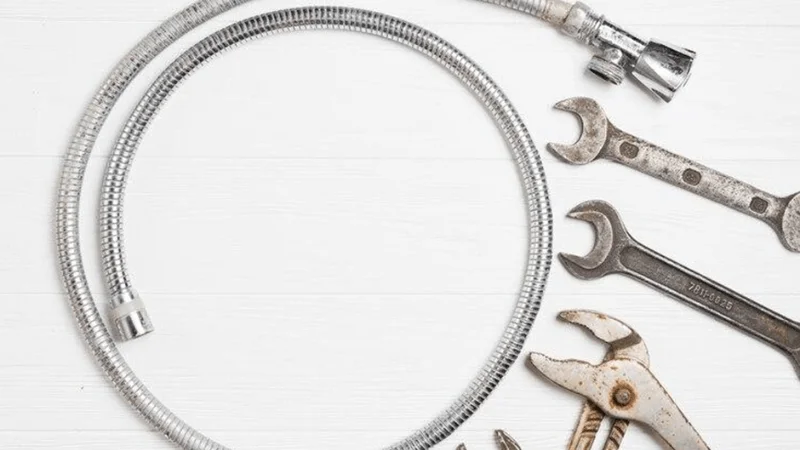
Tools Needed for Cast Iron Pipe Leak Repair
Fixing cast iron plumbing requires special tools for a proper job. A pipe cutter is useful for cutting pipes neatly. Use a reciprocating saw with a metal blade for accurate cuts. A plumber’s wrench helps tighten or loosen pipe joints.
To clean rust or dirt, grab a wire brush. A plumber’s snake clears clogs inside pipes easily. For sealing cracks, a putty knife spreads epoxy smoothly. These tools make repairs faster and easier.
Materials for Cast Iron Pipe Repairs
Good materials are as necessary as tools. Epoxy putty is effective for sealing small leaks or cracks. It’s simple to shape and hardens quickly. For larger repairs, use a pipe clamp or fiberglass wrap to reinforce damaged areas.
If replacing pipe sections, PVC couplings connect new pipes to old ones. Always select plumbing-specific materials for strong, reliable repairs. Keeping these items ready helps during emergencies.
Safety Gear for Plumbing Repairs
Safety is crucial when repairing cast iron plumbing. Wear strong gloves to protect your hands from sharp edges. Safety goggles protect your eyes from debris while cutting or cleaning pipes. A dust mask prevents harmful particles from being released when sanding rust.
Use steel-toed boots to shield feet from heavy tools or pipes. Work in a ventilated area to avoid breathing repair fumes. Staying safe prevents injuries while fixing your plumbing.
Safety Tips for Cast Iron Plumbing Repairs
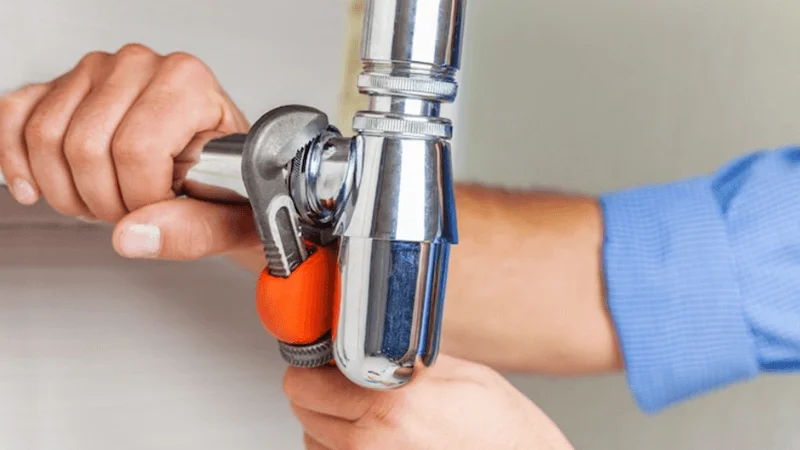
Lifting Heavy Cast Iron Pipes Safely
Cast iron pipes are very heavy and hard to move. Use the right lifting method to stay safe. Bend your knees and keep your back straight when lifting. If the pipe is too big or awkward, ask for help. A dolly or pipe cradle can make moving pipes easier and safer.
To protect your feet from injury while dealing with repairs, you should wear steel-toed boots. Moreover, keep your workspace tidy to prevent accidents caused by tools or debris.
Protecting Yourself from Rust and Debris
Your skin and eyes can be affected badly by the rust and debris from pipes. So, always wear gloves and goggles when repairing pipes. Use a dust mask if sanding or cutting to avoid breathing harmful particles. Rust and debris from pipes can irritate your skin and eyes. Always wear gloves and goggles when repairing pipes.
Use a dust mask if sanding or cutting to avoid breathing harmful particles. After finishing, clean the area well. Use a vacuum or a damp cloth to remove rust flakes and dirt. Avoid touching your face while working to prevent spreading rust to your eyes or mouth. Washing up after repairs helps prevent irritation or infection.
Keeping Air Flow During Repairs
Repairing pipes in closed spaces can expose you to harmful fumes. Ensure there is good airflow when using epoxy or glue. Open windows or use a fan to keep air moving. In tight spaces, wear a respirator for extra safety.
Check your workspace for hazards before starting repairs. Keep flammable items away from heat or flames. Good ventilation protects your health and helps repair materials dry properly.
When to Call a Professional for Cast Iron Plumbing Repair
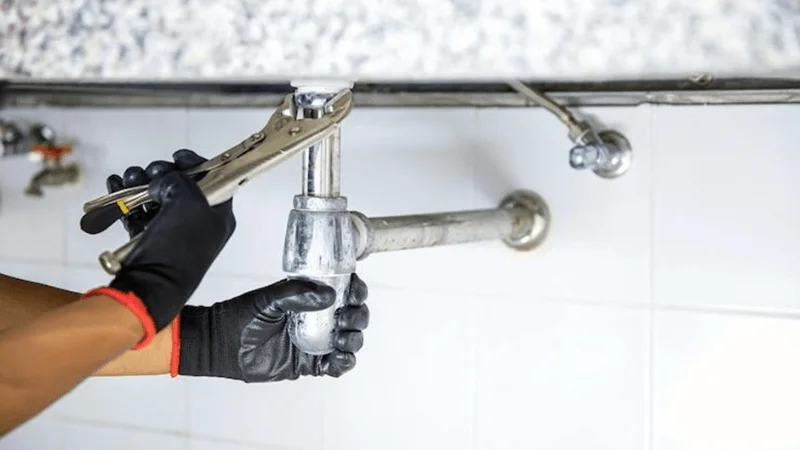
Big Damage or Many Leaks in Cast Iron Pipes
Some problems with cast iron plumbing are too severe to be fixed by the homeowner. Large cracks or multiple leaks often indicate that the pipes are worn out. Trying to fix many spots might only work for a short time. A plumber can inspect your pipes and determine whether repair or replacement is best. They know how to handle tough jobs and follow safety rules.
No Tools or Experience for Cast Iron Pipe Fixes
Repairing cast iron pipes requires specialized tools and skills. Without tools like pipe cutters or epoxy spreaders, repairs can be complicated to do right. Handling pipes incorrectly can cause more damage or even harm you. If you are not sure at any point, hire a plumber. Plumbers know how to handle pipes safely. Hiring a professional can save you effort and prevent further damage.
Making Repairs Last Longer
You can fix small plumbing problems, but your repairs may not last long. Your fixes only prevent permanent damage. Plumbers use strong materials and proven cast iron pipe repair methods for durable and reliable results. They can also find hidden issues you might miss. Hiring a pro can make your cast iron plumbing last longer and prevent future leaks. This keeps your plumbing system working well for years.
Conclusion:
Fixing cast iron plumbing is essential for your home’s pipes. Check your pipes’ condition to decide the best solution. Minor repairs cost less, but replacing old or damaged pipes lasts longer. Regular check-ups help prevent significant problems and extend the lifespan of pipes. Have your plumbing flowing!
FAQ
How long-lasting are cast iron pipes?
The lifespan of anything depends on care and maintenance. Similarly, with proper care, quality water, and good environmental conditions, cast iron pipes can last 50 to 100 years. Regular checks for problems and early fixing can extend their life.
Can we repair cast-iron pipes without replacing them?
Yes, you can fix the small cracks or leaks with epoxy, clamps, or patches without replacing. But, for large damage, replacing is necessary to get efficient results.
How to prevent rust in cast iron pipes?
Keep pipes clean and dry to avoid rust. Avoid using strong chemicals that can harm the metal. Check your plumbing regularly to catch rust early and address it promptly.
Are cast iron pipes or PVC pipes better?
Cast iron pipes are strong and quiet, but they are also heavy and can rust. PVC pipes don’t rust, are lighter, and are less expensive. Select options based on your specific plumbing needs and budget.
When should cast iron pipes be replaced?
If pipes frequently leak, exhibit severe rust, or have a foul odor, they may need to be replaced. Pipes over 50 years old with major problems might not be fixable. Ask a plumber to check and advise.