Is your garden hose having trouble with low water pressure? This can make watering your plants or washing your car take much longer and feel frustrating. The good news is, increasing your garden hose’s water pressure is easier than you might think.
With a few simple steps like checking for blockages or adjusting the hose setup, you can get a stronger, steadier flow of water. These easy fixes will help your garden hose work better and make outdoor tasks quicker and more enjoyable. Let’s learn how to increase garden hose water pressure effectively.
Common Causes of Low Garden Hose Water Pressure
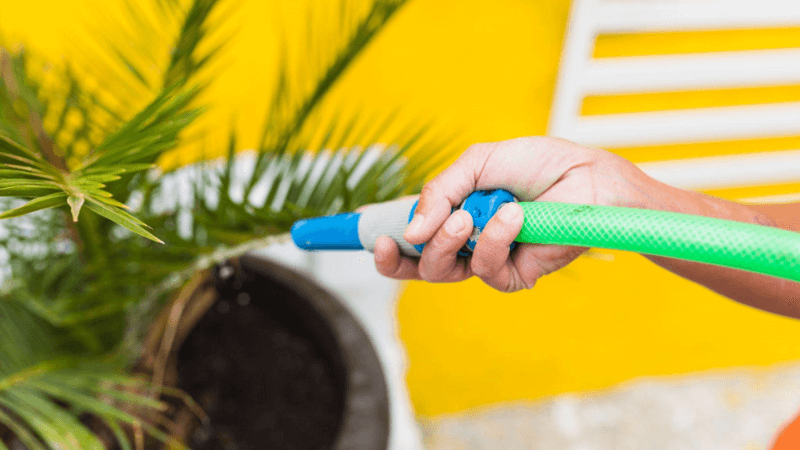
Before rushing to buy a new hose, it’s important to identify what’s causing the low pressure. Several common issues can reduce water flow, including leaks, blockages, or problems with the water source itself. Understanding these causes will help you fix your hose quickly and get back to watering or washing with ease.
Leaks in the Hose or Connections
Leaks are one of the main reasons for low water pressure in garden hoses. Even a small hole or a loose connection can cause water to escape before it reaches the nozzle. Carefully check your hose along its entire length for any cracks, holes, or worn spots.
Also, inspect the fittings at both ends, as loose or damaged connectors can leak water. When the water is turned on, run your hand over the hose to feel for dampness or drips. Fixing leaks is an easy way how to improve water pressure from an outdoor hose and avoid buying a new one.
Clogs or Blockages in the Hose
Blockages inside the hose can seriously reduce water pressure, especially if dirt, leaves, or other debris get stuck. Over time, mineral deposits from hard water may also build up inside, narrowing the passage for water.
To check for clogs, disconnect the hose from the faucet and look inside. If you see any dirt or debris, flush it out with clean water or gently use a long stick to push it through. Remember, nozzles can clog too, so clean them regularly for the best water flow and pressure.
Insufficient Water Supply at the Source
Sometimes, the problem is not with the garden hose but with the water supply itself. If your outdoor faucet doesn’t provide enough water pressure, your hose won’t deliver a strong flow either. To check, turn on the faucet without the hose attached and observe the pressure. If the water pressure is still weak, the faucet may need repairs or replacement.
Additionally, low water pressure could be caused by plumbing issues inside your home’s system. If multiple faucets or the entire house experiences low water pressure, it’s best to call a professional plumber to diagnose and fix the underlying problem properly.
Hose Length and Diameter Issues
Hose length and diameter play a big role in water pressure. Longer hoses reduce flow due to resistance, while smaller diameters limit how much water passes through. A long garden hose may seem useful, but it can reduce water pressure.
Water loses force as it travels through the hose, especially if it’s over 100 feet. This makes watering less effective. To make garden hose water pressure stronger, choose a hose size that matches your needs. Balancing length and width helps you get steady water flow and avoid weak, inefficient sprays.
How to Increase Garden Hose Water Pressure by Fixing Leaks
Leaks in your garden hose or its connections are one of the easiest problems to fix, and doing so can significantly improve water pressure. Let’s walk through simple steps to find leaks, secure connections, and fix small holes so your hose performs at its best.
Checking for Damage
To find leaks, start by thoroughly examining your garden hose for any visible damage. Look for cracks, holes, or worn-out spots, especially near the ends where the hose connects to the faucet and nozzle. Turn the water on and run your hand along the hose to feel for wet spots or dripping areas—these are sure signs of leaks. Regular checks are essential if you’re trying to learn how to increase pressure in a garden hose, especially since damage often worsens over time.
Securing Connections
Leaks often happen because of loose or damaged fittings at the ends of your hose. These fittings need to be snug to prevent water from escaping. Begin by turning off your water supply, then unscrew the hose from both the faucet and nozzle.
Check the washers inside the connectors—these small rubber rings create a seal and may wear out over time. Replace any worn washers and reattach the hose tightly, but avoid overtightening, as this could damage the threads and cause further leaks. This method helps improve water pressure from outdoor hose connections.
Fixing Small Holes
Small holes or cracks don’t mean your hose is beyond repair. You can use a repair kit to fix these minor leaks and save money. First, locate the hole and cut out the damaged section with scissors or a knife. Most repair kits include a coupler and clamps that connect the cut ends securely.
Follow the kit’s instructions carefully to complete the repair, then test the hose by turning on the water to check for leaks. For quick, temporary fixes, waterproof tape can help, but a proper repair kit will last much longer and maintain better pressure.
Cleaning and Maintaining Your Hose to Increase Water Pressure
Regular cleaning and maintenance play a key role in keeping your garden hose working efficiently. Dirt, debris, and mineral buildup can block the flow of water and reduce pressure over time. Let’s explore easy ways to clean and maintain your hose to make the garden hose water pressure stronger.
Flushing Out Sediment and Debris
Sediment and debris inside your hose can quietly build up, restricting water flow and lowering pressure. To flush out your hose, first disconnect it from the faucet and nozzle. Hold one end up and pour clean water through the hose while gently shaking it to loosen any stuck particles.
Repeat this until the water runs clear. For stubborn blockages, a long, flexible cleaning brush can help dislodge debris more effectively. Regular flushing, especially after heavy use, is a key step to improve water pressure from outdoor hose systems and keep your spray consistent.
Cleaning the Nozzle for Better Flow
A clogged nozzle is a common cause of weak water pressure. Dirt, mineral deposits, and debris often gather in the tiny holes of the nozzle, reducing water output. To clean it, remove the nozzle from your hose and soak it in warm, soapy water for 15 to 20 minutes.
Use a small brush or toothpick to carefully clear out the holes. After rinsing thoroughly, reattach the nozzle. If your nozzle is old or damaged, replacing it with a high-quality one can make a noticeable difference in water pressure and control.
Preventing Future Clogs with Regular Maintenance
Keeping your hose and nozzle well-maintained helps avoid clogs before they start. Proper storage is essential—coil your hose neatly and keep it off the ground to prevent dirt buildup. Always drain your hose after use to stop sediment from settling inside.
Regularly inspect both the hose and nozzle for wear or blockages, and clean as needed. If you have hard water, soaking nozzles and connectors in vinegar helps dissolve mineral deposits. With these simple habits, you’ll not only extend the life of your hose but also improve water pressure from outdoor hose use consistently.
Optimizing Your Hose Setup for Better Water Pressure
Your garden hose setup greatly affects water pressure. Choosing the right hose length and diameter, using a high-pressure nozzle, and avoiding kinks can all improve water flow. Small adjustments can make watering easier and more efficient. Let’s look at how you can optimize these factors to get the best performance from your garden hose.
Choosing the Right Hose Length and Diameter
The length and diameter of your hose affect how much pressure reaches the nozzle. A shorter hose offers stronger pressure because water doesn’t have to travel as far, so avoid unnecessarily long hoses for small gardens.
Diameter matters too—hoses with a larger diameter allow more water to flow through. While 5/8-inch hoses are common, upgrading to a 3/4-inch hose can help fix low water pressure in garden hose setups. Matching hose size to your needs helps keep water pressure steady and your garden watered efficiently.
Using a High-Pressure Nozzle
A high-pressure nozzle concentrates water flow, helping your hose deliver a stronger spray even if the supply pressure is low. These nozzles often come with adjustable settings so you can switch between a gentle mist for plants and a powerful jet for cleaning.
They are easy to install and cost-effective, making them a great upgrade if you want to improve water pressure from outdoor hose systems. If your current nozzle is old or clogged, swapping it for a high-pressure model can instantly improve your watering experience.
Avoiding Kinks and Twists in the Hose
Kinks and twists can block water flow and reduce pressure, so keeping your hose free of bends is important. Always store your hose coiled neatly on a reel or hanger to prevent tangles. When using your hose, avoid sharp bends or tight loops that cause kinks.
If kinking is a persistent issue, consider investing in a kink-resistant hose, which stays flexible and maintains steady water flow. Proper hose care helps maintain strong pressure and prolongs the life of your hose.
Adjusting Water Pressure at the Source
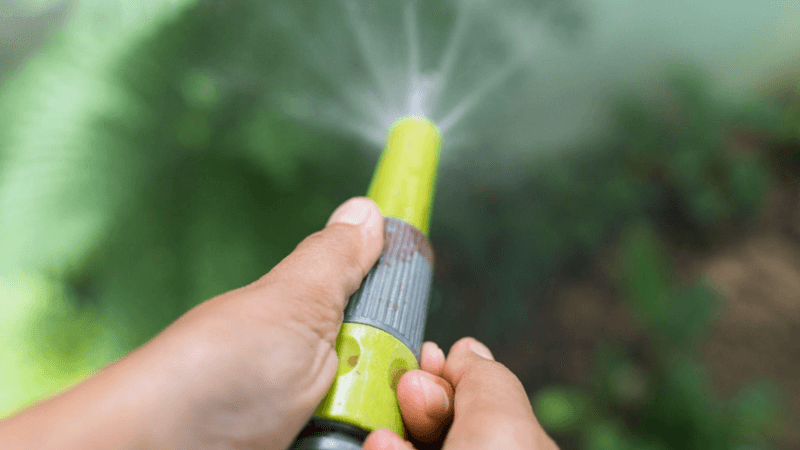
If cleaning your hose and fixing leaks didn’t improve water pressure, the issue might be at the faucet or water supply. Adjusting the faucet, installing a pressure regulator, or adding a booster pump can help increase flow. These solutions address problems where water pressure begins, ensuring a stronger and more reliable spray from your garden hose. Let’s explore how to manage water pressure right at the source.
Checking and Fixing Outdoor Faucets
The outdoor faucet controls water flow to your hose, so problems here can reduce pressure. Start by removing your hose and turning on the faucet. If the flow is weak, there might be an issue with the faucet or plumbing.
Inspect the faucet for visible damage like cracks, leaks, or rust, which can waste water and lower pressure. Replace old washers inside the faucet to stop leaks and tighten loose parts carefully, avoiding overtightening to prevent damage. Upgrading to a new faucet can also make garden hose water pressure stronger.
Installing a Pressure Regulator
A pressure regulator is a helpful tool that maintains steady water pressure from your faucet, preventing sudden drops or surges. It protects your hose and nozzle by controlling flow, especially useful if your home experiences inconsistent pressure.
To install, purchase a regulator designed for outdoor faucets and attach it before connecting your hose. Most regulators have adjustable settings so you can control pressure as needed. This simple device can save you frustration and extend the life of your watering equipment.
Using a Booster Pump for Persistent Issues
If your water pressure remains low despite other fixes, a booster pump might be the answer. This device increases water pressure from the faucet, delivering a steady, strong spray—ideal for large gardens or demanding tasks like driveway cleaning. To use one, connect the booster pump directly to your faucet, then attach your hose to the pump.
Turn the pump on and adjust the settings for optimal pressure. Keep in mind, booster pumps require electricity, so ensure you have access to a nearby outlet before purchasing. This solution is effective and a great way to improve water pressure from outdoor hose connections.
Wrap Up
Low water pressure in your garden hose can be frustrating, but it’s usually easy to fix. By checking for leaks, cleaning your hose and nozzle, and choosing the right hose length and diameter, you can learn how to increase pressure in a garden hose effectively.
Regular maintenance helps you fix low water pressure in garden hose issues and improve water pressure from outdoor hose connections. With these simple tips, your garden hose will perform better, making watering and cleaning easier and more enjoyable. Take a little time to care for your hose, and you’ll see big results.
FAQ
How do I tell that my garden hose is low on water pressure?
Give the spray a good look at its nozzle. When the spray is pale and not consistent, it most likely points to low pressure. Remove the hose and test the faucet to see whether the problem starts at the source.
Is it possible to use a longer hose and still get the same water pressure?
Water disperses farther when you have a long hose, which lessens the pressure. Reduce this issue by applying a bigger hose or a booster pump. When doing simple jobs, choose a smaller hose.
How can I stop leaks from happening in my garden hose?
Store your hose in a proper place to prevent damage. Lay it neatly in a loop and try to keep it off the surface it rests on. Frequently change the worn-out washers and connectors in your car. Getting a hose that doesn’t kink easily can help it last longer.
Does air really move faster when it is used through a high-pressure nozzle?
Yes! The focused stream from a high-pressure nozzle sends out water at a higher force. People often use them to do cleaning and watering around the garden. Find models that allow you to control the amount of spray.
Would a booster pump improve low water pressure?
If you find that your water pressure is repeatedly low, a booster pump is extremely helpful. Using it pumps more water and proves useful when watering large spaces or when cleaning a big area. Make sure there is an outlet not far from where you will plug in your immersion cooker.