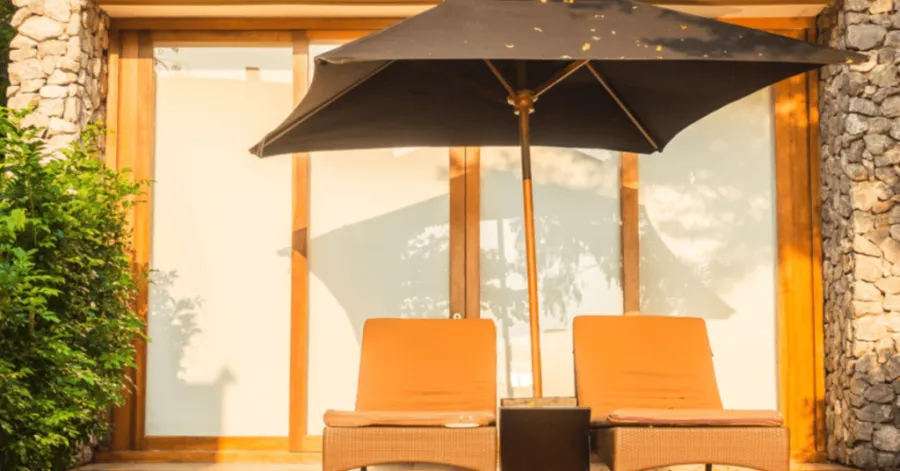
Choosing the right umbrella for your outdoor table isn’t just about looks—it’s about comfort, shade, and smart design. A well-sized umbrella keeps everyone cool and relaxed while enhancing your patio’s style. Go too small, and you’ll leave guests squinting in the sun. Too big, and things start to feel crowded. The key? Match the umbrella size to your table’s shape and seating.
Whether it’s round, square, or rectangular, a proper fit creates a balanced, breezy space. In this quick guide, we’ll help you find the perfect umbrella size for your setup, so you can enjoy every moment outdoors in total comfort.
Patio Umbrella Size Guide
Choosing the right patio umbrella size depends on the shape and size of your outdoor table. Whether your table is round, square, rectangular, or oval, the goal is to ensure everyone stays comfortably shaded. Use this easy guide to pick the perfect umbrella for your setup.
Umbrella Sizes for Round Tables
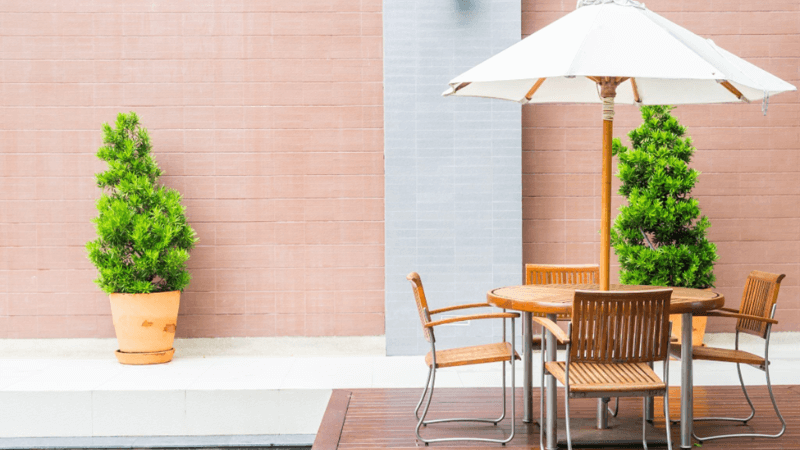
Round tables are popular in cozy outdoor spaces and perfect for small gatherings. To provide enough shade, your umbrella should be wider than the table itself. Here’s how to find the right size. For tables 36 to 48 inches wide, choose a 7 to 9-foot umbrella. If your table is larger—between 48 and 60 inches wide—go with a 9 to 11-foot umbrella.
As a rule of thumb, the umbrella should be at least 2 feet wider than the table to give everyone enough shade. Also, consider the number of chairs; more seating usually calls for more coverage. If in doubt, size up—larger umbrellas offer more comfort and better sun protection.
Umbrella Sizes for Square Tables
Square tables have equal sides, making them easy to pair with umbrellas. To ensure full coverage, you’ll need an umbrella that shades all corners evenly. Suppose your square table is 48 to 60 inches wide; a 9 to 11-foot umbrella is usually the best fit. For larger tables—around 72 inches wide—look for a 10 to 12-foot umbrella.
Always measure the table before shopping to avoid mismatches. A balanced look is key, so pick an umbrella that fits well without overpowering your patio. Also, make sure there’s room to open and close the umbrella without bumping into walls or furniture.
Umbrella Sizes for Rectangular Tables
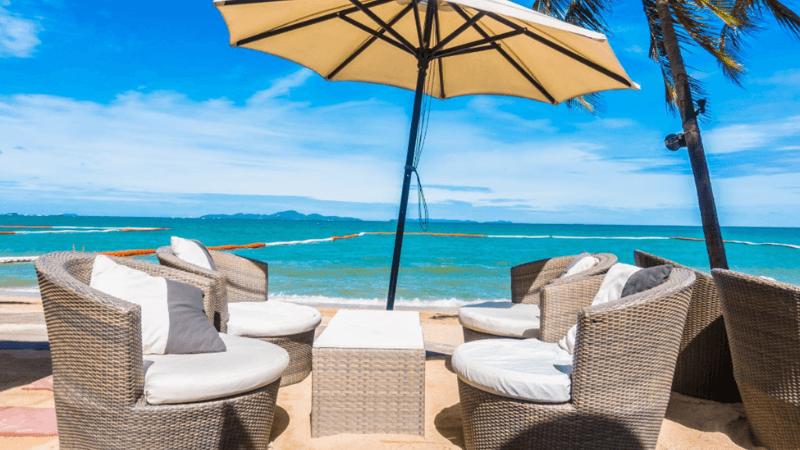
Rectangular tables are great for big gatherings, offering lots of seating. Because of their long shape, these tables need wider umbrellas to cover the full length. For tables up to 72 inches long, choose a 10 to 12-foot umbrella. For longer tables—84 inches or more—go with an 11 to 13-foot umbrella.
Cantilever umbrellas are especially useful here, as they hang over the table without placing a pole in the center. If one umbrella doesn’t cover the whole table, consider using two smaller ones. Also, look for tilt features that help you adjust shade throughout the day for maximum comfort.
Umbrella Sizes for Oval Tables
Oval tables are stylish and perfect for larger groups. Since they’re longer and curved, they need wider umbrellas to provide even coverage from end to end. For oval tables up to 72 inches long, pick a 10 to 12-foot umbrella. If your table is 84 inches or more, go with an 11 to 13-foot umbrella.
Make sure the umbrella hangs about 2 feet over the edges to keep everyone shaded. If your table is very wide, a cantilever umbrella works best—it offers flexible shade without blocking the center of the table. The right size ensures everyone stays cool and the space looks balanced.
Final Tips for Choosing the Right Size
Beyond just table shape, there are a few extra things to keep in mind when picking the best umbrella.
Extra Things to Consider
- Overhang Clearance: Always choose an umbrella that extends at least 2 feet beyond the table’s edges. This ensures everyone seated around the table stays shaded, even as the sun moves.
- Tilt Feature: Adjustable umbrellas let you move the shade as the sun shifts, offering better comfort throughout the day. It helps prevent glare and keeps you cool without having to move your seat.
- Base Weight: Larger umbrellas need heavier bases to stay stable in the wind. A sturdy base reduces the risk of tipping over and keeps the umbrella securely in place.
- Multiple Umbrellas: For extra-long tables, using two smaller umbrellas instead of one large one can give better coverage and more flexibility.
Key Factors to Think About When Picking a Patio Umbrella Size
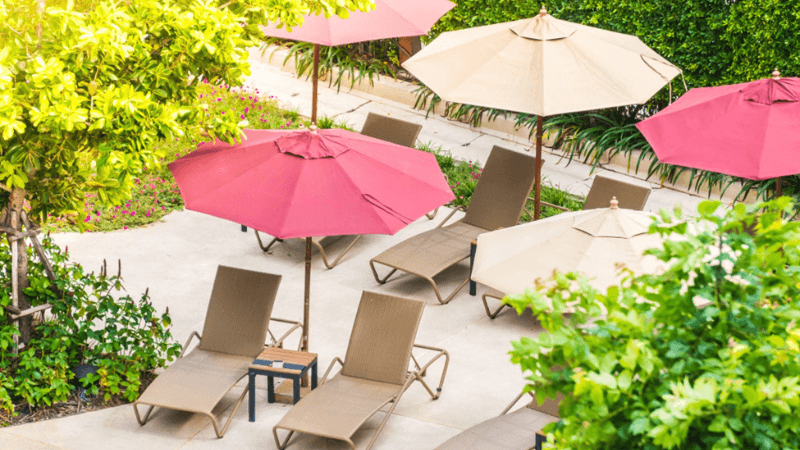
Choosing the right patio umbrella size isn’t just about matching it to your table. You also need to consider how much shade you want, how many people you’re seating, and how much space is available around the umbrella. Here’s what to keep in mind.
Shade Coverage and Overhang
The main purpose of a patio umbrella is to provide enough shade. To do this, your umbrella should be at least 2 feet wider than your table. This extra width helps block the sun from all sides. For example, if your table is 48 inches wide, pick a 7 to 9-foot umbrella.
Taller umbrellas feel more open and airy, creating a spacious atmosphere. However, they may not block the sun as effectively, so choosing one with a tilt feature can help you adjust the shade throughout the day. If you’re wondering how to choose an umbrella size for a patio table, this extra overhang is key to ensuring optimal comfort.
Seating Capacity and Table Shape
Your table’s shape and the number of seats play a big role in picking the right umbrella. A small round table for four won’t need as much shade as a long rectangular table for eight. Use this quick guide:
- Round tables: For round tables, choose an umbrella that is about 2 feet wider than the table. This gives enough shade for everyone sitting around it.
- Square tables: If you have a square table, add 2 feet to the table’s width when picking an umbrella. This helps cover all corners and sides with shade.
- Rectangular or oval tables: Go for a larger umbrella or use two smaller ones. If you often host larger groups, a bigger umbrella ensures everyone stays shaded and comfortable.
Space in Your Outdoor Area
Before choosing an umbrella, check the size of your patio or yard. Make sure there’s enough space for the umbrella to open fully and rotate if needed. Avoid placing it too close to walls, plants, or furniture. If space is tight, consider a cantilever umbrella—it hangs over the table without needing a pole in the center, saving room.
Also, wind matters. If your area gets strong gusts, choose a sturdy umbrella with a heavy base to prevent tipping. Planning around your space ensures a safer and more comfortable setup. When considering the umbrella size for outdoor furniture, ensure you leave room for easy movement.
How to Measure Your Table for the Right Patio Umbrella Size
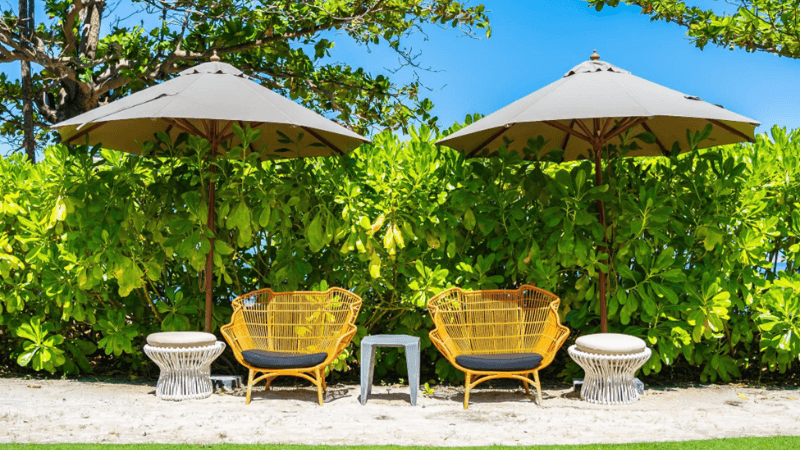
Getting accurate measurements is the first step to choosing the right umbrella. Whether your table is round, square, rectangular, or oval, correct sizing ensures full shade and a balanced look. Here’s how to measure and avoid common sizing mistakes.
Measuring Table Diameter or Length
Start by measuring your table with a tape measure. For round tables, measure across the center from edge to edge. For square or rectangular tables, measure both the length and width. Oval tables require the longest length and the widest point.
Once you have the numbers, add about 2 feet to each side. This extra space gives enough overhang to keep everyone shaded. Always write the numbers down and avoid guessing—accurate measurements help you choose the best size umbrella for an outdoor table that fits perfectly and functions well.
Accounting for Overhang and Clearance
The overhang is the part of the umbrella that stretches beyond the table’s edge. This extra shade is important for comfort. As a rule, pick an umbrella that’s at least 2 feet wider than your table’s measurements. This is especially important when figuring out the best size umbrella for an outdoor table.
The umbrella should open fully without hitting furniture, plants, or walls. If space is tight, a cantilever umbrella works better because it offers shade without a central pole. Don’t forget to consider height—taller umbrellas need room to tilt and move freely.
Common Mistakes to Avoid
Avoid these common mistakes when choosing an umbrella size:
- Not Measuring the Table: Guessing the table size can lead to buying the wrong umbrella. Always measure your table to get the right size patio umbrella for 4 4-person table and ensure proper coverage.
- Skipping Overhang: If the umbrella is too small, it won’t provide enough shade. Add 2 feet for the right size umbrella for a 6-foot table, and other sizes for good coverage.
- Wrong Base Weight: A large umbrella needs a heavy base to stay in place. If the base is too light, the umbrella might tip over on windy days.
- Ignoring Your Space: Before buying, check if your outdoor space has enough room. The umbrella should be able to tilt, rotate, and open fully without hitting anything.
By measuring correctly and planning for shade and space, you’ll pick the right umbrella the first time.
What Size Patio Umbrella Needs the Right Base?
A patio umbrella is only as strong as its base. Without the right support, even the best umbrella can tip over in the wind. Let’s break down how to choose the right base for your umbrella size and setup.
Base Weight for Different Umbrella Sizes
The larger the umbrella, the heavier the base should be. This weight keeps your umbrella stable, especially during windy days. Here’s a quick guide:
- 7 to 9-Foot Umbrella: A smaller umbrella in this size range needs a base that weighs between 50 and 70 pounds to keep it stable and prevent tipping.
- 10 to 12-Foot Umbrella: Larger umbrellas need more support. For this size, choose a base that weighs at least 100 pounds to hold it steady, especially on windy days.
- Cantilever Umbrella: These side-post umbrellas need extra support. They often require a base that weighs more than 120 pounds to keep them balanced and safe in strong winds.
Always check the umbrella’s manufacturer guide for the exact weight needed. And if you’re unsure about your umbrella size, measure your table and space first. Then, match the base weight accordingly.
Types of Umbrella Bases
Umbrella bases come in different types depending on where and how you use them:
- Freestanding Bases: These bases are great if you want to place your umbrella anywhere, not just on a table. They work best with larger or standalone umbrellas for better balance.
- Table-Mounted Bases: These fit neatly under your patio table and help save space. They rely on the table itself to keep the umbrella steady and secure.
- Cantilever Bases: Made for side-supported umbrellas, these are the heaviest type. They often include extra weight options to keep the umbrella from tipping or moving in strong winds.
Each type works differently, so pick one that fits your umbrella style and your space needs.
How to Keep Your Umbrella Stable
Even the right-sized umbrella needs extra care to stay steady. Here are some tips:
- Match Umbrella Size: Always use a base that matches your umbrella’s size and weight. This is key when picking the best size umbrella for an outdoor table and prevents it from tipping over during use.
- Flat Surface Placement: Place your umbrella base on a flat, level surface. Uneven ground can cause the umbrella to wobble or fall, which can be unsafe.
- Extra Weight in Windy Areas: If you live in a windy area, add extra weight like sandbags or pavers. This helps keep your umbrella steady and prevents it from blowing away.
- Secure Large Umbrellas: For large umbrellas, it’s smart to use anchor screws or base extensions. These provide stronger support and help keep everything in place during strong winds.
When in doubt, go heavier. A heavier base is better than one that’s too light.
Final Tips for Picking the Right Umbrella
Match your umbrella to your table’s shape and seating. This ensures the right size umbrella for 4 4-person table or any other setup.
- Add Shade Coverage: Always add 2 feet to your table’s size when choosing an umbrella. This helps provide enough shade for everyone sitting around the table.
- Pick a Strong Base: Choose a strong and stable base that matches your umbrella’s size. A solid base keeps the umbrella upright and safe, even when it’s windy.
- Measure First: Take measures before shopping for an umbrella: measure your table and the area nearby. That way, every piece is nicely placed and nothing feels awkward in your space.
If you aren’t sure, make your form bigger. A big umbrella on a sturdy base brightens and protects your outdoor area so it feels comfortable anytime.
Wrap Up
Picking the perfect patio umbrella needs careful consideration beyond liking the look. Determine what size umbrella for an outdoor table works best, consider your space, and find the right base to create a shady, functional area with style. Remember to plan for extra space around the table, its shape, and how many seats are needed.
Making sure your umbrella’s base is firm helps it not sway or slip in windy conditions. An umbrella that fits your area comfortably and nicely decorates your outdoor spaces. Make sure you get a quality patio umbrella in advance, and you can sit outside comfortably whenever the sun is out.
FAQ
How do I know if the umbrella I have is too big?
Examine the part of the porch or deck area that hangs out from the main building. A tablecloth that is larger than 2 feet in all directions might be oversized. Be sure that your space comfortably fits all the furnishings.
Can I put a cantilever umbrella on any table?
All kinds of table shapes go well with cantilever umbrellas. They save space and make it possible to adjust the amount of shade. Simply decide if the size of the umbrella will match your table and seating.
Which is the best umbrella for areas that face a lot of wind?
Go for an umbrella that has a strong canopy and a heavy base. Make sure the structure contains defenses against wind, like fiberglass ribs. If powered by wind, use weights or sandbags to make your laundry mobile steady.
Do I have to use specific bases with large umbrellas?
Yes, bigger umbrellas are more stable when supported by heavy bases. Look at the manufacturer’s information to know what weight is suitable. For big umbrellas, it’s better to use freestanding or cantilever bases.
Is it possible to set up two umbrellas over a big table?
Yes! A set of two smaller umbrellas works better at covering a long table. Lighting fixtures allow you to make changes to the brightness depending on where people are seated.