You just got home after a long day at work, and you’re starving. You want something quick, and delicious, but you also want to eat a little healthier. You glance at your kitchen counter, torn between your trusty deep fryer and that trendy air fryer you just bought.
Which one will give you the taste you love without the hassle or guilt? Choosing between an air fryer vs deep fryer can be tricky, especially when you’re trying to balance convenience, health, and flavor. In this guide, we’ll break down the pros and cons of each to help you decide which appliance truly fits your lifestyle.
Main Differences: Air Fryer vs Deep Fryer
When deciding between an air fryer and a deep fryer, understanding how each appliance works can help you make the right choice for your kitchen. So let’s break it down.
How Does an Air Fryer Work?
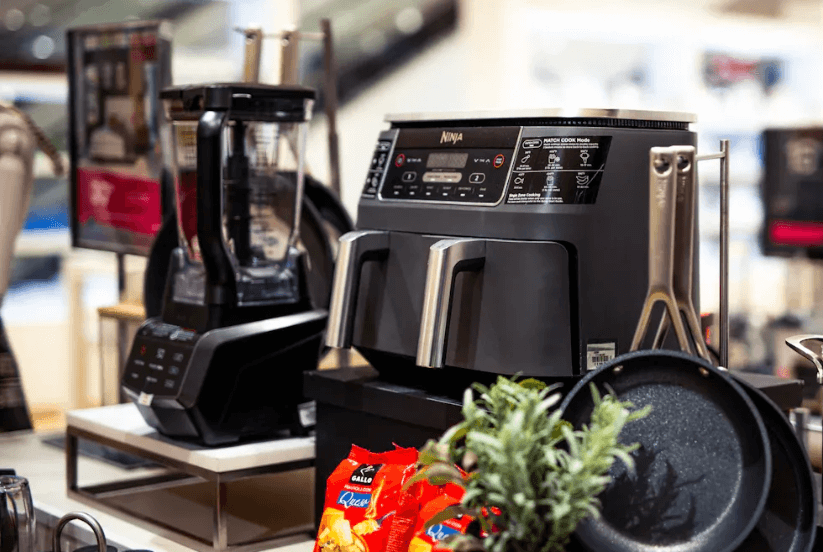
An air fryer is like a mini convection oven. It uses hot air circulation to cook food evenly and quickly as the heating element warms the air, and a powerful fan circulates it around your food. This creates a crispy outer layer, similar to frying, but with much less oil. In fact, most recipes only need 1-2 tablespoons of oil or none at all.
Here’s a quick example: If you’re making French fries, you’d toss them in a little oil, place them in the basket, and set the temperature. The air fryer does the rest, giving you golden, crispy fries without the deep fat fryer mess.
Air fryers are also versatile. You can cook frozen foods, vegetables, and even meats like chicken wings or shrimp. For instance, chicken nuggets take about 10 minutes at 400°F, while a whole chicken might need 75 minutes at 360°F. This flexibility makes it a great tool for quick, healthy meals.
What is the Best air Fryer for You?
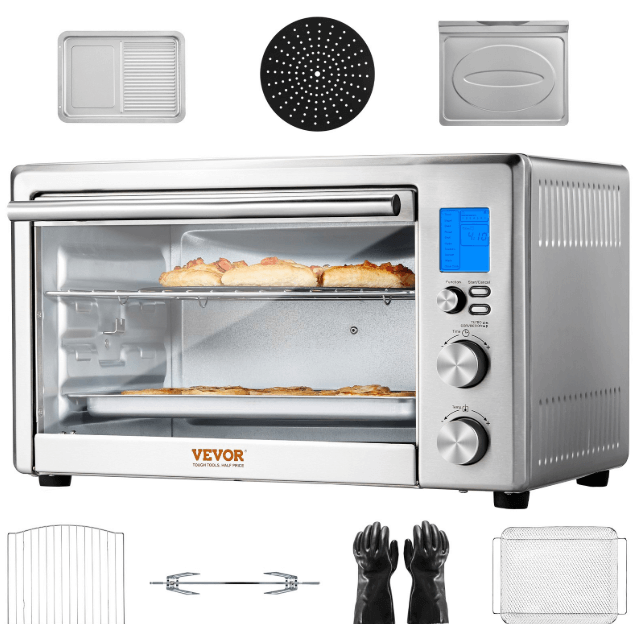
Looking for an air fryer that does more than just crisp your fries? The VEVOR 13-in-1 Air Fryer Toaster Oven is a powerhouse built for home chefs who want versatility and volume. With a generous 28L capacity, 1800W of power, and 13 smart cooking functions, this convection-style air fryer doesn’t just fry—it bakes, toasts, broils, roasts, and more, all with the precision of a built-in LED display and adjustable temperature control.
Its stainless steel design adds a sleek touch to any countertop, while the included accessories (air fryer basket, baking pan, oven rack, and crumb tray) make it a true all-in-one upgrade for your kitchen.
How Does a Deep Fryer Work?
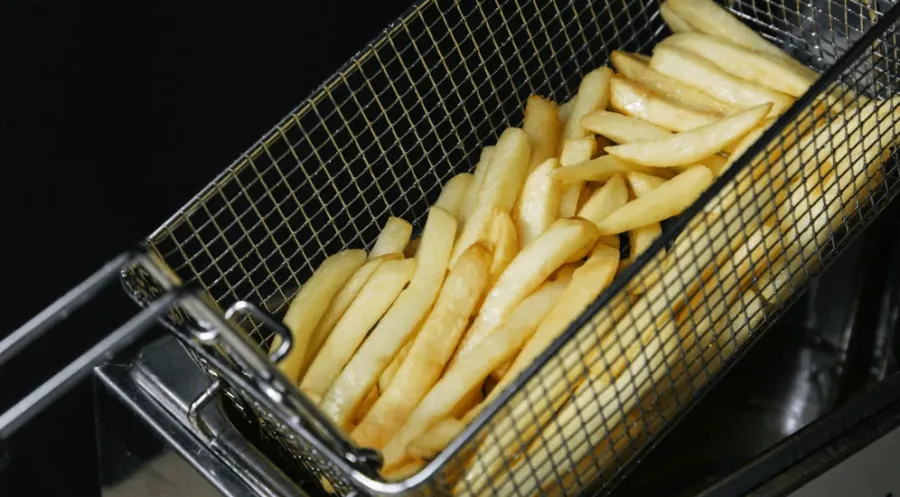
A deep fryer, on the other hand, relies on hot oil to cook food. You submerge your ingredients in oil heated to high temperatures, usually between 350°F and 375°F. This method creates a crispy, golden crust while locking in moisture, giving you that classic fried taste and texture.
Deep fryers are perfect for foods like fried chicken, onion rings, and doughnuts. The oil not only cooks the food but also enhances its flavor. For example, deep-fried French fries have a rich, golden-brown color and a satisfying crunch that’s hard to replicate with other methods.
However, deep fryers require a significant amount of oil—anywhere from 6 to 19 cups, depending on the model. This can make them less healthy and more expensive to operate over time. Plus, the cooking process is faster than an air fryer. High temperatures mean your food cooks quickly, which is great when you’re short on time.
So, which one fits your kitchen best? If you prioritize health and versatility, the air fryer is a fantastic choice. But if you’re all about that crispy, deep-fried flavor, the deep fryer delivers every time.
What is the Best Deep Fryer for You?
Need serious frying power at home or for your food business? The VEVOR Commercial Electric Deep Fryer is built to handle it all. With an impressive 11.6-quart (11L) capacity, 1500W heating element, and precise temperature control, this countertop fryer delivers consistent, crispy results every time.
Its heavy-duty stainless steel build ensures durability, while the removable basket and oil tank make cleanup quick and easy. Whether you’re frying chicken, donuts, or French fries, this fryer brings commercial-grade performance to your kitchen.
Air Fryer vs Deep Fryer Taste and Texture
Air fryers and deep fryers give different results for taste and texture. Choosing one depends on what you like—flavor, crispiness, or healthiness.
Taste and Texture of Air-Fried Foods
Air-fried foods taste lighter and less oily. Hot air makes the outside crispy while keeping the inside soft. This cooking style lets spices and marinades stand out. For example, air-fried chicken wings soak up seasonings well, making them great for snacks or dinners.
In tests, air-fried French fries were liked for their flavor. They may not be as crunchy as deep-fried ones but are a healthier choice. Air fryers are also great for making better versions of snacks like veggie chips or fries.
Taste and Texture of Deep-Fried Foods
Deep-fried foods are famous for their crunch. Food is dipped in hot oil, creating a crispy, golden outside. Fried chicken and onion rings have a satisfying texture. The oil keeps the food moist while making it crispy.
Studies show adding Carboxymethyl Cellulose (CMC) during frying improves crunch and lowers oil absorption. This helps fried foods stay crispy without being too greasy.
- Deep-fried French fries are crunchier and look evenly browned.
- People often enjoy the crispy texture and satisfying crunch.
Deep-fried foods can feel heavier because of the oil. If you want rich comfort food, the deep fryer is a great choice.
Health Impact: Which Should You Choose?
When thinking about health, your choice depends on your goals. Let’s see how an air fryer and a deep fryer affect your health.
Less Oil with Air Frying
An air fryer uses very little oil, unlike a deep fryer. Deep fryers need cups of oil, but air fryers only need a teaspoon or two. This cuts down fat in your food by up to 75%! If you’re counting calories, an air fryer is a healthier pick.
For example, air-fried French fries need just a bit of oil. They are lighter and less greasy than deep-fried fries. Deep-fried fries soak up more oil, making them fattier. Also, air frying lowers acrylamide, a harmful chemical from high-heat frying. Studies show air frying can reduce acrylamide by 90%.
Calories and Nutrition Differences
Air fryer vs deep fryer calories is a great aspect to consider. Air-fried foods have fewer calories than deep-fried ones. Air frying can cut calories by 70% to 80%. For example, deep-fried foods add about 126 calories from oil, while air-fried ones add only 42. That’s a big help if you’re watching your weight.
Deep fryers make food taste richer and crunchier, which might make you eat more. But eating too much fried food can lead to weight gain and health problems. Air fryers give you crispy food with fewer risks.
So, which one should you pick? If you care about cutting oil and calories, go for the air fryer. But if you love rich flavors and don’t mind extra oil, a deep fryer could still work for you.
Cost Breakdown: Air Fryer vs Deep Fryer
When deciding between an air fryer and a deep fryer, understanding the costs involved can help you make a smarter choice. Let’s break it down into upfront costs and long-term expenses.
Purchase Price Comparison
If you’re shopping for a new kitchen appliance, you’ll notice that air fryers usually cost more upfront than deep fryers. A good-quality air fryer can range from $80 to $200, depending on the size and features. On the other hand, deep fryers are often more budget-friendly, with prices starting as low as $30 and going up to around $100 for larger models.
But here’s the catch: while deep fryers are cheaper to buy, they come with hidden costs. You’ll need a lot of oil to fill the fryer—sometimes up to 19 cups! That’s not a one-time expense either. You’ll have to replace the oil regularly, especially if you fry often. This adds up over time, making the deep fryer less economical in the long run.
Air fryers, on the other hand, don’t need much oil—just a tablespoon or two for most recipes. This means you’ll save money on oil from day one. So, while the initial price of an air fryer might seem high, it could actually save you money over time.
Long-Term Operating Costs
When it comes to ongoing expenses, the air fryer is the clear winner. Deep fryers require a lot of oil, and even if you reuse it a few times, you’ll still need to buy more frequently. Plus, disposing of used oil can be a hassle. These costs can quickly add up, especially if you love fried foods.
Air fryers are much more economical. They use minimal oil, which means you’ll spend less on groceries. They’re also energy-efficient. Most air fryers use between 1200-1800 watts, and their shorter cooking times mean lower electricity bills. In contrast, deep fryers take longer to preheat and cook, which increases energy consumption.
If you’re looking for a cost-effective option, the air fryer is a smart choice. It not only saves you money on oil but also reduces waste, making it a win for your wallet and the environment.
Picking Based on Your Lifestyle
Choosing between an air fryer and a deep fryer depends on your lifestyle. Whether you care about health, cook for many people, or need space-saving tools, each has its benefits. Let’s explore what fits you best.
Best for Health-Conscious People
Of course, we can’t end this before we discuss air fryer vs deep fryer health differences! If you want healthier meals, the air fryer is ideal. It makes crispy food with very little oil. Here’s why it’s great for health-focused individuals:
- Air fryers use just 1 tablespoon of oil, while deep fryers need up to 3 cups.
- They cut fat and calories by up to 70%, making meals lighter.
- Acrylamide, a harmful chemical from frying, is reduced by 90% with air fryers.
You can enjoy crispy French fries or chicken wings without worrying about extra fat. Air fryers also let you try healthier recipes like roasted veggies or baked fruits. It’s a win for both taste and health.
Tip: Want to eat better or stay fit? Add an air fryer to your kitchen.
Cleaning and Storage Tips
Cleaning up after cooking can be annoying. Air fryers are easier to clean and store. Their small size and low oil use make them simple to maintain. Here’s why they’re convenient:
- Many air fryer parts, like the basket, can go in the dishwasher.
- No leftover oil or greasy mess to deal with.
- Compact design fits well in small kitchens.
Deep fryers take more work to clean. You’ll need to drain old oil, scrub the inside, and wipe the outside. They’re also bigger, which makes storing them harder in small spaces.
Space Considerations: Will It Fit in Your Kitchen?
Kitchen space is another important factor. Air fryers are compact and lightweight, making them easy to store on a countertop or in a cabinet. They’re perfect for small kitchens or apartments where space is limited.
Deep fryers, on the other hand, are bulkier and take up more room. They also require extra space for oil storage and cleaning supplies. If you’re working with a small kitchen, this could be a dealbreaker.
Here are a few things to keep in mind:
- Air Fryers: Small and portable, ideal for tight spaces.
- Deep Fryers: Larger and heavier, requiring more counter and storage space.
- Multiple Units: If you need to cook large batches with an air fryer, you might need more than one unit, which could take up additional space.
Take a moment to think about your kitchen setup and how often you’ll use the appliance. Whether you prioritize budget, space, or convenience, there’s a fryer out there that’s just right for you.
FAQ
What’s the main difference between an air fryer and a deep fryer?
An air fryer uses hot air to cook food with little or no oil, making it healthier. A deep fryer submerges food in hot oil, creating a crispier texture but with more fat and calories.
Can you cook frozen foods in an air fryer?
Absolutely! Air fryers are perfect for frozen foods like fries, nuggets, or fish sticks. Just toss them in the basket, set the temperature, and let the air fryer do its magic. No need to thaw beforehand!
Is deep-fried food always tastier than air-fried food?
Not always. Deep-fried food has a richer, oilier flavor, but air-fried food lets seasonings and marinades shine. If you prefer lighter, less greasy meals, you might find air-fried food tastier.
How often should you change the oil in a deep fryer?
You should change the oil after 8-10 uses, depending on what you’re frying. Foods like fish can leave stronger odors, so you might need to replace the oil sooner. Always check for discoloration or a burnt smell.
Are air fryers safe for kids to use?
Yes, air fryers are safer than deep fryers. They don’t involve hot oil, reducing the risk of burns. With supervision, older kids can easily use one to make snacks like fries or chicken tenders.
Conclusion
Deciding between an air fryer vs deep fryer depends on your needs. If you want healthier food, easy cleanup, and a multi-use gadget, pick an air fryer. It’s great for quick meals or trying new dishes. But if you love crispy, golden food, a deep fryer gives the best taste and crunch.
Whether you need a multi-use air fryer or a crunch haven deep fryer, VEVOR has got you covered. Browse through our amazing range of kitchen appliances and gadgets today!