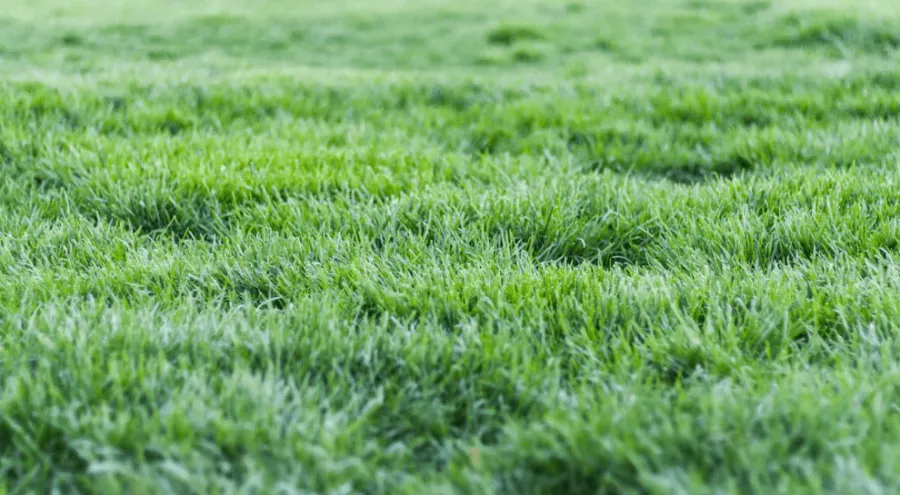
Ever walked out onto your lawn and felt like it just won’t cooperate? Maybe it’s patchy, dull, or just doesn’t thrive? Well, a lawn care calendar can fix that! According to the Gansu Agricultural University in China, overwatering or fertilizing wastes resources and harms the environment.
In other words, it means that timing is everything in lawn care and gardening. With the right tips, you can enjoy a lush, healthy lawn year-round, and that’s what we’ll help you do in this blog! Let’s jump off with a seasonal month-by-month lawn care calendar:
Spring Lawn Care: Starting Fresh with Aeration and Fertilization
Why Spring is Great for Aeration
Spring is a great time to refresh your lawn, as after winter, the soil gets packed down, blocking air, water, and nutrients. Aerating fixes this by pulling out small soil plugs. These plugs break down and improve the soil, which also reduces thatch, which can harm grass. A well-aerated lawn grows stronger and handles challenges better.
Getting Ready to Aerate Your Lawn
Before aerating, do a few simple things to prepare. Firstly, cut your grass shorter than you usually do, this is important as this helps the aerator reach the soil easily.
Also, make sure you water the lawn a day or two before, since wet soil makes aeration easier. And of course, make sure to mark sprinkler heads or shallow pipes to avoid any damage. These steps make aeration smoother and more effective.
Fertilizing After Aeration
After aerating, it’s time to fertilize. Aeration holes let fertilizer reach roots directly. Spring is perfect for this because grass needs nutrients to grow. Apply fertilizer within two days of aerating for the best results. This combo of aeration and fertilization helps your lawn grow green and strong.
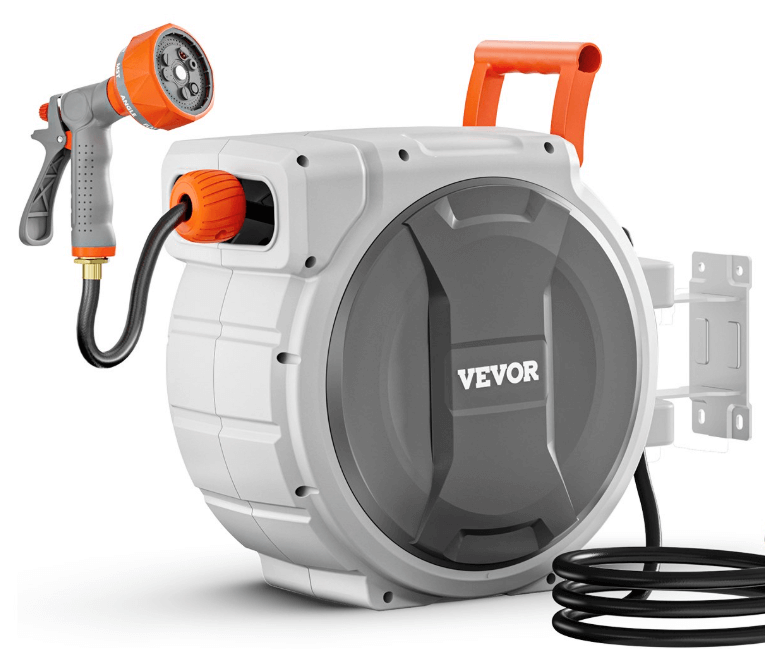
Spring Watering Tips
Watering is as important as aeration and fertilizing. In spring, grass grows fast, and roots go deeper. Water deeply but less often to build strong roots and stop weeds.
Helpful watering tips:
- Water early in the morning to save water and avoid disease.
- Adjust watering based on soil type. For example:
| Grass Type | Soil Type | Watering Frequency | Notes |
| Cool-Season Grasses | Sandy Soil | 2-3 times per week | Drains fast; needs more water. |
| Loamy Soil | 1-2 times per week | Holds water well; less watering needed. | |
| Clay Soil | Once per week | Holds water longer; deep watering is best. | |
| Warm-Season Grasses | Sandy Soil | 2-3 times per week | Needs more water in sandy soil. |
| Loamy Soil | 1-2 times per week | Balanced water holding and draining. | |
| Clay Soil | Once per week | Avoid too much water; water deeply. |
- Use about 1 inch of water each time you water.
- Check soil moisture to avoid overwatering or underwatering.
Follow these tips in your lawn care calendar to keep your lawn healthy and growing all spring!
Summer Lawn Care: Keeping Your Lawn Healthy in the Heat
Summer can be hard on your lawn care. Hot weather, little rain, and more walking on it can stress your grass. But with smart summer lawn care steps, you can keep it green and healthy all summer.
Watering Your Lawn in Summer
When it’s hot, watering your lawn the right way is key. Too much water wastes it, and too little makes the grass dry. Water deeply but not too often; this helps roots grow deeper and makes grass stronger against drought.
For cool-season grasses, give 1 to 1.5 inches of water weekly. If your grass turns brown in extreme heat, don’t worry—it will recover when it cools down.
Fertilizing Your Lawn in Summer
Fertilizing in summer needs extra care. Too much heat can burn your lawn grass. Use slow-release fertilizer to feed grass slowly. Research shows lawns with amino acid-humus treatments grow thicker and greener. Compost or organic fertilizers work well in small amounts.
Some lawn fertilizing tips:
- Fertilize early morning or evening to avoid heat damage.
- Water after fertilizing to help nutrients reach the roots.
- Skip fertilizing during very hot or dry times.
Fixing Dry or Damaged Spots
Dry spots and damaged areas happen often in summer. Instead of treating the whole lawn, focus on problem spots by weekly checks for pests or diseases.
More tips for fixing spots:
- Add compost to dry areas to improve the soil.
- Only use pest control where needed to avoid overuse.
- Water fixed spots deeply to help them recover.
By using these summer lawn care tips, your grass will stay healthy and green, even in the hottest weather.
Fall Lawn Care: Getting Ready for Winter
Fall is the time to prepare your lawn for winter. With a smart lawn care calendar, you can make roots stronger, add nutrients, and change your watering routine. This helps your grass survive winter and grow well in spring.
Fertilizing Before Winter
Fall is a great time to add fertilizer. Late-season fertilizing gives soil nutrients and strengthens roots. This helps grass fight winter damage and diseases. It also helps grass turn green faster in spring without growing too much. Here are some fertilizing tips:
- Pick a slow-release fertilizer for steady feeding.
- Add compost to improve soil and hold nutrients.
- Water after fertilizing to help nutrients go into the soil.
A final feeding in late fall gives grass what it needs during winter dormancy.
Changing Your Watering Routine in Fall
Cooler weather in fall means less watering is needed. Grass still needs moisture, but not as much. Use smart irrigation tools to adjust watering based on weather. Water early in the morning to stop fungal problems. Make sure you are aware of your soil type, as it might have different watering needs.
By following these lawn care tips, your grass will stay strong through winter and grow back better in spring.
Winter Lawn Care: Protecting and Planning
Winter can be hard on your lawn, but simple steps help. Keep your grass safe, care for tools, and plan for spring.
Protecting Your Lawn During Dormancy
Your lawn looks dead in winter, but it still needs care. Cold weather and dryness can hurt grass, so protect it. Use black woven covers to shield grass when it’s under 20°F. If it’s colder than 15°F, add extra covers or straw blankets for more warmth.
Dryness is another problem. Water your lawn early in the morning every 7-10 days. Use 1-1.5 inches of water each time. Stop watering if the soil is too wet or it’s below 40°F. Add 2-3 inches of mulch, like pine straw, to keep moisture in and soil warm. Leave a 1-inch gap around plants to stop fungus.
Maintaining Tools and Equipment
Winter is great for fixing and cleaning your lawn tools. Sharpen, clean, and repair them now to save time later. Well-maintained tools last longer and work better when spring comes.
Planning Your Lawn Care Calendar for Spring
Use winter to plan your spring lawn care tasks. Think about fertilizing, seeding, and composting. A good plan makes spring easier. For example:
| Task Type | What It Includes |
| Lawn care/chemicals | Fertilizing, weed control, and planting seeds. |
| Landscape upkeep | Mowing, trimming, and shaping plants. |
| Irrigation | Setting up or fixing watering systems. |
Also, budget for things like compost and fertilizer. Planning now helps you start strong when spring arrives.
FAQ
How often should you aerate your lawn?
Aerate your lawn once or twice a year. Spring and fall are the best times to do this for healthy grass growth.
Can you fertilize your lawn in the summer?
Yes, but use slow-release fertilizers. Apply them early morning or evening to avoid heat damage, and always water after fertilizing.
What’s the best way to water your lawn?
Water deeply but less often. Early morning is ideal to reduce evaporation and prevent diseases. Aim for about 1 inch of water per session.
Conclusion
A thriving lawn doesn’t happen by chance, it’s all about timing and care. A lawn care calendar helps you stay on track with aeration, fertilization, and watering. These tips not only improve your lawn’s health but also create a safe, beautiful space for your family.
Where to get the best lawn care equipment? Look no further because VEVOR has your back! Offering you a wide variety of tools like sprinklers, garden beds and hydroponics!