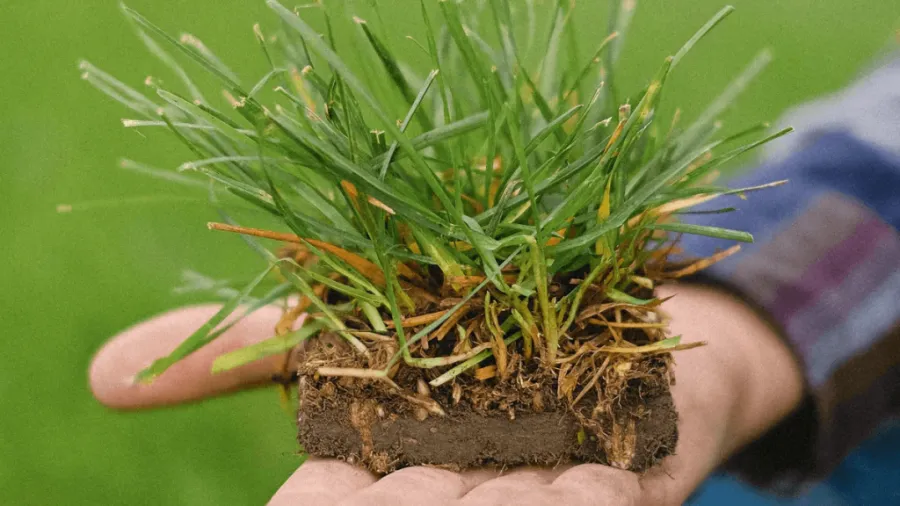
Who doesn’t love the view of a clean, beautiful lawn? If you want to impress your neighbors, friends, and family with your lawn, you should know how to grow and maintain a healthy lawn. Maintaining your first lawn can feel overwhelming, but it doesn’t have to be. With the right approach, you’ll turn your lawn into a lush green haven.
So in this blog, we’ll explore the top 10 easy lawn care tips for beginners. From basic lawn care tips to common lawn care mistakes, let’s get started!
10 Essential Lawn Care Tips for Beginners
1. Test Your Soil
Before starting lawn care, check your soil first. Think of it like a health check for your yard. Good soil is key for a healthy lawn. So, before you get to lawn care, it’s important to test the foundation. Check your soil’s pH levels and the general health with pH kits or chemical tests to ensure it is favorable for grass growth.
2. Choose the Right Grass for Your Region
Different grasses flourish in different climate settings, so picking ones that work with your climate is key. Here’s a quick breakdown of different grasses and their favorable habitat:
| Grass Type | Best Habitat | Climate Type |
| A. gerardii | Moderate | A1B |
| S. scoparium | Hot | A2 |
| S. nutans | Best | Both A1B and A2 |
Choosing the right grass keeps your lawn healthy all year.
3. Water Your Lawn Properly
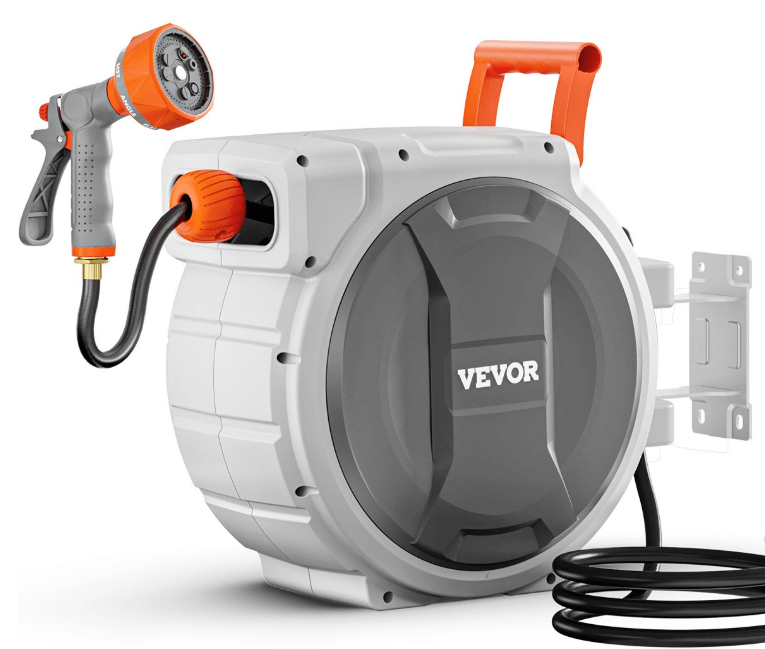
The most integral law in lawn care tips for beginners. Too much or too little water can hurt your lawn. Of course, watering a lawn is unlike watering pots and plants. So, for covering great lengths, you’ll need a retractable garden hose reel.
Or if you want to save water as you go, as part of your lawn setting, you can go for drip irrigation or smart water sprinklers that automate the watering process for you. This way, you don’t have to worry about doing it all yourself or watering your lawn improperly. These systems give your lawn just enough moisture.
Quick Tip: Water early in the morning to stop evaporation and help the soil soak it up.
4. Fertilize at the Right Time
Feeding your lawn nutrients at the right time of year is very important. Fertilize during the growing season according to your grass type. Cool-season grass needs fertilizer in spring and fall. Warm-season grass grows best with summer feeding.
5. Control Weeds Early
Weeds take water and nutrients from your grass. Stop them early to keep your lawn healthy. Herbicides like Fomesafen and Fluzifop work well to reduce weeds and improve grass growth.
- Early weed control stops plants like dandelions from spreading.
- Acting fast keeps your lawn green and healthy.
6. Aerate Your Lawn Annually
Aerating your lawn helps your grass breathe better. When you use an aerator, your soil air improves, and seeds have a better chance at growing fast. It also loosens soil, lets water soak in, and helps roots grow. Doing this every year keeps your lawn strong and healthy.
7. Address Bare Patches
Bare spots in your lawn can significantly detract from its overall appearance, making your outdoor space look less appealing. To fix this issue, consider planting grass seeds that are similar to the type of grass in your lawn.
After sowing the seeds, water the area frequently to maintain the right moisture levels for the grass to grow faster. Plus, to protect the newly planted seeds and allow your lawn to recover, avoid walking on the bald area until the grass has fully grown back and blended seamlessly with the surrounding turf!
8. Manage Lawn Pests and Diseases
Pests and diseases can be dangerous for your lawn. Look for yellow grass or strange patches. Use eco-friendly pest control to protect your lawn and the environment.
9. Be Consistent and Observant
Stick to a regular lawn care routine, whatever is comfortable for you. Mow, water, and fertilize on schedule. Watch for changes in your lawn and fix problems quickly. Keep mower blades sharp for clean cuts, and test the soil regularly to keep it healthy.
10. Mow at the Right Height
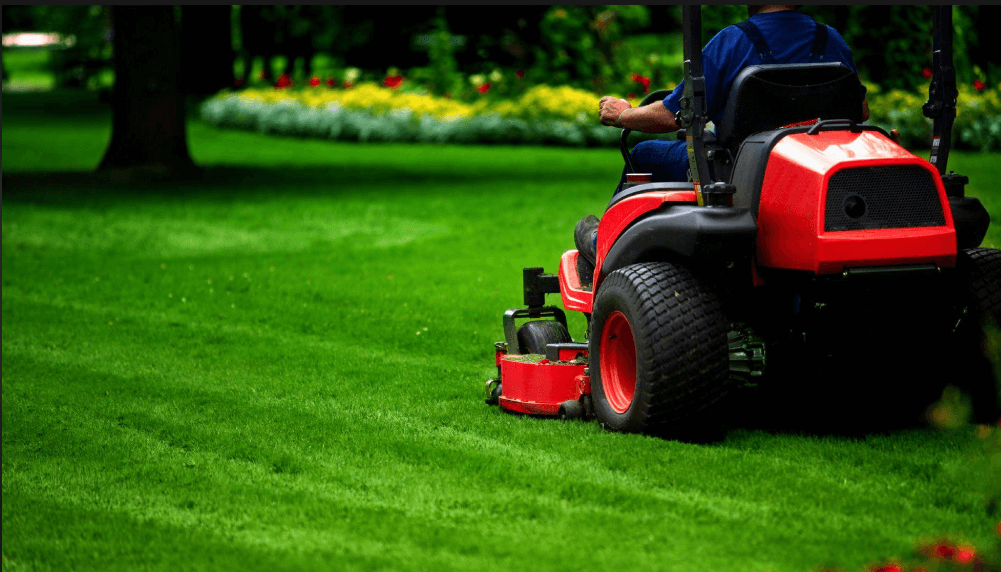
One of the expert yet easy lawn care tips is to always mow at the right height. In the lawn care world, you should only ever cut one-third of the blade. According to the University of Minnesota, you should clip your grass when it grows over 3 inches. This is because it keeps the soil cool and protects your grass against drought.
4 Common Lawn Care Mistakes to Avoid
Taking care of your lawn can be tricky. Mistakes happen, even with good intentions. These 4 common lawn care mistakes hurt your grass and undo your efforts:
Now that you know the 10 lawn care tips for beginners, let’s talk about the common lawn care mistakes you might already be making:
1. Overwatering or Underwatering
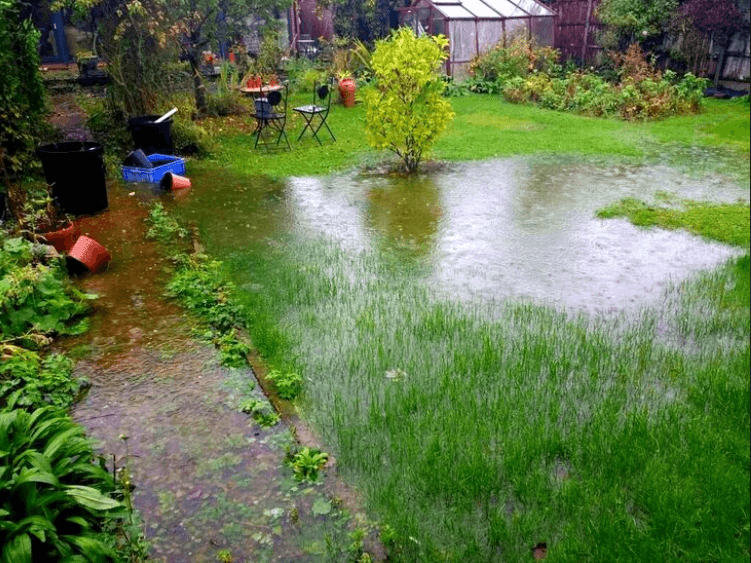
Watering seems easy, but too much or too little of it means game over for your grass. Overwatering drowns roots, makes soil soggy, and invites weeds and fungi. Underwatering dries out grass and stresses it.
Here are some things that overwatering does to your garden:
- Grass suffocation: Roots can’t breathe when the soil is too wet, and this can cause the plant to die.
- Weak roots: Too much water can quite literally drown the roots, causing them to become shallower.
- Yellow Grass: Overwatering can result in the chlorophyll being diluted, causing the grass to become pale or yellow.
- Weed and Fungus growth: Wetter conditions provide an inviting and comfortable environment for weed and fungi growth.
Water deeply but less often to avoid these problems. Morning watering works best. It reduces evaporation and helps the soil soak up water.
2. Cutting Grass Too Short
Cutting grass too short may seem like a good idea, but it’s harmful. Short grass struggles to grow and stay healthy because:
- Short grass has less leaf area for photosynthesis, weakening growth.
- Low mowing height makes grass prone to weeds and stress.
- Short roots need more water and fertilizer to survive.
3. Using the Wrong Fertilizer
Not all lawn care enthusiasts know what type of fertilizer your lawn needs. Sprinkling the wrong kind of fertilizer can end up killing your lawn instead of making it better.
Here’s a quick breakdown of the type of fertilizer you need for your plants:
- High-nitrogen lawn fertilizers (e.g. 30-0-4) = Promote thick, green blades.
- Weed-and-feed combos = Handle both nutrition and weed control in one go.
4. Neglecting Weed Control
Weeds don’t just look bad—they steal water and nutrients from grass. If ignored, weeds spread fast and take over your lawn.
Stop weeds early with pre-emergent herbicides in spring. For existing weeds, use post-emergent herbicides. Regular mowing and proper watering also help fight weeds.
Seasonal Lawn Care Tips
Caring for your lawn changes with the seasons. Each season has its own challenges. Knowing what to do helps your lawn stay healthy. Let’s look at how to care for it all year.
1. Spring Lawn Care Essentials
Spring is when your garden comes up in full bloom, and this is the best time to show off the best lawn your neighborhood has ever seen.
Here are 3 lawn care tips and tricks for when spring comes around:
- Aerate your soil with an aerator to ensure your lawn grass can grow its roots strongly.
- Plant grass seeds and water them daily in bald patches of your lawn.
- Fertilize your lawn after checking your soil’s pH levels so that your lawn can grow quicker and better.
2. Summer Lawn Maintenance
The summer sun can be harsh on your lawn, but with a few adjustments, you can help it stay strong and green:
- Mow a little taller to promote deeper root growth that resists heat stress.
- Water early or late—morning or evening—to reduce evaporation and save water.
- Use drip irrigation systems to deliver water directly to the roots.
- Apply slow-release or organic fertilizer to provide a steady nutrient supply.
Keep an eye out for heat stress like wilting or yellowing, and adjust your care routine as needed.
3. Fall Lawn Preparation
Fall is your prep season. What you do now sets the tone for winter survival and spring revival:
- Overseed with cool-season grasses like perennial ryegrass to strengthen your lawn.
- Rake leaves regularly to prevent disease and mold buildup.
- Fertilize with a potassium-rich formula to boost root health before winter sets in.
- Aerate and dethatch to give your lawn room to breathe and absorb nutrients.
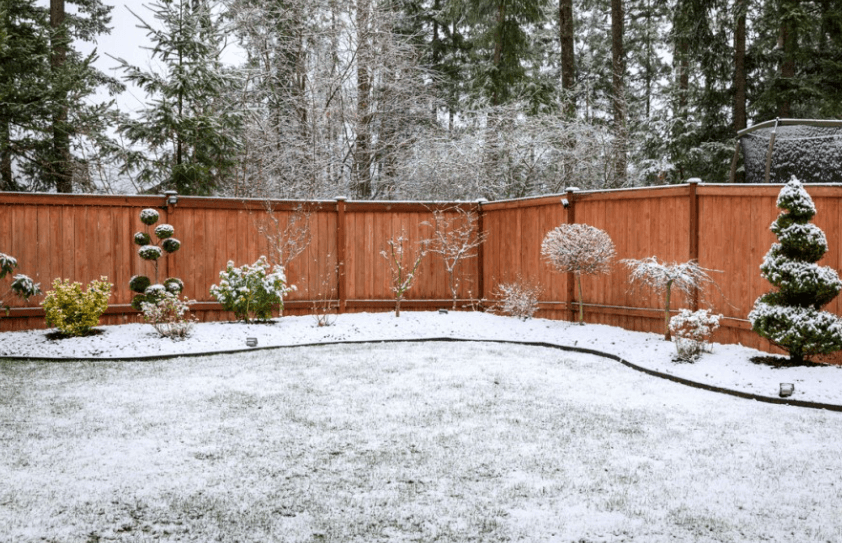
4. Winter Lawn Protection
Winter can be rough on your lawn, but a little preparation goes a long way:
- Cut back on watering to avoid soggy soil and fungus development.
- Apply a fungicide in late fall to prevent snow mold and other cold-weather diseases.
- Add a layer of mulch to insulate your lawn against freezing temps.
- Trim tree branches to let more sunlight reach the grass beneath.
- Inspect your lawn regularly for pests and diseases, even in winter.
FAQ
How often should you aerate your lawn?
You should aerate your lawn once a year, ideally in the fall or spring. This helps relieve compacted grass and improves water and nutrient absorption.
What’s the best time to water your lawn?
Water your lawn early in the morning, between 6 a.m. and 11 a.m. These hours are recommended by experts because there is less evaporation and higher water absorption by the soil.
How can you fix bare patches in your lawn?
If your lawn has bare patches, you can fix them by planting matching grass seed. You should also water this area regularly and avoid walking on it so that the grass can safely grow back faster without being stomped on.
Conclusion
Taking care of your lawn doesn’t have to be complicated. By following our expert lawn care tips for beginners, you’ll be well on your way to having a lawn that turns heads. Just stay consistent, watch for any changes, and adjust your routine with the seasons.
And remember: the right tools make everything easier.
Check out VEVOR’s lineup of easy-to-use gear, from garden hoses and aerators to watering systems that practically do the job for you. Whether you’re just starting out or leveling up your lawn game, VEVOR’s got your back. For the best tools and resources, trust VEVOR—your partner in lawn care for beginners.