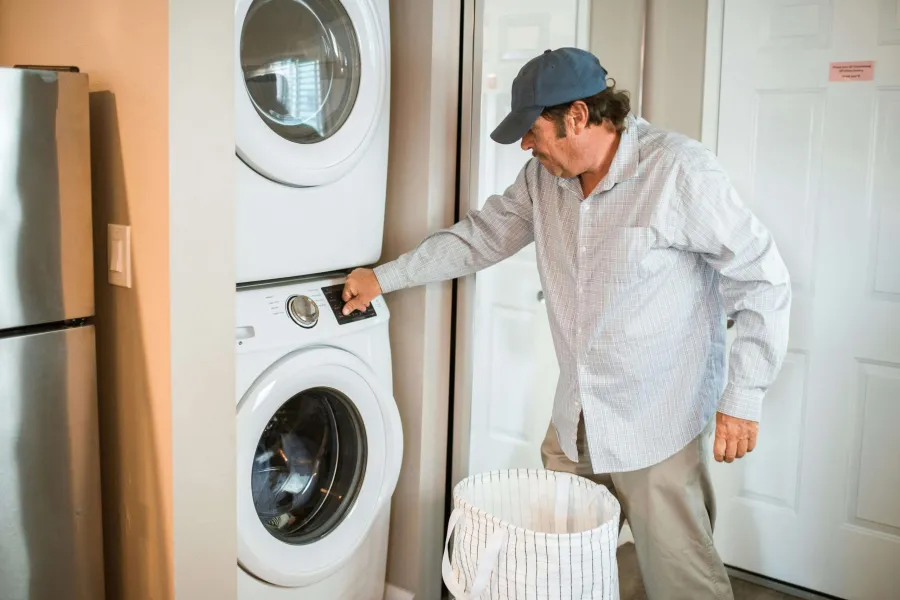
Imagine pulling your clothes out of the dryer only to find them damp after an hour. That’s one of the tell-tale signs that your dryer vent is clogged. But what if we tell you that damp clothes are the least damage clogged dryer vents could do?
Clogged vents cause 34% of dryer fires each year, leading to millions in property damage. Lint buildup in dryer vents also causes around 15,500 residential fires annually in the US. On the other hand, cleaning your dryer vent boosts efficiency, cuts drying time by up to 30%, and saves energy. So in this blog, let’s learn how to clean dryer vent at home!
5 Steps on How to Clean Dryer Vent
Ready to get those clogged vents cleaned without calling a professional? Here are the 5 simple steps on how to clean your dryer vent at home:
Step 1: Unplug the Dryer and Locate the Vent
Before you start, safety comes first. Unplug your dryer from the power outlet to avoid any electrical hazards beforehand. If you have a gas dryer, turn off the gas supply as well.
Once that’s done, pull the dryer away from the wall carefully. This gives you access to the vent hose, which should be at the back of the dryer.
You’ll also want to locate the exterior vent outside your home. It’s usually a small flap or cover on an exterior wall. Knowing where both ends of the vent are will make the cleaning process much easier.
Step 2: Gather the Necessary Tools and Supplies
Having the right tools makes all the difference when you’re learning how to clean dryer vent in apartment spaces. Here’s what you’ll need:
- A dryer vent cleaning kit.
- A vacuum cleaner with a hose attachment.
- A screwdriver to remove clamps or screws.
- A flashlight to see inside the vent.
Step 3: Clean the Interior Vent and Lint Trap
Start by removing the lint trap from your dryer. Use your hands or a vacuum to clear out any visible lint. Next, detach the vent hose from the back of the dryer.
Use a dryer cleaning brush to clean the interior vent thoroughly. Insert the brush into the hose and twist it to loosen and remove lint. Repeat this process until the brush comes out clean.
Once the interior vent is clean, vacuum the area around the dryer to pick up any stray lint or debris. This step is crucial for maintaining safety and efficiency.
Step 4: Clean the Exterior Vent
Now it’s time to tackle the exterior vent. This part is just as important as cleaning the interior vent because lint can build up outside, too. Here’s how you can do it:
- Locate the exterior vent, which usually looks like a small flap or grille on an exterior wall.
- Remove the cover by using a screwdriver to take off the vent cover. Be gentle to avoid damaging it.
- Clear out the lint with a good dryer vent cleaning kit or a vacuum hose from the vent opening. If you see stubborn buildup, an old toothbrush can also help loosen it.
- Check for blockages and leftover debris with the help of a flashlight in the vent. If you spot anything stuck deeper inside, use the cleaning brush to reach it.
- Reattach the cover once the vent is clean. If your vent has a flap, make sure it opens and closes freely.
Tip: If you notice any damage to the vent cover, replace it. A damaged cover can let in pests or debris, causing future clogs.
Step 5: Reassemble and Test the Dryer
You’re almost done! Now it’s time to put everything back together and make sure your dryer is working perfectly.
- Reconnect the Vent Hose: Attach the vent hose back to the dryer and the wall. Use clamps or screws to secure it tightly.
- Push the Dryer Back: Carefully move the dryer back into its original position. Make sure the hose isn’t kinked or crushed.
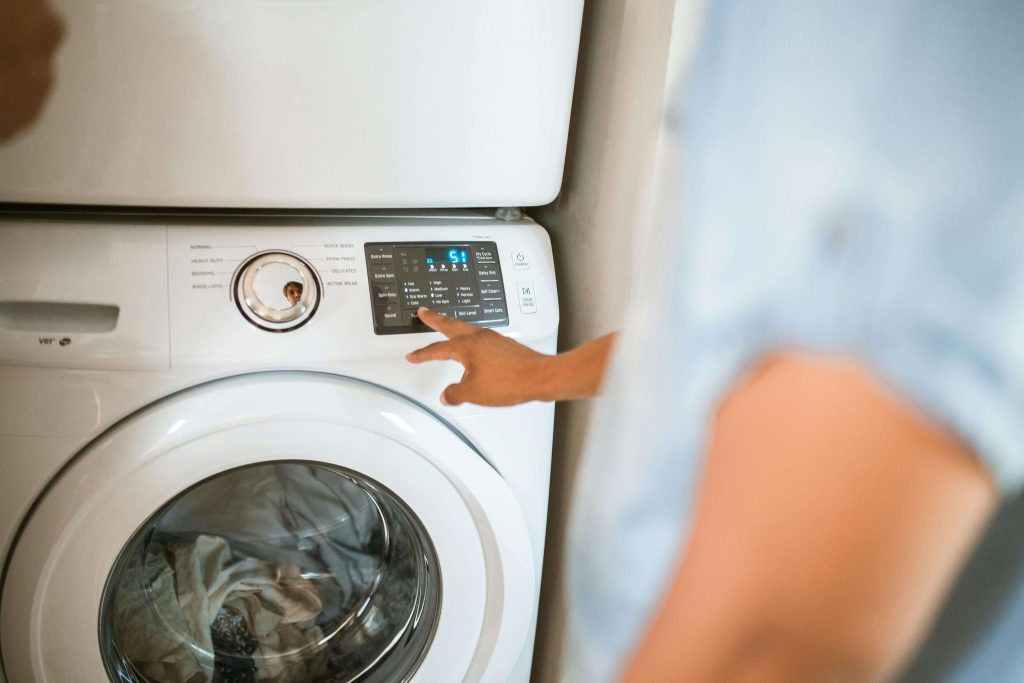
- Plug It In: Plug the dryer back into the power outlet. If you have a gas dryer, turn the gas supply back on.
- Run a Test Cycle: Run the dryer on an empty cycle for 10-15 minutes. This helps blow out any remaining dust or lint and ensures everything is working smoothly.
Note: While testing, check for proper airflow at the exterior vent. If the flap opens easily, and you feel a super strong airflow, you’ve done a great job!
How Do I Know If My Dryer Vent Is Clogged?
A clogged dryer vent doesn’t just slow down your laundry routine. It can also pose serious risks! But how do you know when it’s time to clean it? Here are some clear signs you need to clean your dryer vent.
Clothes Take Longer to Dry
Have you noticed your clothes taking forever to dry? This is one of the most common signs of a clogged vent. When lint builds up inside the vent, it restricts airflow. Without proper airflow, your dryer struggles to remove moisture from your clothes, leading to longer drying times.
This inefficiency doesn’t just waste your time. It also increases electricity costs and puts extra strain on your dryer, causing wear and tear. If you’re running multiple cycles just to dry one load, it’s time to check your vent.
Burning Smell While Running the Dryer
A burning smell coming from your dryer is a red flag you shouldn’t ignore. Lint is highly flammable, and when it accumulates in the vent, it can overheat. This creates a fire hazard that puts your home at risk.
If you notice this smell, stop using the dryer immediately. Unplug it and inspect the vent for lint buildup. Regular cleaning can prevent this dangerous situation and keep your home safe.
Excess Lint Around the Dryer or Vent Opening
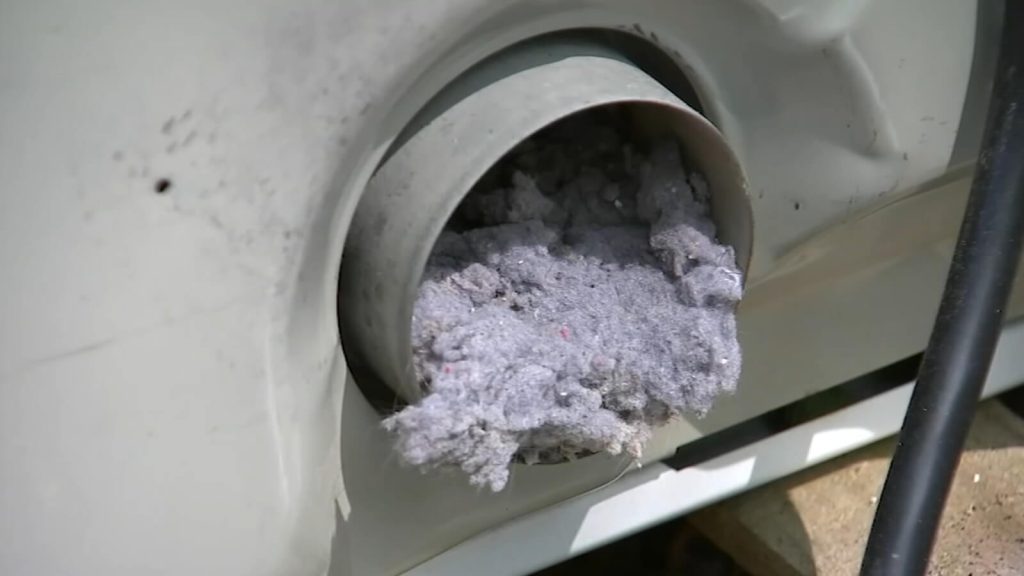
Lint doesn’t just stay inside the vent. It can also collect around the dryer or the exterior vent opening. If you see lint piling up in these areas, it’s a clear sign that your vent isn’t functioning properly.
Blocked vents force lint to escape wherever it can, leading to visible buildup. Cleaning the vent will restore proper airflow and prevent further issues.
Tip: Check your exterior vent regularly when learning how to clean a dryer vent. If the flap doesn’t open easily when the dryer is running, airflow is likely restricted.
Dryer Feels Hot to the Touch
Have you ever touched your dryer and noticed it feels unusually hot? This could be a warning sign of a clogged vent. When airflow is restricted, heat builds up inside the dryer instead of escaping through the vent. This not only makes the dryer hot to the touch but also increases the risk of overheating.
Here’s what you can do:
- Check the Vent Hose: Disconnect the vent hose and inspect it for lint buildup. Even a small amount of lint can block airflow.
- Clean the Lint Trap: Always clean the lint trap after every load. It’s a simple step that prevents lint from accumulating in the vent.
- Inspect the Exterior Vent: Go outside and check if the vent flap opens easily when the dryer is running. If it doesn’t, lint might be blocking the airflow.
Tip: If your dryer feels hot even after cleaning, it might be time to clean the vent more thoroughly or inspect it for damage.
Increased Energy Bills
Have you noticed your energy bills creeping up? A clogged dryer vent could be the culprit. When lint blocks the vent, your dryer has to work harder to dry clothes. This means longer cycles and more energy use.
Here’s how to tackle this problem:
- Clean the Vent Regularly: Make it a habit to clean your dryer vent at least once a year. If you use your dryer frequently, consider cleaning it every six months.
- Use a Dryer Vent Cleaning Kit: Tools like the VEVOR Dryer Vent Cleaner Kit make the job easier and more effective. They help you remove lint from hard-to-reach areas.
- Monitor Drying Times: If your clothes take longer to dry, it’s a sign that lint might be clogging the vent. Address it immediately to save energy and money.
Tips for Maintaining a Clean and Safe Dryer Vent
Clean the Lint Trap After Every Use
Neglecting your lint trap can lead to serious problems. Every time you dry clothes, lint collects in the trap. If you don’t clean it, airflow decreases, making your dryer work harder. This wastes energy and shortens your dryer’s lifespan.
Here’s why cleaning the lint trap matters:
- It prevents fires. Studies show 27% of dryer fires start because of lint.
- It saves money. A clean trap helps your dryer run efficiently, lowering energy bills.
- It keeps your dryer in top shape. Less strain means fewer repairs and a longer life.
Make it a habit to clean the lint trap after every load. It’s a quick step that makes a big difference.
Schedule Regular Vent Inspections
Even with regular cleaning, lint can sneak into your dryer vent. Over time, this buildup can block airflow and create a fire hazard. Scheduling inspections ensures your vent stays clear and safe.
Wondering how often to clean dryer vent? It depends on how much you use your dryer. For most households, once a year works well. If you do laundry daily, consider checking every six months.
Use a Vent Cover to Prevent Debris Buildup
Your exterior vent is exposed to the elements. Without a cover, it can collect debris like leaves, dirt, or even small animals. This clogs the vent and reduces airflow.
Install a vent cover to avoid lint buildup and keep debris out. Choose one with a flap that opens easily when the dryer runs. This ensures proper airflow while keeping pests away.
Avoid Overloading the Dryer
It’s tempting to stuff your dryer with as many clothes as possible to save time. But overloading it can cause more harm than good. When you pack the drum too tightly, airflow gets restricted. This makes it harder for your dryer to remove moisture, leading to longer drying times and higher energy bills.
Here’s why you should avoid overloading:
- Reduced Efficiency: A full drum means clothes don’t tumble freely. This slows down the drying process and forces your dryer to work harder.
- Increased Wear and Tear: Overloading puts extra strain on the motor and other components. Over time, this can lead to costly repairs or even shorten your dryer’s lifespan.
- Fire Hazard: Restricted airflow increases the risk of lint buildup in the vent. This can create a dangerous fire hazard.
Tip: Stick to the manufacturer’s recommended load size. If you’re unsure, aim to fill the drum about two-thirds full. This allows clothes to tumble freely and dry evenly.
Replace Flexible Plastic Ducts with Metal Ones
Did you know the type of duct you use can impact your dryer’s safety? Flexible plastic ducts might seem convenient, but they’re a fire hazard. They can easily trap lint, and their material isn’t heat-resistant.
Switching to metal ducts is a safer and smarter choice. Here’s why:
- Better Airflow: Metal ducts have smooth interiors that allow air to flow freely. This reduces lint buildup and improves your dryer’s efficiency.
- Heat Resistance: Unlike plastic, metal ducts can withstand high temperatures. This lowers the risk of fire.
- Durability: Metal ducts are sturdier and less likely to get crushed or damaged.
FAQ
How often should you clean your dryer vent?
You should clean your dryer vent at least once a year. If you use your dryer frequently or notice signs like longer drying times, clean it every six months. Regular cleaning prevents clogs, improves efficiency, and reduces fire risks.
Can I clean my dryer vent in an apartment?
Yes, you can! Locate the vent, usually behind the dryer or on an exterior wall. Use a dryer vent cleaning kit like the VEVOR Dryer Vent Cleaner Kit to remove lint and debris. If accessing the vent is tricky, ask your landlord for help.
What tools do I need to clean a dryer vent?
You’ll need a dryer vent cleaning kit, a vacuum with a hose, a screwdriver, and a flashlight. These tools make it easy to remove lint and debris from both the interior and exterior vents, ensuring proper airflow.
Why is my dryer still not working after cleaning the vent?
If your dryer isn’t working after cleaning the vent, check for other issues. The lint trap might need cleaning, or the vent hose could be kinked. Also, inspect the exterior vent for blockages. If the problem persists, consult a professional.
Is it safe to use flexible plastic ducts for dryer vents?
No, flexible plastic ducts aren’t safe. They trap lint easily and aren’t heat-resistant, increasing fire risks. Replace them with rigid or semi-rigid metal ducts for better airflow, durability, and safety. Metal ducts also last longer and improve dryer performance.
Conclusion
Learning how to clean dryer vent doesn’t just save you from damp clothes. In fact, it stops you from catching on fire down the line. Clogged dryer vents are one of the most common reasons why housefires happen, and in this blog, we helped you learn how to keep your home safe from such disasters with a simple cleaning!
When you DIY dryer vent cleaning, it’s important to have the right tools by your side. VEVOR’s dryer vent cleaner kit helps beginners clean their dryer vents just as well as professionals do. Choose the best and choose VEVOR!