Imagine you’re cooking your favorite dish, but every time you reach for a spatula or whisk, you dig through a messy drawer or a cluttered countertop. It slows you down and makes the whole process frustrating. A kitchen utensil holder is a simple but powerful solution that keeps your tools neatly stored and easily accessible.
When everything has its place, cooking becomes more enjoyable and efficient. In this guide, we’ll walk you through everything you need to know to find the perfect kitchen utensil holder—from types and materials to organization tips and care.
Types of Kitchen Utensil Holders
Choosing the right utensil holder starts with understanding the different types available. Each one offers unique benefits depending on your kitchen layout, personal style, and how you like to cook.
Countertop Holders
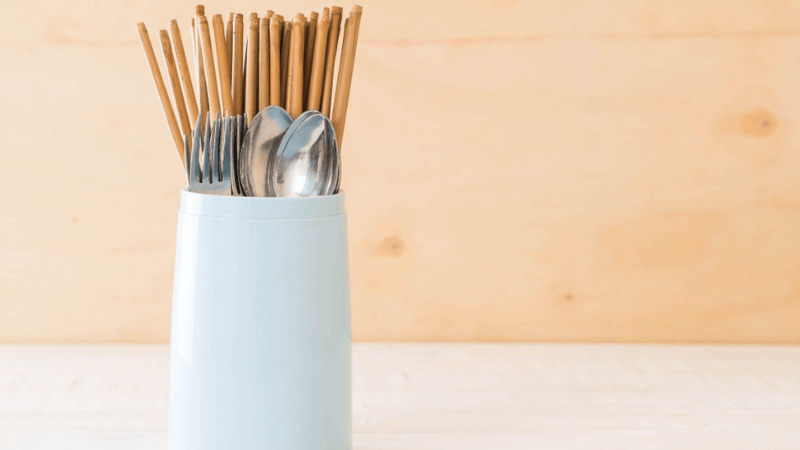
Countertop utensil holders are the most common option—and for good reason. These holders sit directly on your kitchen counter, keeping your most-used tools right where you need them. They come in a wide variety of shapes, sizes, and materials. Whether you prefer the clean look of stainless steel or the cozy appeal of rustic wood, there’s a design for every kitchen.
They’re perfect for everyday tools like spatulas, wooden spoons, tongs, and ladles. If you cook often and want quick access to your utensils, a countertop holder is both convenient and visually pleasing.
Wall-Mounted Holders
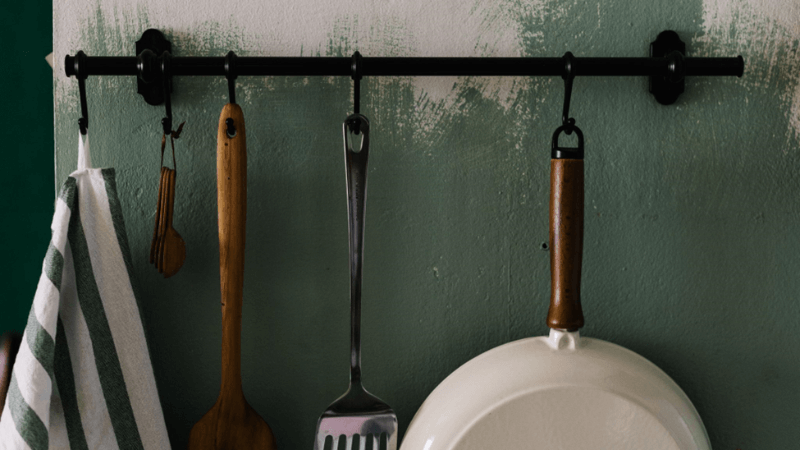
If you’re short on counter space, wall-mounted holders are a smart alternative. These attach to your kitchen wall or backsplash and typically include hooks, bars, or racks. Some come with small baskets or shelves for additional storage.
Wall-mounted holders are ideal for small kitchens or for those who want a cleaner counter. They not only free up space but also allow you to display your utensils creatively, giving your kitchen a decorative flair.
Drawer Organizers
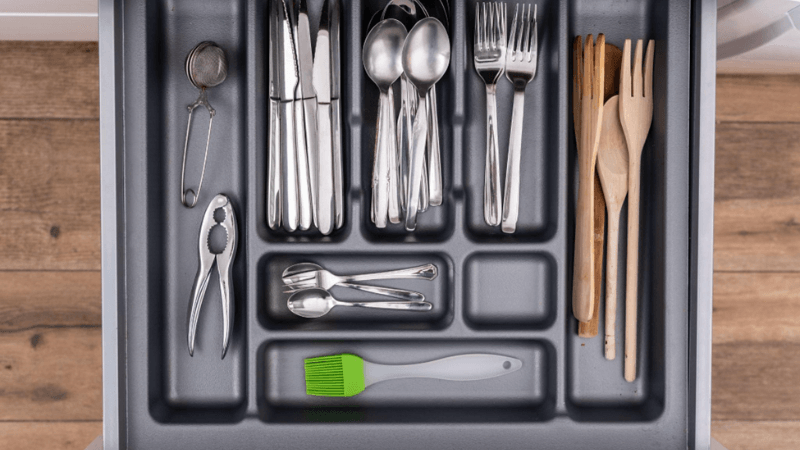
Drawer utensil holders are a favorite for those who prefer a minimalist, clutter-free countertop. These trays fit inside kitchen drawers and divide the space into compartments. They’re perfect for organizing smaller items such as measuring spoons, peelers, corers, and whisks.
Look for expandable designs or adjustable dividers to customize the layout to suit your tools. Drawer organizers keep your utensils out of sight but still easily accessible when you need them.
Rotating Holders (Lazy Susan Style)
Rotating utensil holders, often referred to as Lazy Susans, are designed to spin 360 degrees. This feature makes it easy to grab the right tool quickly, especially when the holder is packed full.
These are great for cooks who use a wide range of utensils regularly. They’re functional, space-efficient, and add a bit of fun to your kitchen setup. Many rotating models also include divided compartments for even better organization.
Exploring Materials for Kitchen Utensil Holders
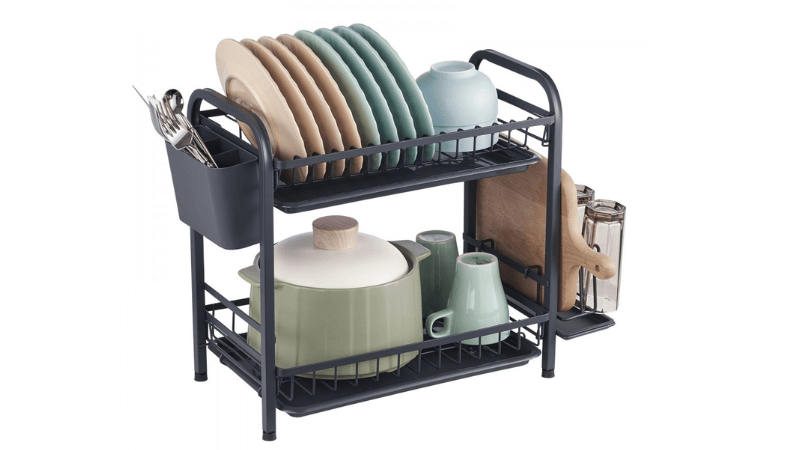
The material of your utensil holder affects its appearance, weight, durability, and ease of maintenance. Let’s break down the most common materials and their pros and cons.
Wood
Wooden utensil holders offer a warm, natural feel. They look great in rustic, farmhouse, or traditional-style kitchens. Wood is also sturdy and often heavy enough to stay in place on the counter. However, wood can absorb moisture and isn’t the best option for holding wet or freshly washed utensils. To prevent warping or cracking, it needs to be kept dry and occasionally treated with food-safe oils.
Stainless Steel
Stainless steel holders offer a sleek, modern look and are incredibly durable. They’re resistant to rust and easy to wipe clean, making them a great choice for busy cooks. However, they can show smudges or fingerprints and may be prone to dents if dropped. Choose brushed finishes for a more fingerprint-resistant surface.
Plastic
Plastic utensil holders are lightweight, affordable, and available in a wide range of colors and designs. They’re great for casual kitchens or as a temporary solution. The downside? They’re not as durable as other materials and may crack or fade over time, especially if exposed to heat or sunlight.
Ceramic
Ceramic holders add elegance and charm to any kitchen. They come in beautiful colors and designs, and their heavyweight build keeps them stable on the counter. However, ceramic is fragile and can chip or break if dropped. They’re best used in kitchens where they won’t be moved around too much.
Marble and Other Materials
Marble utensil holders are luxurious and highly durable. They offer a premium look and feel, and their weight helps prevent tipping. Other materials like bamboo (eco-friendly), silicone (non-slip), or glass (sleek but delicate) also offer unique advantages depending on your style.
Key Factors to Consider When Choosing the Right Utensil Holder
When shopping for a kitchen utensil holder, don’t just grab the first one you see. Consider these key factors to find one that fits your kitchen and lifestyle.
Size and Space Considerations
Before buying a utensil holder, think about how many cooking tools you use every day and how much counter space you have. A compact holder might look tidy, but it won’t hold larger utensils or multiple items.
On the other hand, an oversized holder can accommodate everything but may clutter a small kitchen. Choose a size that balances storage capacity with available space. It should be big enough to stay functional but small enough not to interfere with your kitchen workflow.
Design and Aesthetics
Your utensil holder shouldn’t just be practical—it should also reflect your kitchen’s style. If you have a modern or industrial kitchen, a sleek stainless steel holder might look best. For cozy, rustic, or farmhouse kitchens, wood or ceramic holders offer a warm, classic feel.
Some come with patterns, textures, or colors to match your decor. The goal is to choose a holder that not only stores utensils but also complements your kitchen’s overall visual appeal and personality.
Functionality and Features
A great utensil holder should offer more than just storage—it should make your cooking routine smoother. Look for smart features like dividers to keep utensils organized, weighted bases to prevent tipping, or non-slip bottoms to keep the holder in place.
Rotating holders allow easy access from any angle, while wall-mounted holders with hooks help save counter space. These small but thoughtful details can improve functionality and convenience, making your kitchen more efficient and enjoyable to use every day.
Maintenance and Durability
When choosing a utensil holder, durability is a key factor—especially if you cook regularly. The material you choose will directly impact how long the holder lasts and how easy it is to clean. Stainless steel and plastic holders are among the most durable and low-maintenance options. They resist stains, won’t absorb moisture, and can usually go in the dishwasher.
On the other hand, wood and ceramic holders bring a charming, decorative touch to your kitchen but require more care. Wood needs oiling to prevent drying or cracking, and ceramic may chip easily. Pick a material that suits your daily routine.
Budget Considerations
Utensil holders come in a wide range of prices, so it’s easy to find one that fits your budget. If you’re looking for something basic yet functional, many plastic or metal holders cost less than $20 and do the job well. Mid-range options might include bamboo or ceramic styles with decorative finishes.
For a more luxurious feel, you can explore high-end designs made from marble, handcrafted pottery, or custom designer pieces. These can cost significantly more but add elegance to your space. Setting a budget before shopping helps you stay focused and find the best quality within your price range.
Tips for Organizing and Placing Your Kitchen Utensil Holder
Getting the right utensil holder is only half the battle—organizing it well is what truly improves your kitchen experience. An organized holder not only saves time but also keeps your kitchen looking tidy.
Grouping Utensils by Type
Arrange your tools by category—cooking, baking, stirring, and flipping. This makes it easier to find what you need during meal prep and keeps your holder from becoming chaotic. You can also use dividers or small cups inside the holder to separate categories more clearly.
Ensuring Accessibility
Place your most-used tools front and center. Tongs, spatulas, and ladles should be the easiest to reach. Store rarely used items (like zesters or pastry brushes) toward the back or in a separate holder.
Think about your daily cooking routine and position tools based on frequency of use.
Placement Near Cooking Areas
Keep your utensil holder close to where the action happens—near the stove or prep area. This cuts down on unnecessary movement while cooking. For wall-mounted holders, choose a height and location that’s easy to reach. Avoid placing holders near heat or moisture sources to protect your utensils.
Using Multiple Holders
If you have a large utensil collection, consider using more than one holder. You can assign each holder by function (e.g., cooking tools, baking tools) or material (e.g., metal vs. wooden utensils). This reduces crowding and adds a sense of order. Labeling or color-coding each holder can make your system even more efficient.
Maintenance and Care for Your Kitchen Utensil Holder
With regular upkeep, your utensil holder can stay clean and last for years. Here’s how to take care of it based on its material.
Cleaning Different Materials
- Stainless Steel: Use warm, soapy water and a soft cloth to wipe down. Dry immediately to avoid water spots. Regular polishing can help maintain its sleek, shiny finish.
- Wood: Wipe gently with a damp cloth and dry quickly. Avoid soaking. Apply food-safe oil regularly to maintain the finish. Store in a dry area to prevent mold or warping over time.
- Plastic: Clean with warm, soapy water. Some models may be dishwasher-safe—check the label. Avoid using very hot water if washing by hand, as it may cause warping.
- Ceramic and Marble: Hand wash with mild detergent. Avoid harsh scrubbing to prevent scratches or chips. Place a soft liner underneath to protect surfaces and reduce the risk of cracking.
When to Replace Your Utensil Holder
Utensil holders are one of those kitchen essentials we often overlook—until they start causing problems. Even with regular cleaning and care, they can wear out over time. Here are a few clear signs it might be time for a replacement:
- Visible Damage: If your holder is cracked, warped, or doesn’t stand firmly anymore, it’s no longer safe or practical to use. Damaged holders can tip over easily or even scratch your countertops.
- Persistent Stains or Odors: Some materials absorb stains or smells that won’t go away, no matter how often you clean them. This not only affects your kitchen’s hygiene but also makes the space feel less inviting.
- Outgrown Storage Needs: If your collection of cooking tools has expanded, or your holder feels overcrowded, it may no longer be doing its job effectively. A larger or better-organized holder can make everyday cooking much smoother.
Upgrading to a new utensil holder isn’t just about functionality—it can also add a fresh look to your kitchen. Whether you choose something sleek and modern or rustic and charming, the right holder keeps your tools in reach and your countertop clutter-free.
Final Thoughts
A kitchen utensil holder may seem like a small item, but it makes a big difference in how smoothly your kitchen runs. It saves time, reduces mess, and adds personality to your space. Whether you want a sleek stainless steel design, a cozy wooden holder, or a space-saving wall-mounted rack, there’s a perfect match out there for you.
Take your time, consider your needs, and invest in a holder that truly works for you. With the right choice, your kitchen will be neater, more efficient, and more enjoyable to cook in.
Frequently Asked Questions
What is the proper method to clean a wooden utensil holder?
A damp cloth should be used to wipe the wooden utensil holder, followed by swift drying. Avoid soaking it in water. The finish requires occasional application of food-safe mineral oil.
A utensil holder has additional uses beyond its designated function.
Yes! You can repurpose this item to store art supplies and makeup brushes, craft tools, and office supplies. A utensil holder works flawlessly as storage equipment in any area.
Which material stands out as the best option for a utensil holder?
It depends on your needs. Customers prefer stainless steel because it maintains easy cleanability and endurance. Wood offers natural beauty. A ceramic utensil holder gives an elegant appearance, yet needs special attention for upkeep. Select the material that best fits your style preferences and implements the cleaning dedication you do or do not have.
What method can I use to stop my utensils from falling from the holder?
You should choose a holder whose stability comes from either a weighted base or a wide base design. The holder should not get overloaded with tools, while pairing weighty items with lightweight utensils to achieve stability.
What should be the proper size of my utensil holder?
The size of your holder should fit the number of daily utensils you need. Medium holders cover normal kitchen needs. However, frequent cooks might need bigger units or several holders for better performance.