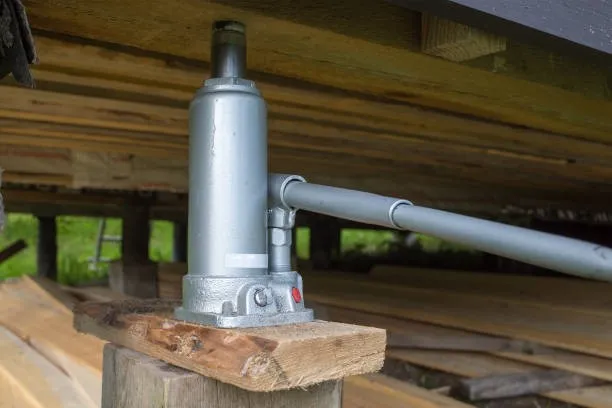
Imagine yourself repairing your truck while you’re lying underneath, ready to swap the faulty components, when you suddenly hear a metallic groan. The 20 ton bottle jack you’re using shifts slightly, and your heart begins to race. This nightmare situation occurs more often than you’d think. The Good News? It’s almost always preventable.
Whether you’re a DIY enthusiast fond of tackling auto repairs yourself or a professional mechanic, knowing how to use a 20-ton hydraulic bottle jack for car maintenance properly is essential. This blog will walk you through the five most common mistakes that could put you and your vehicle at risk.
Mistake #1 – Ignoring Weight Capacity and Load Distribution
The biggest mistake is assuming that your 20 ton bottle jack can handle just about anything thrown at it. This lack of consideration for proper positioning can prove dangerous. Your jack is rated for 20 tons (40,000 lbs), but that does not mean you should push it to the limit every time. Here are some things to consider:
- Most bottle jacks perform well when used between 50 and 80% of their maximum capacity. Using them at the upper limit too often can damage internal seals and weaken the hydraulic system.
- When you lift a vehicle, you create a point load through the jack’s saddle. If the contact point is small or uneven, you focus stress in ways that the manufacturer did not intend.
- A stationary 15-ton load feels heavier when you’re trying to remove stubborn bolts or working underneath it. These movements add extra forces that your jack has to handle.
Proper Load Positioning
Finding the right point where you should lift the load from is critical and can transform everything. Check the vehicle’s manual for designated jack points, which are specifically reinforced to handle concentrated lifting forces. Points like frame rails, axles, and other sturdy structural components keep the load stable and help prevent damage to the vehicle body panels and undercarriage.
Don’t attempt to lift a vehicle from plastic bumpers, body panels, or suspension components. These might crack under pressure, and you will then be dealing with expensive bodywork on top of your original repair.
When do multiple jacks make sense?
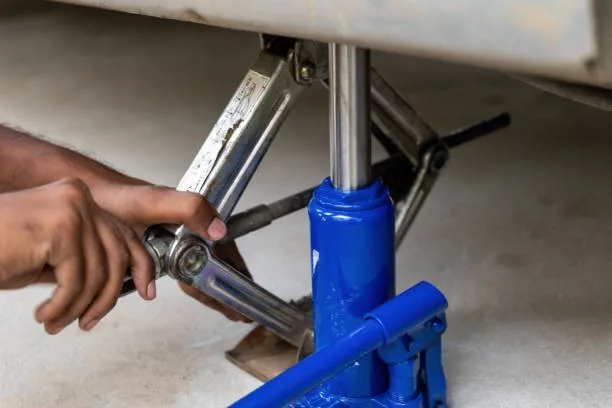
When your vehicle’s weight exceeds the maximum load capacity of your bottle jack, you know it’s time to use multiple jacks. However, ensure that you use these jacks at the proper lifting points. This will help distribute weight more evenly and reduce the risk of your vehicle tipping.
Quality 20 ton bottle jacks from manufacturers like Vevor provide consistent performance when you need multiple jacks working together.
Mistake #2 – Setting up on Unstable Surfaces
A jack is only stable as long as the ground beneath it is stable. This fundamental principle gets overlooked constantly, which might lead to accidents otherwise preventable.
Ensure that the surface is hard and leveled. Gravel driveways, dirt, gass or sloped surfaces may create instability and thus may be dangerous. Your jack may sink into soft ground or even shift as the base settles under load.
Oil spills, water, or ice on your work surface make it slippery. The jack’s base needs friction to remain stable. Even a tiny shift while lifting can lead to serious failure. On the other hand, a cracked concrete floor may seem fine, but it can fail under 40,000 pounds of pressure. Walk through your work area and find any weak spots that may cause trouble later.
Creating a stable platform
When it’s difficult to avoid less-than-ideal surfaces, ensure that you build up to them. You can use a thick steel plate, which is at least ½ inch under the jack’s base, to spread the load across a wider area. You can also try placing plywood sheets on gravel or soft ground, then top with your steel plate. Ensure that you verify everything, and it is leveled before you start with the lift.
While it is important to consider surfaces, the top contact point also needs attention. The saddle must sit flush against the lift point. If you notice any uneven contact, stop immediately and reposition the 20-ton bottle jack. A small rubber pad on the saddle can protect the vehicle’s finish and improve grip, but never use wooden blocks or makeshift spacers that could slip.
Mistake #3 – Not using Jack Stands and Safety Backups
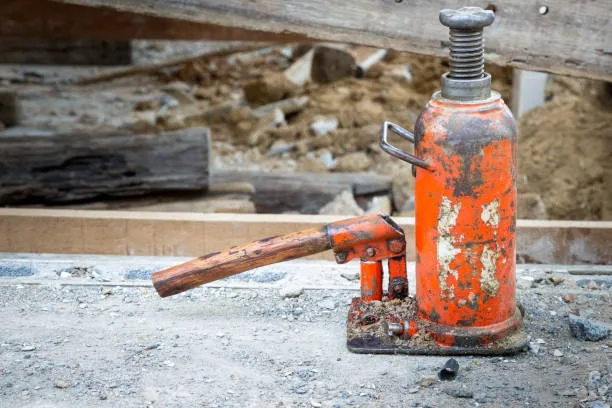
This is the spot where people might get seriously hurt. Using a bottle jack alone to hold up a vehicle means gambling with your life. Even the best 20 ton hydraulic bottle jack for cars or heavy vehicles can experience problems due to several issues.
Seal deterioration: Over time, internal seals wear out. A slow leak can drop the vehicle by an inch while you’re still underneath. That’s all it takes for tragedy.
Hydraulic fluid contamination: Dirt or water in the system causes inconsistent performance. The jack might hold steady for twenty minutes, then suddenly lose pressure.
Release valve issues: A partially open release valve, whether due to damage or user error, will slowly lower the load.
User error: Accidentally bumping the release lever happens more often than anyone wants to admit.
Following a Proper Safety Protocol
Here’s a sequence you can follow every single time:
- Lift the vehicle with your 20 ton bottle jack to the desired height.
- Place the rated jack stand under one of the proper support points on your vehicle.
- Lower the vehicle slowly onto the stands.
- Leave the jack in place as a backup, but never rely on it alone.
- Give the vehicle a shake to see if everything is stable before you crawl underneath it.
Choosing a Quality 20 ton hydraulic bottle jack for Cars
Your stands should match or exceed your jack’s capacity. For a 20-ton bottle jack, you will want stands rated for at least 6 to 10 tons each, since you usually use two. Look for welded steel construction, wide bases, and positive locking pins.
Companies that focus on professional-grade equipment know that safety features are essential. When you invest in reliable tools with proper safety mechanisms and quality construction, you protect yourself from the risks of equipment failure.
Mistake #4 – Neglecting Regular Maintenance and Inspection
The 20 ton bottle jack you are using for your car maintenance is a precision tool and not a disposable item. Treating it like one will lead to poor performance and safety-related risks. It is therefore important to keep your jack in top condition by using regular checks.
- Check every month if you use the jack regularly. Low fluid levels create air bubbles in the system, which leads to a spongy lifting action and possible failure. Use the hydraulic oil specified by the manufacturer; never use substitutes.
- Look for oil seeping around the ram or base. Even small leaks show that the seals are wearing out and will only get worse. If you catch these early, you can replace the seals at a low cost. If you wait too long, you’ll need to buy a new jack.
- The release valve should turn smoothly and seal completely when it’s closed. A sticky valve or one that doesn’t close all the way can create dangerous situations.
- Examine the base, handle socket, and saddle for any cracks, bending, or failures in the welds. These parts face a lot of stress and can have issues as time goes on.
Quality manufacturers often offer replacement parts and service support. This is one reason why choosing reliable brands is a smart choice over the jack’s lifetime. For example, VEVOR supports their products with easy access to parts and customer service, which helps keep equipment running for years.
Mistake #5 – Rushing the Lifting and Lowering Process
Speed kills, even when you are still in your garage trying to expedite the lifting or lowering process. Rushing through the lift or drop is how accidents happen, and equipments break down.
Whenever you are using your 20-ton bottle jack, allow sufficient time for the jack to function normally.
Before you pump the jack, verify that it sits centered under the lifting point. Double-check that the saddle makes full contact and the base sits flat. Take about 3-4 slow pumps and stop. Check to see if the vehicle is lifting evenly and the hydraulic jack isn’t shifting. If anything looks wrong, lower and reposition.
As you lift, the vehicle’s suspension will unload, and the components will shift position. While this is happening, look out for unusual sounds and watch for binding suspension parts that might spring loose. Finally, avoid pumping the jack frantically to maximum height. Work up to it while being aware of what’s happening.
Special Considerations for Handling Heavy Loads
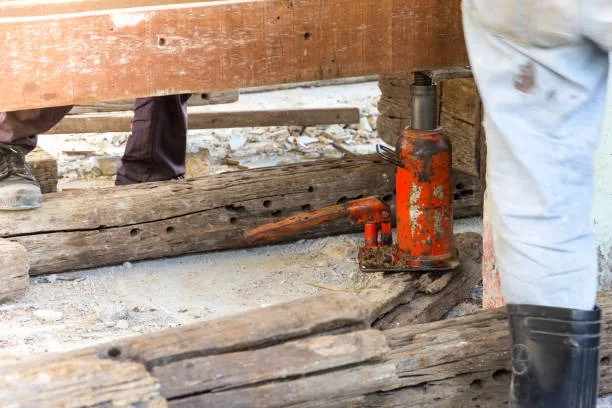
When handling heavier equipment closer to your jack’s 20-ton capacity, being precautious becomes even more critical. Heavy loads carry more momentum and energy. A large truck dropping suddenly can bounce, shift sideways, and even become unbalanced if on an irregular surface.
Professionals develop a feel for their equipment through experience, and you can borrow this wisdom by observing how they handle equipment. The extra time you invest in being careful can help avoid injuries that last a lifetime.
FAQs
How much will a 20 ton bottle jack lift?
As the name suggests, a 20 ton bottle jack can lift about 20 ton load. However, there should always be a margin you should consider. A 20 Ton bottle jack is compact enough to lift 20 Ton loads even in tight spaces. It is ideal for use in automotive shops, industry, and construction. The jack is made of rugged steel with a strong, stable base and can lift up to 40,000 as high as 17-3/8 in.
Can I use a 20-ton hydraulic bottle jack for car repairs on any vehicle?
Most passenger cars and light trucks are fine with a 20-ton jack. However, always check that your specific lifting point can support concentrated loads and that you’re not going over the vehicle manufacturer’s recommendations for where to place the jack.
Is it safe to use a bottle jack horizontally?
Some bottle jacks are built for horizontal use, but most standard models should only be used vertically. Using them horizontally can make the internal parts move and fail. Always check your jack’s manual before trying to lift it horizontally.
How long can I safely leave a vehicle supported by a bottle jack?
Never leave a vehicle supported only by a 20 ton bottle jack for any period. Immediately transfer the load to proper jack stands that can handle the weight. The jack can serve as a backup safety measure, but it shouldn’t be the main support.
The Final Word
Working safely with a 20 ton bottle jack means respecting what the tool can do and knowing what it can’t. By avoiding these five critical mistakes, you can work with confidence and security: misunderstanding weight capacity, choosing bad surfaces, skipping safety backups, neglecting maintenance, and rushing the process.
The right equipment makes everything easier, but even the best tools need proper technique. Focus on building good habits from your first lift. Always use jack stands, keep your equipment in good shape, work on stable surfaces, and never rush. These rules apply whether you’re changing a tire or rebuilding an entire suspension system.
Your safety is worth the extra time and care. Invest in quality equipment, learn the right procedures, and treat every lift with the respect it deserves. When you do this, your 20-ton hydraulic bottle jack for car repairs will become a dependable partner that serves you well for years.