Clamps & Vises


















Results for Clamps & Vises
Browse VEVOR clamps & vises designed for real shop work, including C-clamps for welding jigs, quick-release bar clamps for glue-ups, and cast-iron bench vises that attach to a workbench. In addition to a complete array of bar clamps, F-clamps, and spring clamps, the range includes woodworking vises, Pipe Vises, and Drill Press Vises. Whether you are holding a workpiece for the mill, threading piping, tacking a steel frame, or squaring a cabinet, VEVOR's attentive after-sales support can help you find the right holding equipment at an affordable price.
VEVOR Clamps & Vises for Woodworking, Metalwork, and Pipe Fitting
How much force is required to keep what you are holding in place? This question led directly to clamps & vises. VEVOR offers a wide range of Corner Clamps, Toggle Clamps, and Parallel Clamps for assembly operations, as well as strong anvil bench vise models for pounding and bending, and precision Milling Vises for the drill press and mill table. Each tool is designed for garages, fabrication facilities, and construction sites where a workpiece must stay secure during cutting, drilling, welding, or gluing.
Choosing Clamps & Vises by Tool Type and Application
The first fork in the road is tool type, since clamps and vises address distinct needs. Everything downstream, including jaw width and throat depth, falls into place when you match the holding instrument to the task. Even well-made clamps & vises will battle you on the bench if you make a mistake.
Bench Vises and Workbench Vise Clamp Options for Heavy Holding
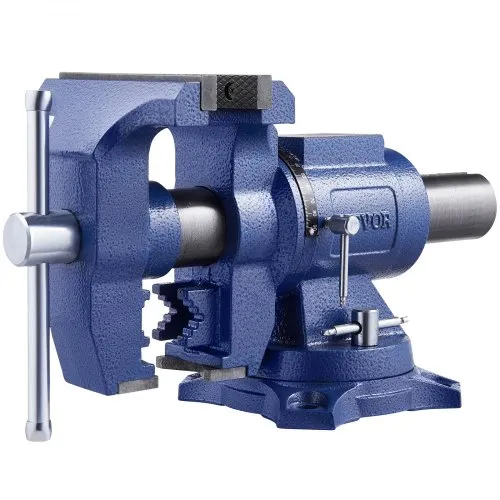
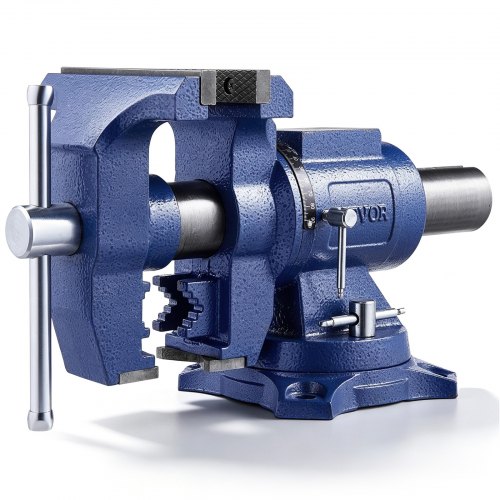
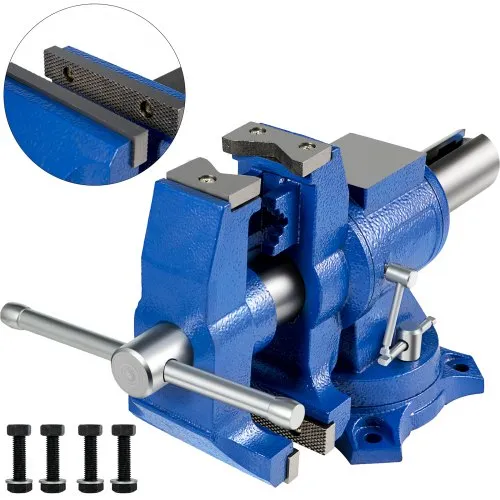
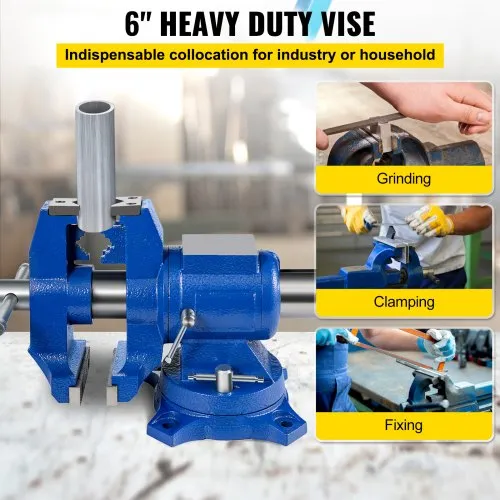
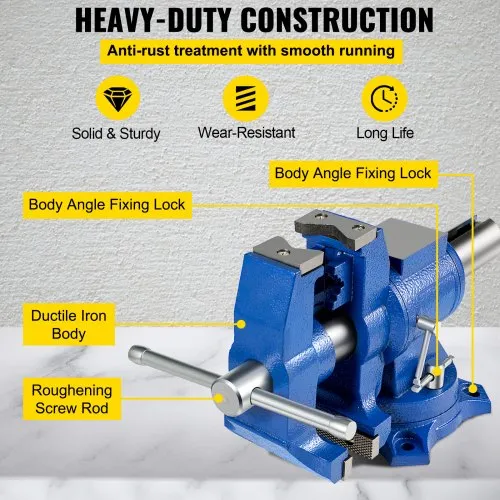
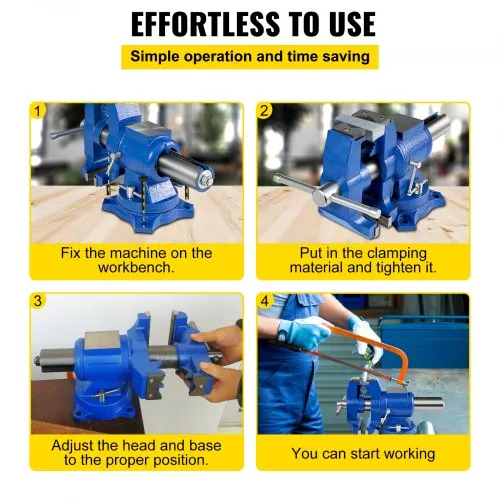
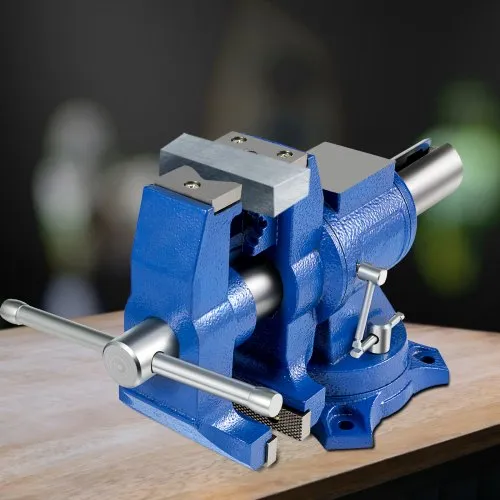
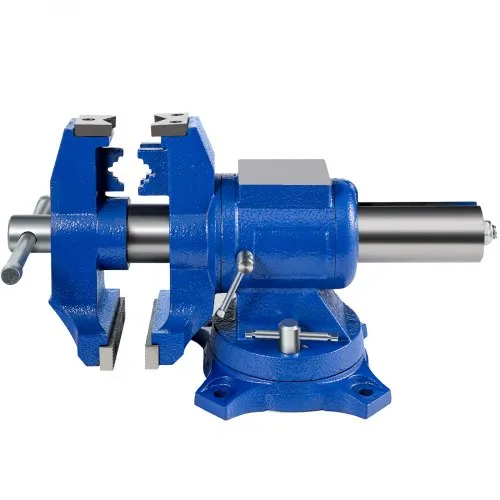
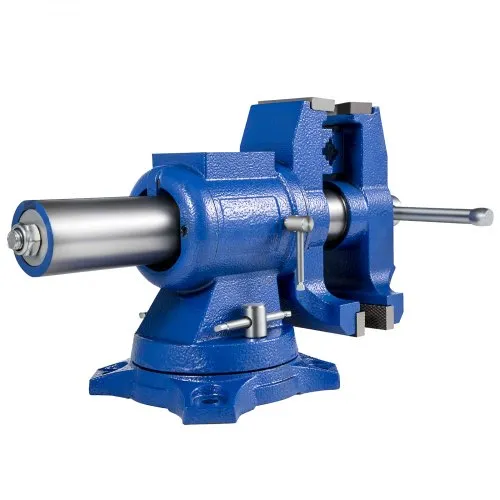
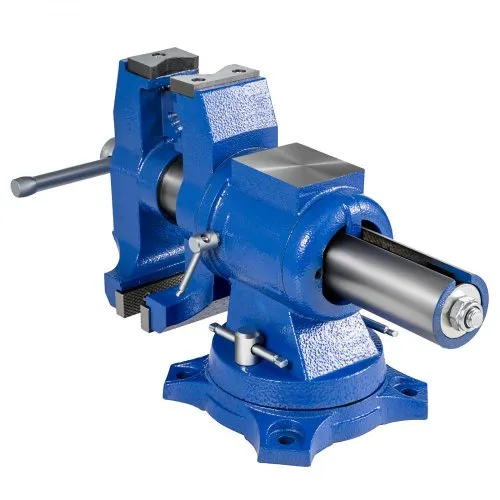
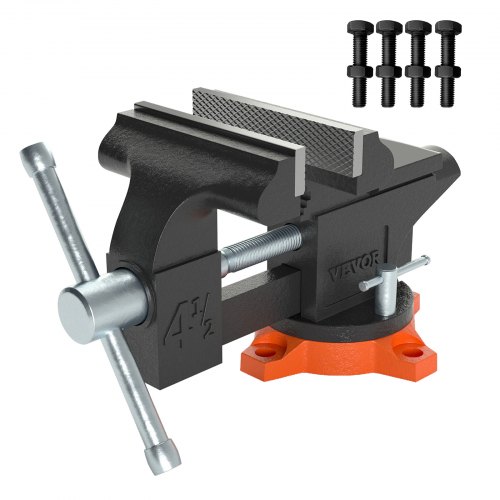
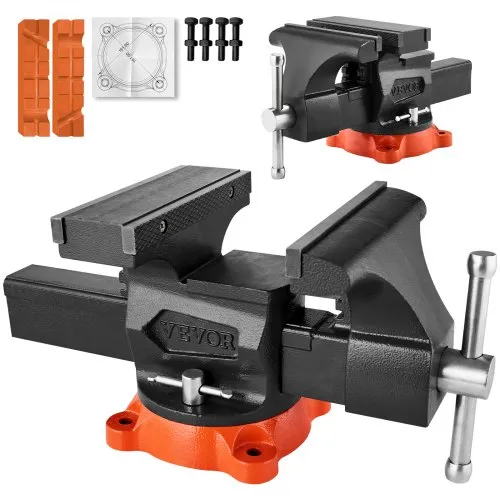
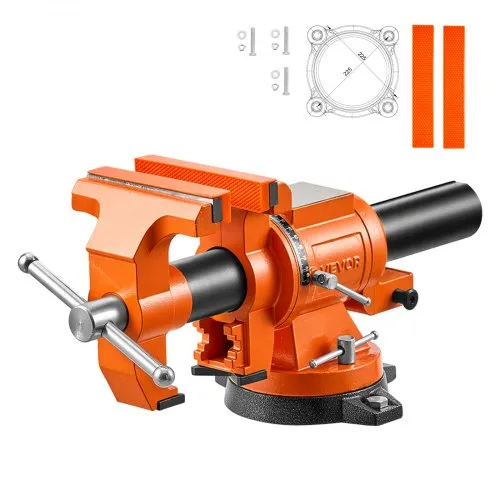
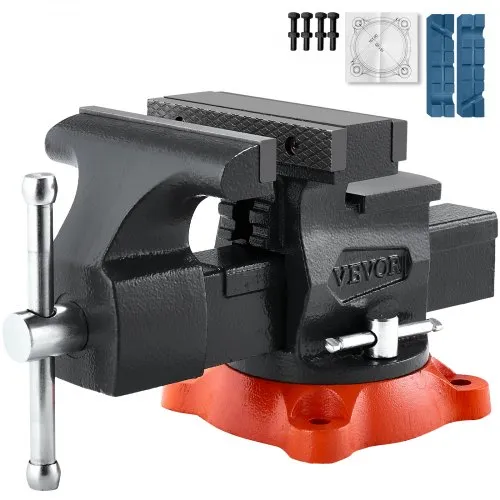
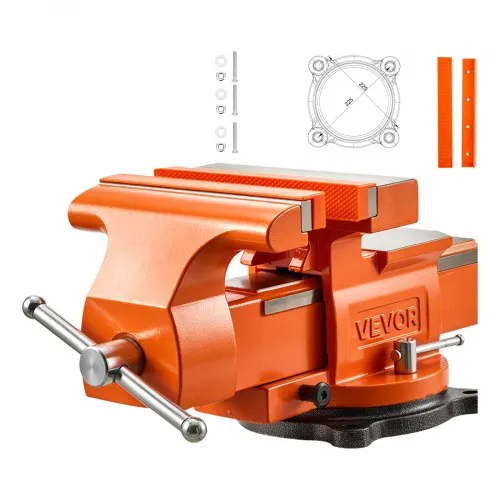
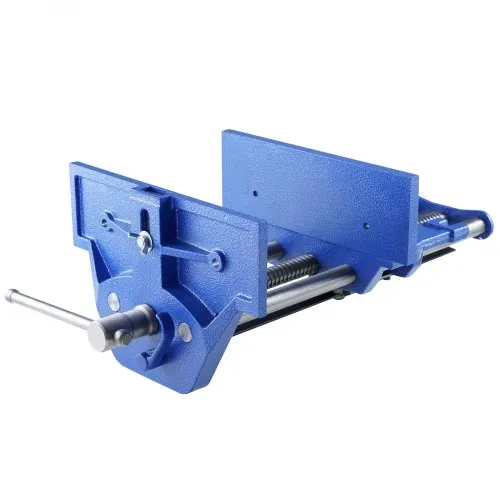
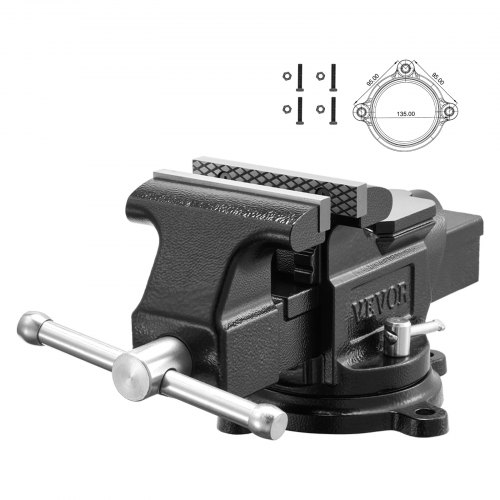
The workhorse of the shop is a bench vise, attached to the workbench to stay stable when filing, sawing, and hammering. VEVOR bench vises typically feature cast-iron or ductile-iron bodies with hardened steel jaws, and many include an integrated anvil surface for light shaping and straightening. Mounting style is important. A clamp on bench vise uses a screw pad to grip the table edge so you can move it between stations or store it away, while a fixed workbench vise clamp bolts securely through the benchtop for maximum rigidity. Renters and small businesses can benefit from the clamp-on style, while everyday heavy use can benefit from the bolt-down style.
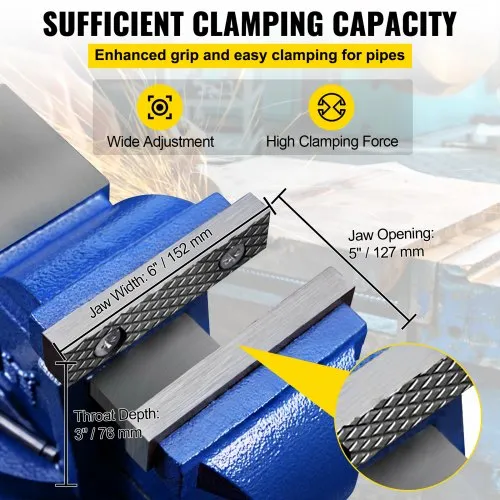
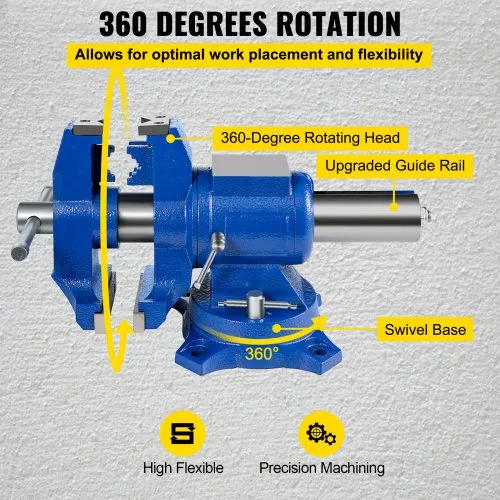
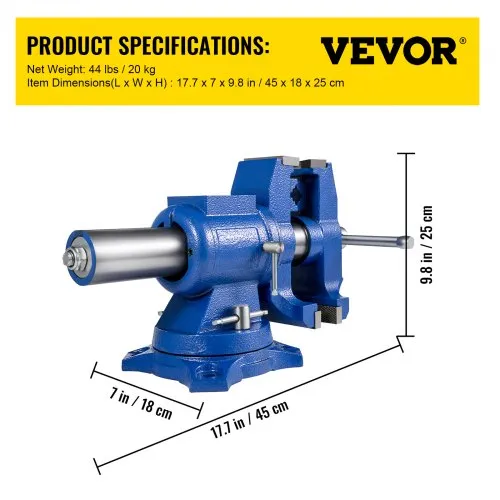
Before purchasing, check the neck depth and jaw width. Deeper throats allow you to clamp workpieces farther below the jaw line, while wider jaws accommodate larger stock. The ability to rotate the work toward the light or the tool without unclamping makes a swivel base worth the slight extra. A heavy duty vise clamp with a jaw length of 4 to 6 inches can handle most household and professional requirements for tough shop work. If you are bending bar stock or seating tough parts, anything bigger is for serious fabrication.
Bar Clamps, F-Clamps, and Parallel Clamps for Assembly and Glue-Ups
Bar Clamps are the solution when you need to apply pressure evenly over a panel or frame. By running a sliding jaw along a steel bar, VEVOR Bar Clamps and F-Clamps let you quickly set the rough opening, then tighten the screw to apply final pressure. They form the foundation of any woodworking glue-up. Parallel clamps take it a step further. Throughout the clamping range, their jaws stay square to the bar, keeping panels flat and preventing joints from racking. Cabinetmakers use them on face frames and drawer boxes where a twisted glue-up compromises the fit because of their square jaws.
What fits depends on bar length and throat depth. A longer bar crosses larger assemblies like tabletops and door frames, while a deeper neck extends past the edge of a broad panel. To avoid running out of reach, keep a variety of lengths on the rack. One-handed trigger clamps and spring clamps let you grip stops, jigs, and trim with one hand while keeping the other free for lighter, quicker grabs. These clamps & vises are inexpensive enough to buy by the dozen, and they make their living on jobs where speed matters more than force.
C-Clamps, Corner Clamps, and Toggle Clamps for Welding and Jigs
For welding and metalworking, C-clamps are the preferred choice. Drop-forged models withstand the heat and spatter of a welding table, while the small steel frame and deep throat let you clamp plate, angle iron, and jig fixtures under high pressure. Keep a variety of sizes close to the weld bench. Corner clamps solve the square-joint issue. To prevent a corner from drifting out of true when screwing, welding, or gluing, they hold two pieces at a locked 90-degree angle. They are essential to box builders, picture frame manufacturers, and welders who create square tube frames.
The fixture builder's friend is the Toggle Clamp. They provide repeatable hold-down force for production runs and CNC setups by mounting to a jig or drill table and using a rapid over-center lever to lock and release a workpiece. F-Clamps complete the metalwork side by acting as additional hands during tacking, and a clamping vice or drill press vise pins small pieces for precise holes. A flat table can become an actual fixturing surface with the help of these clamps & vises.
Pipe Vises, Pipe Clamps, and Specialty Holding Tools
Pipe vises are necessary for threading, cutting, and assembling pipes. Their chain or V-shaped jaws hold the pipe stable while you turn a die or make a saw cut by gripping round stock without crushing it. Both chain-style and yoke-style variants are appropriate for various pipe diameters. Pipe clamps approach extended clamping spans differently. One pair of clamp heads can cover everything from a narrow shelf to a full tabletop since the fittings screw onto standard black pipe that you can cut to any length. This is the most economical way to increase long-reach clamping capability.
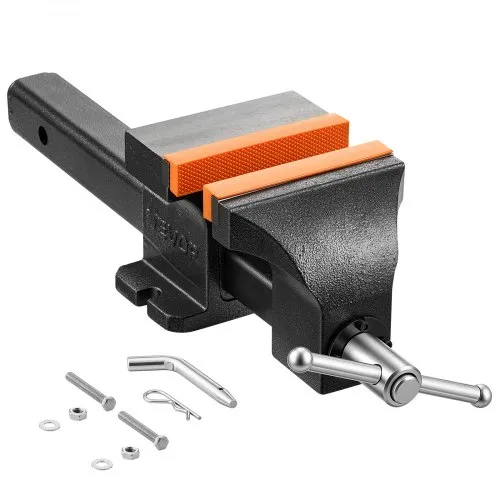
The final member of the family is precision holding. While Drill Press Vises and Milling Vises secure stock to the machine table for precise, repeatable holes and cuts, Pin Vises hold tiny drill bits, wire, and small items for jewelry, model, and electronics work. You can carry that precise grip across stations with a vice with clamp base. Hitch Vises mount into a receiver for trailer and towing applications, providing a reliable vise wherever the truck travels. The key to keeping the workpiece safe and the job accurate in all of these Clamps & Vises is matching the tool to the material.
Selecting Clamps & Vises by Clamping Capacity and Jaw Material
Beyond tool type, two specifications determine a holding tool's real performance: its opening distance and material composition. Get these right, and your Clamps & Vises will grip firmly, resist wear, and last through years of shop use.
Clamping Capacity, Throat Depth, and Opening Range
The largest gap between the jaws is called clamping capacity, and it sets the limit of what you can grasp. After measuring your usual workpiece, add margin so the jaws don't reach their maximum spread, where control and pressure both decrease.
The other part of the measurement is throat depth. It determines how far you can reach from an edge and the distance between the bar or screw and the jaw face. Shallow clamps manage edge work, while deep-throat C-Clamps and Bar Clamps clear large panels. Avoid using a heavy duty vise clamp when a small spring clamp will do; match the clamp to the task and keep a variety of sizes. Any clamping vise that has the proper opening range is safer and faster to operate.
Cast Iron, Ductile Iron, and Steel Jaw Materials
The material determines the tool's lifespan and how much you can tighten it. For general Bench Vises and clamp bodies that experience steady but moderate stress, cast iron is sturdy and reasonably priced. It can fracture when struck sharply, yet it maintains its shape well.
For heavy tasks, ductile iron is the better option. An anvil bench vise or heavy duty vise clamp made of it can withstand bending and hammering that would break gray iron because it flexes slightly rather than breaking. Replaceable jaw pads and hardened steel jaws provide bite and allow you to replace the gripping surface as it deteriorates. When clamping finished surfaces, use soft pads and opt for smooth or smooth jaws that preserve stock. What separates clamps & vises that fail mid-job from those that survive ten years is the choice of material.
Why Choose VEVOR Clamps & Vises?
VEVOR offers a range of products for metalworking, pipe fitting, and woodworking, including bolt-down Bench Vises, anvil versions, Bar Clamps, C-Clamps, Corner Clamps, and Pipe Vises. Every order includes a warranty and prompt after-sales support for parts and fit inquiries, and direct pricing keeps high-quality holding tools well below showroom prices. Get the ideal clamps & vises on your bench in time for the next job by browsing the collection today and filtering by material, jaw width, and tool type.
FAQs
What distinguishes a vise from a clamp?
When you need both hands free, a bench vise stays put. A clamp holds components for gluing, welding, or assembly before you fasten them. It is movable and provides pressure wherever you place it.
How can I pick the ideal size for my bench vise?
Check the throat depth for taller pieces, then match the jaw width to your usual stock. For most home and professional work, a 4 to 6-inch jaw is ideal. To rotate the workpiece without unclamping, add a swivel base.
Do clamp-on and bolt-down vises have the same strength?
For light and medium operations, a clamp on bench vise is stiff and portable. Bolt-down workbench vise clamps provide the most stability and shock resistance for severe hammering, bending, or everyday use.
Which clamps work best for glue-ups in woodworking?
Bar Clamps and Parallel Clamps apply uniform, level pressure on panels and frames. For lighter grips and square joints, use Corner Clamps and Spring Clamps. To prevent marks on finished surfaces, add soft jaw pads.
Can I weld using C-Clamps?
Yes, while holding plate and jig fixtures under high pressure, drop-forged C-Clamps manage welding heat and spatter. To secure square joints during tacking, keep a range of sizes near the bench and pair them with Corner Clamps.