Lifting Magnet












Results for Lifting Magnet
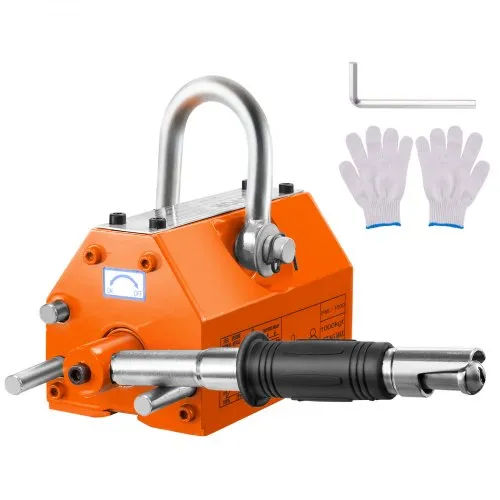
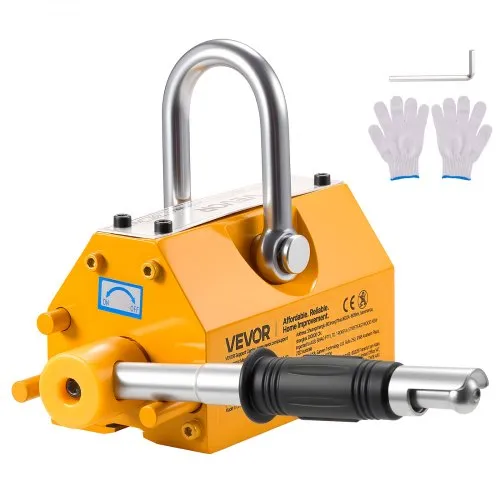
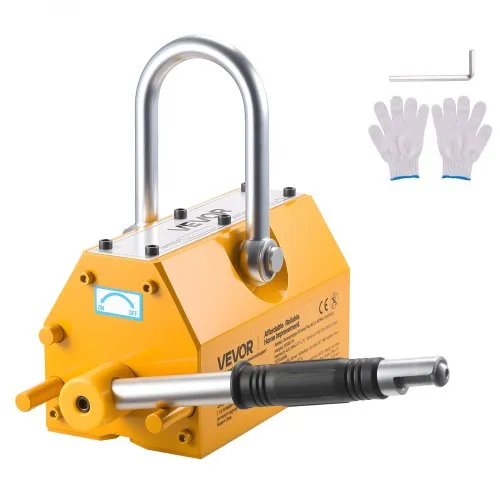
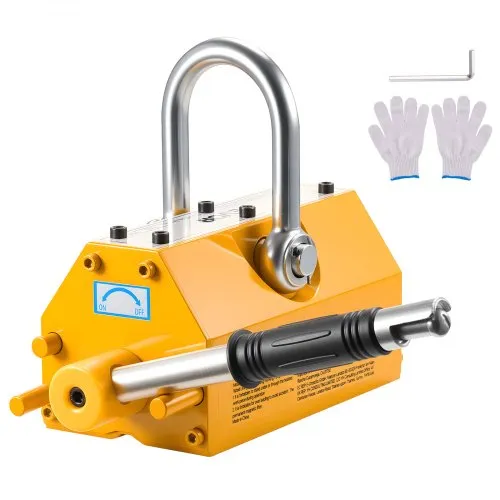
From 100 kg magnetic lifters shop units to industrial-grade 2000 kg magnetic lifters, VEVOR's magnetic lifts can handle any kind of steel, from light fabrication jobs to large structural projects. A full range of permanent magnetic lifters with neodymium construction, release-handle options, and crane and hoist compatibility is available for fabricators, riggers, machine shops, and steel yards. Each lifting magnet grasps ferrous steel without external power. The right capacity and configuration fit this range, whether you're moving a single plate or cycling through dozens of lifts each shift.
VEVOR Magnetic Lifts with Heavy Duty Permanent Lifters for Steel Handling
Do you need a forklift or chain sling to move steel plates, sheets, or beams around a shop or job site? VEVOR magnetic lifts are designed to securely and effectively grasp and release ferrous items. This collection gives fabricators, riggers, and steel handlers the precise lifting solution they need, with capacities ranging from 100 kg to 2000 kg and neodymium magnetic lifter options throughout.
Magnetic Lifts for Lifting Capacity and Magnet Type Guide
Matching the rated capacity to the actual weight of the material being moved is the first step in selecting the best magnetic lift. Next, make sure the magnet type meets your precision and handling-frequency requirements.
Light-Duty Magnetic Lifts for Small Shop Tasks
A crane or chain sling isn't necessary for every steel move. A 100 kg magnetic lifter can manually handle small steel plates, sheet metal offcuts, and individual components with one operator, no rigging setup, and no extra gear. That saves real time each shift on the numerous small movements that make up most daily work on a fabrication floor or in a maintenance shop. This capability extends to mid-size steel sheets and plates frequently used in welding and manufacturing tasks with a 300 kg lifting magnet. Both are powered by permanent magnets that engage when you activate them, release when you disengage them, and hold without a battery or other external power source between uses.
A magnetic lift weighing between 100 and 300 kg can handle most daily floor work without buying capacity that shops rarely use when they run a mix of small components and medium plate sizes throughout the day. When the lifter needs to move across the floor between jobs, these modules must be small enough to move manually between workstations. Start here if this is the range of your heaviest typical load. You can easily add a higher-capacity unit later. Buying significantly more than you need ties up funds for headroom that manufacturing may never use.
Mid-Capacity Magnetic Lifts for Fabrication and Steel Yards
A 400 kg magnetic lifter or a 600 kg permanent magnetic lifter is the typical mid-range option for activities that frequently handle heavier steel plates or structural components. Moving mid-size steel plates, placing materials for welding or cutting, and loading sheet stock into machinery beds are just a few common fabrication jobs this capacity class covers without requiring a specific crane attachment for each lift.
To attach the lifting magnet directly to overhead crane hooks or hoist chains for vertical lifting applications, VEVOR's mid-capacity magnetic lifters are usually used with a crane & hoist magnetic lifter system. When material needs to move both vertically onto racks or machinery and horizontally across the floor, steel yards and fabrication factories frequently use this combination. Combined with an overhead crane system, a 600 kg permanent magnetic lifter reduces labor time and the risk of pinch-point injuries during material handling by letting a single operator safely move heavy steel stock that would otherwise require multiple workers using chains or slings.
Heavy-Duty Magnetic Lifts for Industrial Loads
Heavy-duty magnetic lifts are no longer optional convenience gadgets when production requires moving large steel weights frequently during a shift. In steel service facilities, shipbuilding, and heavy fabrication, where massive plates and structural beams often need to be repositioned across a production floor, a 1000 kg heavy-duty magnetic lifter or 1500 kg magnetic hoist magnet is commonly used. VEVOR's strongest holding force comes from a 2000 kg high-capacity magnetic lifter at the top of the range, ideal for the heaviest structural steel handling jobs where safety margin matters as much as raw lifting strength.
Because higher-capacity magnets moving larger loads require a strong foundation to prevent tipping or load shift during a lift, these heavy-duty lifting magnets usually have a strengthened housing and a magnetic lid lifter dolly-compatible design for stability during travel. Because claimed capacity assumes clean, flat, adequately thick steel rather than thin, corroded, or curved surfaces that diminish actual holding force, facilities operating heavy-duty magnetic lifts daily should always verify the plate thickness and surface condition of the material being lifted.
Neodymium vs. Standard Steel Magnetic Construction
For a given lifting capacity, the magnet type affects both holding strength and overall unit size. Compared to earlier ferrite-based magnetic lifting technology, an N42 Neodymium Lifting Magnet uses rare-earth magnetic material to achieve a much stronger gripping force in a more compact housing. As a result, a neodymium magnetic lifter can often reach the same rated capacity as a larger standard magnet, making it more manageable in confined areas while maintaining dependable hold.
A neodymium & steel lifting magnet maximizes the effective holding force delivered to the load rather than dispersing it into surrounding space by combining the rare-earth magnetic core with a steel shell that channels and directs the magnetic field toward the lifting surface. This structure ensures VEVOR's magnetic lifts work consistently during repeated daily use, which matters for shops that want to run the equipment through several shifts without stopping for magnet degradation. Because of this advantageous strength-to-size ratio, neodymium-based magnetic lifts are now the preferred option over older technology for most contemporary fabrication and steel-handling applications.
Magnetic Lifts with Application and Release Features Explained
Beyond capacity and magnet type, other parameters that affect a magnetic lift's performance during normal handling include the release mechanism and application environment.
Release Handle Mechanisms for Controlled Drop-Off
The feature that separates a smooth-running magnetic lift from a safety hazard on shift is release control. A heavy duty lifting magnet with a release handle turns the magnetic circuit on and off with a mechanical lever. Operators apply maximum holding force while lifting, then get a deliberate, controlled release when the load is in place. The change from hold to release is not sudden, but a deliberate loss of grip by the operator. Without that mechanism, operators have to let go of the load entirely and re-grip to change it. With a release handle, an operator can raise, position, and set down material in one controlled sequence without losing grip mid-cycle.
VEVOR’s release handle designs are made for high-cycle use. In production environments where the same unit engages and releases dozens of times per shift, the mechanism must engage and release smoothly, without sticking or loosening over time. Operators must verify 100% magnet to steel contact prior to each lift. The specification is based on clean, level contact, not actual surface variation, so holding capacity is reduced by partial contact or dirt between the magnet face and the load. For facilities operating at production speed with permanent magnetic lifters, the release handle is much more than a nice added convenience. It makes cycling safe and controlled.
Application For Lift Type And Capacity Matching
The application context drives the final configuration choice, not the spec. A machine shop moving small plates a few times a day is different than a steel yard cycling heavy stock through multiple daily shifts. If you have a fixed station such as a welding table, cutting bed, or storage rack and need single-point lifting, a stand-alone magnetic plate lifter with a release handle does the job without any extra hardware. For jobs where you want to move material along a floor and then lift it vertically, the crane & hoist magnetic lifter system works well.
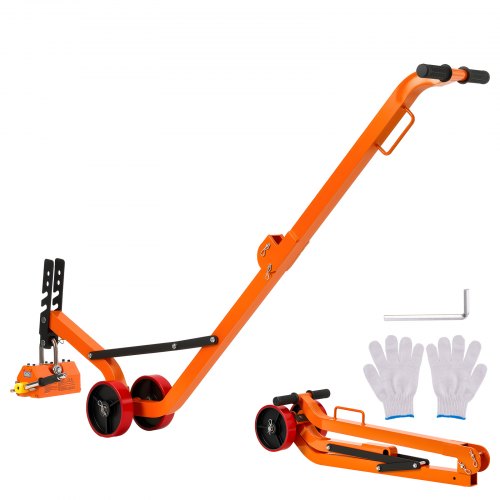
It combines overhead crane capability and a magnetic holding mechanism in one workflow. In applications like maintenance hole cover removal or lifting heavy lids with wheels, a magnetic lid lifter dolly configuration solves the placement problem that a standard crane-mounted unit cannot. The dolly allows for horizontal movement without the requirement of an overhead crane above the load. When you buy to the rated maximum, you have no margin for the variation production introduces. When you research magnetic lifts, build the safety buffer in from the start.
Why Choose VEVOR Magnetic Lifts?
VEVOR’s wide range meets every magnetic lifting need, from small shop units of 100kg to industrial-sized lifters of 2000kg. Fabricators and steel yards get the full spectrum of neodymium construction, reliable release handles, and crane-compatible designs at prices that fit real operating budgets. With every single transaction, we guarantee strong after-sales support. Browse the full range and select the capacity and configuration that’s right for the job.
FAQ
Do magnetic lifts work on rusted or uneven steel?
No, rated capacity depends on the steel being clean, flat, and thick enough. The actual holding force is lower than the rated capacity due to rust, surface curvature, or debris between the magnet face and the load. Check the material's condition before lifting.
Are neodymium magnetic lifters stronger than standard magnets?
Indeed, compared to earlier ferrite-based designs, N42 neodymium magnets provide a greater gripping force in a smaller housing. They are the best option for high-cycle manufacturing settings since they also retain their magnetic qualities better after repeated thermal cycling.
Can a magnetic lift attach to an overhead crane?
Yes, indeed. Mid- and high-capacity units mount directly on crane hooks and hoist chains for vertical lifts and horizontal moves around the shop floor without the need for additional rigging hardware on each move.
How does the release handle work?
The magnetic circuit is mechanically connected and disconnected. It is secure during the lift, and when the load is set in position, a controlled movement of the lever releases it. The operator controls the release, so there is no sudden loss of grip.