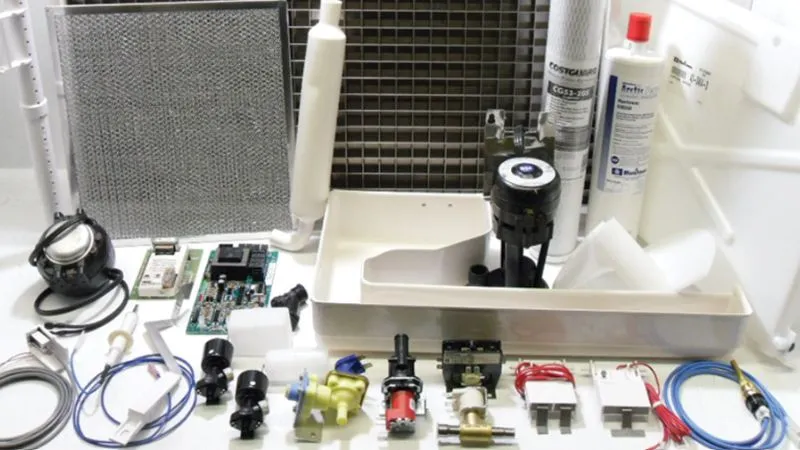
An παγομηχανή has several interconnected parts that turn water into clean, consistent ice. Each component, such as the evaporator and the water pump, sensors, fans, filters, and control boards, plays a significant role in the ice-making cycle. Ice production can slow or stop when a component wears out or fails. Knowing these parts simplifies maintenance, troubleshooting, and changing. This manual covers the key components of an ice machine, how they work together, which parts often need replacing, and how to choose appropriate replacements. It also covers simple maintenance tips to help ensure your machine runs effectively and produces quality ice.
Πίνακας περιεχομένων
What Are the Main Parts of an Ice Machine?
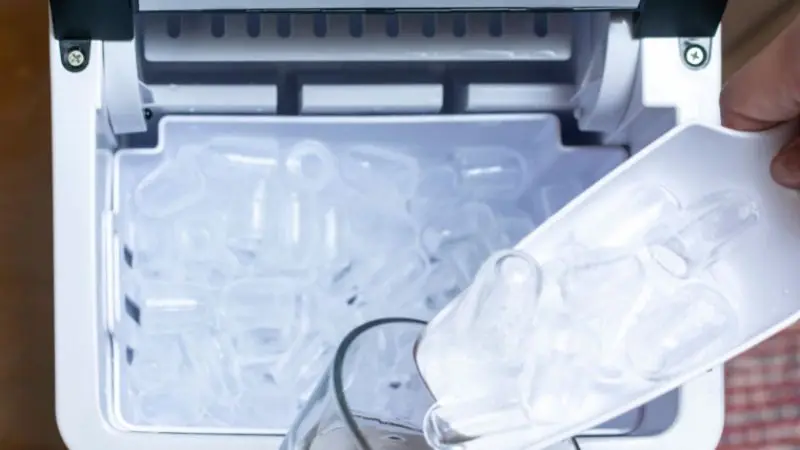
Knowing the key parts makes it easier to diagnose issues and choose the right replacement.
Each component has its own job, but they all must work together to keep ice production running. Knowing these parts can also help you keep an παγομηχανή running or repair it.
Συνιστάται για το έργο σας
Evaporator: The Component That Freezes the Water
One of the most vital components of an παγομηχανή is the evaporator, which gives the ice machine its cold surface where water solidifies into ice. During the freezing cycle, refrigerant cools the evaporator, making its surface cold and allowing ice to form. Depending on the design of the machine, water is either passed over or around the evaporator. As the water cools down, it freezes slowly into cubes, flakes, or any other form of ice. When the ice has the necessary thickness, the machine starts the harvest cycle. A damaged or poorly performing evaporator can reduce ice production and quality, so proper maintenance and replacement are important.
Water Pump: Moving Water Through the Ice Machine
Water flows in and out of the μηχανή via a water distribution system in the reservoir with the help of the water pump. It assists in the consistent flow so that water can flow to the evaporator when it is frozen. The ice machines will have a pump that continuously circulates the water in the machine until enough water has been frozen into ice. In case the pump is clogged, wears out, or is damaged, then the oil might not circulate normally, causing slow ice formation or lumpy ice. A faulty pump may also emit odd noises or stop the water flow into the freezing surface. Periodic checking of the pumps can be done to make sure that it is running seamlessly and that it has spare parts in case the machine suddenly requires a change in parts.
Water Inlet Valve: Controlling Fresh Water Flow
The water inlet valve regulates the amount of fresh water entering the παγομηχανή. The control system opens the valve when the machine is low on water, allowing water to flow in through the supply line. When the reservoir fills up to the necessary level, the valve is closed to avoid overfilling. A damaged inlet valve can either permit excessive water inflow, limit the flow of water, or deny the machine the ability to fill. Its performance may be impacted by mineral deposits and general wear with time. Replacing a broken valve with a matching part can restore proper water flow and keep the ice-making cycle functioning properly.
Water Distribution System: Spreading Water Evenly
The water flow system directs water above the evaporator so as to achieve even ice formation. This system may be composed of sprinklers or spray nozzles, channels, or other objects based on the type of machine used to spray water over the freezing surface. Even distribution of water is essential since an uneven distribution may result in thin, irregular, or poorly shaped ice. Orifices can become clogged and filled with minerals and reduce the flow of water; therefore, these parts may need to be washed regularly. To restore the normal flow of water, should some part of the distribution component be broken or damaged, it can be replaced with the appropriate part. A clean system also assists in efficient production of ice and even quality of ice.
Ice Bin: Storing Freshly Harvested Ice
The ice bin provides a room where the ice can be stored once it is discharged from the evaporator. It comes in different sizes based on the machine; εμπορικές μηχανές typically have more storage capacity than small residential machines. Insulation is added to many ice bins to assist in slowing the melting of the ice and also prevent ice quality deterioration. A properly functioning bin must be able to collect ice without obstructing significant sensors and internal parts. A bin control or sensor is also employed to prevent ice from being produced when the storage area fills up on some machines. By maintaining the bin in a clean and well-maintained condition, ice quality is preserved, and it allows safe and reliable operation.
Control Board: Managing the Ice-Making Process
The control board is the central electronic system that coordinates a lot of functions of an ice machine. It receives input from the sensors and regulates the water inlet valve, pump, fan, and refrigeration system. The board can decide when the machine should fill with water, freeze the water, harvest the ice, and stop production when the bin is full. If the control board fails, several components may appear to malfunction when they are not. Because control boards differ across models, choose a compatible replacement. It can be much easier to find appropriate replacement parts used in εμπορικές παγομηχανές by checking the model and part number of the machine.
Thermostat and Temperature Sensors: Monitoring Machine Conditions
The ice machine has thermostats and temperature sensors that monitor the temperatures in various parts of the machine. Their readings help the control system know when the water has frozen enough and when the machine needs to move to the next stage of the ice-making process. Other sensors help track the storage bin and ensure the machine does not produce more ice when the bin is full. If a sensor breaks or becomes inaccurate, the machine could produce too much ice, freeze longer than it should, or stall. You can replace the faulty sensor with a model-specific component, allowing proper temperature monitoring and ice production to resume.
Fan Motor and Condenser: Removing Heat From the System
The fan motor and condenser play a major role in removing heat from the μηχανή. The refrigerant absorbs heat in the condenser, which the fan releases, and the fan moves air over the condenser to improve heat transfer. When the condenser is dirty or the fan motor isn’t functioning properly, the machine may struggle to maintain the temperatures needed to produce ice efficiently. Excess heat can also put extra strain on the refrigeration system. These components can be made to work well through regular cleaning and inspection. When it is time to replace parts, choose compatible parts to ensure proper airflow and cooling.
Water Filter: Improving Water Quality
The water filter helps remove undesirable particles, sediment, and some minerals from the water flowing into the παγομηχανή. Cleaner water has the potential to enhance the appearance, taste, and consistency of the final ice, as well as minimizing mineral accumulation within water-related parts. The filter becomes ineffective over time, as it gathers contaminants, and thus it has to be replaced as recommended by the manufacturer. The right filter is determined by the machine and the water system. Installing an incompatible filter can limit water flow or prevent filtration. Another way to ensure you buy the right replacement is to check the model number.
Drain System: Removing Melted and Excess Water
The drain system removes excess water from the παγομηχανή during various phases of operation. It can take away the water that is remaining after the freezing process, melted ice, or water generated during cleaning. A well-operating drain helps to ensure that the water does not accumulate inside and around the machine. Obstructed or broken drain lines may result in standing water, leakages, offensive smells, or sanitation issues. Depending on the installation, commercial ice machines can have particular drain requirements. In case of replacement of a drain component, ensure that the new part is compatible with the machine and installation specifications. Keeping the drain clear helps maintain dependable operation and supports a cleaner ice-making environment.
How Do Ice Machine Parts Work Together?
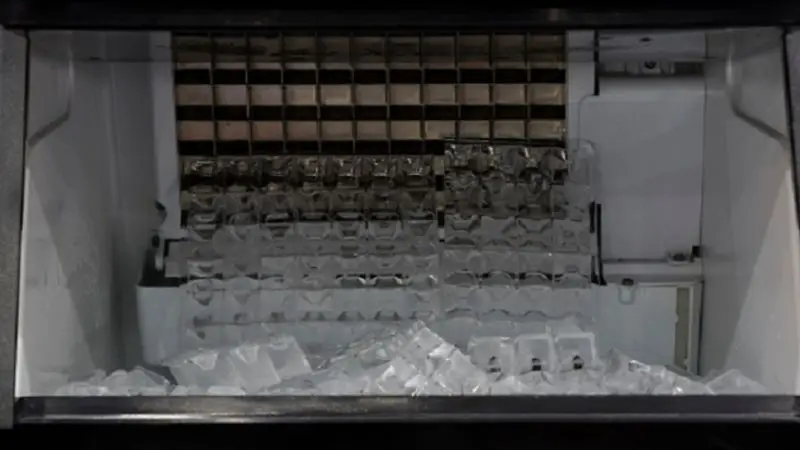
Although each component serves a different function, an παγομηχανή requires them to work in sequence.
It is important that water is introduced and distributed properly before it can be frozen into ice by the refrigeration system.
The control system then synchronizes the freezing, harvesting, and storage among other processes to complete the process.
How Water Enters the Ice Machine
The ice-making cycle starts when the machine is signaled that it needs fresh water. When the control board is turned on, it opens the water inlet valve and water enters through the supply line connected to the control board. Depending on the machine’s design, the water is directed either to the reservoir or straight to the water distribution system. A water pump can be used to circulate the water throughout the evaporator when freezing is going on. Sensors check water levels and conditions during the cycle. In case of a malfunction with the inlet valve, water line, pump, or filter, the machine will get either less or more water. Ice production thus requires proper flow of water.
How the Refrigeration System Freezes the Water
Once water has been introduced to the freezing space, the refrigeration system starts to extract heat. The compressor recirculates the refrigerant in the system, with the evaporator getting cold enough to freeze the water. Depending on the machine’s design, water can be continuously sprayed onto the evaporator or held in molds as it freezes. The water slowly turns to ice as it cools down. The condenser and fan assist in releasing the accumulated heat so that the refrigeration system can keep on. Temperature sensors are used to check temperature and relay data to the control board. When the ice has attained the necessary thickness or temperature, the machine is ready to commence the harvesting stage.
How the Ice Machine Harvests the Finished Ice
Once the ice reaches the required size, the machine stops freezing and begins harvesting. At this phase, the refrigeration system reverses itself so that the ice is able to separate out of the evaporator. Some machines warm the evaporator surface slightly with warm refrigerant, while others use mechanical or thermal techniques. This ice is then pushed or falls off the freezing surface. The process is controlled by monitoring the process to make sure that the harvest cycle is done correctly. When the machine is not able to release the ice, the production can be slowed down or halted. A faulty harvest component may need to be checked or replaced with similar εμπορική παγομηχανή ανταλλακτικά.
How the Ice Moves Into the Storage Bin
Once the harvest is complete, the finished ice is pumped into a storage bin of the machine. In most machines, gravity helps the ice drop from the evaporator into the bin. Other designs may use mechanisms to direct or transfer ice to the storage facility. A sensor or control mechanism tracks the space available in the bin as it fills. The control system can interrupt the ice-making cycle when storage capacity is reached, preventing overfilling. As the ice is cleared and space is created, compatible models restart production automatically. An effective bin sensor and a well-placed bin are valued to ensure the production cycle of the machine runs.
How the Control System Manages the Ice-Making Cycle
The control system communicates the various phases of ice production by being informed by the sensors and activating the necessary parts. It regulates water intake, the start of freezing, the harvest time, and the end of production. The temperature sensors, water-level control, and bin sensors provide data that aids the control board in deciding what to do next. If a single part sends the wrong signal, the μηχανή may act differently or shut down. This sequence is easier to understand, making it simpler to troubleshoot and identify the correct parts when a component needs replacement.
Which Ice Machine Parts Commonly Need Replacement?
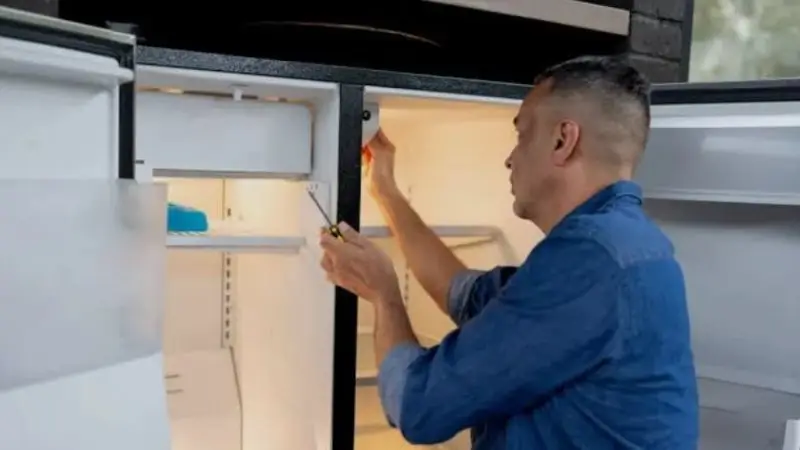
Some parts wear out faster than others because of water, heat, moving parts, or constant electricity. Knowing what usually fails helps you service and troubleshoot it more easily.
Once a component shows signs of wear, early detection can prevent a small issue from affecting the entire ice-making cycle.
Water Pump and Inlet Valve: Managing Water Flow
The water pump and inlet valve play a critical role in ensuring adequate flow of water in an παγομηχανή. The inlet valve regulates the amount of fresh water entering the machine, and the pump circulates water to either the evaporator or the distribution system. Both components can eventually be damaged by mineral buildup, seal damage, electrical faults, and normal use. Poor water circulation can result from a weak pump, and the inlet valve may fail to fill properly as well. Check these components if ice production is slow or irregular. When replacing parts, use ones that match the machine’s brand and model. This helps restore reliable water circulation and steady ice production.
Water Filters and Water Lines: Maintaining Clean Water Flow
Water lines, water filters- These are needed to supply a steady and clean water to an ice machine. Filters accumulate sediment and other impurities with time, and hence replace them as recommended by the manufacturer. Water lines may also be blocked by mineral deposits, cracks, leaks, or blockages and restrict the flow. There may be less water supply resulting in less ice, increased cycles, or fill-up problems. Before replacing the filter or line, always check the specifications and connection size of the machine. Παγομηχανή parts must be compatible and provide the correct water pressure and water quality. Maintaining these parts in proper condition can also decrease the stress on pumps, valves, and other parts of water.
Evaporator and Refrigeration Components: Supporting Ice Formation
The evaporator and refrigeration units extract heat and provide the cold environment needed to freeze water. These parts include the evaporator, compressor, condenser, refrigerant-related components, and other parts that help with cooling. Because refrigeration systems are complex, many factors can cause poor cooling. Worn-out parts, broken fans, dirty condensers, or refrigerant issues can all reduce ice production. A damaged evaporator or high concentration of minerals can also influence the formation and harvesting of ice. Properly diagnosing the machine should be done before the replacement of a refrigeration component. Use replacement parts that match the equipment specifications to ensure safe, proper operation.
Motors, Fans, and Electrical Parts: Keeping the Machine Running
Electrical components such as motors, fans, wiring and switches, relays, and other electrical components assist in running most functions within an ice machine. The fan motors circulate air within the condenser, and other motors can be used to drive pumps or mechanical elements. These parts are fed with electrical connections and controls that supply power and signals. Over time, continuous operation, heat, moisture, and normal wear can cause electrical or motor-related failures. Typical indicators include abnormal sounds, overheating, intermittent operation, or the μηχανή stopping without notice. Diagnose electrical issues carefully; don’t replace components without proper diagnosis. When replacement is necessary, match the original component’s voltage, connection type, and specifications to ensure the machine works.
Sensors, Thermostats, and Control Boards: Controlling Machine Operation
Sensors, thermostats, and control boards assist in deciding when various phases of the ice-making process need to start or stop. Temperature monitors keep track of the temperature, thermostats adjust to changes in temperature, and the control board reads the signals and triggers other systems. A malfunctioning sensor might result in inaccurate measurements, and a malfunctioning control board can impact multiple functions simultaneously. The symptoms may be premature picking, constant operation, unforeseen shutdowns, or inability to start. Since these parts tend to be model-specific, it is worth knowing the part number. Before ordering, check the machine’s documentation and find compatible replacement parts for εμπορικές παγομηχανές to avoid unnecessary replacements.
Seals, Gaskets, and Drain Components: Preventing Leaks and Water Problems
Seals, gaskets, drain lines, and other elements will contain water in and around the ice machine. Gaskets are used to provide a tight seal around the doors, fittings, pumps, and other components, whereas drain parts drain out of the machine. Seals can break or be crushed or become brittle; drain lines may become clogged or damaged. All these problems may lead to leaks, stagnant water, or poor drainage. Changing the outdated seals and damaged drain components may also serve the purpose of ensuring the safety of the adjacent parts and sanitation. When buying replacements, be sure to match the dimensions and way of connecting. This is especially important when one is seeking the source of acquiring parts of an ice machine when one has a specific model in mind.
How to Choose the Right Ice Machine Replacement Parts
Choosing a replacement part isn’t just about finding something that looks like the original. Components with varying dimensions, electrical rating, connections, and designs can be used in different ice machines.
Check the machine’s identifying information and compare it with the replacement’s specifications to avoid ordering an incompatible part.
Check the Brand, Model, and Serial Number Before Ordering
Brand, model number, and serial number are some of the most useful pieces of information to use in search of replacement parts. Ice machines can be of various types that appear alike, yet they have various parts internally. The model number is used to designate the family of equipment, and the serial number can be used to locate the correct part in a specific production range. This data is usually featured on the identification plate on the machine or product copy. Note this information and then go out to buy a replacement. In seeking to buy parts of an ice maker, the supplier can be more readily made to identify the correct part of the machine and the supplier is less likely to make an incorrect part.
Match Voltage, Size, and Specifications Carefully
Replacement parts must match the original part’s technical specifications. Electrical parts must have the correct voltage, frequency, and connection type. Mechanical components may need to fit specific dimensions, fittings, mountings, or operating requirements. Even minor variations can make a part incompatible or cause it to fail. Before buying, compare the replacement part specifications with those of the manufacturer’s part or the original part. This is especially necessary for motors, pumps, valves, sensors, control boards, and refrigeration. Close comparison helps ensure the replacement functions properly and reduces the risk of additional repairs.
Compare OEM and Aftermarket Ice Machine Parts
OEM parts are produced or distributed under the specifications of the original manufacturer, whereas aftermarket parts are produced by other manufacturers. Compatibility may be simpler with OEM components since they are made to fit specific equipment models. Resale alternatives can offer additional options or lower prices, but compatibility and quality can vary by supplier. Cross-verify the part number, specifications, warranty, and supplier information before selecting any of the options. Reliability and compatibility should be taken into account together with price in case of critical components. Understanding the difference between OEM and aftermarket ice machine components will help you choose the right option for your machine and maintenance needs.
Check Part Compatibility Before Buying
Always check compatibility before ordering, even when a replacement part seems identical to the original. Check part number, machine model, serial range, dimensions, connections, and electrical specifications where possible. Supplier listings can also show which equipment models a component is compatible with. If the information isn’t clear, you can contact the supplier or manufacturer to clarify it. This trick particularly comes in handy when I am in need of ice machine components within my local area, as there might be a number of similar parts available in the local stores. A couple of minutes to check compatibility can save time, wrong installations, and the extra expense of delivering the wrong part.
Decide Whether to Repair or Replace the Part
Whether to repair or replace an ice machine part is a decision based on the nature of the issue, the state of the part, the cost of repair, and the age of the machine. There are certain problems, like a blocked water supply or a foul condenser, that may only need cleaning or servicing. Other issues like a broken pump, broken sensor, deteriorated gasket, or bad control board might need replacement. Professional diagnosis might be suitable in the case of refrigeration or electrical problems, since improper repair might cause more problems. If a component fails repeatedly or is easy to replace at a low cost, replacement can be a more reliable solution. You also need to know how to replace ice machine parts, starting with identifying the actual cause of the failure.
How to Maintain Ice Machine Parts
Periodic maintenance helps ensure machine components perform optimally and reduces unexpected failures. Water, minerals, heat, and constant use can affect various components.
Cleaning, inspection, and replacing worn parts on time can help maintain consistent ice production and extend the machine’s lifespan.
Clean and Sanitize Water Components Regularly
Regularly wash water components since they are in direct contact with the water used to make ice. Over time, mineral deposits, dirt, or other deposits can accumulate on the reservoir, water distribution system, pump, and other surfaces. Clean and sanitize the machine according to the manufacturer’s instructions, using products approved for ice-making machines. Remove visible residue and ensure components are fully rinsed as needed during cleaning. Maintaining water-contact areas helps ensure ice quality and proper water circulation. Frequent cleaning also makes it easier to detect cracks, blockages, and other issues, and to prevent them in crucial ice machine components.
Remove Mineral and Scale Buildup From Components
Water with minerals can over time deposit on evaporators, water distribution parts, pumps, valves, and other internal surfaces. Heavy scale buildup may limit water flow and disrupt normal freezing or harvesting. The amount of buildup depends on water quality and how often the machine is used. Do not use an unsuitable chemical but rather a manufacturer-approved descaling product, and do not disregard the recommended cleaning process. Regular descaling helps ensure efficient water circulation and heat transfer. It is also able to minimize the undue stress of constantly working components. If a part builds up or becomes damaged, cleaning may not be enough, and the part may require expert inspection or replacement.
Replace Water Filters According to the Recommended Schedule
Gradually, water filters accumulate sediment and other pollutants and become less effective when saturated. A blocked or filthy filter can also limit the flow of water and influence the production of ice. Change the filter as recommended by the manufacturer based on the usage of the machine and the conditions of the water. Always choose a filter to fit your particular ice machine and water system. Make sure you have the correct model or part number and follow the replacement instructions of the manufacturer before installing. Frequent replacement of filters can assist in the proper flow of cleaner water and also prevent overgrowth of sediments and minerals in the pumps, valves, and other parts of the water.
Inspect Pumps, Fans, and Electrical Connections Regularly
Periodically, moving and electrical components, as well as their connections, must be examined to determine wear, damage, loose connections, or abnormal functioning. Inspect the water pump for leaks, abnormal sounds, or decreased water flow. Check the condenser fan and motor for dirt or restricted airflow, and have a qualified individual inspect electrical connections where necessary by checking for visible damage or looseness. Always unplug the power as per the manufacturer’s instructions before accessing electrical components that need any power. Problems can be detected early on before they lead to greater failure. By replacing commercial ice machine components when they are worn out, it is possible to achieve good performance and to minimize unanticipated downtimes.
Watch for Signs of Worn or Damaged Parts
Changes in ice production, strange noises, leaks, extended freezing, low-quality ice, or sudden failures may mean something is wrong with a component. The cause could be a worn pump, a limited water line, a dirty condenser, a broken sensor, a broken gasket, or another issue. Do not automatically replace the first component that seems suspicious, since many issues can cause similar symptoms. Test the machine’s diagnostic information and follow the manufacturer’s instructions when possible. Professional diagnosis can prevent unnecessary part replacements when the cause is unclear. By watching for these warning signs, you can spot problems early and decide what parts to replace.
Τύλιξε
Knowing the key components of an ice machine will simplify maintenance and troubleshooting a lot. Pumps, valves, evaporators, filters, sensors, fans, and control boards must work together to ensure reliable ice production. Routine cleaning, descaling, filter replacement, and regular checks can help prevent issues and extend the life cycle of the components. In case one of the parts fails, the brand, model, serial number, and technical specifications on the machine can assist in selecting a compatible part. Be it water component replacement parts or commercial ice machine replacement parts, it is essential to identify them. With proper maintenance and timely repairs, your ice machine can run more consistently and deliver reliable ice.
Συχνές Ερωτήσεις
What Are the Parts of an Ice Machine That are Replaced the most?
Examples of common replacement parts are water pumps, inlet valves, filters, water lines, sensors, gaskets, fans, and control boards. These parts might fail due to wear, mineral deposition, electrical issues, and constant use.
What Do I Do to Get the Right Ice Maker Ice Machine Part?
Identify the brand, model, serial number, original part number, dimensions, voltage, and connection type in the machine. Before buying any replacement part, compare these facts with the specifications of suppliers.
Where do I get an ice machine replacement part?
Manufacturers, authorized distributors, appliance-parts shops, and reputable online shops can sell you replacement components. It is easier to find out where to purchase ice machine parts when you have the model number of your machine.
Is it Legal to Use Aftermarket Parts in a Commercial Ice Machine?
Aftermarket components can perform if they are suitable and fit the necessary requirements of the machine. Before installing an aftermarket replacement, always ensure compatibility, dimensions, electrical ratings, part numbers, and quality of suppliers.
How Often do I need to Replace an Ice Machine Part?
Replace a part when it is dysfunctional, fails periodically, or does not work properly anymore. To prevent replacing a part that is functioning correctly, first diagnose the underlying problem.