Surgical site infections endanger patients. Cleanliness prevents these infections. Infection control guidelines should always be followed during decontamination. Do you know what happens once an instrument is used but not yet prepared for the next patient? This guide on surgical instrument cleaning covers all stages of the process, from point-of-use cleaning to storage. Moreover, differences between cleaning, disinfection, and sterilisation will be explained. Guidelines are very strict to minimise cross-contamination. The surgical instrument cleaning and sterilisation process requires compliance with procedures. Your patient’s safety depends on your commitment to safety.
Πίνακας περιεχομένων
Types of Surgical Instruments and Their Cleaning Needs
Stainless Steel Surgical Instruments
How to clean surgical instruments? Stainless Steel Surgical Instruments make up the major component of the surgical tray. These instruments are used daily. These include forceps, retractors, scissors, and needle holders. The διαδικασία καθαρισμού is carried out according to very stringent procedures. You must take immediate care of the instruments after use. This entails the immediate removal of any visible debris. Enzyme detergents work well for removing organic matter.
Συνιστάται για το έργο σας
The sterilisation process can only be successful if there is adequate cleaning. Poor cleaning of surgical instruments compromises sterilisation. Other decontamination procedures must also be followed. The process of decontamination reduces the number of bacteria on surfaces. Sterilisation remains the final objective. Always abide by the rules for all procedures involved. The infection control team ensures that you follow all the procedures. Every step reduces your risk of infections. The decontamination step should be done carefully. This involves using the right tools.
Hinged and Jointed Instruments
Hinged and jointed tools are harder to clean. Scissors, clamps, and needle holders are in this group. The joints have spaces where dirt can hide. You must open these tools while cleaning. This lets the cleaning liquid reach every surface. Cleaning these tools needs extra care. Pay close attention to the box locks.
How are surgical instruments cleaned? Blood and tissue collect there easily. Καθαριστικά με υπερήχους work well for these tools. The sound waves reach into tight spots. But you still need to clean them by hand first. This removes large debris before machine cleaning. The rules for cleaning jointed tools are clear. Check each joint after cleaning. Move the tool through its full range of motion. See if it moves smoothly.
Εγχειρίδιο έναντι αυτοματοποιημένου Surgical Instrument Cleaning
How Manual Cleaning Works
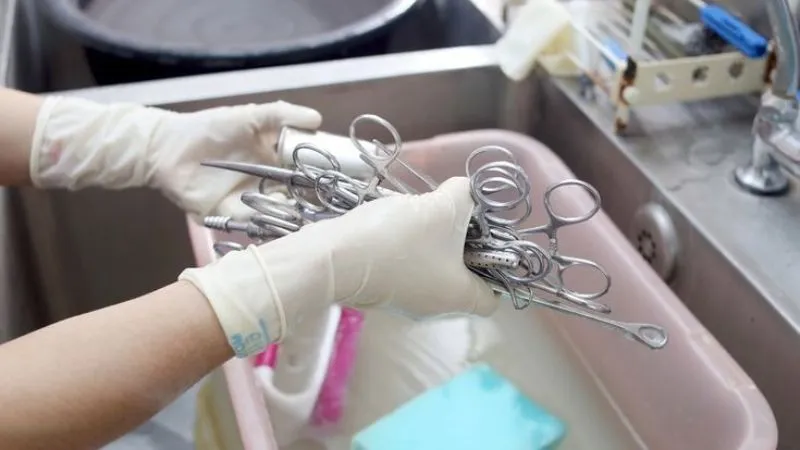
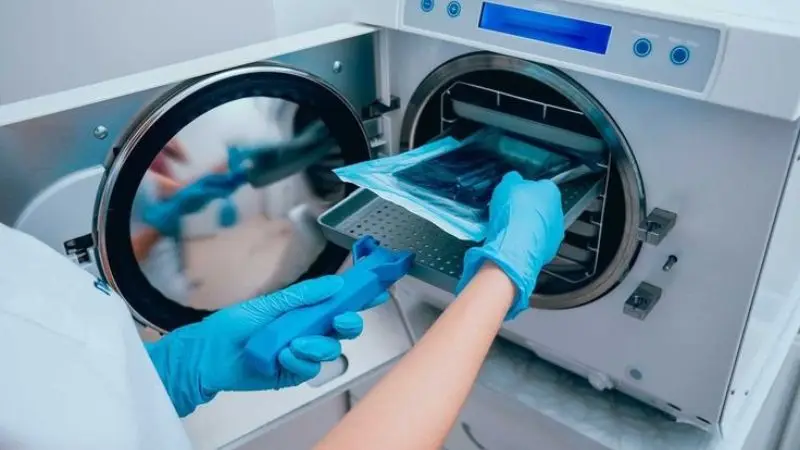
Ξεκίνα χειροκίνητος καθαρισμός at the point-of-use cleaning station. How to sterilise surgical instruments? First, rinse the instrument under cool running water. This removes blood and tissue before they dry. Then you put the tool in an enzymatic detergent solution. The enzymes break down proteins and fats well. Use a soft-bristled brush to scrub every surface. Pay extra attention to hinges, serrations, and crevices. These areas trap organic material easily. Keep the instrument below the water surface while scrubbing. This stops contaminants from becoming airborne. Rinse thoroughly with clean water after scrubbing. Inspect the instrument under bright light. Look for visible soil, stains, or damage. Repeat the surgical instrument cleaning process if you find any debris.
How to clean surgical instruments before sterilisation? Χειροκίνητος καθαρισμός needs your full attention and patience. You control the process completely. You can feel resistance or roughness that signals hidden dirt. This hands-on approach works well for delicate or complex instruments. However, manual cleaning has limits. Human error can lead to inconsistent results. You might miss small particles in tight spaces. The process also takes significant time. Your technique for χειρουργικό εργαλείο cleaning matters more than speed. Following set protocols ensures reliable outcomes.
Benefits of Automated Cleaning
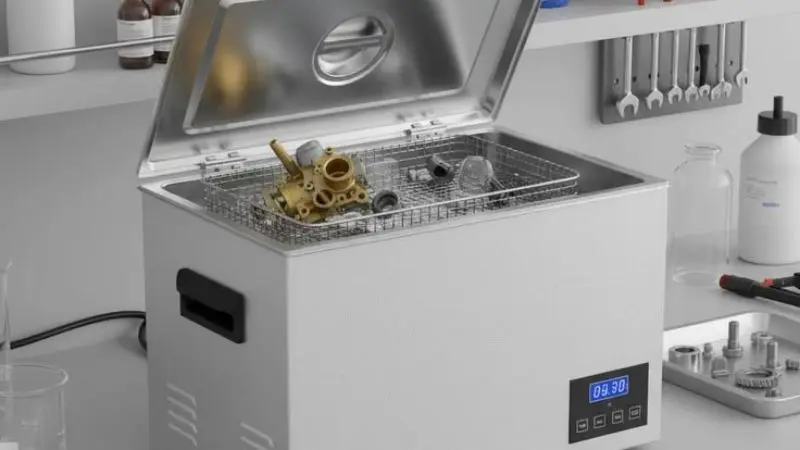
Αυτοματοποιημένα συστήματα καθαρισμού give consistent results that manual methods cannot match. You load instruments into a washer-disinfector according to manufacturer instructions. The machine runs multiple cycles automatically. Automated systems also protect you from exposure to bloodborne pathogens. You handle contaminated instruments less often. This reduction significantly lowers your risk of infection. Υπερήχων καθαρισμός is one specialised automated method. High-frequency sound waves create microscopic bubbles in the cleaning solution. These bubbles burst, removing soil from instrument surfaces. Υπερήχων καθαρισμός reaches areas that brushes cannot access.
How to disinfect surgical instruments? Box locks and hinges benefit greatly from this technology. Automated washers also provide documentation of each cycle. You can check that the parameters meet the required specifications. This traceability supports your quality assurance program. The machines use higher water temperatures than manual cleaning. These temperatures help remove proteins and reduce microbes. Αυτόματος καθαρισμός cuts processing time for large instrument sets. You can process multiple trays at once. This efficiency helps busy surgical departments keep workflow moving.
Συμπέρασμα
Cleaning of surgical instruments is at the heart of any sterilisation process. Each step in the procedure must be followed, from use-point cleaning to inspecting the item. The reasons for doing something are just as important as the actions themselves. Enzymatic cleaning liquids break down the organic matter because the sterilisation process cannot reach anything left behind. Brushes with abrasive bristles will scratch the surface and create areas that may hold contaminants.
Your dedication to safe procedures keeps your patients from contracting surgical site infections. Any decontamination decisions you make affect the entire cleaning and sterilisation process. Sticking to the guidelines guarantees proper disinfection every time. You are a patient safety protector through sterilisation procedures and methods.
Συχνές Ερωτήσεις
Why is pre-manual cleaning required before the automatic washing process?
The automatic washer cannot clean up large amounts of dried-on soil. You have to clean it manually to prevent the soil from baking onto the tool due to the hot water the machine uses.
Could I use any detergent in the cleaning process of the surgical tools?
No, you should use only enzymatic detergents intended for medical tools. This type of cleaning solution removes proteins and fats that other soaps leave behind.
How can I ensure that the instrument is cleaned thoroughly?
Look at every instrument under the light and check for any signs of dirt, water deposits, or discolouration. Make sure that instruments with hinges open freely. Any stiffness or remaining deposits indicate that the cleaning process needs to be done again.
What is the main threat associated with improper cleaning?
Lack of cleaning creates the biofilm barrier that protects microorganisms from the sterilant. Therefore, the sterilisation process will fail, leading to contamination of the tool. Thus, patient safety will be compromised, and a surgical site infection may develop.
Does automated cleaning replace the need for staff training?
No. Automated systems need skilled workers. You must load trays correctly, pick the right cycle, and do daily maintenance. Knowing the whole process ensures the equipment works properly and supports safe results.