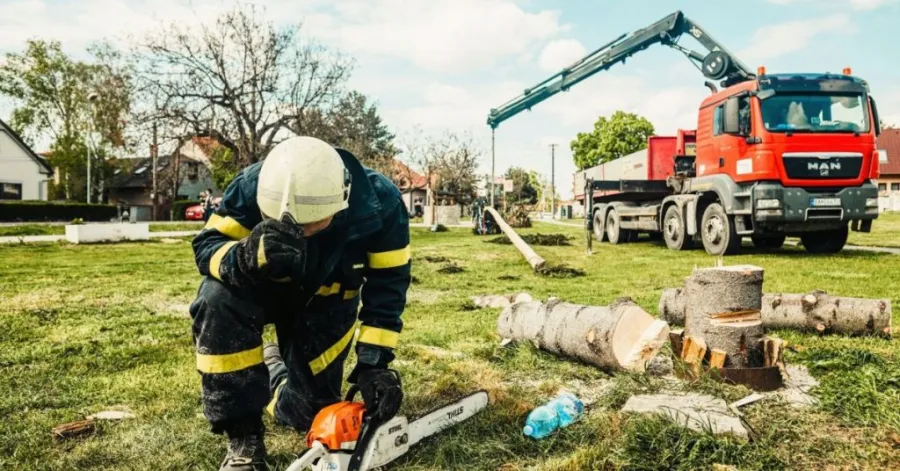
The first time you start working with a chainsaw, you may ask yourself what kind of gas a chainsaw uses. Most chainsaws do not run on plain fuel. They require a special blend of gas and two-stroke oil in order to operate. This is a very vital mix, as it keeps the engine parts lubricated and prevents damage from friction. With the right fuel mix, your chainsaw will run more efficiently, start up easily, and last longer. Poor performance or even engine failure may occur when the wrong fuel is used. This is the reason why it is always important to follow the correct mixing steps in order to use them safely and reliably.
Types of Gas a Chainsaw Uses
The gas that chainsaws use depends on the type of engine and the kind of gasoline you choose. We can simplify it, and then you can put the correct fuel in your chainsaw so it continues to run.
@tada.greenhouse VEVOR Gas Chainsaw, 25.4CC 12″ 1.2HP, Gasoline Powered Chain Saw, Handheld Cordless Petrol Chainsaws for Tree Wood Branch Cutting, Tree Trimming, Land Clearing, Farm Garden Ranch Forest Cutting Use #tiktokshopfalldealsforyou #fallfreshness #chainsaw #chainsaws #woodcutting
♬ original sound – TaDa Greenhouse
Regular vs Premium Gas
Most individuals, when making a decision about fuel, always ask what type of gas a chainsaw runs on and whether they need premium fuel. Generally, chainsaws use regular unleaded 87 octane. These engines are made to use simple fuel and do not require premium gasoline. Premium fuel is also not applicable when the manual does not clearly state that it is recommended. Regular gas is suitable and economical for everyday cutting. Ethanol-free fuel is not mandatory, though some users prefer it for a healthy engine. Generally, regular petrol is the safest option unless your chainsaw manual tells you otherwise due to special performance requirements.
Ethanol Content in Gasoline
We do have ethanol in petrol, but it can affect small engines, such as chainsaws, over time. Not all users who need to know what kind of gas a chainsaw uses are aware that ethanol can cause problems. Ethanol also draws in moisture, leading to rust in the fuel system if gasoline is stored for an excessively long time. It is also capable of ruining rubber seals and plastic. Fresh fuel that contains little or no ethanol is used to enhance the life and performance of engines. Although ethanol is beneficial in decreasing pollution, an excess of it is not optimal in chainsaws. Fresh, clean petrol will always provide a smoother run and fewer starting problems.
Two-Stroke vs Four-Stroke Chainsaws
The use of fuel is determined by chainsaw engines, and it is at this point that the question of what kind of gas a chainsaw uses comes in. The vast majority of chainsaws use two-stroke engines, and, unlike single-stroke engines, they do not have their own oil system; they use a mixture of oil and petrol. Engine safety requires the instruction on how to mix gasoline and oil to process the chainsaw to be carried out properly. One of the most common combinations is the 50:1 best fuel mix for chainsaws, which guarantees sufficient lubrication and ease of operation. The proper fuel ratio for the 2-stroke chainsaw helps prevent damage and enhance performance. Four-stroke models are not common; they use petrol and oil separately, without mixing.
Simple Explanation of Chainsaw Fuel Mix Ratios
One of the most significant aspects to be familiar with when using a chainsaw is fuel ratios. They determine how well your engine performs, how long it performs, and how safe it remains during work. Numbers such as 50:1 or 40:1 can be confusing to many users; however, they are not difficult to understand when explained properly.
It is essential to understand the meaning of these ratios and the different settings of various chainsaws before mixing fuel.
We will divide the common ratios and the way to apply them in real life.
What 50:1 and 40:1 Mean
The chainsaw fuel ratios, such as 50:1 or 40:1, indicate the ratio of petrol to oil. The former one is gasoline, and the latter one is oil. The best fuel mix for a chainsaw is a 50:1 ratio, meaning 50 parts fuel to 1 part oil. It is the most prevalent ratio in the current chainsaw generation, notably STIHL and Husqvarna. The appropriate fuel ratio for a 2-stroke chainsaw varies by model; however, today, 50:1 is common. Older or heavier chainsaws may have a 40:1 or even a 32:1 ratio to provide additional lubrication. The right combination should always be used to keep your engine running smoothly and prevent damage.
How to Check Your Chainsaw Mix Ratio
It is essential to find the proper fuel ratio and only then commence mixing fuel. Most people who want to know how to combine gasoline and oil for their chainsaw must first be aware of the ratio their machine requires. This is normally provided in the chainsaw manual, on a sticker by the fuel tank, or on the manufacturer’s website. Brands such as STIHL, Husqvarna, and Echo often recommend specific ratios, such as 50:1 or 40:1. Using the wrong ratio can cause initial difficulties, reduced performance, or engine damage. Always take a second look before filling the tank to make sure that all the time you use your chainsaw, you are operating safely and reliably.
How to Measure Oil for a 50:1 Mix
The amount of oil required is very critical when making the best fuel mix for a chainsaw, a 50:1 ratio. When the mix is incorrect, the engine can either fail to run correctly or wear out. At a 50:1 ratio, 2.6 ounces of oil should be used per 1 gallon of petrol or 50 milliliters of oil to 2.5 liters of fuel. Never pour gasoline in the tank; always pour oil first, then gasoline. Vigorously stir the mixture in the container to even out all contents. Many users who read how to mix gasoline and oil make mistakes; however, with correct measurements, they can avoid them, operate the chainsaw without problems, protect the engine, and extend the tool’s life.
How to Mix Gas for a Chainsaw

The process of mixing gas for a chainsaw is not very difficult, although it should be done with caution. The proper mix of fuel keeps your engine healthy, reduces wear and tear, and helps your chainsaw run well. Many users who ask how to mix gasoline and oil in chainsaw engines do not pay attention to minor safety measures, which may cause engine problems. Always prepare well beforehand and work in a safe environment before commencing.
What You Need Before Mixing Fuel
Before you begin, make sure you have everything ready. With the correct equipment and protection, accidents are avoided, and the process is made simple and clean.
You will need:
- Eyewear protection, such as safety glasses or goggles.
- Nitrile or rubber gloves.
- clean, approved gas can
- Fresh 87 octane gasoline
- Air-cooled engine 2-stroke oil.
- Oil bottle or measuring cup.
- Funnel (not necessary, but may be useful)
Always operate in an open area or a well-ventilated area. The fumes of gases are very powerful and, therefore, fresh air is necessary to be safe. Splashes on your hands are covered with gloves, and on your eyes with goggles.
Use the Right Fuel Container
An appropriate fuel canister is quite essential in the process of training on how to combine gasoline and oil for use in a chainsaw. It makes fuel safe, prevents leaks, and helps maintain fuel quality.
Use approved gasoline containers that are used to store and mix fuel:
- Always use a container that is designed to hold fuel.
- Avoid containers, bottles, or jars.
- Check for a tight cap and secure seal
- Seek a spout to pour easily.
There are also some fuel cans that have measurement marks and are therefore easy to mix. Proper containerization will aid in preserving fuel and minimizing safety hazards during storage and use.
How to Mix Chainsaw Fuel Properly
Correct fuel mixing of chainsaw engines is vital in optimizing engine performance and longevity. One, pour the correct amount of 2-stroke oil, typically a 50:1 ratio, into an empty and approved fuel can. Then pour new regular gasoline into the same container slowly to prevent spills and maintain an ideal balance when the fuel and oil are in the can. Close and shake it well (approximately 30 seconds) to ensure the mixture is fully mixed. This is done to maintain the correct fuel ratio of a 2-stroke chainsaw and allows the engine to run with ease, easily start, and prevents any damage due to improper mixing.
How to Store and Handle Mixed Fuel
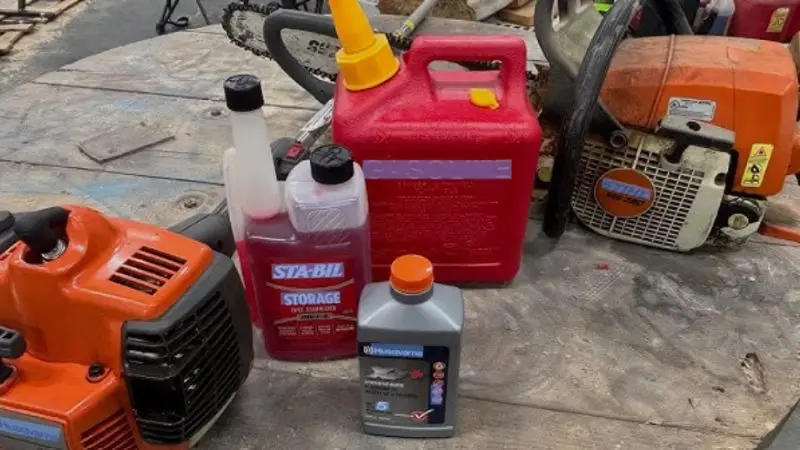
It is equally important to store mixed chainsaw fuel properly as it is to mix it correctly. Unless fuel is stored safely, it may become inappropriate, damage your engine, or even be hazardous. Using the right container, keeping it properly, and using it at the right time all help keep your chainsaw running safely.
Best Containers for Fuel Storage
The appropriate container can help maintain your mixed fuel safe, fresh, and leak-free. Containers that are used to store gasoline should always be specially designed.
The good storage containers are:
- Eagle safety gas cans
- No-Spill fuel containers
- Fuel cans were approved by Justrite.
They are designed to minimize leakage, contain fumes, and enhance safety during storage and use.
The most important things to check:
- Always put flammable liquids in containers that are designed to hold flammable liquids.
- Ensure that the cap closes well.
- Find flame-protecting features.
- Do not use bottles, jars, or random plastic containers.
Approved containers help prevent accidents and stabilize fuel. Certified gas cans are also required in most areas, particularly small portable storage units with less than five gallons.
How Long Can You Store Mixed Fuel
The mixed chainsaw fuel is not very long-lasting. After mixing oil and petrol, it must be used within a short period to have maximum performance.
- Mixed fuel normally lasts 30 days.
- Subsequently, oil and fuel can begin to separate.
- Stale fuel may result in difficulty starting and low engine efficiency.
As the fuel becomes old, it might not burn, and the chainsaw might lose power, or it may not start. For best performance, many users follow the best fuel mix for chainsaws, a 50:1 ratio to ensure the engine runs smoothly and efficiently.
Safe Ways to Store Fuel
Safe storage will help preserve your chainsaw and protect the environment. Handling will minimize risks and ensure that fuel is in good condition.
The safety procedures include:
- Store fuel in approved, labeled containers
- Store containers in a cool, well-ventilated location.
- Do not store close to heat, sparks, or flames.
- Do not store fuel around children and pets.
- Immediately clean up any spills that occur.
It is also important to properly label so you can always be aware of what mix is in the container. Do not leave the fuel open or unattended for long periods without it condensing; this may cause fumes to accumulate and become hazardous.
Important Fuel Storage Rules
Many users ask whether you can use regular petrol in a chainsaw, and the answer is yes—but only when it is properly mixed with 2-stroke oil. Using straight petrol without oil can damage the engine quickly.
The correct fuel ratio for a 2-stroke chainsaw is usually specified by the manufacturer, and it is important to follow it exactly to avoid engine wear.
Other important rules include:
- Always use certified fuel containers.
- Use a container with a capacity of less than 5 gallons for transportation or storage.
- Make sure containers have flame protection features
The rules will help minimize fire hazards and ensure the safety of fuel handling. Always handle mixed fuel with caution and do not expose too much.
Wrap-Up
When you are aware of the fundamentals, it is very easy to know what kind of gas a chainsaw uses. The trick is to be with fresh regular gasoline, the right 2-stroke oil, and the right mixing ratio as indicated in your tool manual. By observing correct fuel mixing and storage methods, your chainsaw will run more efficiently, start with ease, and last much longer. Never use old fuel, improper ratios, or careless storage practices, as they may harm the engine in the long run. With this information about the type of gas a chainsaw uses, you can now prepare, mix, and store fuel correctly to cut safely and efficiently.
FAQ
Is it possible to use car motor oil in place of chainsaw oil?
Car motor oil should not be used. Special two-stroke oil is required in chainsaw engines. Car oil may lead to damage and poor running of your chainsaw.
What will happen if I leave out mixing oil with gas?
Your chainsaw motor can fail. Lubrication of moving parts is lost without oil. You will be required to do costly repairs or purchase a new chainsaw.
What do I do to know whether my chainsaw has a two-stroke or four-stroke engine?
Refer to your chainsaw instructions or find a second oil tank. Most chainsaws have two-stroke engines. The four-stroke models contain separate oil and gas tanks.
Is it okay to use old gasoline in my chainsaw?
Stale gasoline may cause starting problems and damage your engine. Always use fresh gas. When you notice fuel is cloudy or smells like something is wrong, change it.
Is it possible to use any type of plastic to store mixed fuel?
You must use authorized fuel containers. Ordinary plastic bottles are capable of breaking and leaking. Find gasoline containers.