You will come across the phrase “concrete core drilling” in the process of conducting construction projects. In this process, you will be required to create round holes in concrete with the aid of coring machines, which enable you to install piping, wiring, and even test the strength of a particular structure. Learning about concrete core drilling is essential because it enables you to choose the right options for your building requirements. You will discover that the procedure is simple and that the right drilling equipment is essential.
Table of Contents
What Is Concrete Core Drilling?
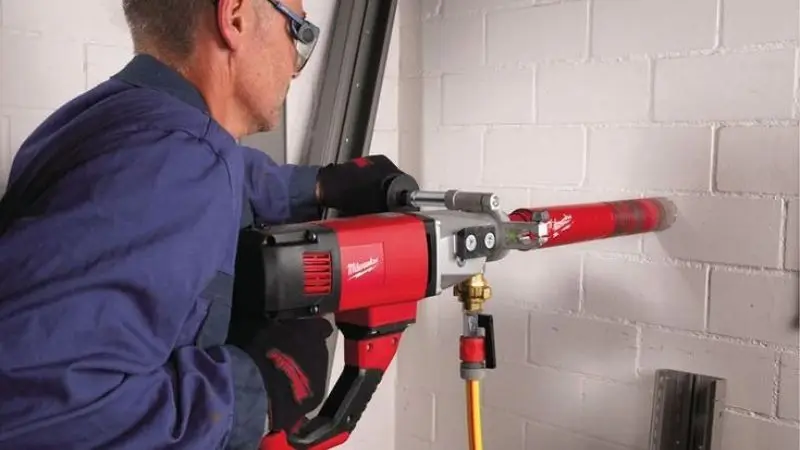
Definition of Concrete Core Drilling
Concrete core drilling becomes useful when you require a neat round hole drilled into a tough surface. In this procedure, you will be required to remove a cylinder of material known as “core” from concrete or any other tough surfaces. You will encounter concrete core drilling in construction projects where workers drill to allow room for piping, wiring, and strength testing of the particular structure.
Why Is It Called Core Drilling?
It is referred to as core drilling because the drilling device makes a cylindrical hole and removes the center part. This removed cylinder is the core that can be examined. In cases where there is a need to clear up an area to fit a pipe or cable in place, concrete coring comes in handy. This type of drilling is called diamond core drilling, using a diamond-tipped drill that cuts through hard surfaces effortlessly.
Materials That Can Be Core Drilled
What is concrete core drilling? The materials on which concrete coring can be performed include:
- Reinforced concrete
- Brick
- Stone
- Asphalt
- Masonry blocks
Concrete core drilling will be very handy in many instances. These instances include plumbing and electrical line installation. Concrete core drilling can also be used to test the strength of bridges or roads.
How Does Concrete Core Drilling Work?
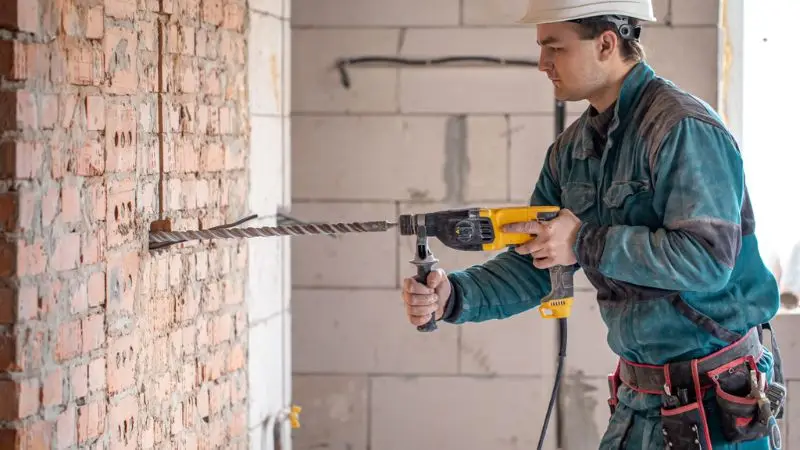
The Equipment Used for Core Drilling
You need the right concrete core drilling equipment. The main tool is a concrete core drill rig. This machine holds the drill steady and helps you make straight, clean holes. You also use core drill bits. These bits have a hollow, round shape and often contain diamond tips. The diamond tips cut through tough materials like concrete and stone. You can find different sizes of core drill bits for making small or large cylindrical holes. Some jobs use handheld drills, but larger projects need a mounted rig for better control.
Step-by-Step Core Drilling Process
You can follow these steps to complete a concrete core drilling process:
- Mark the spot where you want to drill.
- Set up the concrete core drill rig or handheld drill.
- Attach the right size core drill bit.
- Secure the drill so it does not move.
- Start the drill at a slow speed to make a guide hole.
- Increase the speed and let the bit cut through the material.
- Use steady pressure and keep the drill straight.
- Remove the core once the bit passes through.
Always wear safety gear during concrete coring. This includes goggles, gloves, and ear protection.
Why Water Is Used During Core Drilling
Water plays a big role in many drilling methods. You use water to cool the core drill bits and reduce dust. Water also helps the bit last longer and keeps the work area clean. Some drilling methods use dry bits, but wet drilling works best for most concrete coring jobs. Wet drilling gives you smoother holes and less mess. You can see the difference when you compare wet and dry drilling methods.
What Are the Different Types of Concrete Core Drilling?
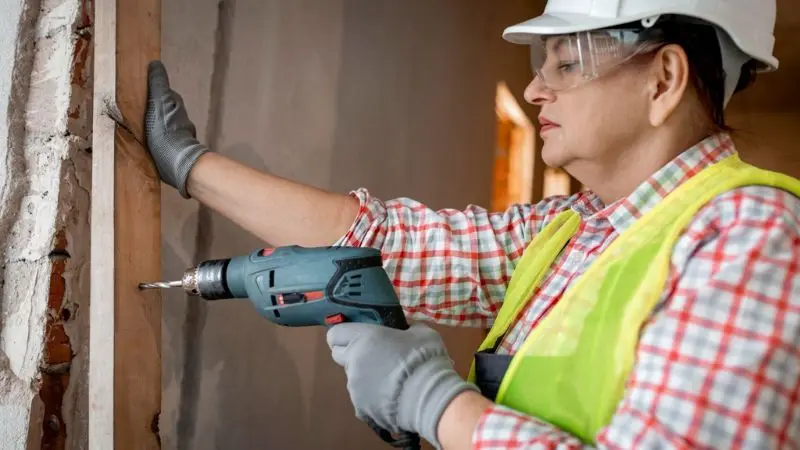
When you look at concrete coring, you will find several types of core drilling. Each type fits different jobs and situations. You can choose the best method based on your project needs.
Handheld Core Drilling
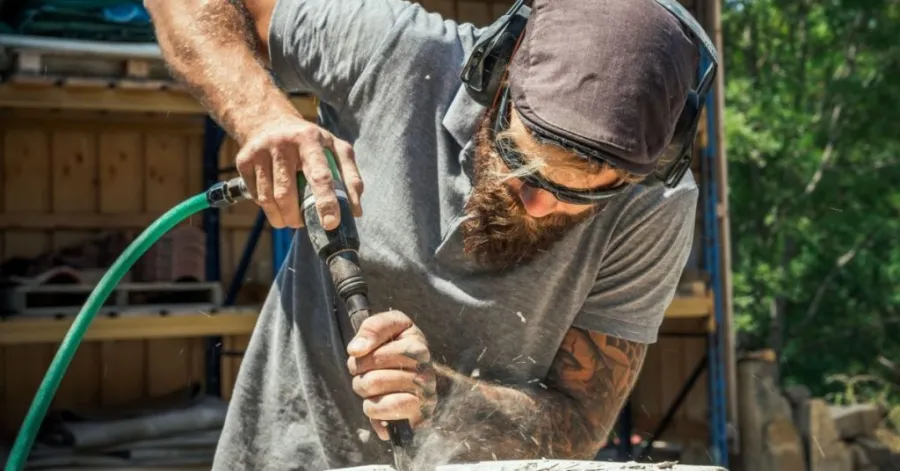
Another concrete coring technique you may use is handheld core drilling. This drilling method is suitable for small and tight spaces. It is perfect for situations when you have to move around fast. As the name suggests, handheld drills are lightweight and easy to carry because you hold them in your hands. They are ideal for quick and routine jobs such as drilling holes into walls for cabling and plumbing. For concrete coring in an area where a heavy machine cannot fit, handheld core drilling is what you need.
Rig-Mounted Core Drilling
If your project requires a heavy machine or you want to make large holes, rig-mounted core drilling is for you. In the rig-mounted core drilling method, you attach the drill to a sturdy stand or concrete core drilling machine. This means that you will have more power and precision in drilling holes. It is ideal for drilling larger holes or through thick concrete. This kind of concrete coring is common in the construction industry where workers must drill large holes into walls and structures.
Wet Core Drilling
Wet core drilling uses water to cool the drill bit and reduce dust. You spray water on the area while drilling. This method helps the bit last longer and keeps the work area clean. Wet drilling gives you smooth holes and less mess. You often use wet core drilling when cutting concrete in buildings or roads. Water also helps prevent the drill from overheating.
Dry Core Drilling
Dry concrete core drilling techniques do not use water. You use this method when water might damage the area or when you need to keep things dry. Dry drilling works best for softer materials or when you drill in places where water is not allowed. You may see dry core drilling in older buildings or when working indoors. You need to use special bits that handle heat well.
Common Uses of Concrete Core Drilling
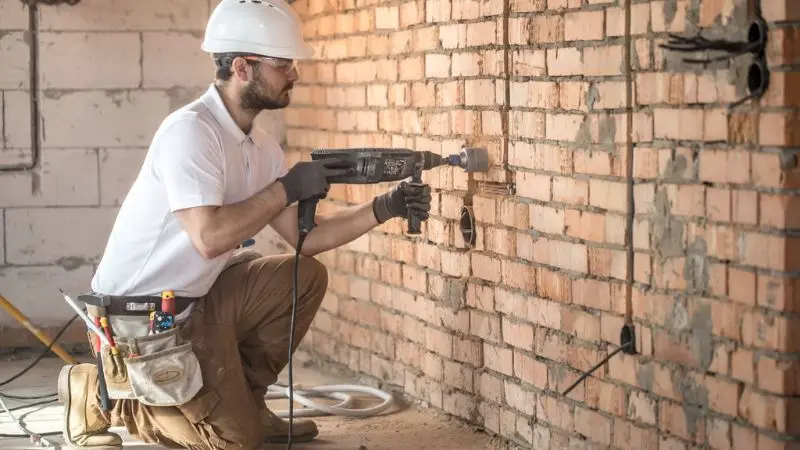
Installing Plumbing Pipes
You often need to run pipes through concrete walls or floors. Core drilling helps you create perfect holes for plumbing installations. You can make space for water lines, drains, or waste pipes without damaging the surrounding structure. This method keeps your work area neat and reduces the risk of cracks.
Electrical and Cable Installations
You may need to install electrical wires or data cables in a building. Core drilling lets you create clean openings for these lines. You can pull cables through walls, ceilings, or floors with ease. This process helps you avoid messy breakage and keeps your project safe.
HVAC Duct Openings
Heating, ventilation, and air conditioning systems need large, round holes for ducts. You can use core drilling to make these openings in concrete. This method gives you smooth edges and the right size every time. You save time and reduce the chance of mistakes.
Structural Testing
Perhaps you want to test the strength of a building or the road. Core samples can be used to test the quality of the concrete. During the drilling, you retain the integrity of the core sample. This means the core remains intact, which is important to ensure accurate results. Sample integrity is important in ensuring the safety of structures by engineers.
Road and Bridge Construction
Concrete core sampling for plumbing is used in road and bridge construction. This involves drilling to obtain samples. It helps you determine the thickness and quality of the concrete material. Sample integrity ensures that the results of your tests are valid. This is useful in planning road repair work.
Conclusion
You have seen how you can create clean holes in concrete for conduits, wires, and tests. You learned the tools and procedure of the process. The paper has shown you the situations where wet and dry drilling are used. You have also seen where this is done in real-life situations.
FAQ
How far down can I drill using a concrete core drill?
How deep you drill depends on how long your concrete core bit is. Regular core bits can go up to 24 inches deep into the concrete. To make deeper holes, you can use extension rods.
Is there noise generated when using a concrete core drill?
You will generate some amount of noise. However, wet core drilling generates less noise than dry core drilling.
Will a concrete core drilling project require any permits?
You might need to obtain permits for bigger projects, or even in cases where you are working on public property. Always make sure that you are aware of any applicable laws in your area.
Can a concrete core drill drill through reinforced concrete?
Yes, you can drill into reinforced concrete. Diamond-tipped concrete core bits will cut through the concrete and steel reinforcement bars.