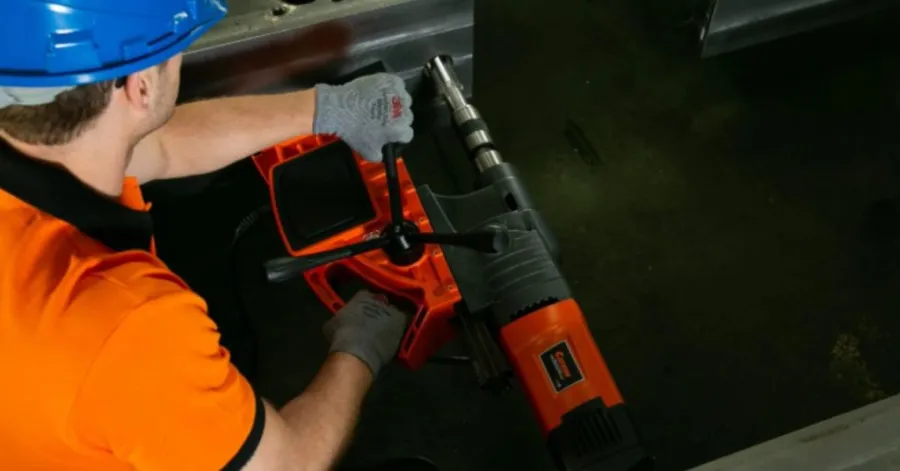
The secret of clean, specific holes in the hardest materials is core drilling. But what is core drilling, and why is it so important in construction? It is a special process that produces ideal holes in concrete, rock, and masonry without destroying the surrounding structure. While core drilling is commonly used for concrete and masonry applications, a magnetic drill is often preferred for creating accurate holes in structural steel and metal surfaces. Knowledge of core drilling helps save time and effort and improves precision in all projects. Core drilling is a quick, clean, and dependable procedure that must be performed with the proper tools and methods to enable modern construction.
What Is Core Drilling?
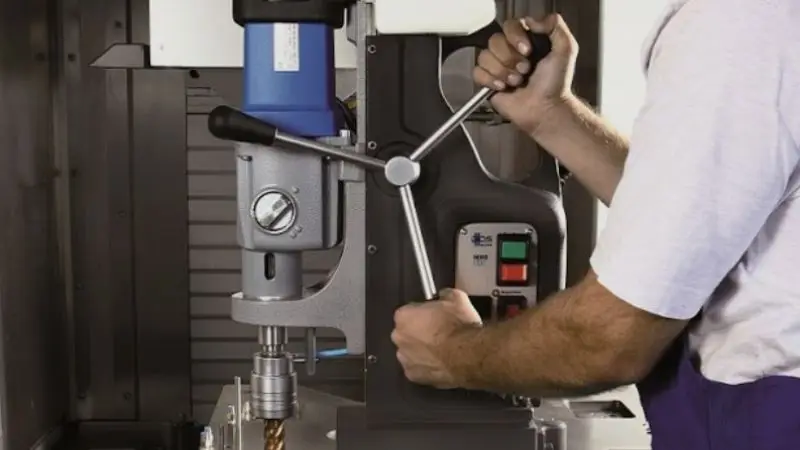
Core drilling represents an important tool of construction, engineering, and geological work. It helps to make clean and precise holes in hard materials without ruining the sample under drill. To understand why core drilling is frequently used in testing and installation, it can help to know what core drilling is.
The core drilling, whether it is a construction project, road project, or geological survey, can give accurate results with minimum impact on the surrounding area. The process is relied upon because it is accurate, efficient, and capable of working with tough materials.
What Is Core Drilling and How Does It Work?
In order to learn what core drilling is in construction, you need to be aware of how it works. Core drilling is a technique of producing perfectly round holes in hard materials like concrete, rock, asphalt, and masonry. It involves a specialized drill that is mounted with a hollow cylindrical bit that removes a solid portion of material referred to as a core sample. This sample can then be examined to assess the material’s condition, composition, or strength.
The method is typically adopted in construction and engineering undertakings where accuracy is crucial. It is also significant to geological studies as it enables professionals to examine the underground layers without causing a lot of destruction. Core drilling provides clean access holes without damaging valuable material samples for testing and analysis.
Core Drilling vs Regular Drilling: What Is the Difference?
The question that comes to the mind of many people is: what is the difference between core drilling in concrete work and conventional drilling methods? Traditional exercises use solid bits that slice and cut material into tiny particles that create a significant portion of dust and garbage. In contrast, core drilling utilizes a hollow bit that cuts around the material and removes a solid cylindrical core.
The method provides cleaner and more accurate holes with minimal vibrations and disturbance to the surrounding structure. The extracted core remains intact so that it can be inspected or tested in case of necessity. The core drilling is also a favorite option in cases where the project demands the use of specific openings to accommodate utilities, structural measures, or tests of materials. It is a handy piece of modern construction work, being less messy and more precise in its construction.
What Materials Can Be Core Drilled?
Core drilling is used to bore through numerous hard, durable materials. The most used surfaces are concrete, asphalt, rock, and masonry. These are commonly used in buildings, roads, bridges, and other infrastructure projects that require precise openings.
Plumbing and electrical pipe core drilling is one of the most widespread uses, as it enables the contractor to drill the exact line without damaging surrounding buildings. It is also used to test soil and rock conditions prior to commencing construction. Moreover, when dealing with particularly hard materials, the same professionals can rely on diamond core drilling because diamond-tipped drill bits offer excellent cutting performance and longevity. This versatility makes core drilling an essential part of many industrial and construction projects.
What is the Working Process of Core Drilling?
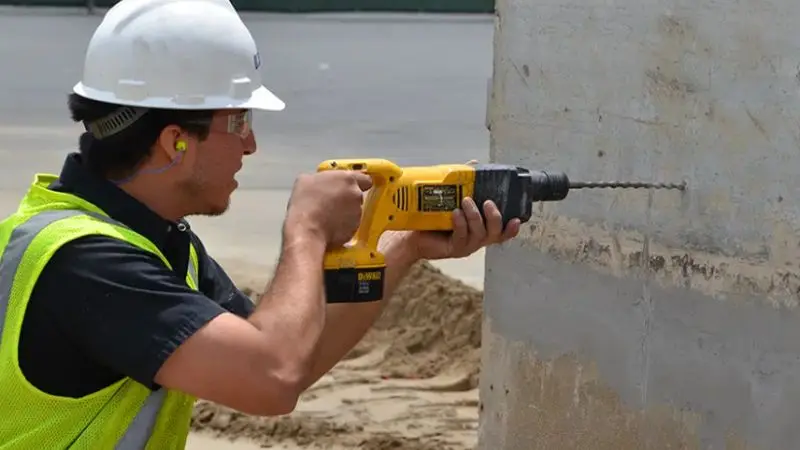
Knowledge of the drilling process will make you realize why core drilling is popular in construction and engineering works. The technique aims to produce clean, precise holes and reduce damage to the surrounding material.
When the question of how core drilling works in concrete arises, it is simple, but it needs specialized equipment and correct techniques to get the best results.
Step-by-Step Core Drilling Process
A step-by-step core drilling process begins by determining and marking the precise position of the required hole. Once the position is confirmed, the core drilling machine is firmly installed to ensure stability during operation. The operator can then choose the right drill bit depending on the material being drilled.
When the machine is prepared, the drill is then lowered slowly onto the surface. As the bit spins, it slices through the material and scrapes off a cylindrical piece called a core sample. The drilling continues until the desired depth is reached. Once completed, the core sample is carefully removed and inspected. This procedure produces accurate apertures and enables experts to assess the content where necessary.
Why Diamond Core Drill Bits Are Used
Diamond drill bits are important in core drilling projects in the modern world. The question that most people ask is the material to which diamond core drilling can be applied, especially when it comes to hard construction materials. Diamond bits are used in special purposes, which cut hardened surfaces like concrete, reinforced concrete, rock, and masonry.
Small industrial diamonds form the cutting edge, and they make the drill bit highly efficient and durable. These bits create smoother holes and minimize vibration, and improve drilling precision. Diamond core drill bits allow the contractor to achieve their projects in a shorter time without a compromise in quality, given that they can cut through hard materials. They can be considered the most appropriate in case of professional core drilling work because of their strength and reliability.
Wet Core Drilling vs Dry Core Drilling
Core drilling may be done using either wet or dry drilling techniques, depending on the project requirements. Wet core drilling involves the constant flow of water in the drilling. The water lowers the temperature of the drill bit, minimizes friction, and helps to manage dust. Concrete, stone, and other dense materials are usually formed using this method.
Dry core drilling, on the other hand, does not require water. It is frequently employed in light use or in places where water is not safe to use. Although dry drilling is appropriate in some operations, wet drilling is more effective in cooling and the longevity of the drill bit. The decision to use the appropriate method hinges on the material, workplace conditions, and the project’s objectives.
Types of Core Drilling Techniques Used in Construction
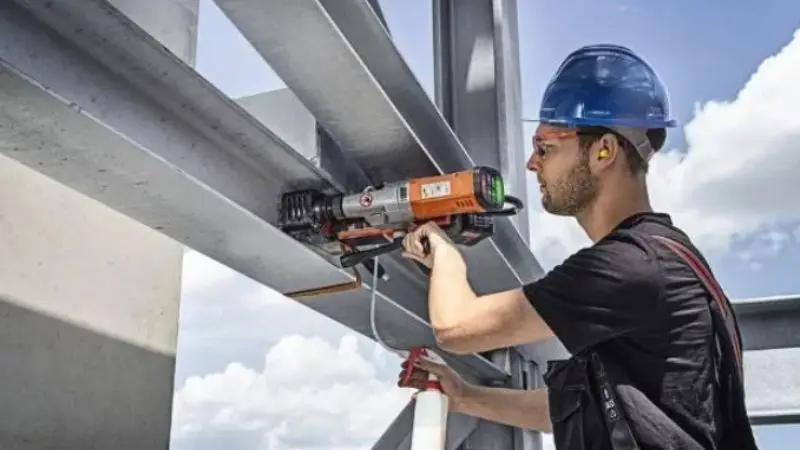
To have a clear understanding of core drilling in building, it is also important to know that different procedures are used, depending on the nature of the job and the material. Core drilling is not a unitary way but a range of techniques that seek flexibility, precision, and effectiveness in different working conditions.
The techniques are typical of construction, highway construction, and utility installations, where accuracy is essential, especially in understanding the process of core drilling in concrete environments.
Handheld Core Drilling for Small and Flexible Work
Handheld core drilling is used in small and simple jobs that do not involve the use of full machinery. The operator of this method picks up the drill and points it to the exact point to be drilled. It is typically used on walls, floors, and tiny concrete elements.
It is used in light construction and reconstruction, where one has to deal with flexibility. It will allow employees to move freely around the tight spots and corners. It is also used in core drilling of plumbing and electrical pipes in many applications where a few pits are to be made to provide service lines to building lines.
Rig-Mounted Core Drilling for Strong and Accurate Results
Rig-mounted core drilling is done using a machine that is mounted on a stable stand. To avoid movement, the rig is firmly clamped to the surface and then drilled. This design enables the operator to make deep and straight holes with great precision.
This is largely applied in bigger construction works, where accuracy is paramount. This method is especially efficient when using reinforcement of concrete, rock, or masonry. Knowledge of this technique also aids in explaining core drilling in professional construction settings, where stability and precision are crucial.
Wireline Core Drilling for Deep Ground Exploration
Deep underground sampling is primarily done using wireline core drilling. A special drilling tool is lowered into the borehole on a wire system that retrieves the core sample without halting the drilling process.
It is a method usually applied to geological and mining research to analyze the underground layers. It enables the professionals to retrieve clean and intact samples in deep places. This technique is also quite suitable when examining soil and rock formations before undertaking large-scale building.
Industrial Core Drilling Systems for Heavy Construction Work
Industrial core drilling systems are designed to meet the needs of large, demanding projects. These machines can drill through thick concrete structures, highways, bridges, and large masonry. On industrial job sites, a magnetic drill is often used alongside other drilling equipment when precise holes are needed in structural steel components.
They find extensive application in infrastructure development where high speed and strength are needed. These systems are based on high-technology tools, such as diamond-tipped tools, which are used in diamond core drilling for heavy-duty applications.
Industrial drilling is a major activity on large construction sites, where it helps create precise openings and facilitates installation. It also makes it efficient in undertaking the step-by-step core drilling process at a large scale.
Equipment Used in Core Drilling Work
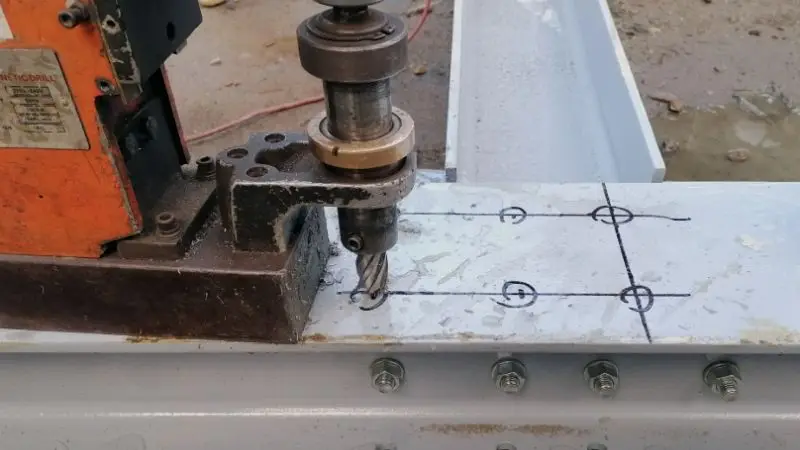
It is also necessary to know the equipment used in the process to have a proper understanding of what core drilling is. Core drilling involves specialized machines and tools that produce precise, clean, and safe cores in hard materials such as concrete and rock. All the tools serve a specific purpose in ensuring the drilling process is efficient and controlled.
The tools are mostly used on construction sites, road developments, and utility installations where precision work is required.
Core Drill Machines for Accurate Hole Making
The primary equipment in the process of drilling is the core drill machines. They are machines that make precise holes in hard materials at controlled depth and speed. They are widely used in both small and large construction projects.
Small machines are used for light work, whereas heavy-duty rigs are used for large-scale projects. The machine is mounted on the identified location, and the process of drilling is initiated with controlled drilling. The setup effectively ensures accuracy and stability during the step-by-step core drilling process. It also forms a crucial component of learning the mechanics of core drilling in real-life settings, with high levels of precision being paramount.
Diamond-Tipped Drill Bits for Cutting Hard Materials
Diamond-tipped drill bits are some of the most important drilling tools in core drilling. What is unique about these bits is that they are designed to cut hard surfaces such as concrete, rock, and masonry. This is a direct connection back to the intention of diamond core drilling since the edges of the diamond provide it with the capability to cut in a heavy way.
The diamond coating is more durable, keeping the bit sharp and allowing for smoother holes. It also enhances the speed of drilling and minimizes the material damage. These bits are highly versatile since they can be changed to fit the diameter of the hole required and, therefore, can be utilized in numerous construction applications.
Water Cooling Systems for Safe and Smooth Drilling
The drill bit is cooled with the help of water supply systems. The friction in drilling often generates a lot of heat, and water helps regulate it. This cooling is required both in terms of performance and safety.
Water also helps reduce dust and keeps the work area clean. It also eliminates overheating of the drill bit and prolongs its life. Basic hose or a complex built-in system, cooling tools are essential to enhance efficiency and safe working conditions.
Safety Gear for Protection During Core Drilling
All core drilling will need safety equipment. In order to protect themselves, workers use goggles, gloves, helmets, and ear protection at work. Dust masks are also needed during dry drilling to avoid inhalation of fine particles.
This safety gear offers defense against falling debris, loud sounds, and inadvertent exposure to machinery. The application of safety tools is one of the key elements of professional drilling and is especially essential in situations involving core drilling to lay plumbing and electrical pipes, since the working process is often performed in a tight or delicate area.
In all drilling environments, safety is always a consideration to ensure the process is smooth and controlled.
Applications of Core Drilling in Construction and Engineering
To get a complete picture of what should be core drilling, one should consider where and how it has been utilized in actual projects. Core drilling is a significant aspect of construction, engineering, mining, and utility work. It enables practitioners to make accurate openings and collect material samples without damaging adjacent buildings. While core drilling is commonly used for concrete and masonry, a magnetic drill is often chosen to drill clean, accurate holes in steel frameworks and other metal structures.
Core drilling aids safe and precise work in most industries, whether in buildings or roads, and underground exploration.
Core Drilling in Construction and Infrastructure Projects
Drilling is popular in infrastructure development and its construction. It helps the worker to make holes to secure the bolts of anchoring, dowels, and structural elements. It is also used to analyze the foundations and the strength of the concrete or rock before or during the construction.
This operation is directly connected with the so-called core drilling in construction, as this operation allows engineers to test materials as well as to guarantee the safety of structures. With the help of core samples, professionals can analyze the quality and strength of the materials employed in buildings and other constructions as the base materials.
Core Drilling for Electrical and Plumbing Installations
Installing electrical and plumbing systems in modern buildings is very important and requires core drilling. It enables electricians and plumbers to provide clean and precise holes in walls, floors, and ceilings for pipes, wires, and conduits.
This technique is utilized in new construction and renovation works. It is particularly handy for drilling the cores of plumbing and electrical pipes, as it helps create smooth pathways without damaging the structure. The procedure ensures that buildings are sound and have a safe installation of necessary systems to do so.
Core Drilling in Mining and Geological Exploration
Core drilling is an important aspect of mining and geological research. It also helps scientists to collect samples from deep levels of the earth to analyze rock structures and mineral composition.
The method allows geologists to understand clearly the structures of the ground, as well as to find valuable resources. It is widely used in mining projects as well as the assessment of land before enormous digging. Core drilling is an excellent source of reliable data that is used to make informed and safe judgments in the exploration activity.
Core Drilling in Road and Bridge Construction
Roads and bridges need to have solid and consistent foundations. These projects are tested and inspected by core drilling of the ground and structural materials that are used. It helps identify weak areas and provides long-term durability.
The workers are able to bore through asphalt and concrete in order to test internal conditions. This will be necessary to maintain safety standards and enhance infrastructure quality. It is also used to aid engineers in repairing and reinforcing existing structures when necessary.
Core Drilling for HVAC and Utility Access Points
Core drilling is usually used to make openings to the HVAC systems, utility installations, etc. It allows technicians to install vents, ducts, cables, and pipes precisely and in controlled circumstances. In the event that utility systems need to be installed using steel supports or metal frames, a magnetic drill may be utilized to drill mounting and access holes very precisely.
This is to create clean, accurate holes without damaging neighboring structures. Contemporary buildings are associated with it being a popular construction choice, since it allows the installation of all necessary systems and building integrity easily. It is also related in most instances to what diamond core drilling is used in, and where hard construction materials that need precise cutting are used.
Wrap Up
Core drilling is a crucial process that is utilized in construction, engineering, and geological tasks. It assists in making accurate holes in hard materials such as concrete, rock, and masonry, and also enables professionals to gather valuable core samples. In electrical and plumbing installations, road, bridge, and mining works, core drilling guarantees precision, safety, and efficiency. The process is more efficient in different tasks with the help of various tools and methods, including diamond-tipped bits and rig-mounted machines. In general, learning about core drilling will underscore the significance of this practice in the contemporary construction sphere and its role in creating robust, secure, and well-thought-out infrastructure across industries.
FAQ
What is the safety equipment you need in core drilling?
You need protective gloves, goggles, and ear covers. Use a dust mask when dry drilling. The use of protective equipment will prevent injury due to debris or noise.
Is there any surface on which you can core drill?
Concrete, asphalt, rock, and masonry can be core drilled. It is important to check the material at all times. Some surfaces may require special drill bits.
Which type of core drilling is the best one, wet or dry core?
Concrete is a hard substance that is best drilled wet. Dry drilling is applicable to the weaker materials or where water is not available.