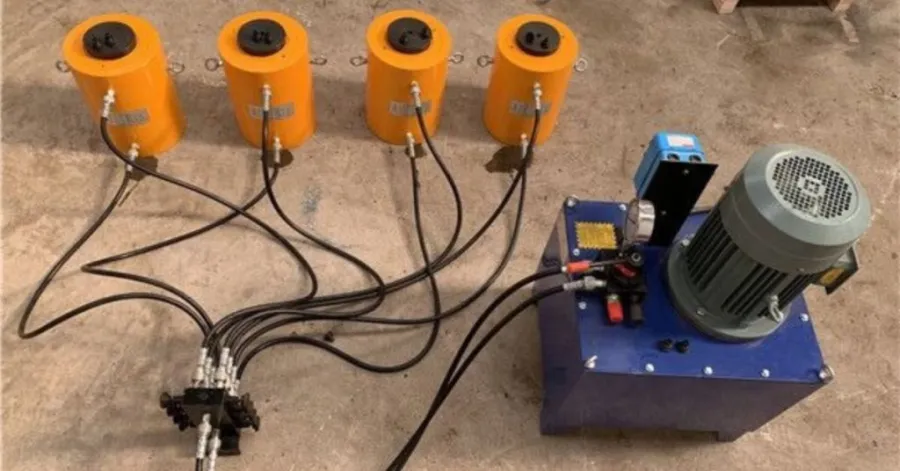
Hydraulic systems are powered by a hydraulic pump that drives pressurized fluid, mostly oil, in a closed system. How do you think a small lever on a forklift can lift a car? It all has to do with the power of pressurized fluids. That’s where hydraulics comes in. It has to do with a fundamental law of physics, Pascal’s Law, and some basic hydraulic components. In a hydraulic pump system, a pump provides the pressure that drives the oil. But what powers hydraulics? It depends on the pump and the oil itself.
Table of Contents
What Are Hydraulics Powered By?
The Basic Power Source Behind Hydraulic Systems
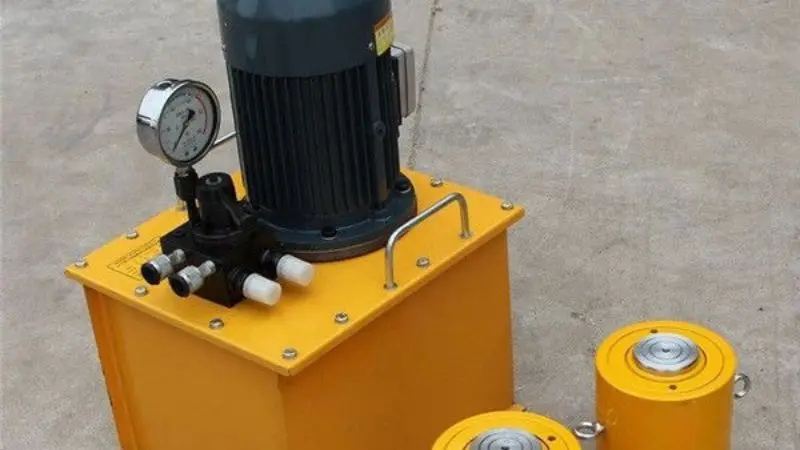
What are hydraulic systems powered by? You might wonder what makes hydraulics work when you see a backhoe lift tons of dirt. It starts with a prime mover. A prime mover is an electric motor or a gas engine. That motor turns a mechanical power source. The pump forces oil through the system. The oil moves energy from one place to another. Think of the pump as the machine’s heart. The oil is like blood flowing through pipes.
Recommended For Your Project
The real work begins when the oil reaches an actuator. An actuator can be a cylinder or a motor. The oil pushes against a piston inside the cylinder. This movement creates mechanical force. So, what makes hydraulics work in practice? You have a chain of energy transfer. The prime mover spins the hydraulic pump. The hydraulic ram converts mechanical energy into fluid flow. When the fluid hits resistance, it makes pressure. That pressure does the heavy lifting you see on job sites.
Why Hydraulic Oil Is Commonly Used
You might wonder why builders choose oil rather than water or air. Oil provides several advantages when building a hydraulic system. First, oil does not corrode metals. Water can cause corrosion in pipes and cylinders. Second, oil lubricates moving parts, reducing wear and extending equipment service life. Finally, oil cannot be compressed easily, unlike water and air, which would waste energy.
What powers hydraulic systems? Temperature stability is another important factor in choosing oil. Oil is quite stable across different temperatures, i.e., it does not evaporate at high temperatures or freeze at low temperatures. Such reliability makes oil a common hydraulic fluid for large machines. Most modern hydraulic fluids contain additives. Additives provide antifoaming, antirust, and seal protection.
How Does a Hydraulic System Create Power?
The Role of the Hydraulic Pump
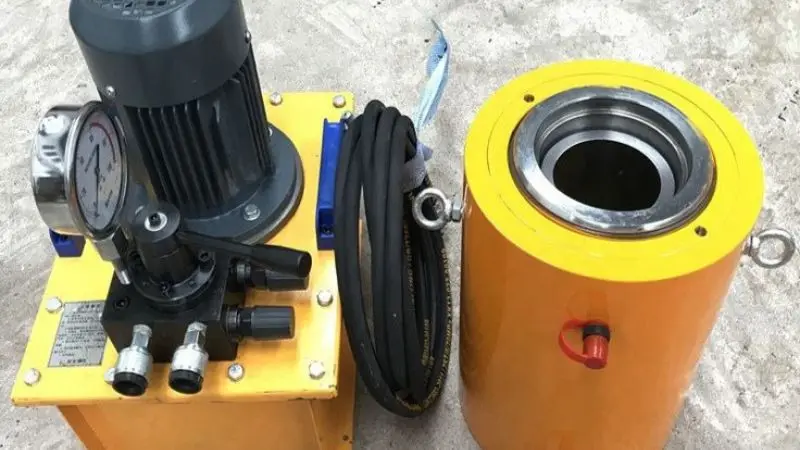
This part starts the energy chain. It takes spinning force from a turning shaft and changes it into hydraulic energy. This change happens when the part moves fluid from a tank into the pipes. The part creates movement in the oil called flow. Pressure appears only when the movement hits resistance. Think of a garden hose with water flowing freely from an open nozzle.
What are hydraulic systems powered by? Put your thumb over the opening to create resistance. That resistance builds force behind your thumb. The same idea works inside a hydraulic circuit. The part pushes hydraulic oil through hoses and valves to a hydraulic cylinder holding a load. The load pushes back against the part. This resistance turns the movement into usable hydraulic force that grows with the load. This force moves the load. Without this part, you have no movement or power. This part makes everything work.
What Powers the Hydraulic Pump?
A prime mover is required to drive the part under discussion. The prime mover is mounted on the part’s shaft and provides the rotational force to drive it. Two types of prime movers can be used. The first is an electric motor that runs on grid electricity or batteries. Such prime movers are used on stationary machinery.
They are environmentally friendly and are quite silent when operating. The second is an internal combustion engine that uses either diesel or gasoline. They are used on mobile machinery such as excavators and tractors. These prime movers deliver high torque at lower speeds, which helps the pump develop hydraulic power quickly. What drives the hydraulic system? It depends upon the requirement.
What Are the Main Components of a Hydraulic System?
Hydraulic Fluid
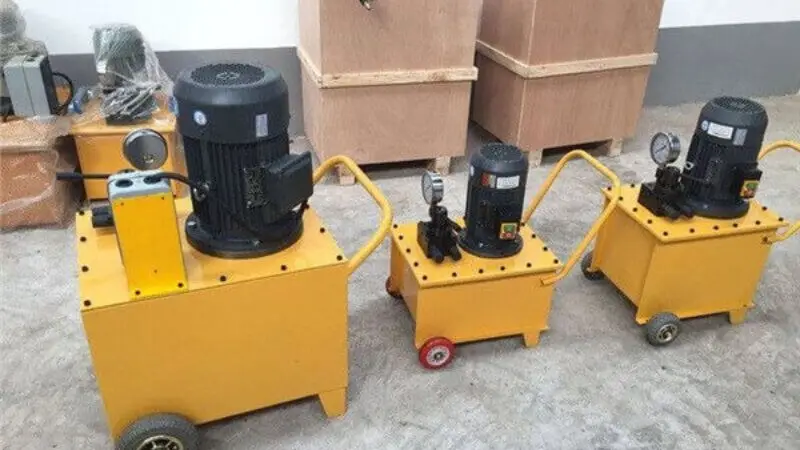
The hydraulic fluid acts like the lifeblood of every hydraulic circuit. Think of it as the carrier that moves power from one part to another. This special oil travels through hoses and metal lines, sending energy wherever the machine needs it. Without this fluid, your hydraulic system could not send force from the mechanical power source to the working parts.
What powers a hydraulic pump? You need to know why this fluid is so important. The fluid greases moving parts inside hydraulic pumps and hydraulic cylinders. It also pulls heat away from spots where parts rub together. Most hydraulic fluids contain additives that prevent foaming and protect against rust. These additives keep the system running smoothly even under heavy loads. When you choose the right fluid for your equipment, you help every part of the circuit last longer.
Hydraulic Pump
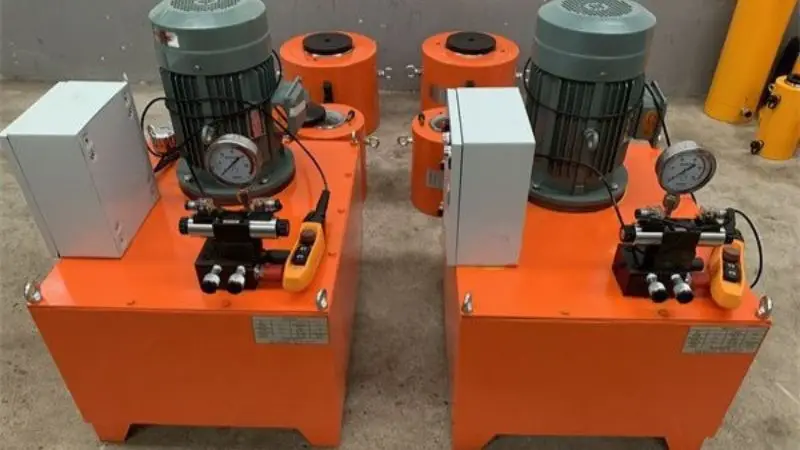
What is a hydraulic pump powered by? The hydraulic pump is the heart of the hydraulic system. This part creates flow by moving fluid from the reservoir into the pipes. You will see several types of hydraulic pumps, such as gear, vane, and piston pumps. Each type fits different pressure needs and flow rates. The pump changes mechanical energy from a spinning shaft into hydraulic energy that moves the fluid.
The pump does not create pressure on its own. Pressure appears only when the fluid hits resistance. Imagine pushing water through a narrow pipe. The liquid pump just moves the fluid, and the load creates the pressure you measure. A relief valve protects the system from excessive pressure. This valve opens when pressure exceeds safe limits, allowing fluid to return to the tank. You also need control valves to guide the flow where you want it.
What Types of Energy Can Power Hydraulic Systems?
Electric-Powered Hydraulic Systems
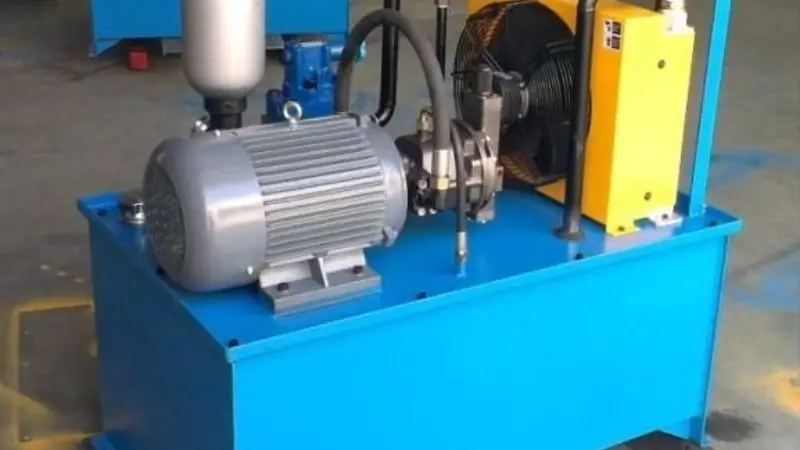
Electric motors serve as the main power source for a hydraulic system. You can plug the motor into a wall outlet or connect it to batteries. What are hydraulic systems powered by? The motor spins the hydraulic pump shaft. This action moves fluid through the hydraulic circuit. This setup works well for factory machines such as presses and injection molding machines. Electric motors run quietly and give off no exhaust fumes.
You can control their speed with a variable frequency drive. This control lets you change flow and pressure without complex valves. Electric-powered hydraulic equipment requires less maintenance than engine-driven equipment. You do not have to change the engine oil or check the fuel level. You often see these systems in manufacturing plants, warehouses, and assembly lines. The electric motor reacts quickly to control signals.
Engine-Powered Hydraulic Systems
Internal combustion engines power most mobile hydraulic machinery. You find these engines on excavators, bulldozers, and tractors. Diesel engines are common because they provide high torque at low RPM. This torque helps build hydraulic pressure quickly. The engine connects to the mechanical power-source circuit through a coupling or gearbox.
You can run these machines anywhere you have fuel. They do not need a power cord or a battery charger. This freedom makes them perfect for construction sites and farms. Diesel fuel gives the engine high energy density. You can work long hours without refueling. Gasoline engines also work,k but they offer less torque for the same size. The trade-off is noise and emissions. Engine-powered units also require more upkeep.
How Does Hydraulic Pressure Create Force?
Understanding Pascal’s Law
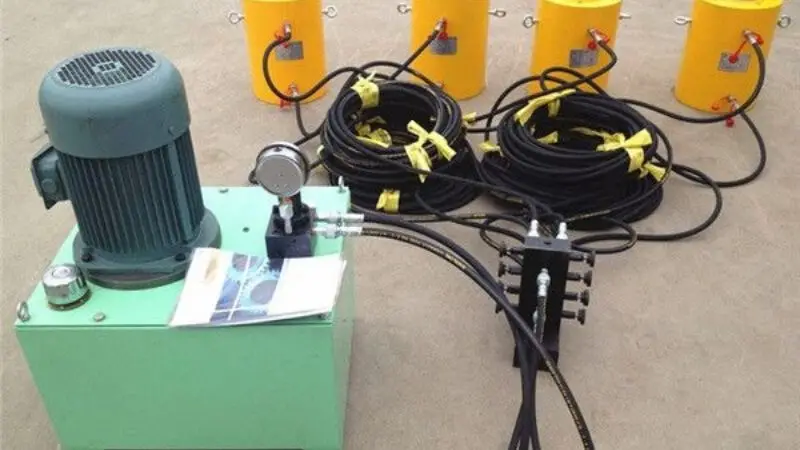
You might ask how a little oil can move a huge steel beam. A French scientist named Blaise Pascal found the answer in the 1600s. He learned that when you apply pressure to a trapped liquid, the pressure is transmitted equally in all directions. This idea is called Pascal’s Law. The law works because liquids cannot be squeezed into smaller volumes. Unlike air, which can be compressed, liquids keep their volume. So when you push on one end of a trapped liquid, that push moves right away to every other part of the container.
What powers hydraulic cylinders? Think about squeezing a full water bottle. The squeeze you feel on one side shows up on all sides at once. A hydraulic system uses the same idea, using oil in strong pipes and cylinders. When the hydraulic pump pushes fluid into a small space, pressure builds evenly through it. Every square inch of the space’s wall feels the same push. This even spread allows a machine to deliver force around corners and through narrow hoses without losing power.
How Pressure Helps Hydraulic Machines Lift Heavy Loads
The real strength comes from changing the size of the surfaces on which the pressure acts. Pressure is force divided by the surface area. When you apply 100 pounds of force to a 1-square-inch piston, you get 100 psi of pressure. Next, transfer this pressure into the second cylinder equipped with a 10-square-inch piston. Each square inch will receive 100 pounds of force. The large piston will experience 1,000 pounds of force. Thus, a person multiplied his force by ten times without spending additional energy.
What is behind the strength of hydraulic machines? That is how a lever in a forklift lifts a car with less effort. A fluid pump provides the flow that forces oil into the big cylinder. A control valve delivers the oil into the correct chamber. A flow control valve manages the speed of the oil to provide a slow or quick lift. A relief valve prevents the hydraulic system from reaching high pressure.
Where Are Hydraulics Commonly Used?
Hydraulics in Construction Equipment
Hydraulic systems are used throughout construction projects. Heavy equipment such as excavators, bulldozers, and cranes use hydraulics to lift and transport loads. A mechanical power source transports the oil through hoses to the cylinder. The control valve guides the oil to the required part of the equipment. The operator controls the speed and direction of the process. Pressure in the cylinder, created by the oil, produces an enormous force that can lift several tons of earth.
Which type of energy is employed by hydraulics? Consider the hydraulic pump excavator, for example. Cylinders can raise the boom, arm, and bucket. The operator uses joysticks to operate the valves and admit oil to the cylinders. Oil pushes the piston and arm. The boom rises and descends. The arm pulls in and out. The bucket digs the material.
Hydraulics in Cars and Vehicles
Your car also has hydraulic ram systems in its braking system. Every time you stop the car with the brake pedal, the hydraulic brake system is engaged. Pressing the brakes forces oil through the brake lines. The oil is forced into the calipers, where it applies force to the brake pads. The force pushes the brake pads toward the rotors, clamps them on, and creates friction that slows the wheels.
Power steering is also a hydraulic system that makes the steering wheel easier to turn. When you turn the steering wheel, it provides assistance to make turning easier. Some cars also use hydraulic suspension to provide a comfortable ride height.
Conclusion
Now you know what can be run using hydraulic power. The engine drives the pump. The hydraulic pump drives oil into the valves. An actuator uses this energy to move the load. This is how all hydraulic systems work. Pascal’s Law is the real magic. You apply force to a trapped fluid, and that pressure spreads evenly.
This basic physics principle allows small inputs to produce massive outputs. You see this power daily in excavators digging foundations and airplane brakes stopping heavy aircraft. The next time you watch a machine lift something enormous, remember the simple truth. You are watching pressurized oil do the work. That straightforward idea powers the modern world around you.
FAQ
How Much Pressure Is Achieved by Industrial Hydraulics?
The typical working pressure range for an industrial hydraulic system is 1,000 to 5,000 pounds per square inch. In exceptional cases, some hydraulic systems can reach pressures of 10,000 pounds per square inch or more. Pump design and the hose and cylinder’s capabilities determine the value.
What Happens with a Leak in a Hydraulic System?
A leak reduces system pressure; the actuator loses power and might stop working entirely. You also lose the fluid that provides lubrication.
How Often Do You Need to Change Hydraulic Fluid?
Most manufacturers recommend changing the fluid every 1,000 or 2,000 working hours. Also, test the fluid regularly to prevent contamination; dirt and water particles can wear out pump parts.
Can You Substitute Hydraulic Oil with Water?
Yes, some systems can use water as a fluid, but it can cause problems. Water causes rust on metal parts, has poor lubricating properties, and freezes at low temperatures.