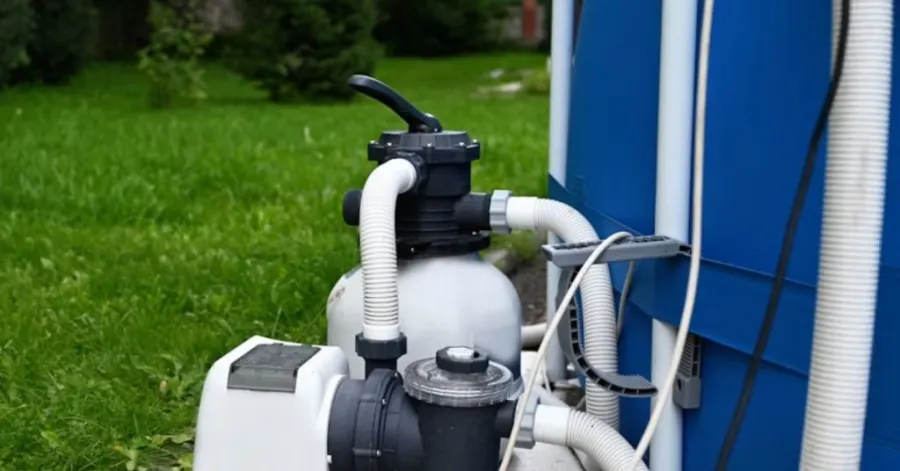
You see water move from your pool through pipes into the swimming pool pump and filter system. The pump pulls water in, and the filter traps dirt. Clean water flows back into your pool. You keep your pool safe and clear when you understand this process. You can spot issues faster and keep your pool in good shape. How does a swimming pool pump and filter system work? A clean pool makes swimming fun for everyone. The pool pump pulls water from the pool, and the filter removes dirt, debris, and other unwanted particles before sending the clean water back.
Together, these components help prevent algae growth, improve water quality, and reduce maintenance. Understanding how your swimming pool pump and filter system works also makes it easier to spot problems early and keep everything running efficiently. Whether you are a new pool owner or just want to learn the basics, this beginner’s guide will explain each part of the system in simple, easy-to-understand language.
Table of Contents
What Is a Swimming Pool Pump System?
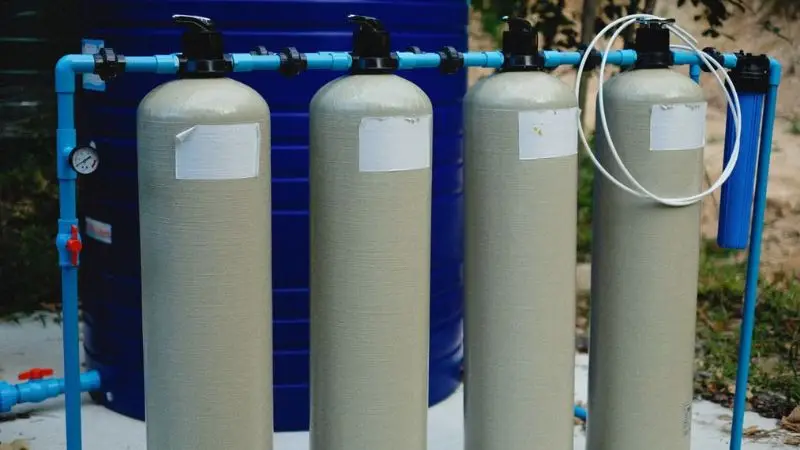
A swimming pool pump system keeps water circulating to maintain a clean and healthy pool. Water is drawn from the pool, large debris is trapped in the pump basket, and smaller debris is filtered out before clean water is pumped back into the pool. It consists of various components such as the motor, impeller, pump basket, and housing, which all contribute to efficient water circulation and help prevent algae, bacteria, and stagnant water.
The Main Purpose of a Pool Pump
The pool pump circulates water in the pool. The primary function of the swimming pool pump is to draw pool water, run it through the best swimming pool pump and filter system, and return the clean water to the pool. This motion helps prevent water from becoming stagnant. Circulating water prevents algae and bacteria from growing. Your swimming pool pump and filter system depends on the pool pump as its “heart”. Otherwise, your pool will be dirty and unfit to swim in. The pool pump also assists the filter to function properly. If no water flows through a filter, then it can’t filter the water. As the pump circulates the water, the water passes through the filter, and leaves, insects, dirt, dust, hair, and other debris are filtered out. Operate the pool pump daily to maintain clean and healthy pool water.
Recommended For Your Project
Main Parts of a Pool Pump
These points will help you understand how a swimming pool pump and filter system work. There are also several significant components in a pool pump. All parts are involved in the swimming pool pump and filter system. The motor drives the impeller. The impeller draws water from your pool. The pump basket prevents larger matter from getting into the filter. The house has solid security in place.
Below are some tips to help you understand:
-
- Motor: Operates the pool pump and maintains it.
-
- Impeller: Spins to draw water into the system and move it through.
-
- Pump Basket: Filters out leaves, twigs, and other large debris before it enters the filter.
-
- Housing: Provides and secures all the components of the pump in place.
How a Pool Pump Works Step by Step
You turn on the pool pump. Water that is in your pool runs through a pipe. The water is drawn into the swimming pool pump and water filter. Leaves and dirt are trapped in the pump basket. Water flows to the filter. The filter will exclude very small particles. Water gets refilled in your pool. The above process is repeated each day to ensure your pool remains safe. To ensure that your swimming pool pump and filter system is in good working order, you regularly check the pump. You clean and keep your pool ready for swimming.
-
- Water evaporates from your pool.
-
- Water is drawn into the pump.
-
- A pump basket prevents debris from entering the pump.
-
- Water is fed into the filter.
-
- Your pool is filled with clean water.
What Is a Swimming Pool Filter System? How It Keeps Water Clean
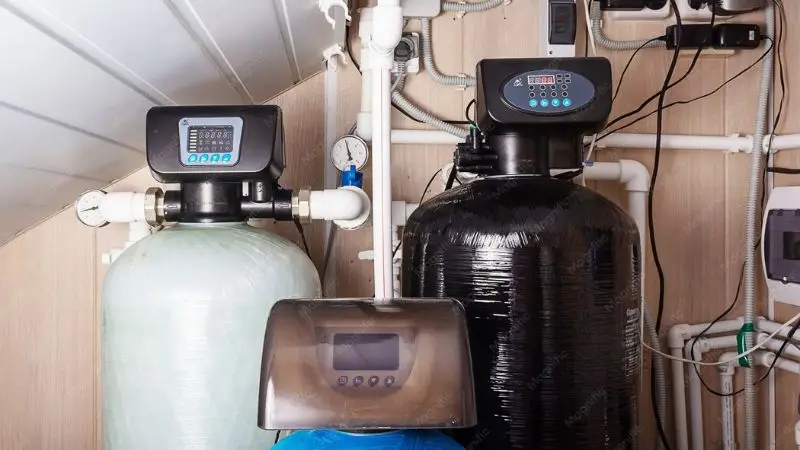
A swimming pool filter system cleans pool water by trapping dirt, leaves, debris, and small particles before they re-enter the pool. It is used in conjunction with the pool pump to keep the pool water clear, healthy, and safe to swim in. Filters vary in type, such as sand, cartridge, or DE filters, and economical maintenance and cleaning ensure efficient operation.
Why a Pool Filter Is Important
You’ll want your pool to be clear and inviting. The pool filter helps you meet this objective. The best swimming pool pump and filter system cleans the water, removing dirt, leaves, and small particles.Without ao pool filter, your pool water would soon be filled with debris, causing it to become cloudy. A filter also helps to keep swimmers safe from harmful germs. The pool filtration system ensures that the water is safe for all. A clean pool filter means less time-consuming manual pool cleaning. Your pool filter is responsible for keeping your pool healthy. The filter works every day to catch unwanted substances. You’ll love swimming more when you know your pool is clean! This will leave your family and guests enjoying a cleaner, healthier swimming experience.
How a Pool Filter Works
The first thing you need to do is turn on your pool pump. Water is pumped from the pool to the pool filtration system. This filter will collect dirt, sand and even some bugs! The filter can be considered a net that catches everything that is not wanted in the pool. The swimming pool pump and filter system of above-ground swimming pools constantly works to maintain a clear pool. The more the water goes through the filter, the more dirt is filtered out. The water is filtered several times every day as the pump works for several hours.
It’s easy to understand the process now; take a look:
-
- The water is removed from the pool via the skimmer.
-
- The pump forces water through the filter.
-
- The filter captures dirt and particles.
-
- Water is returned to the pool.
Types of Pool Filters
There are varieties of filters available in a pool filtration system. Each of these filters purifies the water differently. Some filters are made from sand, some from cartridges and some from a powder called diatomaceous earth. You select the filter which is most appropriate for your swimming pool. To maintain a clean swimming pool filter, clean or replace it as necessary. The swimming pool pump and filter system maintenance can help the swimming pool last longer. You and your family will have a better swimming experience if the water is clean.
-
- Sand Filter: This eliminates dirt, leaves and small bugs from the pool water.
-
- Removes fine particles, dust and pollen for cleaner water using a Cartridge Filter.
-
- DE (Diatomaceous Earth) Filter: The filter removes extremely small particles and gives the highest clarity to the water.
Different Types of Swimming Pool Filters Explained
There are various kinds of swimming pool filters, with each employing a unique approach to eliminate dirt and debris from pool water. There are three types of filters: sand filters, which are low maintenance and filter out more dirt; cartridge filters, which are even more effective, offer finer filtration, and are easily cleaned; and DE filters, which provide the highest level of water clarity. With the proper filter and regular maintenance, your pool will remain clean, safe and efficient.
Sand Filters
Many pool configurations feature sand filters. Sand filters are made of a tank filled with special sand. The tank is connected to the pool water. This sand filters out impurities. If you use a clean water filter, clean water flows out of the filter and back into your pool. Sand filters are cleaned by backwashing. This backwashes water through the filter to catch and remove dirt. Most pools will be suitable for sand filters and will need very little maintenance. How does a swimming pool pump and filter system work? The water is pushed into the pool by the pool pump and filtered through the sand. The sand catches dirt, debris and other particles as it passes through. The cleaned water is then returned to the pool. This happens over and over again as the pump operates during the day to help maintain water clarity. Cartridge Filters
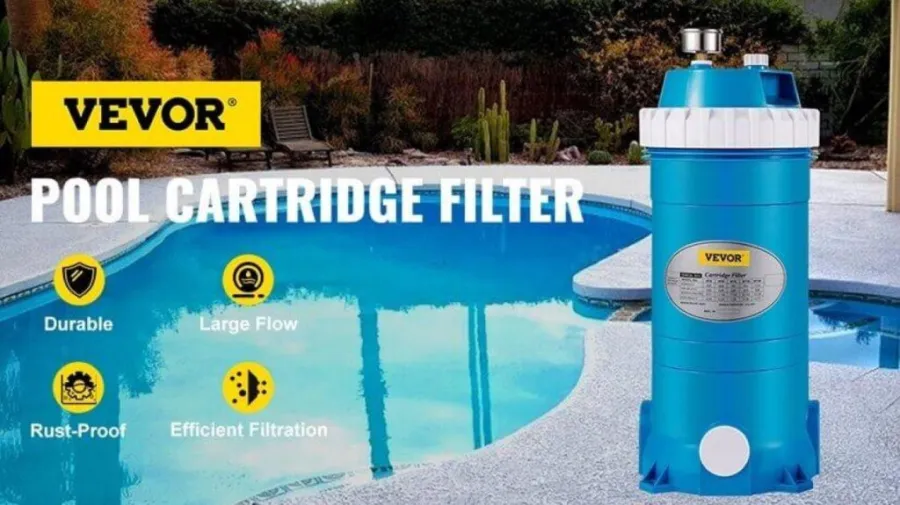
Cartridge filters are convenient to use and maintain. These filters have a pleated fabric or paper cartridge. The water in your pool flows into the filter and through the filter cartridge. Small particles and dirt are trapped in the cartridge. The cartridge is taken out and flushed with a hose to clean it. Use cartridge filters for clear water; they are most effective for smaller pools. These filters do not need to be backwashed.
-
- Cleaning Method: Sand filters are cleaned by backwashing, and cartridge filters are cleaned by rinsing the cartridge with water.
-
- Maintenance: Sand filters will not need much maintenance, while cartridge filters will need moderate maintenance.
-
- Water Clarity: Sand Filters will result in good clarity; Cartridge Filters will result in very good clarity.
Diatomaceous Earth (DE) Filters
DE filters provide the ultimate in filtration. The filters are filled with a powder of microscopic fossilized shells. The water in your pool passes through grids that are covered with DE powder. Even the smallest particles are trapped by the powder. To clean a DE filter, backwash and replace the powder. DE filters maintain pool water’s clarity. This filter is recommended to you if you want the highest water quality. If the filtration equipment is damaged, a swimming pool pump and filter system replacement might be required to ensure water circulation and filtration. Work with DE powder in accordance with safety instructions. Choose the filter that best suits your pool’s requirements. The different types of filters are beneficial in their own ways. Your filter is used to keep your pool clean and safe, and you need to keep it clean.
How the Pool Pump and Filter Work Together
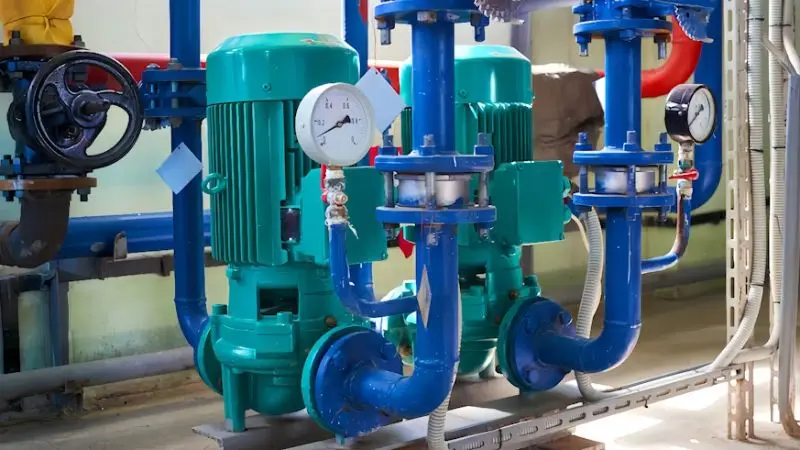
The pump and filter operate together to maintain water flow, cleanliness and safety for swimming. The water circulates through the system and the filter cleans out dirt, debris and any dangerous particles before it re-enters the pool. With the proper flow of water, you will not be able to grow algae, have better water quality, get less pool maintenance, and have more efficient and longer lasting pool systems.
The Complete Water Circulation Process
A pool works by you seeing the water moving through the pool circulation system. This begins with the pump drawing water from the pool. Water is conveyed by pipes and goes into the pump basket where it traps large debris and leaves. The water is forced into the filter by the pump. The filter is capable of removing dirt and very small particles. Clean water returns to pool. This happens a number of times a day. The pool system circulates water, and you can safely enjoy swimming. Water flow can be adjusted by variable speed pool pumps. The pumps allow you to dial-in speed on your pool system. Normal swimming pool pump and filter system maintenance also helps keep the filter system running efficiently. With variable-speed pool pumps, you’ll save money on energy and also maintain a cleaner pool. These pumps are used in many pool circulation systems for improved performance.
Why Good Water Circulation Matters
You keep your pool healthy when you understand how a pool works. Algae and bacteria don’t grow in a good pool circulation system. This prevents debris from accumulating at the bottom. What is the working of a swimming pool pump and filter system? Water is maintained clear by a combination of the pump and filter. The key to protecting swimmers is to ensure there are no harmful particles in the pool through the pool system. Using a variable-speed pool pump, you can enhance the circulation system in the pool. The speed is adjusted according to the needs of your pool. Saves energy and prolongs the life of your pool system. You witness the best performance for a pool when you have water flowing throughout the day. Maintaining a healthy pool circulation system helps you to keep your pool longer. When your pool system works properly, you can enjoy swimming more.
Common Problems with Pool Pump and Filter Systems
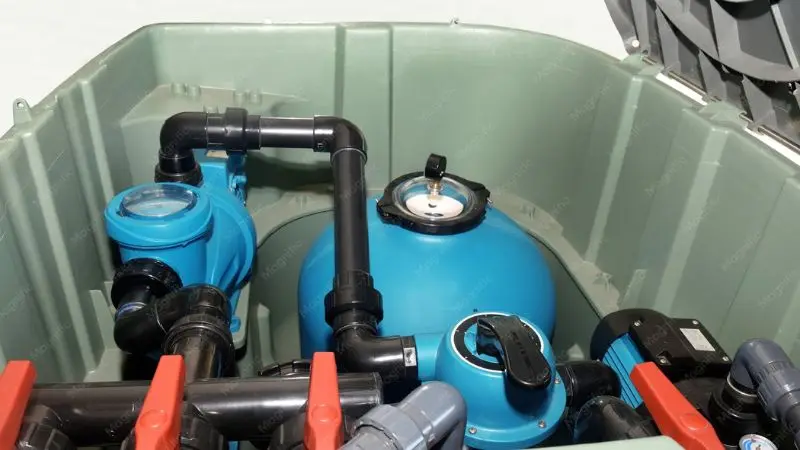
There may be problems with the pool pump and filter system. Knowing these issues you can maintain your pool clean and secure. Pump and filter issues include low flow, noisy pump and clogged or dirty filter. This can diminish water movement, impact water quality and make your pool unsafe to use. These are some of the frequent issues that you may encounter.
Weak Water Flow
When a pool pump fails to pump water as it is designed to do, you will notice a weak flow of water. This problem can cause your pool to appear dirty. Your pool water jets may not be as strong. You inspect pipes for clogs or pump basket. One of the other things you try to look for are air leaks in the system. In some cases, a clogged filter will reduce the flow of water. To maintain an adequate flow, the filter is cleaned. Your pool is maintained by addressing poor water flow early. Sometimes, low water pressure is experienced due to debris clogging the pump basket. This can be prevented by regular cleaning of the pump basket and filter. When it comes to swimming pool pump and filter system troubleshooting, if you can find out what’s going on, you’ll be able to troubleshoot the problem, get your water recirculating properly, and keep your pool clean.
Noisy Pool Pump
Your pool noises are loud, such as those from the pump. These sounds can mean trouble. You hear grinding, rattling or humming noises. You inspect for loose parts or debris in your best swimming pool pump and filter system. The other point is checking the motor for any wear. To repair noisy pumps, tighten bolts or clean out debris. If parts are worn replace. You maintain the peace in your pool by addressing pump noise issues.
-
- Grinding noise: This is typically due to debris in the pump. Cleaning up of the pump debris – Solution.
-
- Rattling Noise: Normally is due to loose parts. Solution: Tighten bolts/loose parts.
-
- Humming Noise: Usually caused by a motor problem. Solution: Inspect motor and replace as needed.
Dirty or Clogged Filter
You see your pool water has some cloudiness to it. This typically is an indication that your filter is dirty or clogged. You inspect the filter to see if it has been clogged by dirt, leaves or other matter. To clean or change the filter for better water clarity. Clean according to manufacturer instructions. Maintaining your pool’s filter is a way to keep it safe. Swimming is more enjoyable when the pool is clear. These are the typical issues that you can fix to maintain your pool in good condition. You maintain your pool system and have clear water throughout the season. Now you know how your swimming pool pump and filter work. When you regularly inspect each component of your pool, you keep it clean and safe. This is because you can catch issues early with regular pool maintenance. What you learned can be used in caring for your pool. Ask a professional if you have any issues. Have a safe and fun time in the pool. You keep everyone safe and enjoying swimming.
Wrap Up
Once you know how a swimming pool pump and filter system operate, it will help you keep your pool clean, safe and efficient. The filter cleans the water of dirt, debris and small particles before it returns to the pool and the pump circulates it around the pool. They work together to stop algae growth, enhance water quality and minimise manual cleaning. Consistent maintenance activities including cleaning the pump basket, filter inspections, and the identification of common issues, will contribute to the longevity of your equipment and will assure a reliable performance day in and day out. Selecting the appropriate type of filter and solving problems in time will ensure the normal operation of your system. Proper care and regular maintenance of your swimming pool pump and pool filter system can keep you swimming clear and healthy for years.
FAQ
How many times a day should you turn on your pool pump?
You should run your pool pump for 8–12 hours each day. This ensures water flow and your filter is cleaning the pool. It may be necessary to run for a longer period in hot weather or during periods of heavy use.
When do you need to clean or replace your pool filter?
You can use the filter every 2 wks – tip!
Cartridge filters are cleaned when the pressure gauge shows an increase of 8-10psi over normal. Water flow decreases and backwash sand and DE. Change cartridges after 1-2 years and sand after 5 years.
Is the pool pump and filter going to be allowed to run during the night?
It does allow you to leave your pool pump and filter on during the night. This is done by a lot of people for electricity saving reasons. As long as you pump for the correct duration you will have clean water.
What should you do if your pool pump is not pumping?
-
- Turn off the pump.
-
- Look for leakages or low water level.
-
- Fill the water tank in the pump basket.
-
- Restart the pump.
-
- If the pump doesn’t prime immediately, you may have to repeat the steps.
What are some good indicators that your pool filter is working as it should?
-
- Sign
-
- What It Means
-
- Clear water
-
- Filter works well
-
- Steady water flow
-
- Good circulation
-
- Low pressure gauge
-
- No clogs or blockages in the sewer system.
These are the signs that you will be checking to ensure that your pool stays clean thanks to your filter.