A heatwave may cause many more problems with pool care than usual. The hot weather, intense sunlight, and swimming can rapidly degrade water quality, lower chlorine levels, and promote algae growth. Lack of an appropriate maintenance schedule may result in expensive repairs and hazardous swimming. Knowing how to maintain a swimming pool in extreme weather will help you keep the water clean, balanced, and enjoyable throughout the season. Using a high-quality pool safety cover also helps reduce evaporation, keeps debris out, and protects the pool when it is not in use. For new pool owners or those with experience owning a pool, proper pool maintenance practices will keep your investment safe and your pool crystal clear through the summer.
Daily Pool Maintenance Checklist During a Heatwave
A heatwave may put additional pressure on your pool, and daily care is more important than ever. Excessive heat, intense sunlight, and heavy swimming can easily affect water quality and increase the risk of algae growth. One of the simplest ways to maintain swimming pools and prevent costly issues is to follow a daily routine.
Whether you are studying how to maintain a swimming pool, this checklist will assist you in keeping your pool tidy, secure, and in a condition to be used even on the hottest days. And it helps you in your Weekly swimming pool maintenance practice and makes your Monthly pool maintenance checklist much easier to manage.
Test Pool Water Every Day
One of the most crucial activities during a heatwave is testing your pool water every day. High temperatures and abundant sunlight can rapidly reduce chlorine levels and alter the water balance. If you are wondering how often you should clean a swimming pool, keep in mind that it is part of your daily routine in summer to check the water chemistry. Begin by trying chlorine to ensure it is effective in killing bacteria and preventing algae.
Then test the pH level, since it affects the effectiveness of chlorine and the comfort of swimmers. Total alkalinity must also remain in equilibrium to avoid sudden changes in pH. Lastly, check the stabilizer (CYA) level that helps prevent the breakdown of chlorine in direct sunlight. This is a simple habit that is particularly helpful for swimming pool maintenance for beginners, as it helps ensure issues are addressed before they become costly to fix.
Run Your Pool Pump Longer
When it is too hot, the pool pump should run longer to enhance water circulation and filtration. Additional flow aids in the equal distribution of chemicals, improves dirt removal, and reduces the risk of algae growth. The advantage of most pools is that it is possible to run the pump between 10 and 14 hours daily during a heatwave, but this will again depend on the size of the pool and weather conditions. Water circulation is best done at the peak of the day, when chlorine is most active under sunlight. Other pool owners also divide the run time into the morning and the afternoon to be more efficient. One of the easiest DIY swimming pool maintenance tasks is to adjust your pump schedule to make sure that the water is kept fresh and clean.
Skim, Brush, and Vacuum Regularly
In hot weather, more leaves, insects, dust, and other debris are common in your pool. By taking away this organic waste daily, we avoid its breakdown in the water and the wastage of the precious chlorine. Cleaning the surface of the water makes it look clean, and cleaning the walls, steps, and corners before the algae can develop. Cleaning the floor with a vacuum eliminates dirt that is deposited at the bottom and is difficult to pick up with a skimmer. Frequent cleaning of your filtration system ensures it operates effectively and helps maintain your swimming pool. A regular cleaning schedule also reduces the use of additional chemicals and helps ensure that the water remains clean and healthy throughout the summer.
Check Water Levels Frequently
When it is a heatwave, the rate at which water evaporates through the pool is very high, and therefore one must ensure that the level of the pool is checked daily. Your pump might not pump water properly when the water level falls too low, reducing filtration and even damaging equipment. Maintain the water level in the middle of the skimmer opening to ensure good circulation and to enable the filtration system to operate well. Add fresh water as needed to replace water lost to evaporation and stabilize water chemistry. This easy day-to-day test takes care of your pool equipment, helps maintain a healthy pool circulation, and simplifies your weekly swimming pool maintenance routine and monthly pool maintenance checklist. With the level of water held constant, your pool will be cleaner, safer, and more enjoyable to all.
How to Prevent Algae in Your Pool During a Heatwave
Hot weather provides an ideal environment in which algae grow. An increase in temperatures, increased sunlight, and frequent pool use can quickly affect water quality when no regular care is taken. It is far cheaper and simpler to prevent an outbreak of algae than to treat one.
Learning how to keep a swimming pool clean in a heatwave is an easy way to keep the water clean, healthy, and safe to swim in. These are some of the basic steps in swimming pool maintenance that help minimize costly repairs or chemical treatments.
Keep Chlorine Levels Stable Every Day
One of the most effective methods for preventing algae growth in hot weather is to keep the chlorine level constant. A lot of sunlight and heat break down chlorine more quickly than normal, so it is necessary to test your pool water daily and add chlorine as needed. Maintaining the water in a clean state safeguards the swimmers and averts the spread of algae. The habit is particularly beneficial to swimming pool maintenance for beginners since it will help avoid frequent water quality issues before they become hard to deal with. Frequent chlorine readings also help to maintain a healthy and balanced pool during summer.
Shock the Pool When Water Quality Changes
Shocking the pool will help eliminate bacteria, organic waste, and other contaminants that accumulate during a heat wave. You should shock your pool after heavy usage, during rainfall, or when the water becomes cloudy or begins to lose its luster. This treatment will restore good sanitation and minimize the chances of algae growth. This activity should be added to your weekly swimming pool maintenance program to maintain the freshness and balance of your pool water. Regular shocking can also enhance the efficacy of chlorine, which is easy to use to keep the water clear and enjoy a safer swimming environment during the hottest months.
Use a Good Algaecide for Extra Protection
A good algaecide provides your pool with extra coverage against algae, particularly during extended periods of excessive heat. Although chlorine is the primary sanitizer, an algaecide will prevent the growth of algal spores before they become a problem. Never add more or less than the recommended amount per the product’s instructions to influence the water balance. Adding an algaecide to your at-home swimming pool cleaning regimen can lower the amount of cleaning you will do in the future, and your pool will appear clean. It is a no-tech precaution that helps to make the water cleaner and healthier throughout the season.
Improve Water Circulation Throughout the Pool
Proper water circulation is beneficial for distributing chemicals and eliminating stagnant areas where algae can grow easily. Dead spots frequently occur around the steps in a pool, around corners, ladders, and behind pool features where the flow of water is restricted. Install your return jets to ensure a consistent flow throughout the pool, and set the pump to run for the suggested daily hours. In case you still have circulation issues, professional pool maintenance services could check your system and enhance the flow of water. With proper circulation, your pool is cleaner, healthier, and more easily maintained during hot summer weather.
Protect Your Pool Equipment from Extreme Heat
The extreme heat is not only affecting your pool water but also straining your pool equipment. The high temperatures may cause pumps to work more, filters to be less effective, and some parts of the pumps to wear out more quickly. Maintaining your equipment ensures that there are no surprises and high costs in case of breakdowns.
Maintaining a swimming pool also entails safeguarding the mechanism that keeps the water clear and flowing correctly. Periodic equipment inspections are also a significant component of the swimming pool’s maintenance and help your pool work effectively even during the hottest months.
Avoid Overworking Your Pool Pump
A heatwave makes your pool pump more laborious as it will have to pump water for a longer time. Although the longer run times may be required, running the pump constantly without monitoring its state may present unnecessary wear. Operate according to the recommended operating schedule for your pool size, and do not run the pump longer than necessary. Be aware of any unusual sounds and keep a check on its performance. This is an easy practice that will help you maintain your DIY swimming pools by prolonging the lifespan of your equipment, keeping the water clean and balanced, and circulating it.
Clean Pool Filters More Frequently
Dirt, dust, and leaves, among other debris, are collected by the pool filters and accumulate at a significantly faster rate during hot weather. The dirty filter slows the flow of water and makes the pump work more, consuming more energy and wearing out the equipment. Wash or clean your filter according to the manufacturer’s recommendations, especially during periods of high pool use. Cleaning your pool with a brush every now and then improves water flow and keeps it cleaner. This task is added to your weekly swimming pool maintenance routine to ensure that quality water is kept at all times and to aid in the overall functioning of your filtration system.
Inspect Pool Equipment for Signs of Heat Damage
Extreme temperatures can cause pool equipment to wear out faster; therefore, it is necessary to check it regularly. Look at the pump and see whether it is vibrating, leaking, or overheating, which can impair its performance. Check hoses; look out for cracks, weak spots, or loose joints due to long-term exposure to the sun. Check seals and O-Rings to determine whether they are dried, split, or damaged, and may cause water leakage. Early detection of these issues saves money on repairs and maintains your equipment at full capacity. In case of significant problems, professional pool maintenance services can perform the repairs and make sure that the entire system is functioning safely during the summer.
Products That Help Make Pool Maintenance Easier During a Heatwave
@diesel_2124 VEVOR Automatic Pool Cover pump @vevor.official #vevor #vevortools #poolcleaning #poolaccessories #pool #swimming #summermashup
♬ original sound - diesel_2124
With the right products, taking care of a pool in extreme heat becomes a lot easier. Elevated temperatures cause more demand on chlorine, accelerate water evaporation, and enable more rapid accumulation of debris and algae. Reliable maintenance products will help minimize daily work and keep your pool clean and safe.
Whether you are a newcomer to pool maintenance or you have a routine, a good investment in products will make pool maintenance easier and let you enjoy your pool without spending hours cleaning it daily.
Use a Reliable Pool Water Testing Kit
A pool water testing kit allows you to measure your water chemistry every day, easily and accurately. Frequent tests will enable you to check the amounts of chlorine, pH, alkalinity, and stabilizer before they are out of balance. Water conditions can change rapidly during a heatwave; thus, daily testing becomes even more crucial. Precise outcomes aid in the addition of the right chemicals and prevent any unnecessary treatment. The tool is particularly applicable to beginners in swimming pool maintenance as it simplifies the process of testing water and helps to maintain clean, healthy water over the summer.
Choose the Right Chlorine and Water Balancing Chemicals
During hot weather, chlorine breaks down faster, thus having the appropriate chemicals at hand is key. Chlorine decontaminates the water, and a balance of chemicals maintains the pH, alkalinity, and other water parameters within the required range. They also work together to maintain healthy water even when demand for chlorine increases. Regular check and adjustment of these levels avoids algae, turbid water, and swimmer irritation. By adding quality chemicals to your DIY swimming pool care regimen, it becomes simpler to maintain your pool in balance, so it is ready to use on the hottest days.
Add Algae Prevention Products to Your Routine
Algae prevention products offer additional protection at times of extreme heat when algae are capable of multiplying quickly. These products are used in conjunction with chlorine to prevent algae before it becomes a major problem. Their application as a standard maintenance practice will help save on the heavy cleaning and chemical remedies in the future. Prevention helps maintain cleaner, healthier water throughout the season. Protecting your weekly swimming pool maintenance schedule by adding algae prevention products is an easy way to maintain your pool and lessen future maintenance work.
Cover Your Pool When It Is Not in Use
One of the simplest remedies that helps to minimize maintenance during a heatwave is a good pool cover. It prevents water evaporation, prevents leaves and insects from entering the pool, and preserves the chemical balance by restricting direct sunlight. Less debris in the water means you do not waste as much time cleaning and putting chemicals in the water. The pool cover will also help you with your monthly pool maintenance checklist by minimizing damage to your filtration system and helping keep your water cleaner between regular maintenance services.
Save Time with an Automatic Pool Cleaner
With a self-cleaning pool cleaner, you do not need to clean the pool manually, as the cleaner will get rid of the dirt, leaves, and other debris. It keeps the pool’s bottom and walls clean and saves time on brushing and vacuuming. This is particularly useful when there is a high amount of pool usage and debris accumulates faster. A reliable automatic cleaner helps you to spend more time in your pool and less time keeping your pool clean. In larger pools or in busy households, a combination of quality equipment and professional pool maintenance services is a good solution for keeping your pool swim-ready all summer.
Keep Your Pool Water Comfortable During Hot Weather
Pool water may get warmer than most people anticipate during a heatwave. Direct sunlight, high temperatures, and low water circulation can make swimming less refreshing and affect water quality. Following some easy measures can make the water cooler, cleaner, and more pleasant during the summer.
Keeping a swimming pool clean in hot weather is not only about maintaining cleanliness. Maintenance of swimming pools, including proper circulation, water top-ups, and intelligent use of a pool cover, is a significant aspect that contributes to a comfortable swimming environment.
Increase Water Circulation to Keep the Water Fresh
Proper circulation of water will avoid accumulation of heat in a single section of the pool, as well as ensure equal distribution of chemicals. Operating your pool pump for the recommended number of hours per day will ensure fresh water circulates continuously through your filtration system. This also minimizes stagnant spots where algae and bacteria can grow. Circulation can be enhanced by reversing the return jets to create a consistent flow of water across the pool. Doing this is an addition to your weekly swimming pool maintenance schedule, as this will enable you to keep the water in your pool cleaner, fresher, and more comfortable during times of excessive heat.
Create Shade Around Your Pool
Putting a color strip around your pool will reduce direct sun rays and will reduce how quickly your water will heat up. Shade sails, umbrellas, pergolas, or surrounding landscaping can also be used when it is the hottest part of the day. Shaded areas will also provide a cooler spot for swimmers to rest, while making the water more comfortable. Limiting solar radiation would reduce chlorine loss and improve water quality. This minor addition is particularly beneficial in swimming pool maintenance for beginners, as it makes the pool area more pleasant and saves on maintenance.
Top Up Pool Water Regularly
Evaporation of water is greatly increased in hot weather, and thus it is important to monitor the level of water regularly. When water levels are low, this may cause reduced circulation, impaired filtration, and increased pressure on your pool pump. Add fresh water when the level falls below the recommended level, typically at the midpoint of the skimmer opening. It is also good to make regular top-ups to ensure that your pool is running efficiently and the water chemistry is balanced. While checking the water level, inspect your filtration system and schedule a pool filter replacement if the filter is worn or no longer performing effectively. It is easier to avoid equipment issues by including this task in your monthly pool maintenance checklist and ensuring that you can enjoy comfortable swimming conditions throughout the season.
Common Pool Maintenance Mistakes to Avoid During a Heatwave
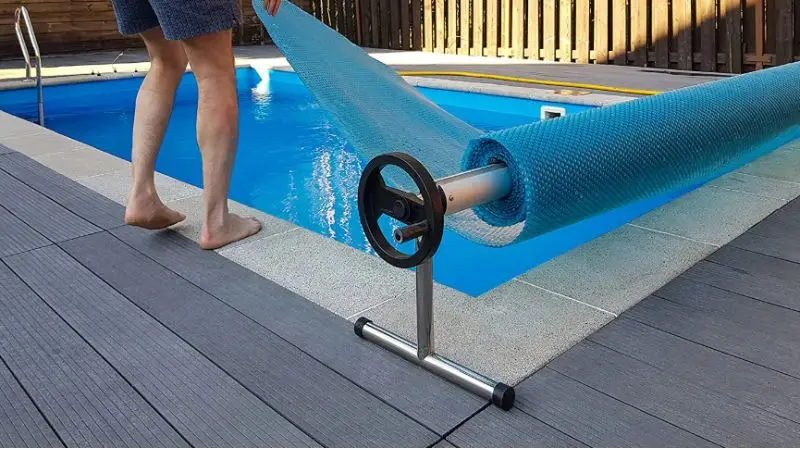
Small pool maintenance errors can become expensive due to hot weather. Extreme temperatures, intense sunlight, and frequent pool use can rapidly affect water quality if your maintenance schedule is irregular. By preventing these pitfalls, you are more likely to have a clean, safe swimming pool all summer long.
Knowing how to maintain a swimming pool means knowing what to avoid and what to do to keep it properly maintained. These mistakes can be avoided, which will help maintain your swimming pools, improve their water quality, and prevent unnecessary breakdowns in your pool equipment.
Don’t Wait Too Long Between Water Tests
During a heatwave, it is important to test your pool water frequently since water chemistry may change in one day. Delaying the tests can give time for the chlorine levels to fall, the pH levels to get imbalanced, and the algae to start growing without you realizing the issue. Test chlorine, pH, alkalinity, and stabilizer daily with a reliable test kit during extreme heat. This is a routine that is particularly useful to swimming pool maintenance beginners since it can detect small problems early and maintain the water clean, balanced, and safe for swimming.
Don’t Ignore the Early Signs of Algae
Algae are usually small green patches, slippery pool walls, or slightly cloudy water. Failure to observe these warning signs at an early stage enables the algae to grow rapidly, making them very difficult and costly to eliminate. Immediately you notice any changes, test the water, add chlorine, and brush the affected area to prevent the further growth of algae. Early action will save the intensive treatments and will assist you in your weekly swimming pool maintenance practice, and keep your pool clear and healthy in the hottest months.
Don’t Run the Pool Pump for Too Few Hours
Your pool pump should have a duration of time that it will pump water, spread chemicals, and filter away dirt by using the filtration system. To ensure that there are no stagnant areas where algae and bacteria could grow, it is important to run the pump during a heatwave and not for too short a time. During extreme temperatures, the circulation time of most pools will take longer, depending on the size and use of the pool. The proper pumping schedule is also a significant aspect of DIY swimming pool maintenance, as it improves water quality and reduces the risk of algae growth and turbidity.
Don’t Let the Water Level Drop Too Low
Hot weather leads to rapid evaporation; hence, there is a need to check the water levels regularly. When the water level falls below the recommended level, the pump will draw air rather than water, which will reduce circulation and increase equipment damage. The low water levels also influence filtration and complicate maintaining a good balance of water chemistry. Add fresh water when necessary in order to maintain the level in the middle of the skimmer opening. This low-tech practice can keep pools running efficiently and prevent unnecessary repairs throughout the summer.
Avoid Using Too Many Pool Chemicals
The number of chemicals to be added should not exceed the required amount; adding excess chemicals will only lead to new issues. Too much chlorine, pH modifiers, or other treatments can cause skin and eye irritation, turbid water, or chemical imbalances. Never put chemicals in the water without testing it, and do not exceed the suggested dosage on a product. If you are unsure about the appropriate treatment, you can send your water to professional pool maintenance services, which will test it and recommend the appropriate solution. Proper use of chemicals ensures that your pool is safe, balanced, and enjoyable even during the heatwave.
Wrap Up
To keep your pool in perfect condition during a heatwave, it is important to maintain it regularly and follow the correct maintenance schedule. Routine water testing, maintaining the right chemical balance, good circulation, and cleaning all help eliminate algae, cloudy water, and equipment problems. It is much easier to follow an easy routine, and maintaining a swimming pool would cost less in the long term. Regardless of whether you want to maintain your swimming pool yourself or use Professional pool maintenance services, it is most effective to be proactive to save your pool. By maintaining your swimming pools, you will spend a little time repairing them and enjoy clean, cool water all summer.
FAQ
How frequently do you want to clean a swimming pool in a heat wave?
In a heatwave, rake up trash every day, sweep and vacuum frequently, and check the water every day. A regular weekly swimming pool maintenance schedule would ensure that the pool is maintained and safe.
Why does chlorine evaporate more quickly in hot weather?
High temperatures and UV radiation cause chlorine to degrade more quickly than usual. Water testing on a daily basis and chemical corrective actions will ensure that there are correct levels of the sanitizers, and algae do not grow.
Will I be able to keep my pool maintained professionally?
Yes. DIY maintenance for a swimming pool involves testing the water, cleaning, balancing chemicals, and regularly checking the equipment. Nevertheless, Professional pool maintenance services might be needed to make complex repairs.
Which is the largest cause of algae in summer?
Poor circulation, low chlorine levels, warm water, and unbalanced water chemistry provide the best conditions for algae. Periodic cleaning and preventive measures will significantly decrease the chances of algae development.
What would you consider a monthly pool maintenance checklist to include?
Monthly pool maintenance checklist should involve checking the equipment, filter washing, water chemistry, seals and hoses, and the efficient work of the pump and filtration system.