The high vibrations experienced on the construction site may cause the plate compactor parts to wear out over time. This can reduce the device’s overall functionality. Maintenance and inspections can reduce repair costs and prevent equipment breakdowns. But without regular maintenance, you could end up with engine trouble, a loose part, or a failed drive belt while you’re doing important site preparation. This can be very frustrating. With routine maintenance, you can ensure your machinery continues to function effectively and retains its compaction.
In this article, we’ll discuss the most important instructions for maintaining a stone plate compactor, including daily inspections, engine care, drive belt checks, cleaning, lubrication, and proper storage. Little things like this can help keep equipment working longer and save you money over time.
Table of Contents
7 Essential Stone Plate Compactor Maintenance Tips
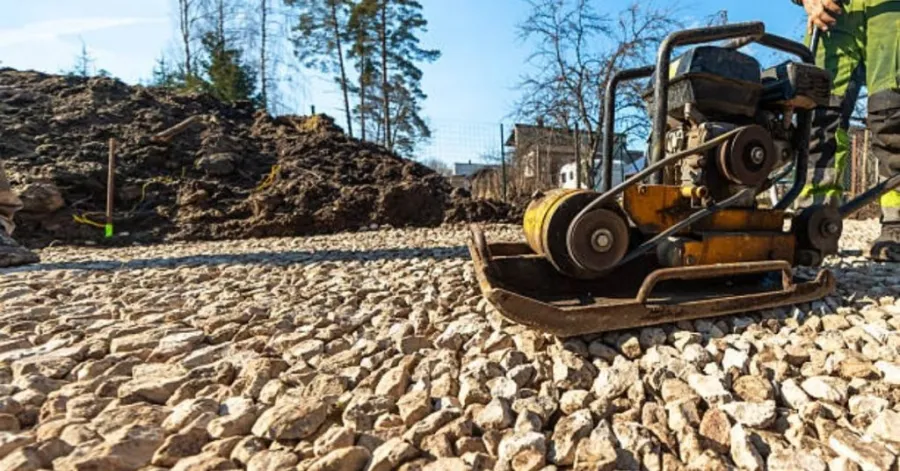
How does a stone plate compactor work? The first step to keeping your plate compactor in top shape is to have a simple, regular maintenance program. Regular maintenance will help you identify worn or damaged parts before they become a problem and keep your machine ready for hard compaction work. Each maintenance task plays an important role in the reliable operation of your machine, from cleaning your equipment after use to checking the engine oil, belts, bolts, and vibration components.
The following seven maintenance guidelines cover the major places you should check routinely. Implement these procedures to keep things running smoothly, minimize unplanned downtime, and prolong your equipment’s life.
Recommended For Your Project
1. Clean the Plate Compactor After Every Use
How to compact stone with a plate compactor? When you finish a project or a workday, clean the machine. Wipe the base plate, engine area, and any other accessible areas to remove dirt, dust, gravel, and loose rock. Accumulation of such material can trap heat, hinder moving parts, and cause premature wear.
After cleaning, look for visible damage or loose components on the equipment. Cleaning your bike also helps you discover oil leaks, cracks, or damaged parts before they become a major problem.
2. Check the Engine Oil Regularly
How to compact crushed stone? Before you start working, check the engine oil level. This is especially crucial if the equipment is going to be used for a long or labor-intensive operation. Dirty or low oil can cause the engine to experience increased friction and heat, which can lead to premature wear or serious damage. Be sure to use the oil recommended by the manufacturer, and change it at the right intervals. Before starting the machine, check the oil level, and if the oil seems dirty, take the appropriate action.
3. Inspect the Air Filter and Fuel System
How to compact gravel with a plate compactor? A clean air filter allows the engine to obtain all the air it needs to run well. If you are working in dusty conditions, the filter might clog up quickly, particularly when dealing with dry dirt, broken stone, or gravel. Check the air filter frequently and clean or replace it according to the manufacturer’s instructions. Also check the fuel system for damage or leakage. Check the gasoline tank, lines, and fittings. Don’t forget to mend any broken hoses or gas leaks before proceeding with the work.
4. Inspect the Vibrating Plate and Bolts
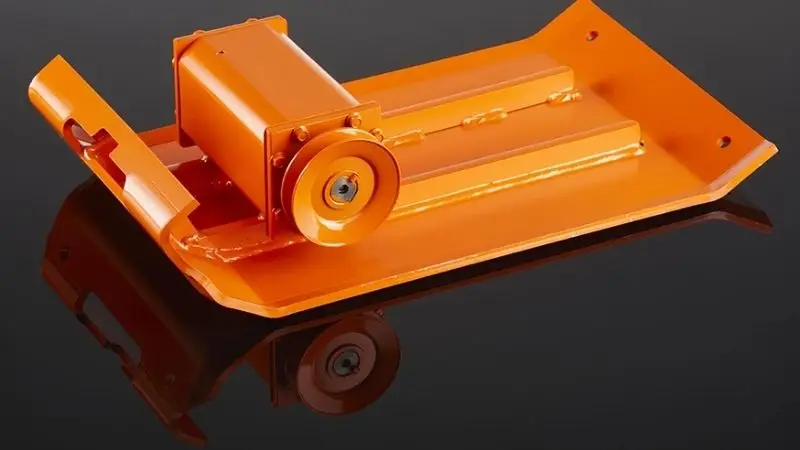
The vibrating plate is always in contact with the ground and is one of the hardest-working portions of the machine. Regularly check the base plate for cracks, excessive wear, or other issues that may compromise performance. Over time, vibrations can cause fasteners to loosen. Check the frame and mounting bolts and tighten any loose hardware to the manufacturer’s specifications. Replace bolts if missing or broken, as necessary.
Knowing what is a stone plate compactor accomplishes will help you understand why these checks are so important. The vibrating plate sends strong vibrations down into the material below. It is therefore important that the plate is kept secure and well maintained to ensure proper compaction.
5. Lubricate Moving Parts
How does a stone plate compactor work? Proper lubrication reduces friction and wear on moving components. Check the manufacturer’s instructions for the parts that require regular lubrication and use the recommended grease or lubricant. Depending on the machine, some components such as bearings or throttle linkages may require lubrication. Avoid over-lubricating parts, as excess grease can attract dust and debris. Regular lubrication helps the machine operate smoothly and ensures reliable performance on demanding compaction jobs.
6. Check Belts, Vibration Components, and Other Parts
How to compact crushed stone? Regularly inspect the drive belt and vibration system for signs of wear, cracks, fraying, or improper tension. A loose or damaged belt can reduce machine performance and may eventually fail during operation. Pay attention to unusual sounds, excessive vibration, or changes in machine movement. These signs may indicate a problem with the vibration components or internal bearings.
7. Store the Equipment Properly
How to compact stone with a plate compactor? Proper storage is as vital as cleaning and inspection. Once you have finished a tough project or after finding out how to crush gravel using a plate compactor, clean the machine completely before putting it away. Keep your tools in a clean, dry, covered area, away from rain, snow, and excess moisture. Don’t put it in a location where water can pool or where it is liable to inclement weather.
Follow the manufacturer’s instructions for fuel, oil, and battery maintenance before long-term storage. Proper storage helps prevent metal components from rusting and keeps the machine ready for your next assignment.
Keep Your Equipment Ready for the Next Job
Using this maintenance advice can help your machine work reliably when you need it most. Regular care can make a big impact, whether you are studying how to use a plate compactor on stone or working on a project involving compacting crushed stone.
Machine cleaning after use, inspection of key components, adherence to the approved service plan, and correct storage of the equipment. These basic routines can help you avoid unplanned downtime, increase compaction performance, reduce long-term operating expenses, and extend the working life of your equipment.
How Often Should You Maintain a Stone Plate Compactor?
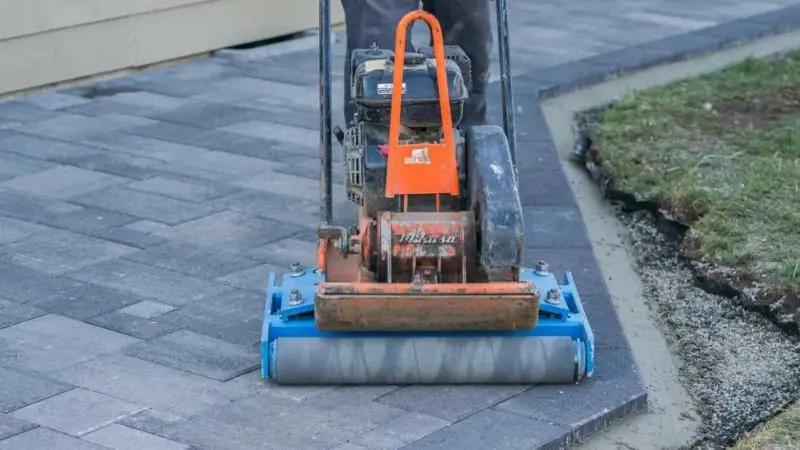
With regular maintenance, your machine stays consistent and ready for severe job site conditions. Dust, grit, heavy vibration, and long service can slowly wear out major components. Regular inspections help you catch little flaws that could lead to costly repairs or unexpected downtime.
Once you know what is a stone plate compactor and how it is used on different materials, it will be easier to comprehend the significance of routine maintenance. Your actual service schedule will vary depending on your machine model and usage. Always follow the maintenance intervals in your owner’s manual.
Daily Inspection
Get in the habit of looking at it quickly before you begin each day’s work. How to compact gravel with a plate compactor? Clean the base plate and the surrounding sections of dirt, dust, and gravel. Check engine oil level and top up fluids as needed. If you use the equipment regularly for tasks such as crushing gravel with a plate compactor, inspect the base plate completely after each use. Gravel and other stones might become stuck around the machine and cause wear and tear.
Check the machine for obvious damage, loose bolts, oil or fuel leaks. Make sure the cooling areas and air filters are not covered in excessive dust so the engine has proper airflow. A few minutes each morning will help you notice trouble before it interrupts your job.
Weekly Routine
Inspections should be more frequent (at least weekly), especially if the equipment is used often or in dusty settings. Check for cracks, wear, or slack in the drive belt. How does a stone plate compactor work? Check the vibration system. Listen for any unusual noises that may indicate worn bearings or other problems. Excessive vibration can dislodge frame hardware and mounting points. Tighten any loose bolts to the manufacturer’s specifications and replace any broken fasteners as necessary.
Regular inspections are especially helpful if you do a lot of how-to compact crushed stone jobs, because repeated contact with rough aggregate can increase wear on the equipment.
Monthly Care
How to use a plate compactor on stone? Monthly service should be limited to those parts that need more detailed care. Do not wait until the oil is too unclean; check the condition of the motor oil and change it at the service interval advised by the manufacturer. Grease bearings, pivot points, and any other parts requiring regular lubrication. Inspect fuel lines and fittings for tiny cracks or leaks. Also examine the spark plug and replace it if it’s worn or damaged.
Regular monthly upkeep will keep the engine running and the moving parts working smoothly for consistent results while learning to operate a plate compactor on stone.
Seasonal Overhaul
How to compact stone with a plate compactor? It is important to perform a more comprehensive assessment of your equipment before a busy building season or a significant initiative. Before you begin using the equipment heavily, you should examine its primary systems and replace any components that have become worn.
Depending on the manufacturer’s recommendations, seasonal service may include:
- Replacing worn spark plugs
- Installing a new air filter
- Inspecting or replacing drive belts
- Checking engine oil and other fluids
- Inspecting vibration components and bearings
- Checking bolts, fasteners, and mounting points
Preparing the machine in advance can reduce the risk of unexpected breakdowns when you need it most.
Common Stone Plate Compactor Maintenance Mistakes to Avoid
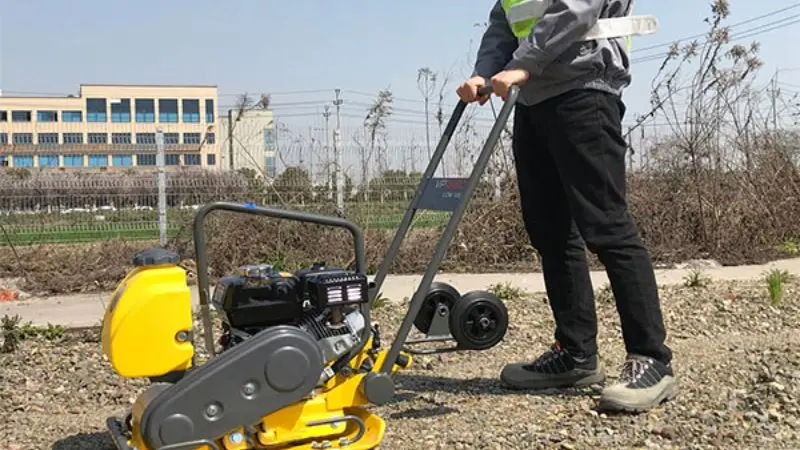
Failure to complete routine maintenance can result in higher repair costs, reduced equipment performance, and unexpected downtime. In most cases, addressing minor problems at an earlier stage is both simpler and less expensive.
Ignoring Small Oil or Fuel Leaks
It may not seem like much at first, but a small oil or fuel leak can quickly become a big problem. How to compact crushed stone? Loss of engine oil increases friction and can harm internal engine parts. Fuel leaks can pose safety hazards and can affect machine efficiency. Check regularly under the equipment and around hoses, seals, and connections. If you see a leak, fix it straight away and don’t let the problem get worse.
Operating With Loose Bolts or Damaged Parts
How to compact gravel with a plate compactor? Excessive vibration outside normal engine operation may loosen nuts, bolts, and mounting hardware. If pieces are loose, vibration may cause more damage to the frame or other elements while the machine is running. Frequently check the base plate, frame, handles, and mounting points. Make sure all hardware is tight and replace any cracked or damaged components before you begin work.
Skipping Regular Cleaning
What is a stone plate compactor? Dirt, dust, and grit can accumulate around the engine, cooling fins, and base plate. Heavy build-up can restrict airflow, retain heat, and cause premature wear. An easy way to protect key parts is to clean the machine after each use. Clean off packed gravel and debris from store equipment, particularly after working with crushed stone or dusty products.
Using the Wrong Oil or Lubricant
How to use a plate compactor on stone? The various components and engines will probably take different kinds of oil or grease. But using the wrong stuff can reduce lubrication, increase friction, and even damage sensitive parts over time. Refer to the owner’s manual before applying oil or lubricant. Protect engine, bearings, and vibration components at the right service intervals and with the right product.
Delaying Replacement of Worn Parts
How does a stone plate compactor work? Worn parts can cause performance degradation and ultimately harm other parts. For instance, a worn drive belt can slip or snap, hindering the machine’s capacity to provide regular vibration. Replace worn belts, damaged shock mounts, cracked base plates, and any other problematic components as recommended by the manufacturer. Early attention to these problems can help avoid costlier repairs and keep your equipment running reliably.
Conclusion
Regular servicing of your equipment is a good approach to help protect it, ensuring it is dependable, safe, and ready to handle the rigors of the work site. After each use, always clean your stone plate compactor, check the engine oil and air filter, and tighten any loose bolts before they cause further problems. Lubricate all moving parts, check the drive belt tension, and store the equipment in a dry and clean place. Simple maintenance routines can be designed to help maximize compaction performance, reduce unnecessary downtime, and save repair costs if performed regularly. Properly maintained and regularly inspected, your machinery will continue to operate smoothly and consistently for many years to come.
FAQ
How often should you change the exciter oil?
Swap exciter oil every 200 hours. Do this once each season. Clean oil cools inner bearings well. Heavy shaking creates heat. Read your manual for fluid details.
What causes a plate compactor to lose compaction force?
Loose belts drop total power. Broken shock mounts hurt output too. Dirty air filters cause problems. Check the drive belt tension right now. This brings back full force.
Can you use a stone plate compactor on wet soil?
Do not compact very wet soil. Extra water turns into mud. Mud traps small air pockets. Dirt sticks to your plate. Wait for ideal soil moisture.
Why does your plate compactor jump erratically?
Fast engine speeds cause wild jumps. Clogged base plates make jumps worse. Stuck dirt changes the machine’s weight. Clear hard mud off plates. This brings smooth movement back.